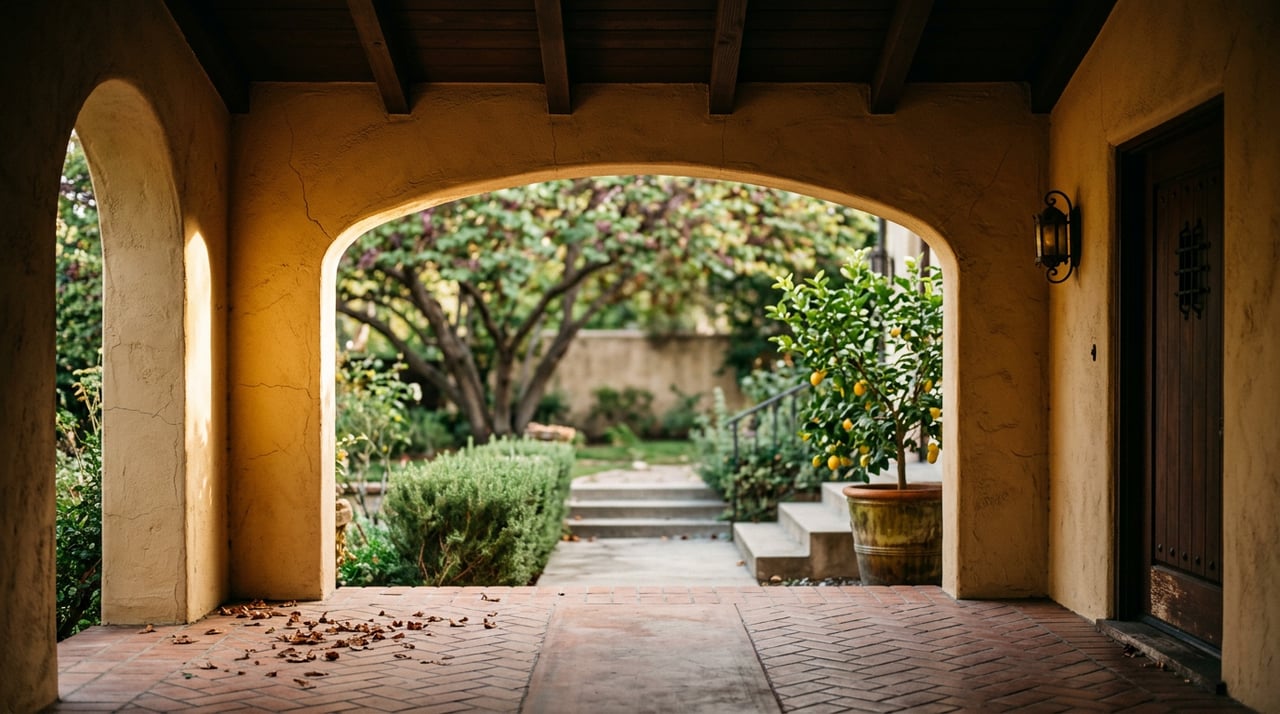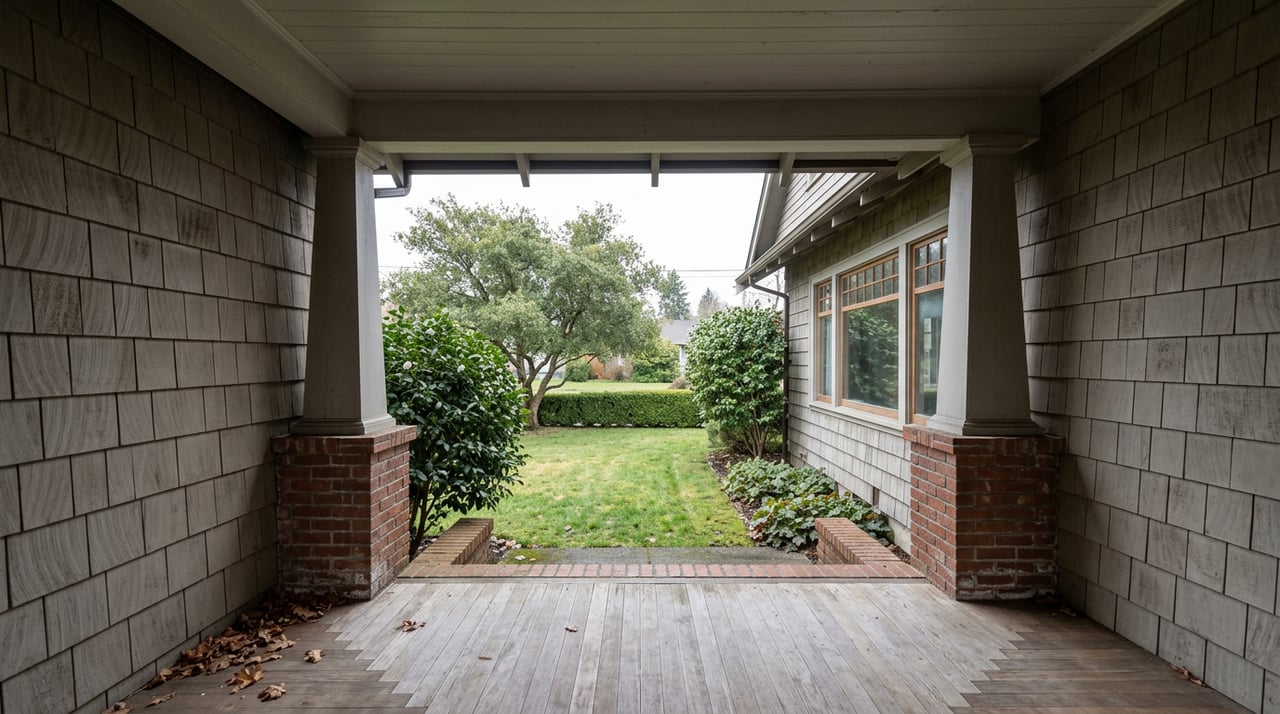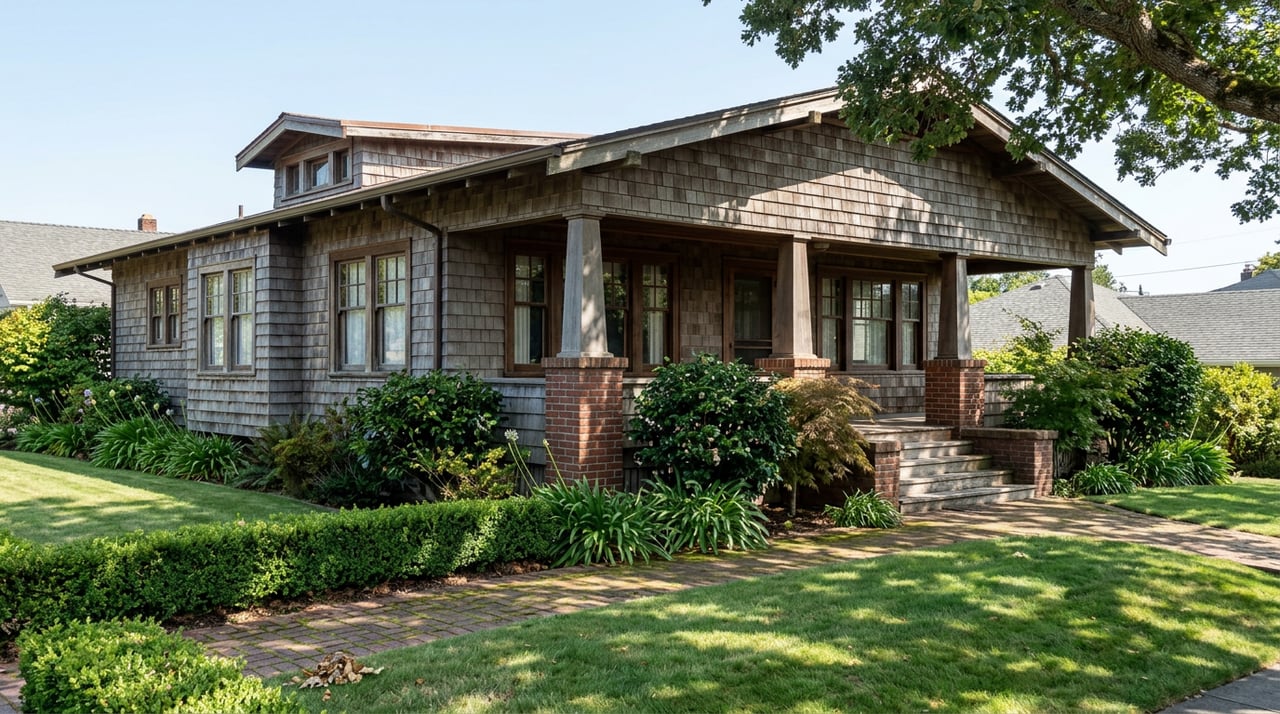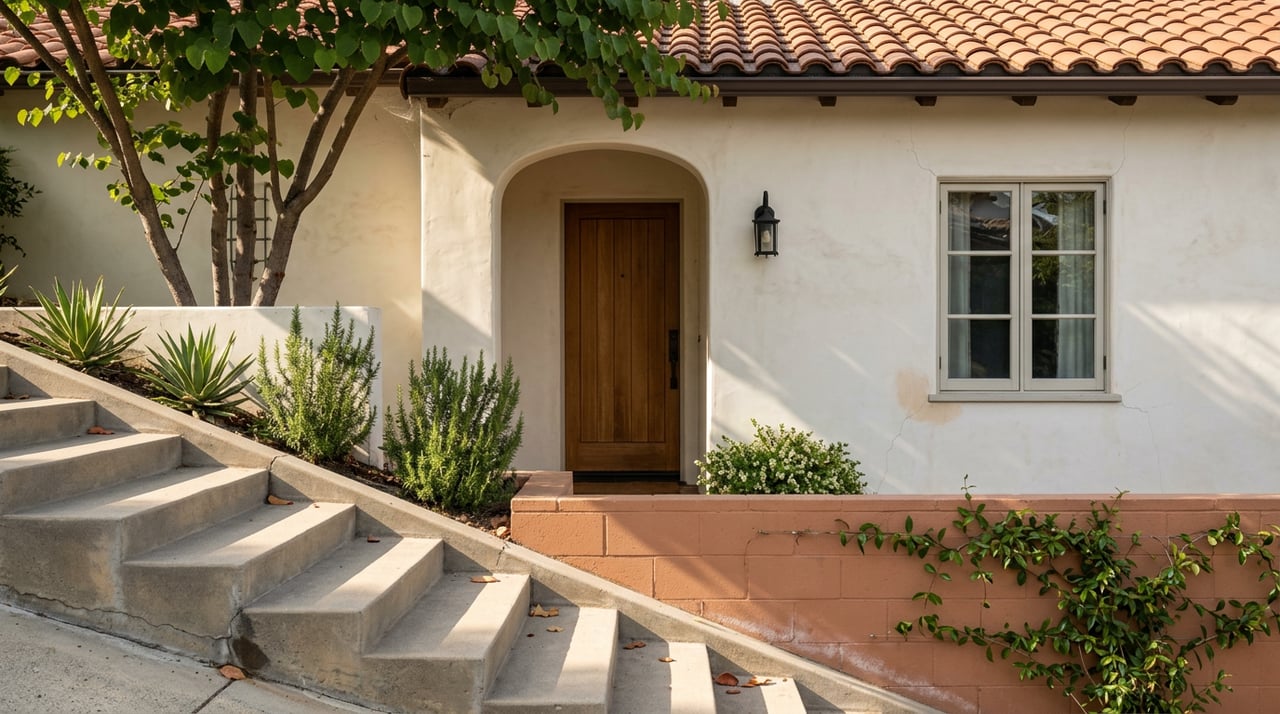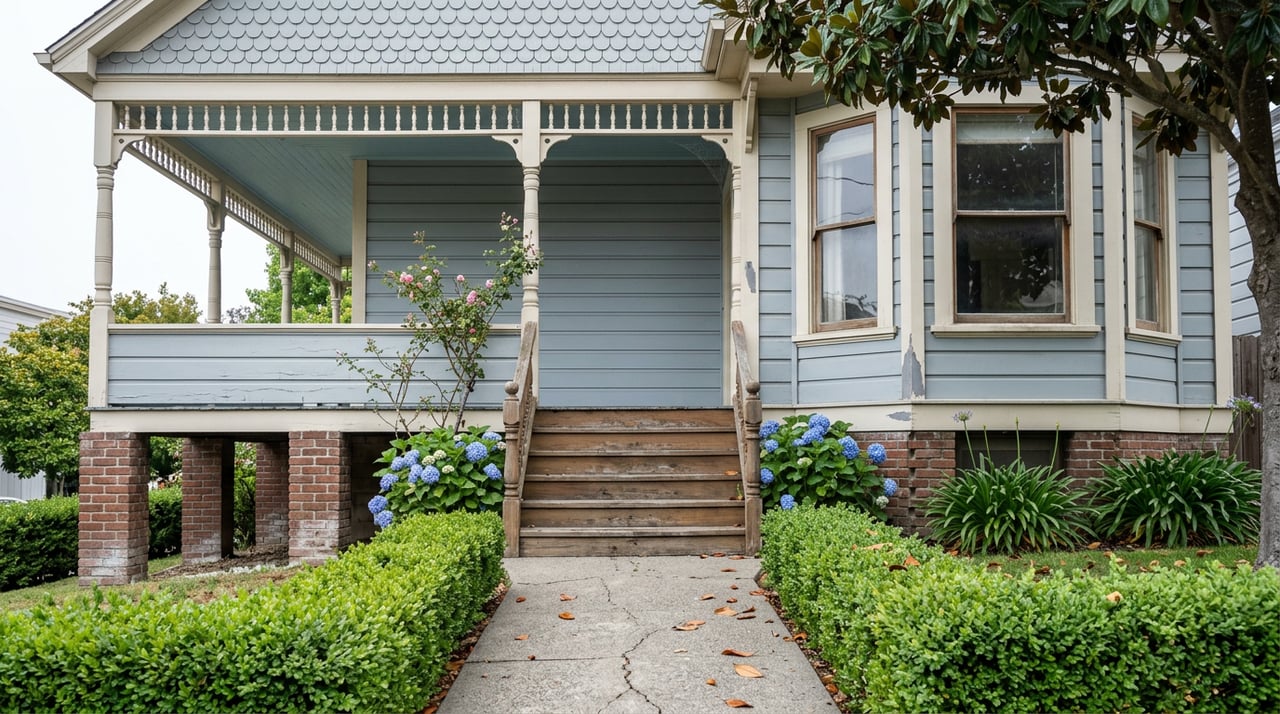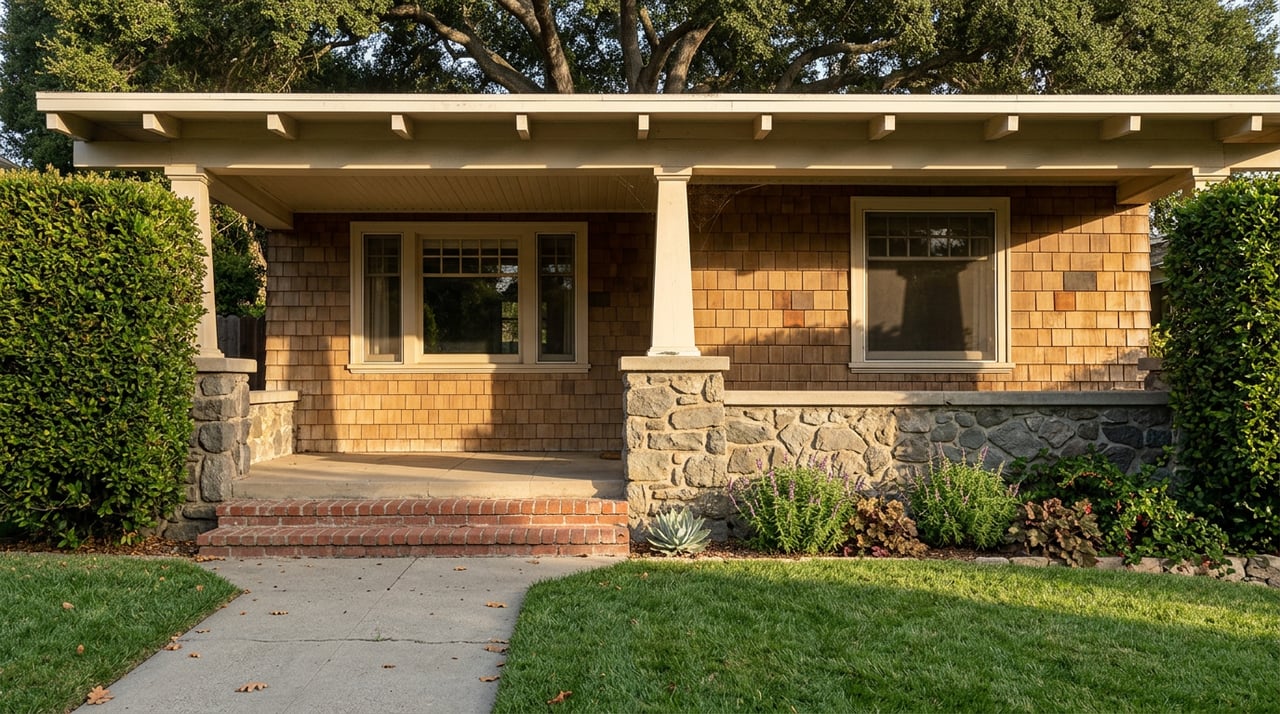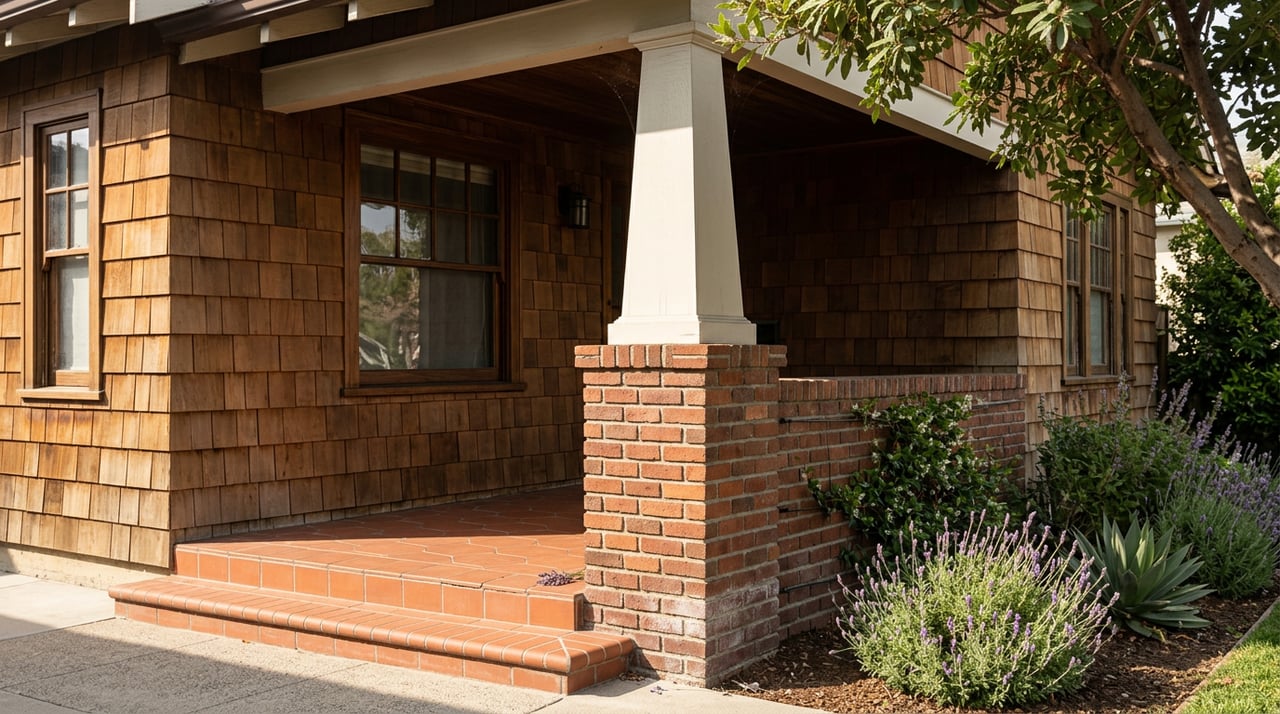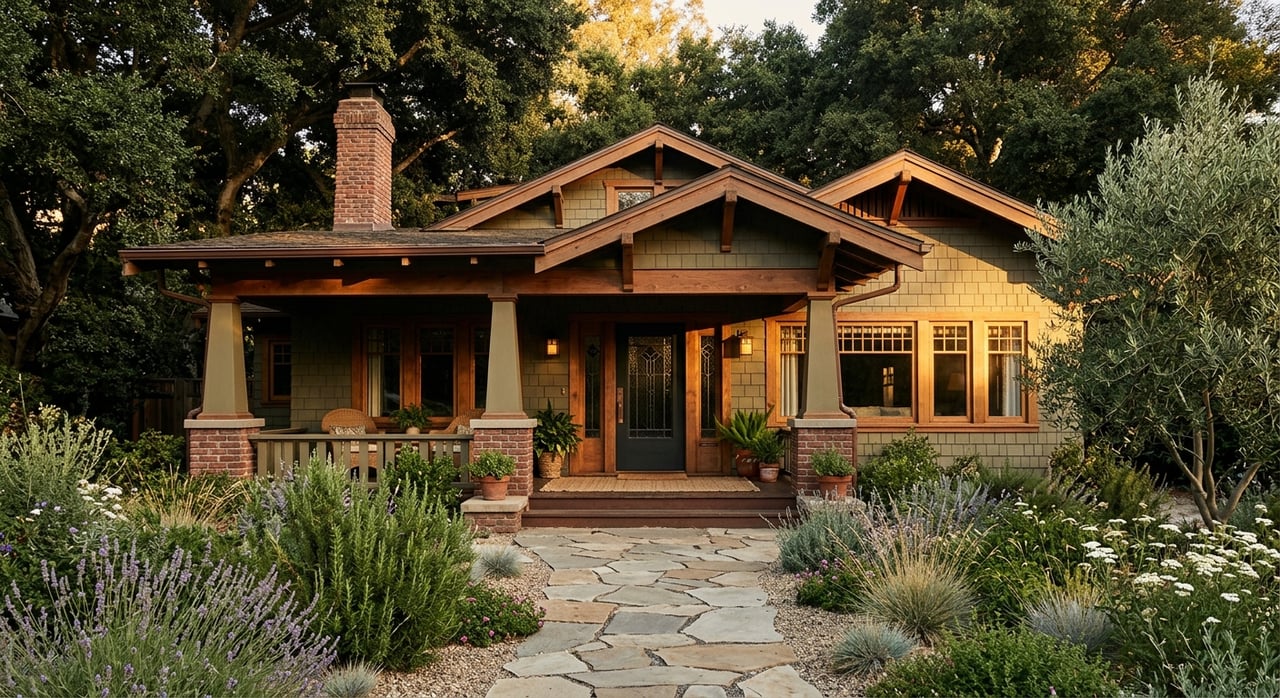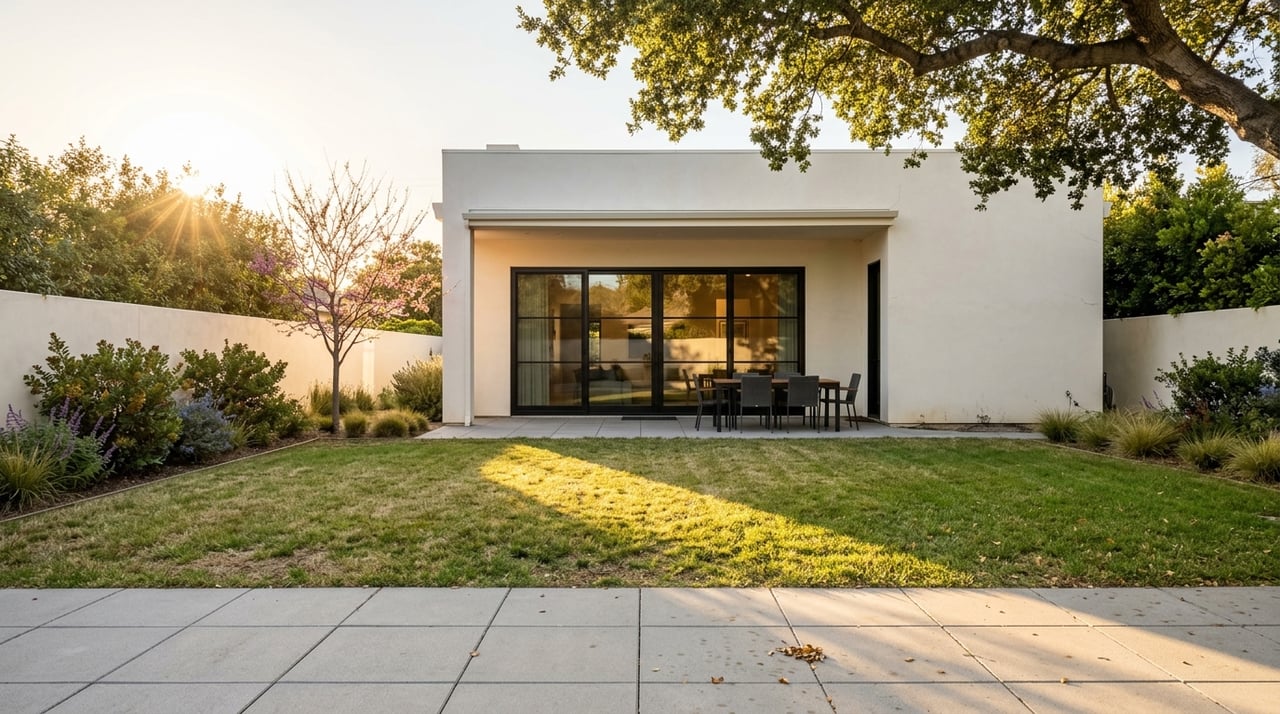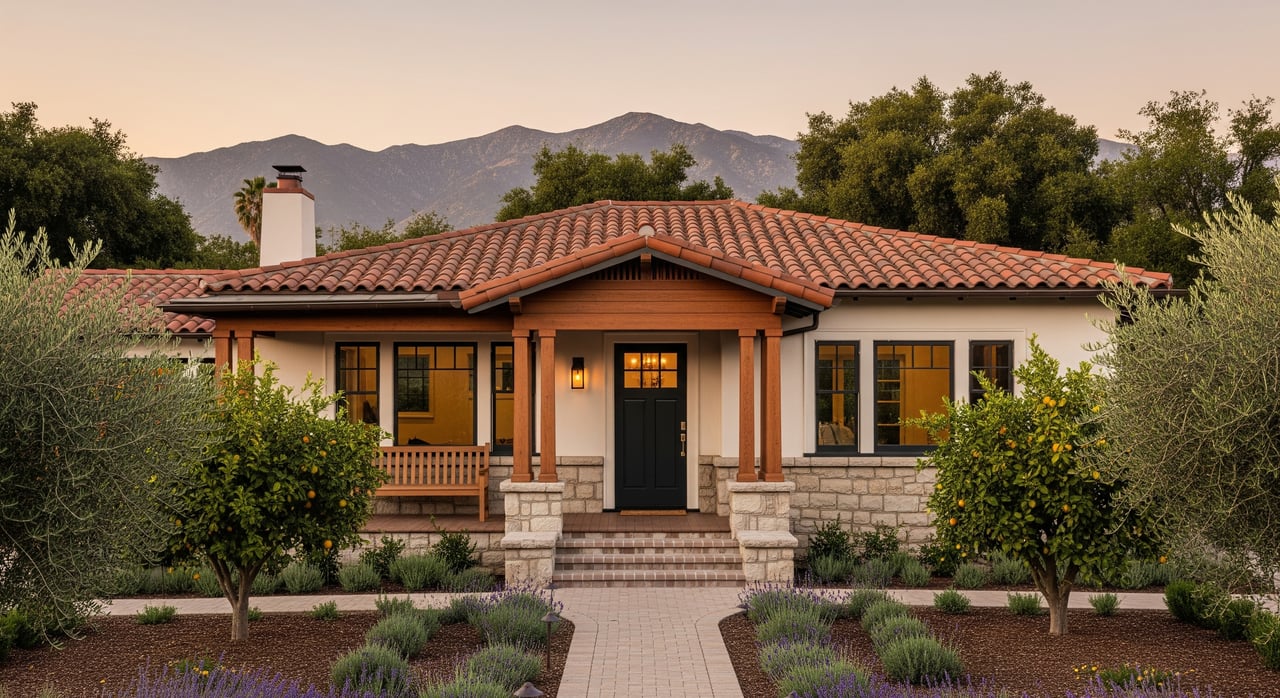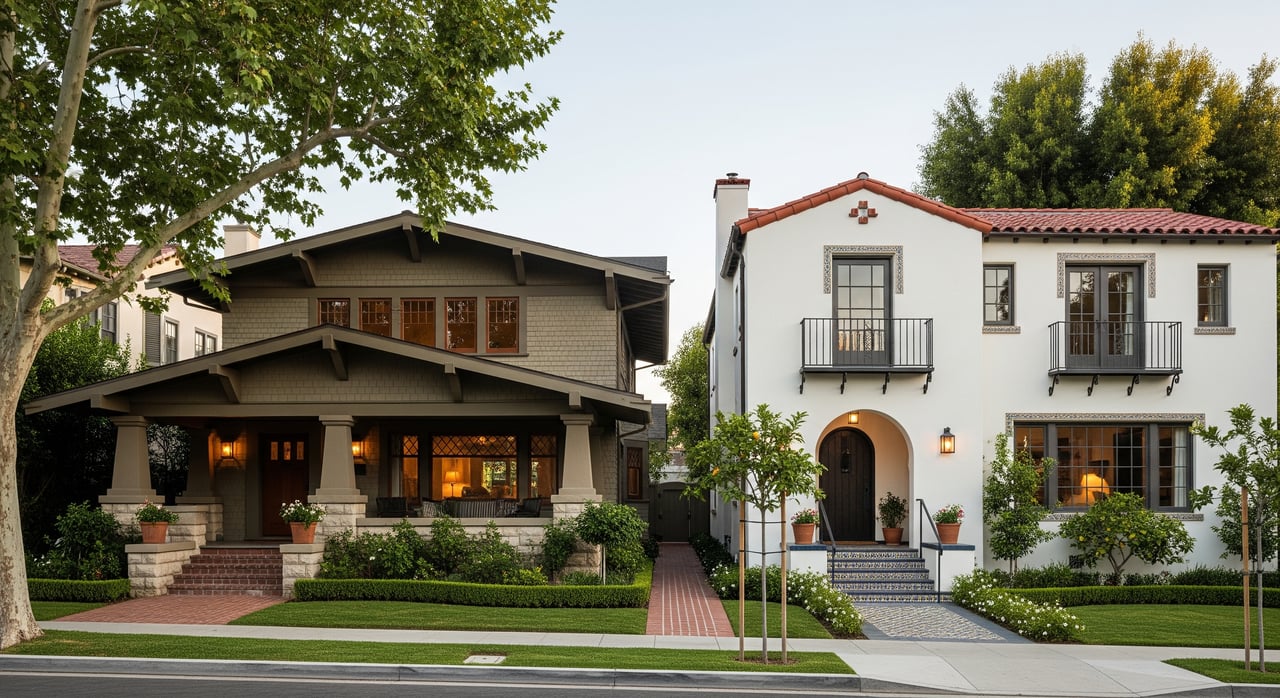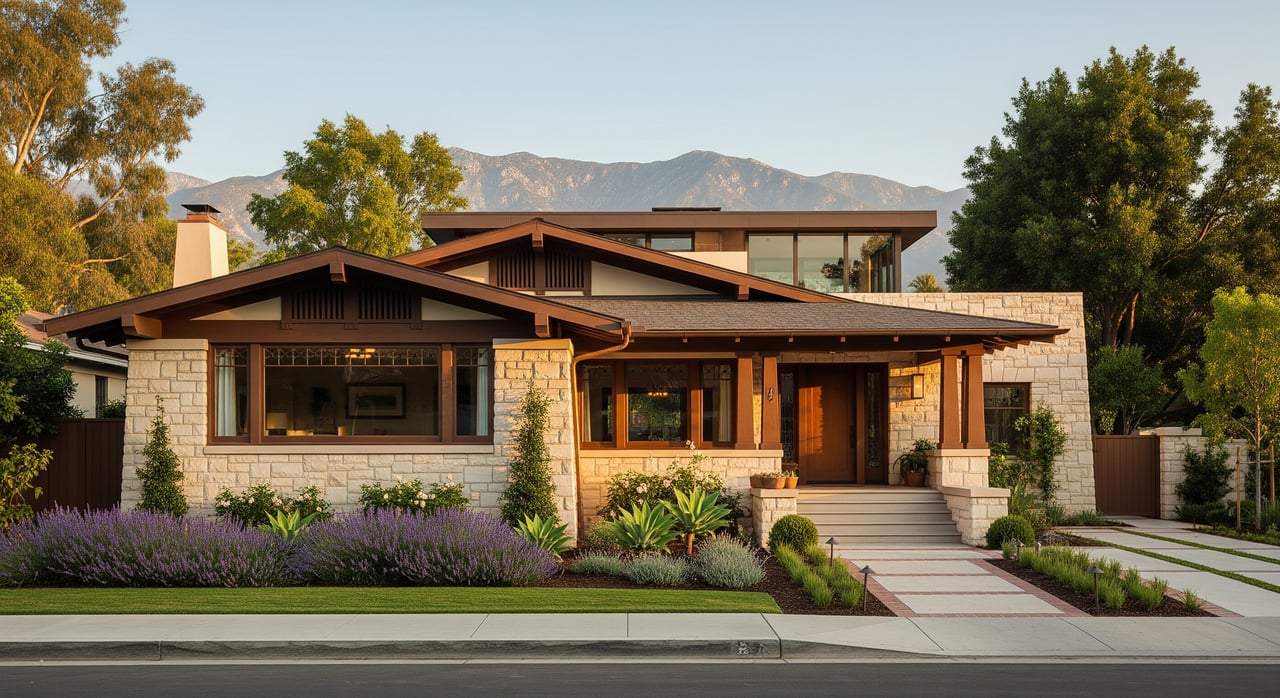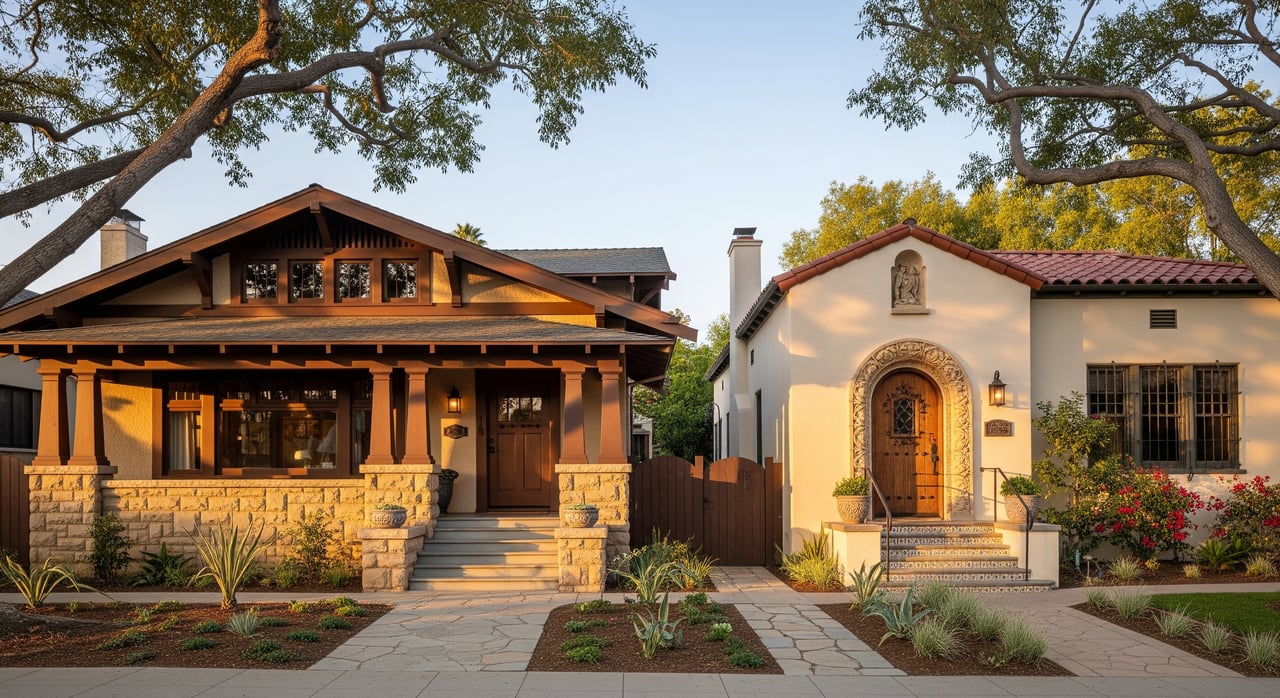
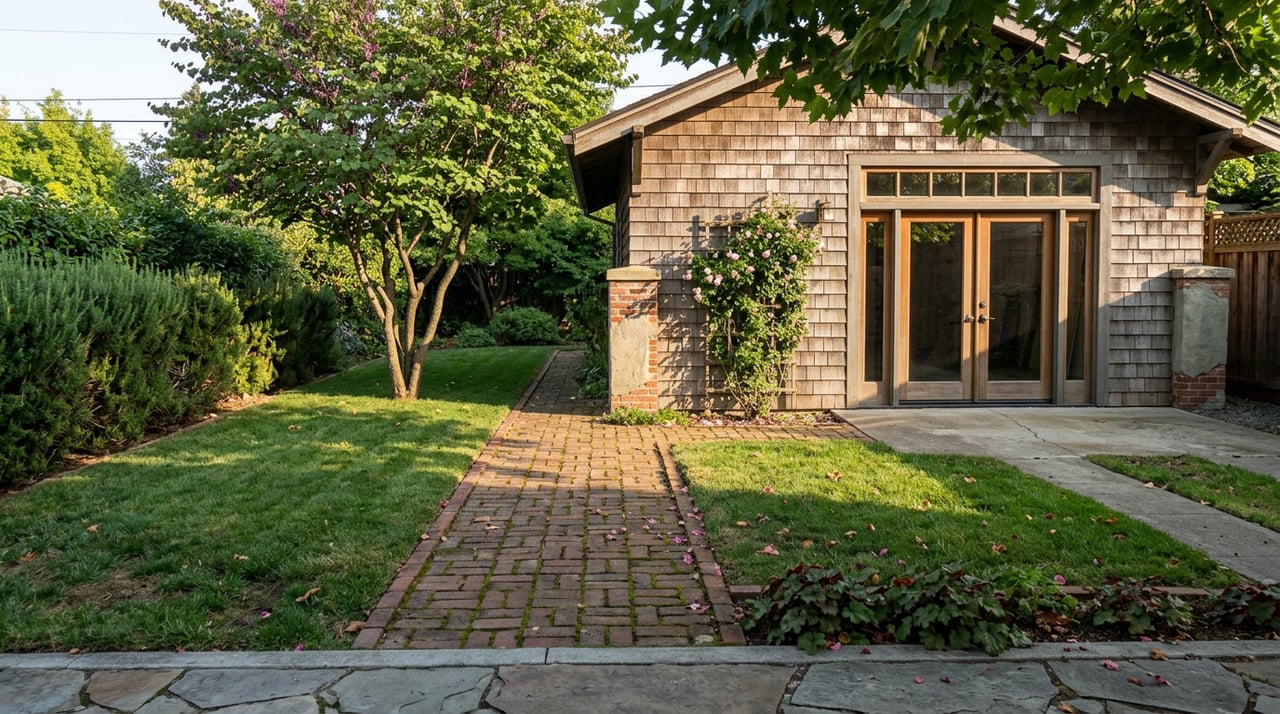
Every ADU calculator on the internet asks you the same question first: how big is your lot. In most of Pasadena, that's the right question. In a Landmark or Historic District, it's the wrong one. The number that actually decides what you can build back there isn't your square footage. It's whether a garage is already standing on the property.
That's not a small distinction if you're comparing a Craftsman in Bungalow Heaven to a similar house two miles away on a non-historic block. Both might list an ADU as a selling point. Only one of them is telling you the whole story.
The Fee Cuts Everyone Hears About First
Pasadena has spent the past year and a half making ADUs cheaper to build almost everywhere in the city. The Planning & Community Development Department cut permitting and plan check fees for most single-family ADUs by roughly a quarter, and homeowners who sign a Housing Agreement, an optional affordability covenant with the city's Housing Department, get a 50 percent discount on plan check fees and a full exemption from the Residential Impact Fee regardless of unit size. The city's own announcement frames this as a straightforward push to add housing supply. For most sellers and buyers, that's exactly what it is.
One wrinkle worth knowing: according to ADU Zoning, the city's free pre-approved Standard Plans, five designs between 374 and 750 square feet that used to shortcut the design process for anyone, expired at the end of 2025 when the California Building Code updated. As of this year, those free designs are reserved for properties red-tagged in the Eaton Fire. Everyone else is back to budgeting for custom architectural plans, typically a few thousand to fifteen thousand dollars on top of construction.
None of that touches the question of where you're allowed to put the unit. That's a separate rulebook, and it only kicks in if your house sits inside one of the city's designated districts.
The Line Nobody Mentions At Open Houses
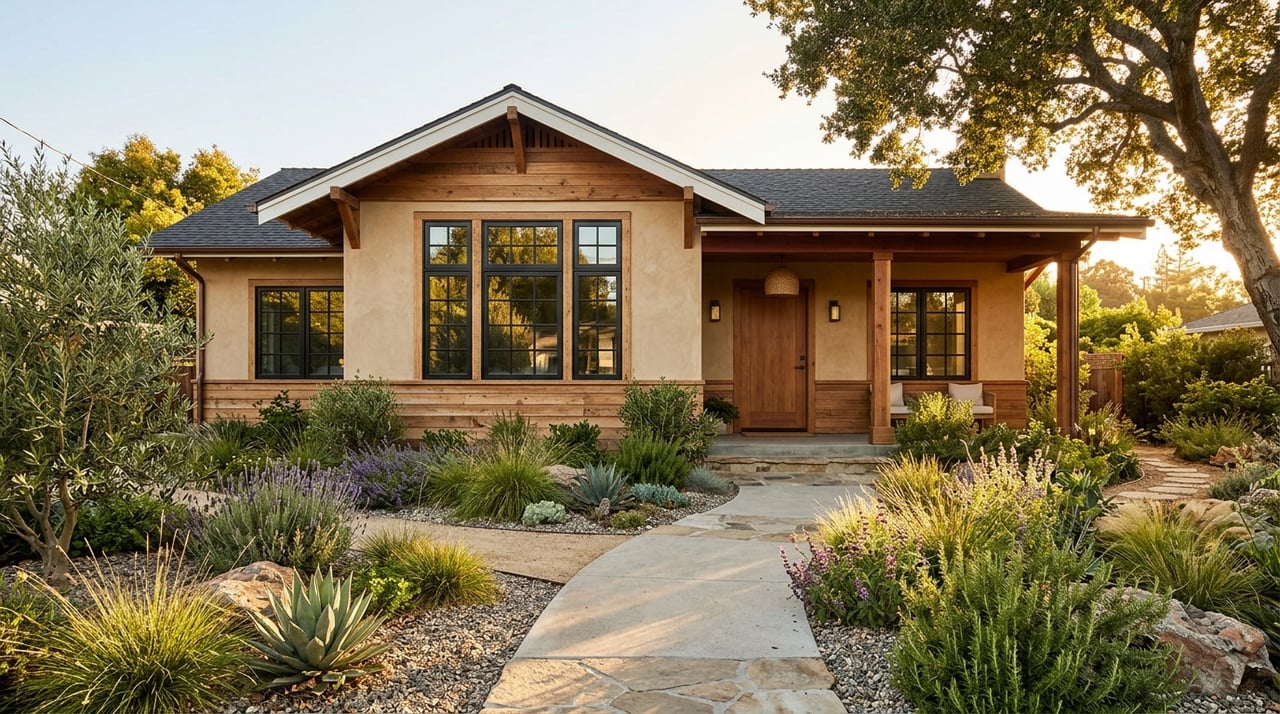
Pasadena has more designated historic resources than any other city in Los Angeles County, spread across roughly 31 Landmark and Historic Districts. Bungalow Heaven alone, Pasadena's first Landmark District, designated in 1989 and added to the National Register of Historic Places in 2008, covers 1,139 properties in the sixteen blocks around McDonald Park. Madison Heights has spent recent months petitioning for its own designation, which would make it the second largest district in the city. Garfield Heights and Historic Highlands round out the list of districts most buyers actually encounter when house hunting.
According to PropertyZoned, California law is clear that a historic district can't be used to block an ADU outright, and it can't override the state's baseline size and setback rules. What the law does still allow is design review over anything visible from the street. According to Cali ADU, Pasadena's own ordinance uses that opening to cap street-visible new detached ADUs in a Landmark or Historic District at 16 feet of height. That single number rules out the two-story detached unit that maximizes square footage on a tight urban lot, the same design that non-historic Pasadena homeowners build routinely on a smaller footprint.
Convert an existing garage into an ADU, though, and that whole review track mostly disappears. You're not adding new visible mass to the property, so the Cultural Heritage Commission has far less to say about it. Here's how the two paths actually compare for someone shopping in Pasadena right now:
| Historic or Landmark District lot | Non-historic Pasadena lot | |
|---|---|---|
| New detached ADU, visible from street | Capped at 16 feet, effectively single-story | Up to 25 feet, according to Build with a Plan; two-story designs common |
| Garage or interior conversion | Design review largely exempt | Design review largely exempt |
| Design review body | When required: Certificate of Appropriateness from the Cultural Heritage Commission, 4 to 6 weeks | Standard building permit only |
| Most reliable ADU lever | Existing garage footprint | Available rear yard depth |
The state preemption is real. It just doesn't erase the city's authority over what a stranger walking down the sidewalk can see.
What This Looks Like In An Actual Listing
This isn't theoretical. Current Bungalow Heaven listings are already marketing around it. One recent listing describes a detached two car garage with plans for a 498 square foot ADU, called out as a selling point alongside the home's Mills Act eligibility. Another describes a 441 square foot detached garage, built in 1985 and already converted to an art studio with its own heating and air, framed explicitly as a future ADU. Neither listing is pitching a new two-story structure at the back of the lot. Both are pitching the garage.
That's the tell. In a district where street-visible new construction runs into the 16-foot ceiling, the existing garage isn't just a place to park a car. That existing footprint can make an ADU plan more straightforward, though any required review will depend on the project.
Doing The Math On Two Houses
Say you're comparing a Bungalow Heaven Craftsman with a roughly 450 square foot detached garage against a similar-vintage house on a non-historic block with a comparable rear yard but no existing structure back there.
On the historic-district property, a garage conversion typically runs $120,000 to $220,000 depending on finish level and utility separation, and a well-finished one-bedroom unit in Pasadena rents in the range of $2,200 to $3,800 a month depending on neighborhood and condition. That's the ceiling on what the garage gives you without triggering full historic design review.
On the non-historic property, the alternative is new detached construction, at a construction cost more typically in the $180,000 to $400,000 range. A larger unit with more bedrooms supports higher rent, though it also means a bigger check written to the contractor before the first tenant moves in.
Neither path is automatically the better investment. The garage conversion can get you into a rentable unit faster and for less money, often with less design review to navigate. The full detached build costs more up front but has more room to grow into. What matters is that the historic district doesn't give you the second option, at least not visibly from the street, no matter how deep the lot runs.
If You're Comparing Two Neighborhoods, Not Two Houses
For a renovation-minded buyer weighing Bungalow Heaven against a non-historic Pasadena tract, this changes what's worth asking during a showing. Lot size is still relevant, but the question that actually predicts your ADU options is whether a garage already exists and what shape it's in. A detached garage with working utilities nearby is worth more to your ADU plans in a historic district than an extra thousand square feet of open yard, because adding a new visible structure can involve design review, while garage conversions are largely exempt from that process.
It also changes the diligence conversation. If a Certificate of Appropriateness review is required, it typically takes four to six weeks and focuses on materials, window types, and roofline, not on whether you're allowed to build at all. If the seller has priced in ADU potential, factor that timeline into your offer whenever the proposed project requires review.
None of these numbers are guaranteed for your specific parcel. Setbacks, hillside overlays, and individual landmark designations each add their own layer, and fee structures shift as the city keeps adjusting its housing package. Confirm current figures with Pasadena's Planning Department and a contractor who has actually built in a landmark district before you put a dollar figure on any garage.
A Few Questions Worth Asking Before You Write An Offer
Does a Landmark District designation mean I can't build an ADU at all? No. State law guarantees the right to build one regardless of historic status. What changes is the design review process for anything visible from the street, not whether an ADU is allowed.
What if my property was affected by the Eaton Fire? Pasadena's five free Standard Plans, otherwise paused since the end of 2025, are currently available only for properties red-tagged in that fire. Confirm eligibility directly with the Planning Department.
Is a garage conversion always cheaper than new construction? Usually, since you're reusing an existing foundation and structure. The final number still depends heavily on the condition of the garage and how much electrical, plumbing, and gas work is needed to separate utilities from the main house.
Bungalow Heaven's garage-first math and the full-lot math a few blocks away aren't the same market wearing different siding. They're two different sets of rules producing two different answers to the same question. If you're weighing a historic-district Craftsman against a similar house without the designation, that garage out back is worth walking through before you decide which one actually pencils.
If you want a second set of eyes on what a specific Pasadena property's ADU math actually looks like, from someone who's swung a hammer as much as he's written a purchase agreement, Joe Kaplan is glad to walk the lot with you. Let's Connect.
This article is general information, not legal, tax or financial advice. Consult a qualified professional about your situation.