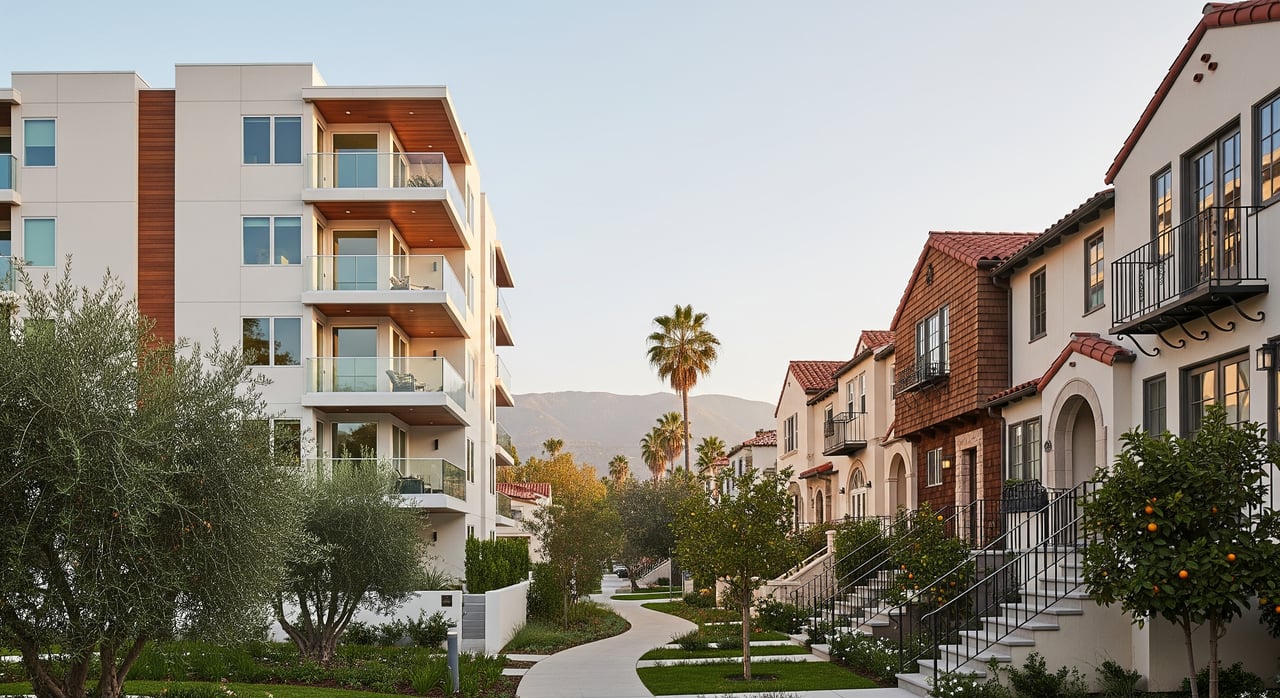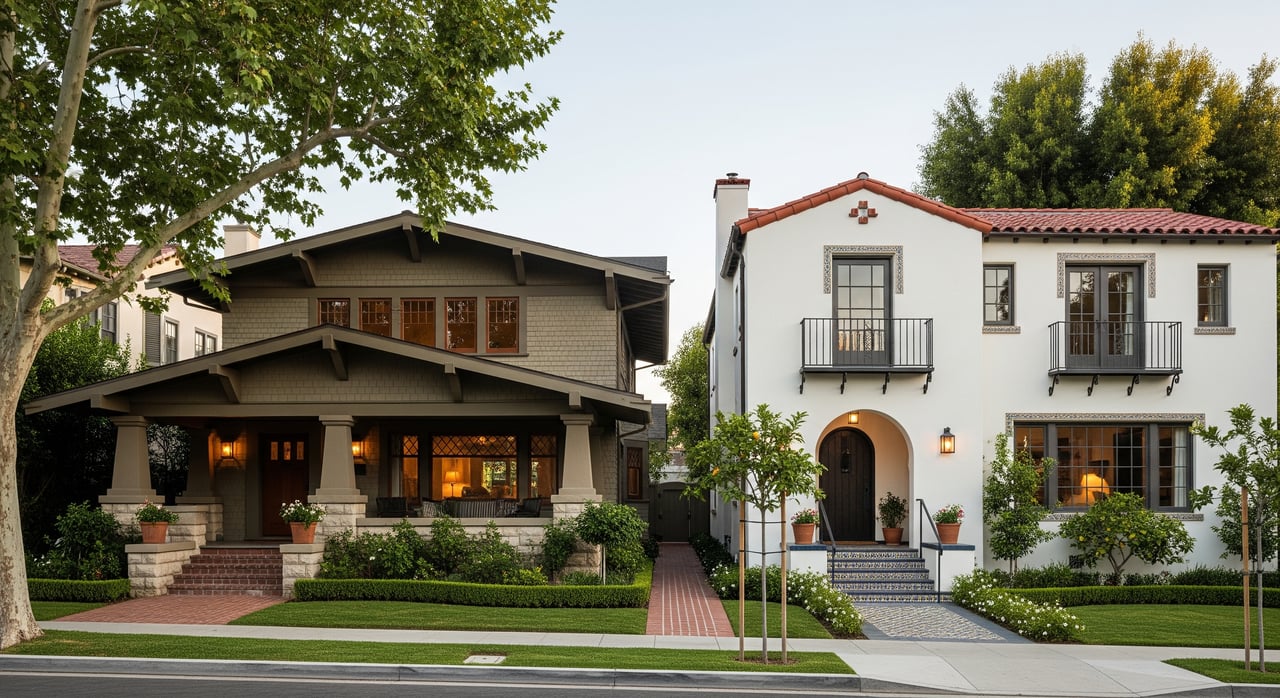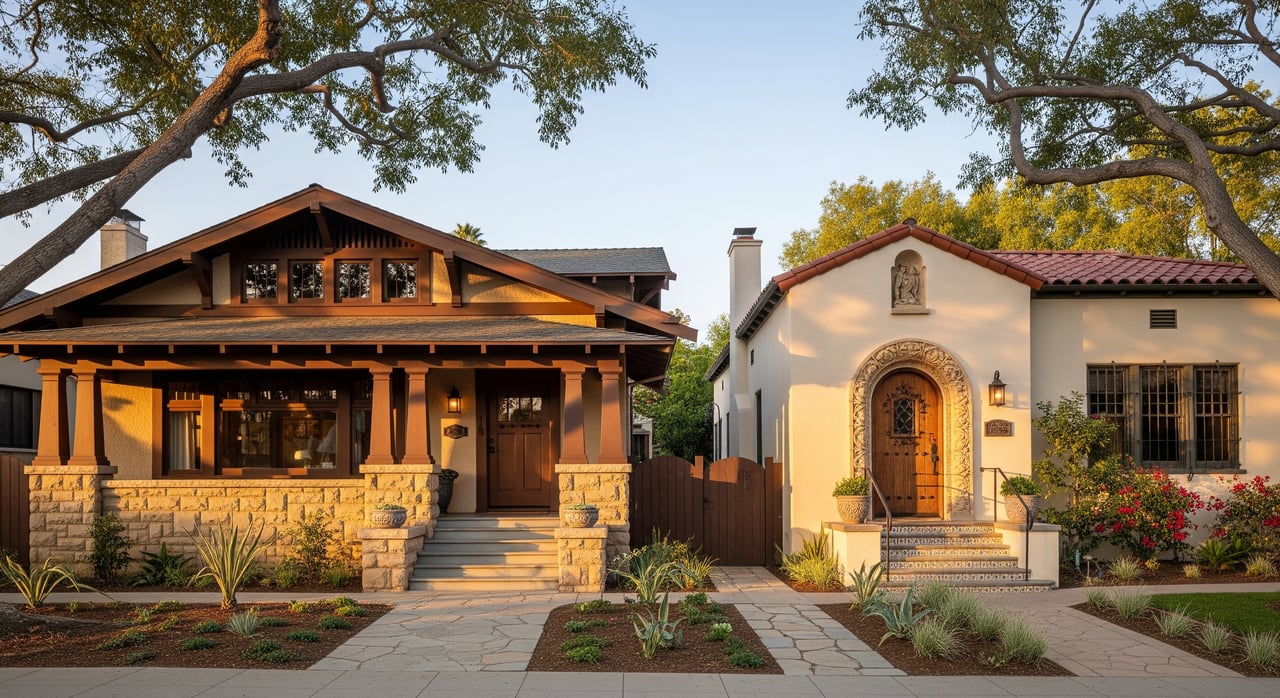

Is it really possible for two homes a few blocks apart to behave like totally different markets? In Pasadena, that happens all the time. If you’ve ever wondered why one Craftsman sparks a bidding war while a similar one sits, you’re not alone. In this guide, you’ll learn how to read micro-market trends by neighborhood so you can time your move, price smart, and negotiate with confidence. Let’s dive in.
Key micro-market metrics
Before you compare neighborhoods, get comfortable with the three metrics that matter most at the block level.
- List-to-sale price ratio: Sale price divided by the final list price. Above about 100% often signals bidding competition. Around 98–100% is more balanced. Below about 98% can mean buyer leverage.
- Days on market (DOM): Time from listing to an accepted offer. Under about 10 days is very hot. Ten to 30 days is warm to balanced. Thirty to 90 days is cool. Over 90 days is slow or may point to price or condition issues.
- Inventory or months of supply: Active listings divided by average monthly sales. Under 3 months favors sellers. Three to 6 months is balanced. Over 6 months favors buyers.
Use medians instead of averages, watch multiple indicators together, and look at rolling 3-, 6-, and 12-month windows to smooth out the noise.
Why Pasadena differs block to block
Pasadena is not one big market. Housing age, lot size, historic overlays, street character, proximity to transit and Caltech, and access to local retail all create distinct pockets. Small sample sizes at the neighborhood level can also amplify the impact of a single sale, so it’s smart to confirm trends across several months and more than one metric.
Common drivers of difference:
- Historic designation and preservation rules can limit new supply and influence renovation choices.
- Walkability and transit access can boost demand for condos and small homes near activity centers.
- Lot size, quality of updates, and period details can swing price per square foot more than headline medians suggest.
- School boundaries, commuting patterns, and nearby retail shape buyer profiles and pace without implying quality judgments.
Neighborhood snapshots
Use these vignettes to interpret what the same metric might mean in different Pasadena micro-markets. Treat them as patterns rather than fixed rules.
Bungalow Heaven
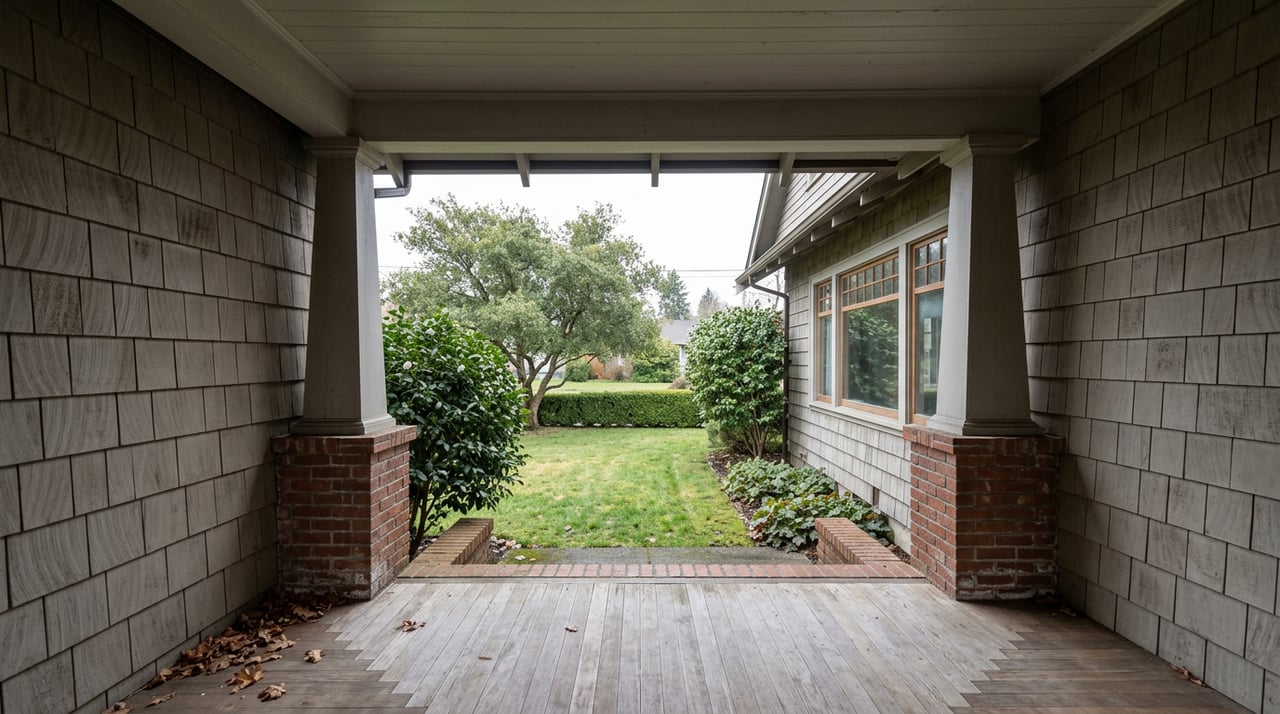
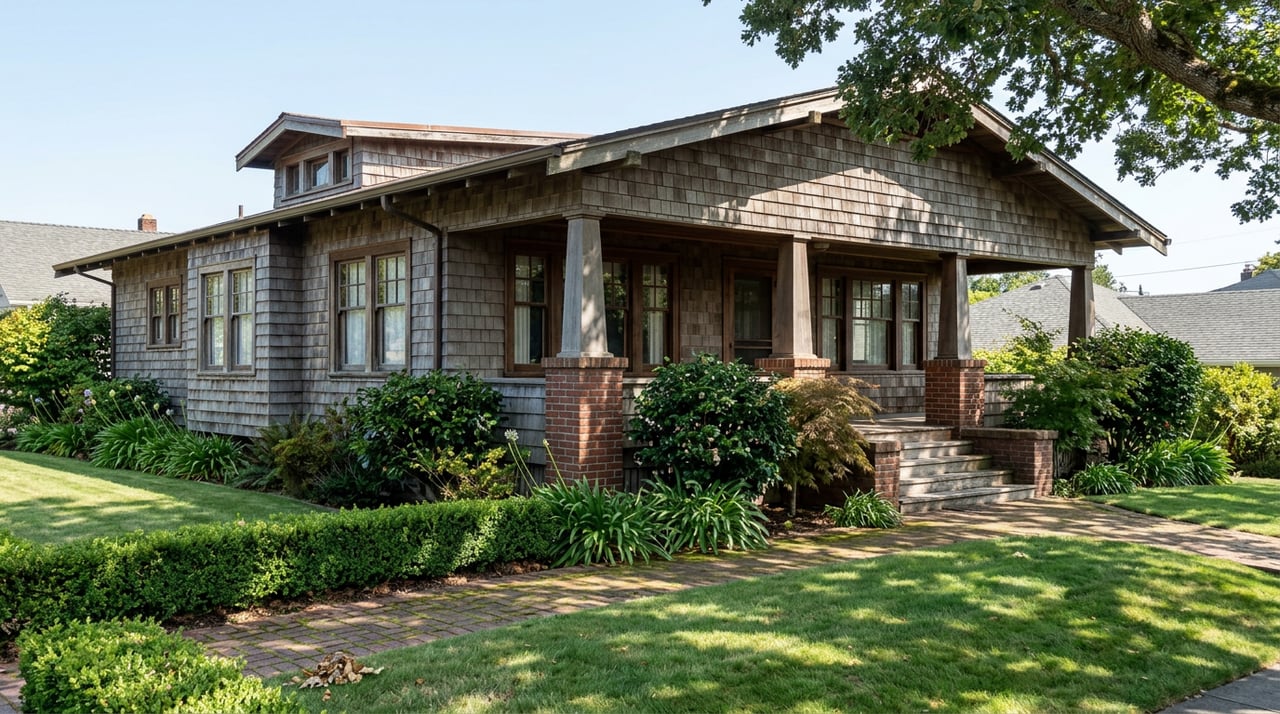
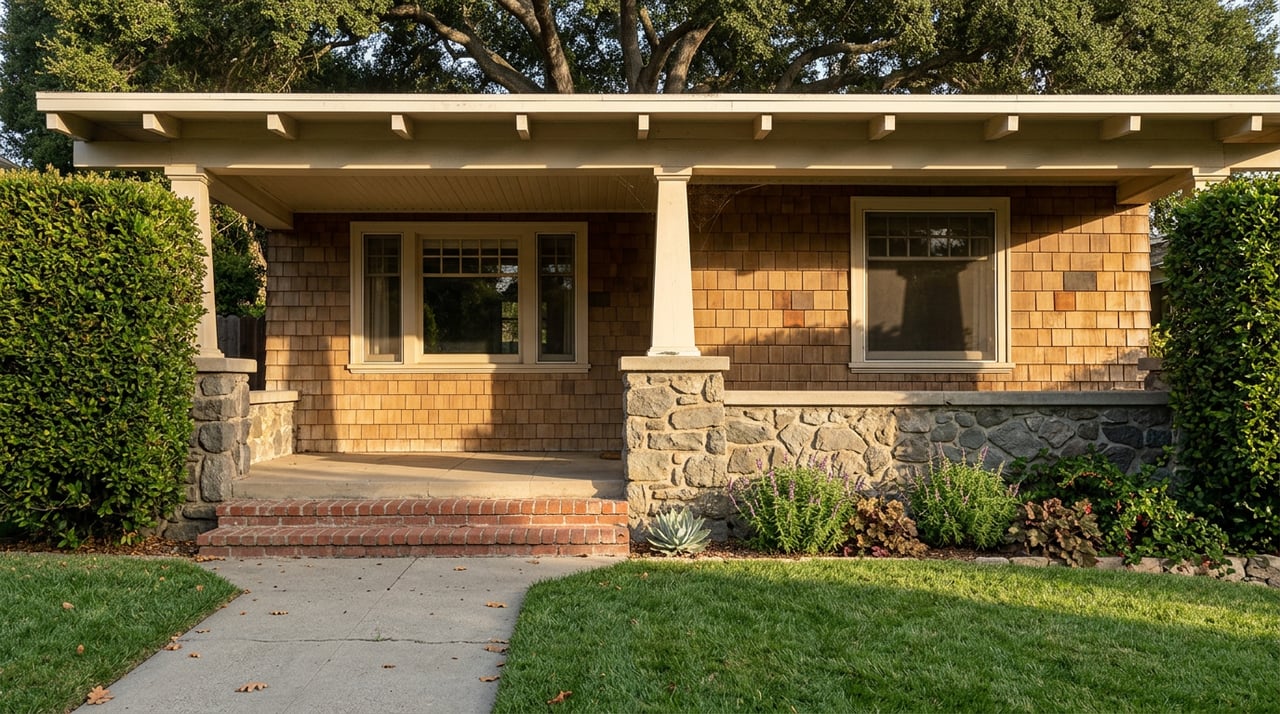
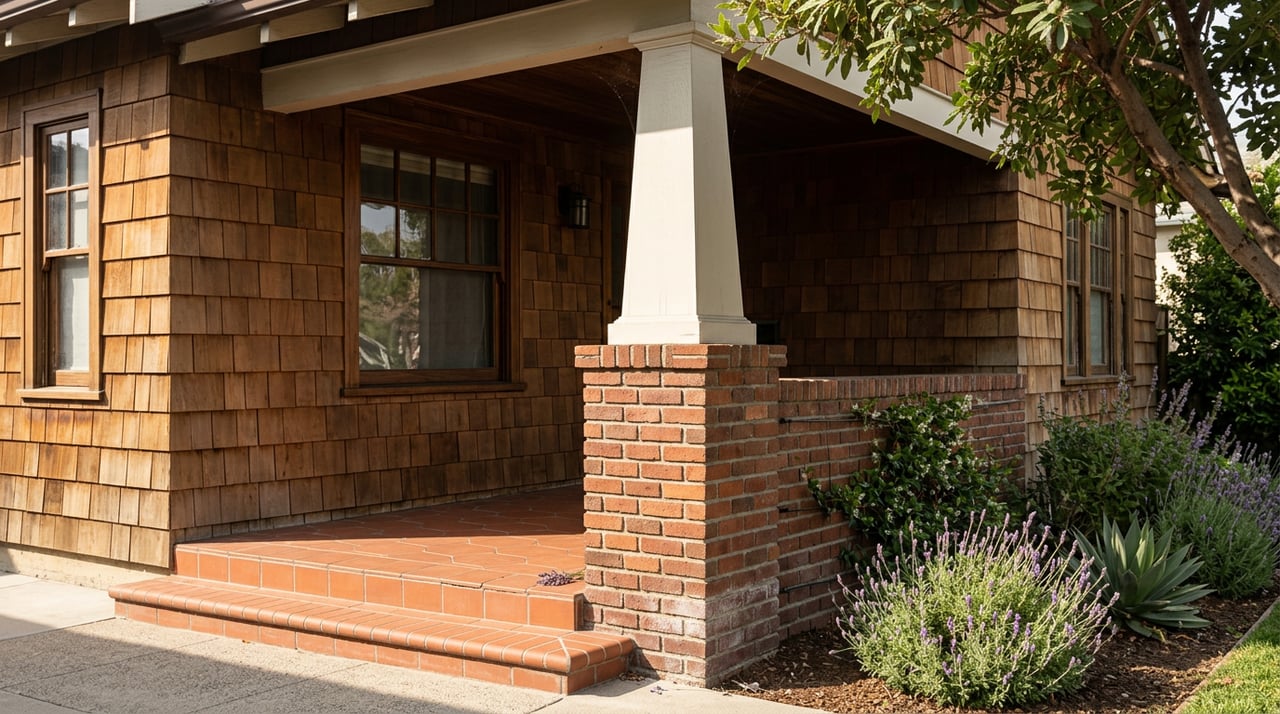
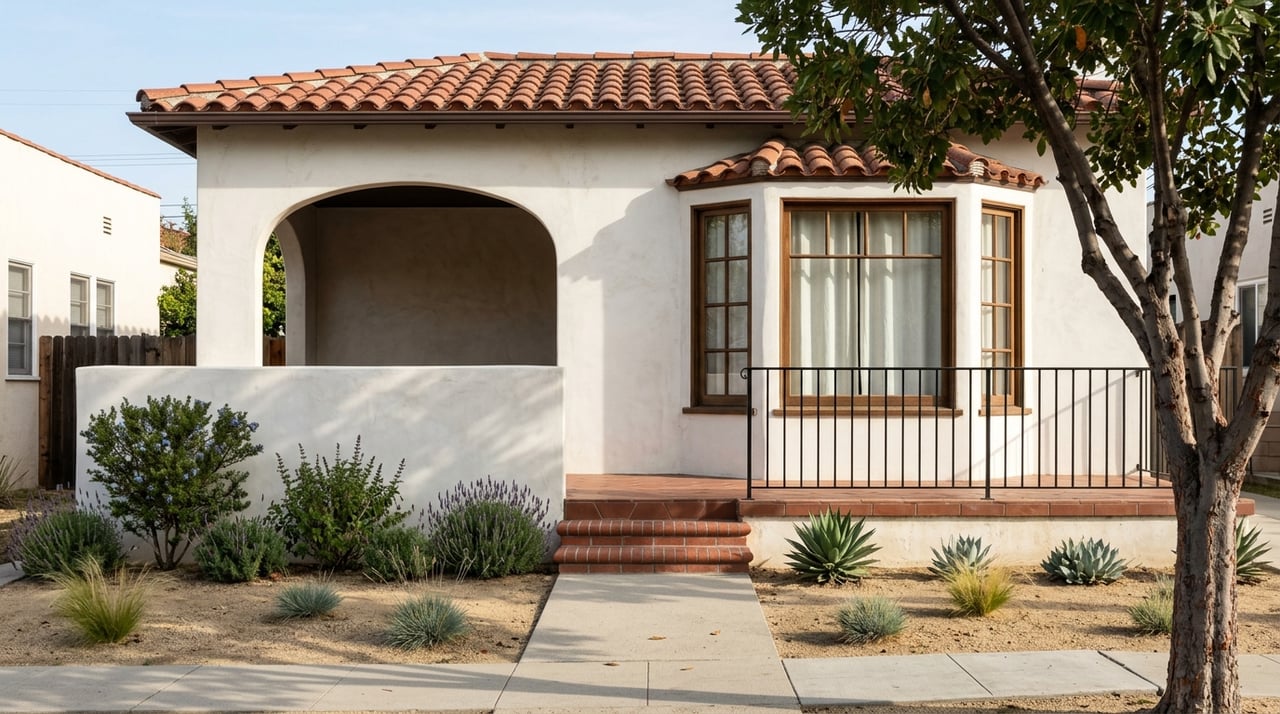
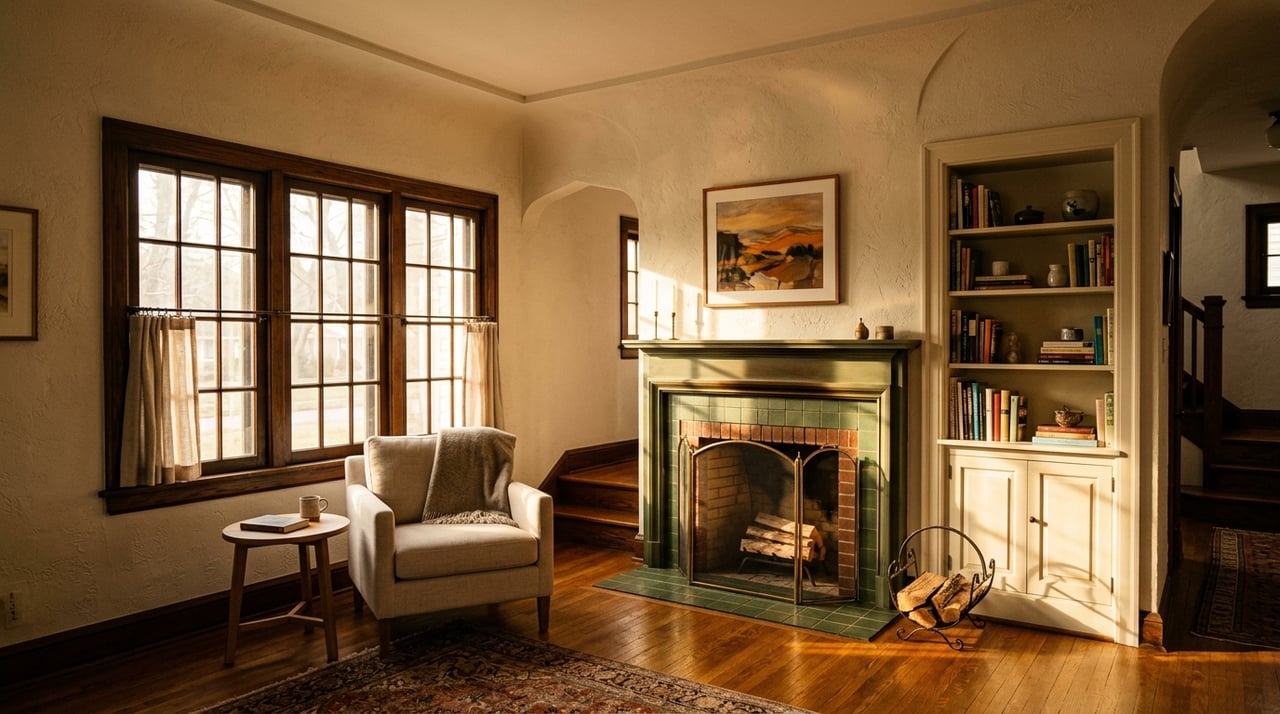
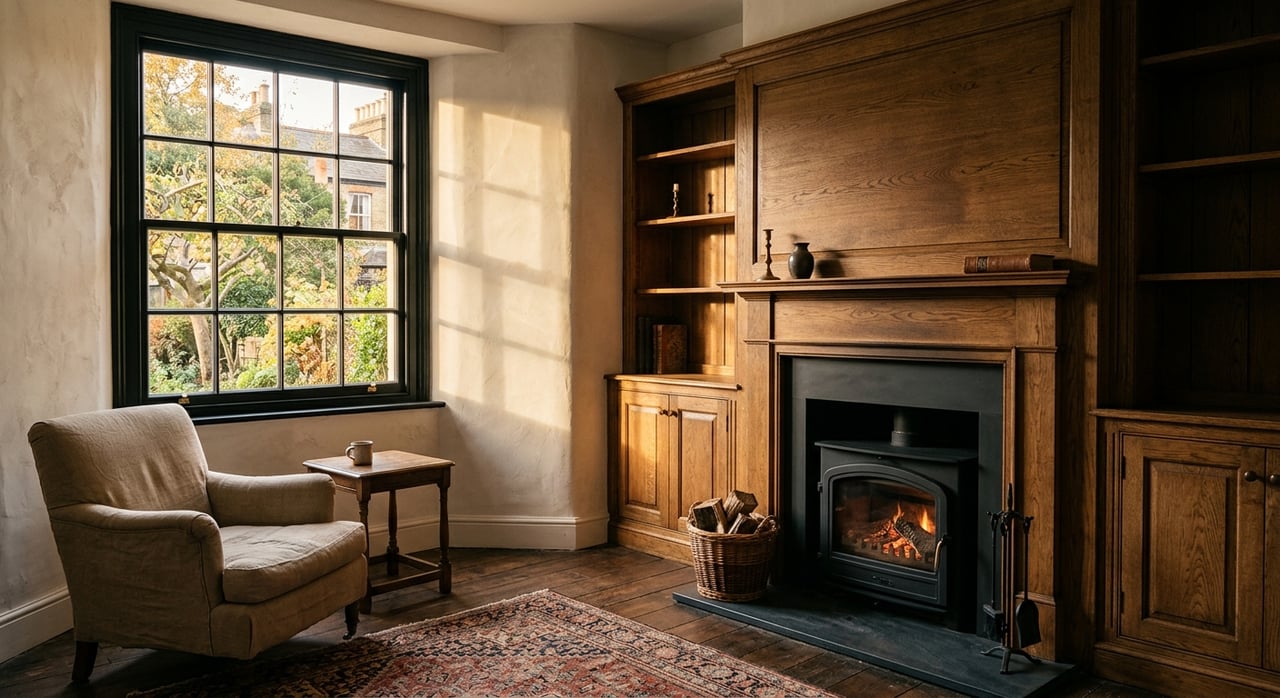
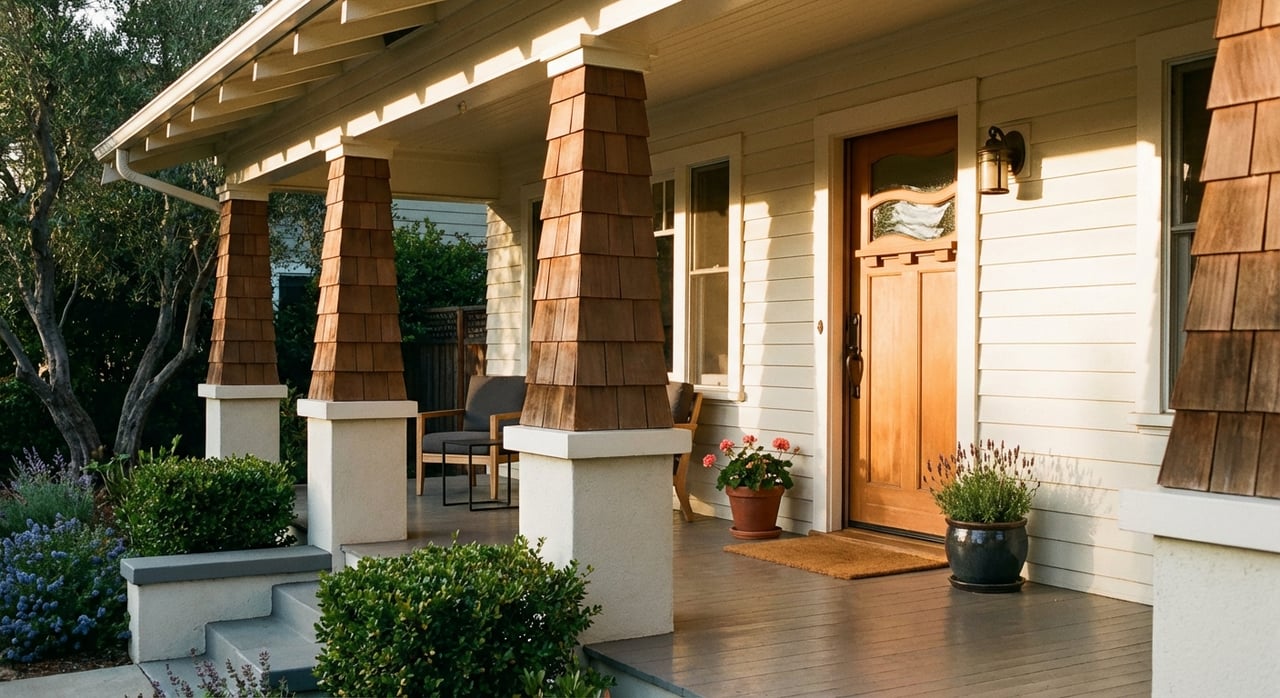
Bungalow Heaven’s early 20th-century Craftsman homes and historic overlays create a unique supply-and-demand balance. Buyers who value period character often compete for well-preserved or thoughtfully updated homes. Inventory can be tight because there is limited new supply and owners tend to hold onto special properties.
- What to expect: Higher median price per square foot relative to many non-historic pockets. List-to-sale ratios can edge to or above 100% for restored homes. DOM varies more for fixers or altered properties.
- Buyer tips: Budget for period-appropriate restoration and allow time for design review or permits. Compare price per square foot carefully because craftsmanship and authenticity can command a premium.
- Seller tips: If the home is restored and move-in ready, you can test stronger pricing, but price to create interest. Highlight period details and any permitted updates.
Linda Vista
Linda Vista offers a mix of smaller single-family homes and mid-century properties. It tends to appeal to value-focused buyers and investors. Supply can be more variable than in historic districts, which affects leverage.
- What to expect: Median prices and price per square foot often sit below historic and central neighborhoods. In cooling periods, list-to-sale ratios may slip under 100%, with room for negotiation. Well-priced updated homes can still move quickly.
- Buyer tips: In cooler windows, negotiate on condition and concessions. For properties needing work, factor in renovation scope and timing.
- Seller tips: Price strategically and address the most noticeable condition items. Updated, well-presented homes often see shorter DOM.
Madison Heights
Close to central Pasadena and Caltech, Madison Heights draws steady demand from buyers who value a central location. Inventory in desirable pockets can run lean, and well-positioned homes often see healthy activity.
- What to expect: Median prices typically trend higher than the broader city average. List-to-sale ratios can be competitive for move-in-ready homes. DOM is often moderate to quick when pricing is realistic.
- Buyer tips: Prepare for competition on turnkey listings. Have financing dialed in and be ready to act when the fit is right.
- Seller tips: Staging and spring or summer timing can amplify results. Focus on move-in readiness to capture buyers who want low-hassle transitions.
Other Pasadena pockets to watch
- Old Pasadena and Playhouse Village: Strong demand for condos and small homes near retail and transit. Walkability can support price premiums and faster turnover.
- East Pasadena, Hastings Ranch, and San Rafael: More suburban lot patterns can shift buyer priorities. Keep an eye on lot size and renovation level when comparing price per square foot.
- Near Metro L Line stops: Transit access can boost demand for condo and townhome product, with walkability premiums for dining and services.
How to read the trends
Tie the three core metrics together to understand leverage and timing.
When list-to-sale is over 100% and DOM is short
- What it means: Multiple offers and strong buyer competition. Inventory likely sits under 3 months.
- Buyer moves:
- Get pre-approval and proof of funds ready.
- Consider escalation language and limit non-essential contingencies.
- Offer strong earnest money and tight timelines if you can manage the risk.
- Seller moves:
- Price to attract interest, not to test the ceiling.
- Set clear offer timelines and concise response windows.
- Prepare disclosures and inspections up front to streamline the process.
When list-to-sale is about 98–100% and DOM is moderate
- What it means: A more balanced market. Price is important, but terms and condition often decide the winner.
- Buyer moves:
- Stay competitive on price and ask for reasonable concessions if inspections uncover issues.
- Be flexible on close dates to strengthen your offer.
- Seller moves:
- Price realistically and expect counteroffers.
- Consider targeted credits for repairs instead of heavy price cuts.
When list-to-sale is under 98% and DOM is over 30 days with 6+ months of supply
- What it means: Buyer leverage increases. Sellers often respond to price and concession requests.
- Buyer moves:
- Start below list when justified by comps and condition.
- Use inspection and appraisal findings to negotiate credits.
- Seller moves:
- Reassess price and focus on high-ROI improvements.
- Offer concessions like closing cost credits when appropriate.
Timing and seasonality
Pasadena follows a Southern California rhythm. Spring often sees more listings and more buyers, which can lift list-to-sale ratios and shorten DOM in competitive pockets. To confirm whether a shift is real, rely on rolling 6- to 12-month comparisons so you can separate seasonality from a true change in demand.
Use neighborhood data like a pro
You can make market noise work for you if you apply a simple playbook.
- Check multiple windows: Review 3-, 6-, and 12-month medians for price, DOM, and list-to-sale.
- Verify sample size: If there were fewer than about 10 sales in the period, treat the signal as directional, not definitive.
- Segment by property type: Compare like with like, such as single-family homes to single-family homes.
- Mind outliers: A high-end renovated estate can skew averages. Medians help, but also read notes on property condition.
- Pair numbers with context: Historic overlays, lot sizes, transit, and renovation quality often explain the “why” behind the metrics.
What buyers should do next
- Get pre-approved and set a firm budget, including room for competition in hot pockets.
- Define acceptable DOM and list-to-sale ranges for your target neighborhoods.
- Decide where you will flex: price, contingencies, or timing.
- For older or historic homes, budget for inspection follow-up and period-appropriate work.
- Ask for an MLS-backed neighborhood report with medians, sample sizes, and 3-, 6-, and 12-month windows.
What sellers should do next
- Request a neighborhood-level comparative market analysis with medians and sample sizes.
- Time your launch thoughtfully. Spring and early summer often bring more eyeballs.
- Prioritize prep that moves the needle: curb appeal, light-and-bright paint, minor repairs, and staging.
- Price to create interest in week one. A strong first weekend can set the tone for offers.
- Be ready with disclosures and a clear plan for showings and offer review.
Why this approach works in Pasadena
Neighborhood nuance matters. Even when Pasadena as a whole looks balanced, historic districts or central pockets can remain competitive. On the flip side, more suburban areas may offer better negotiation room at the same time. Tracking list-to-sale ratio, DOM, and inventory together helps you decide when to move quickly, when to negotiate, and when to wait for more selection.
Get a neighborhood-first perspective
If you want numbers that match your exact block, ask for an MLS-backed micro-market report with clear time windows and sample sizes. You’ll get plain-English guidance on how to use that data to set price, prepare your home, or structure a winning offer. When condition and renovation questions come up, practical construction insight can save you time and money.
Ready to zero in on your Pasadena micro-market? Connect with Joe Kaplan for neighborhood-specific data, strategy, and a clear plan to move forward.
FAQs
How different are Pasadena micro-markets within the same city?
- Differences can be significant. Pricing, pace, and inventory often vary between historic districts, central neighborhoods, and more suburban pockets. Compare neighborhood medians and note sample sizes.
Are online home value estimates reliable for Pasadena’s historic homes?
- They can be a starting point, but unique or historic properties often deviate from automated models. Confirm with MLS data and a neighborhood-level comparative analysis.
When can I trust a trend instead of short-term noise in Pasadena data?
- Look for consistent movement over 6–12 months, supported by multiple indicators like median price, DOM, and months of supply, with enough closed sales to matter.
How should buyers handle potential appraisal gaps in competitive Pasadena neighborhoods?
- Consider larger down payments, appraisal gap language, or negotiating a price adjustment if the appraisal comes in low. Coordinate closely with your agent and lender.
What makes price per square foot tricky in Pasadena?
- Lot size, renovation quality, historic features, and location can swing price per square foot. Compare similar property types and rely on medians within the same micro-market.