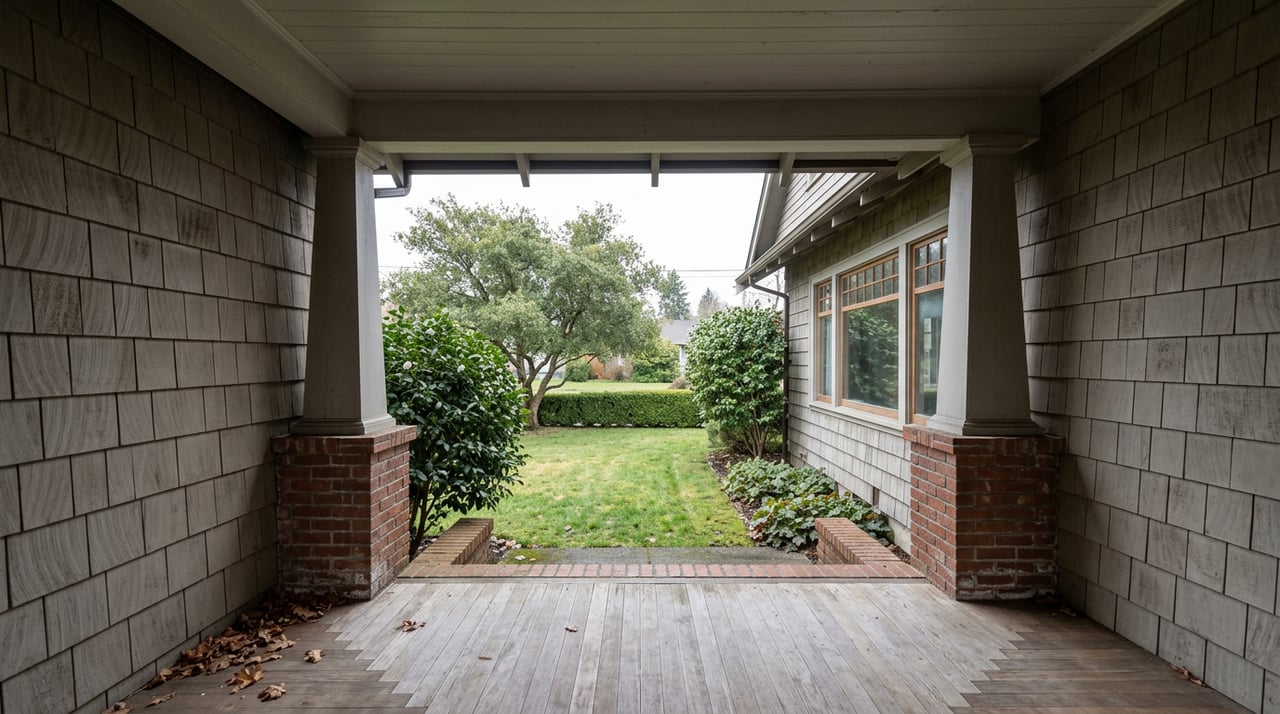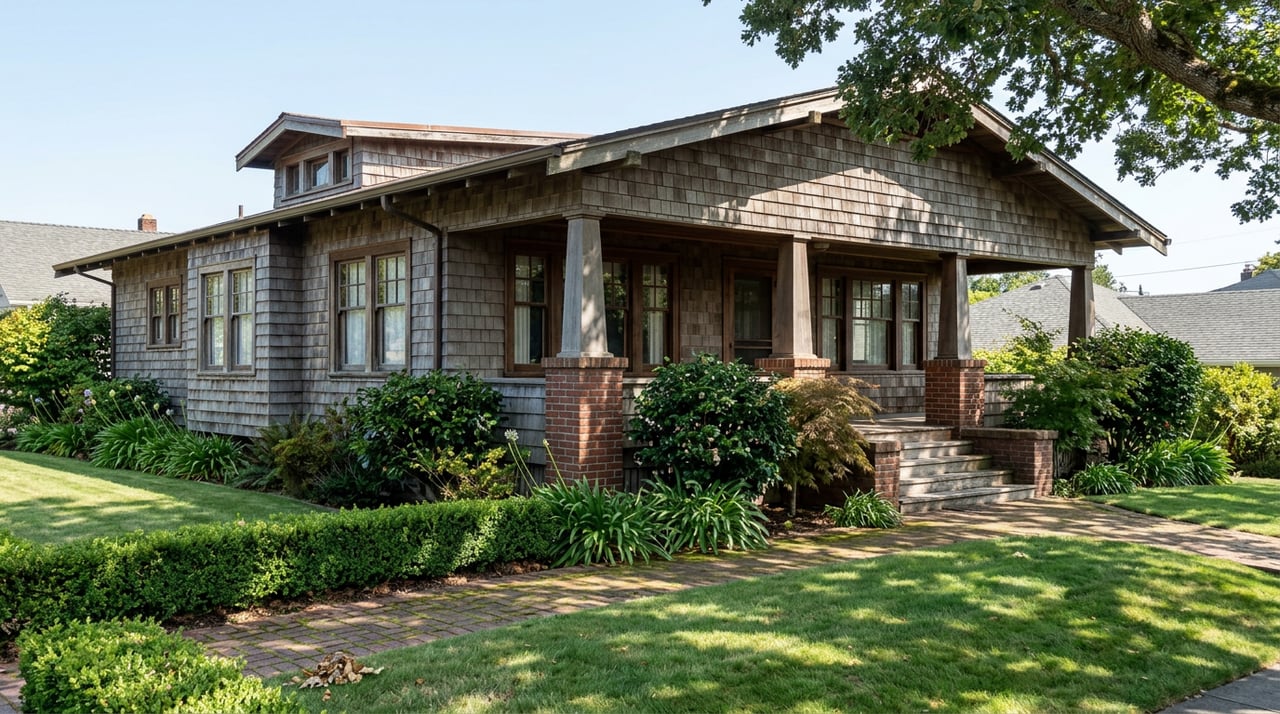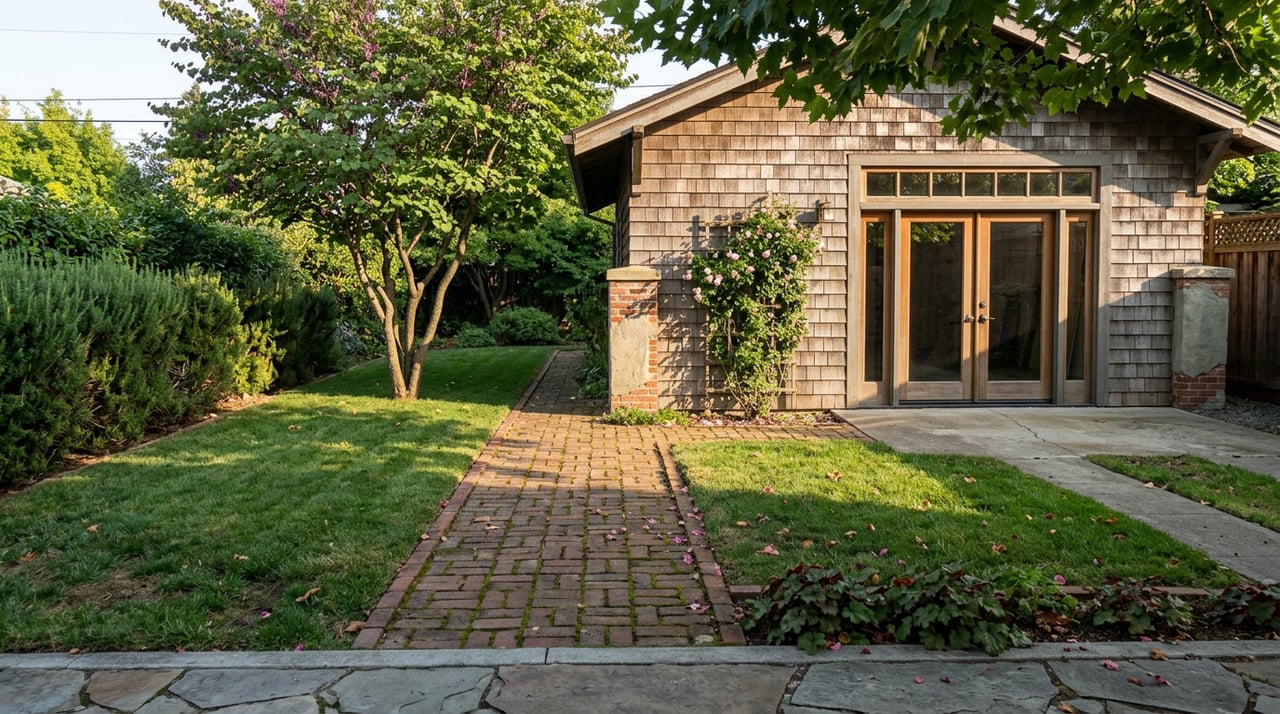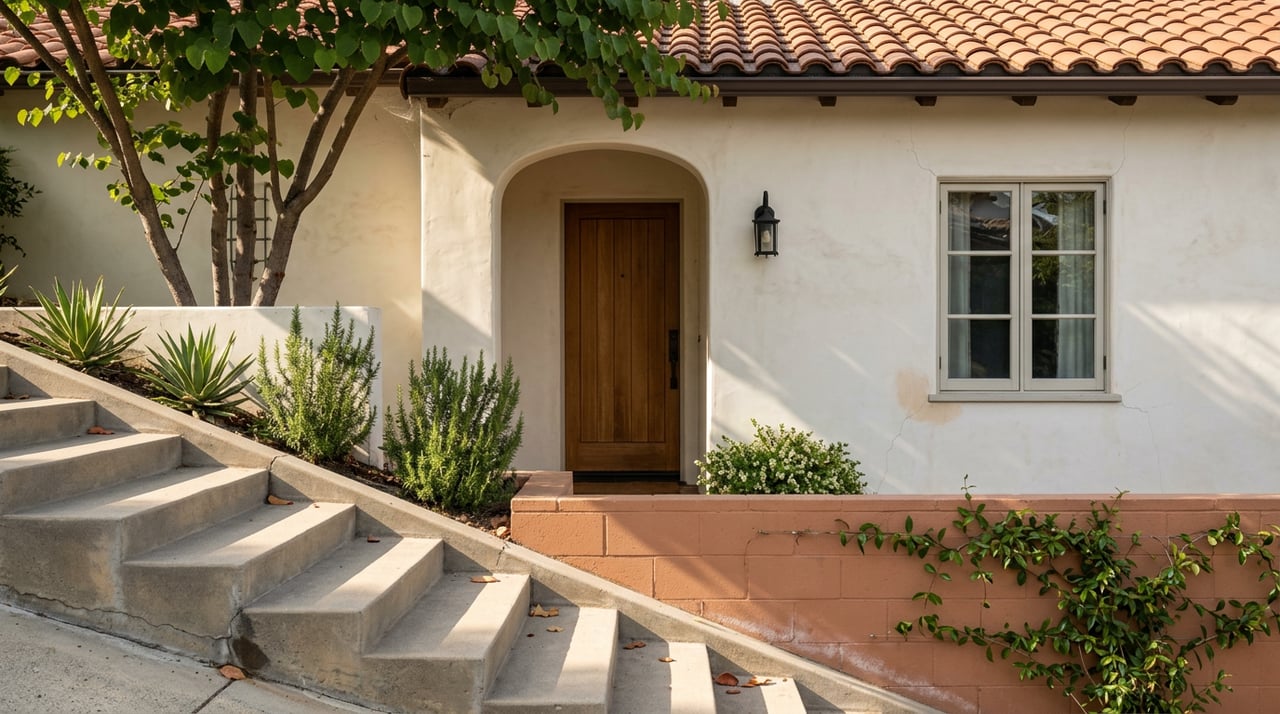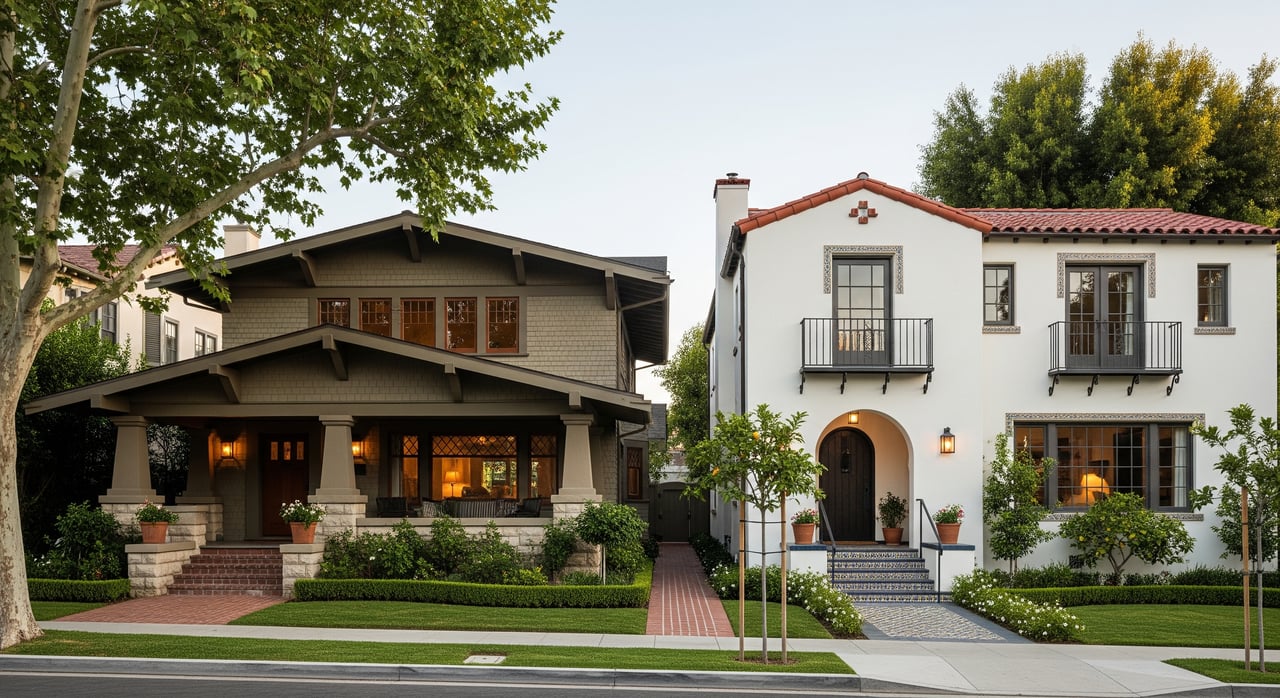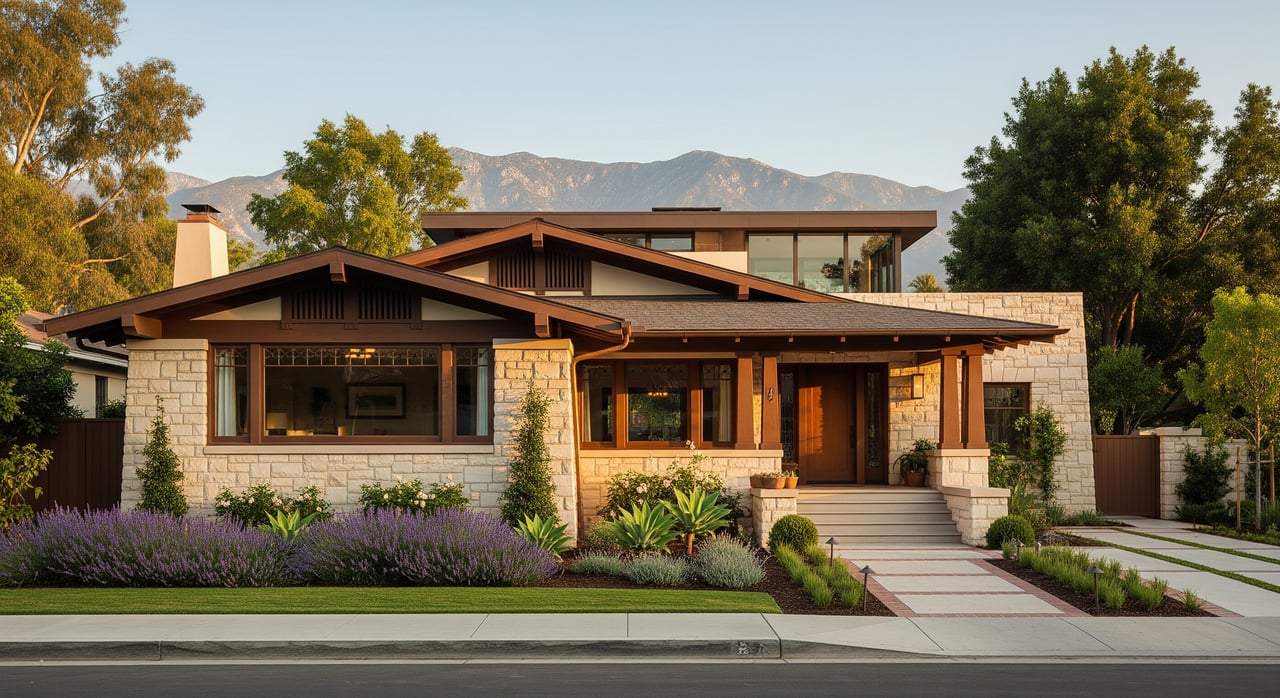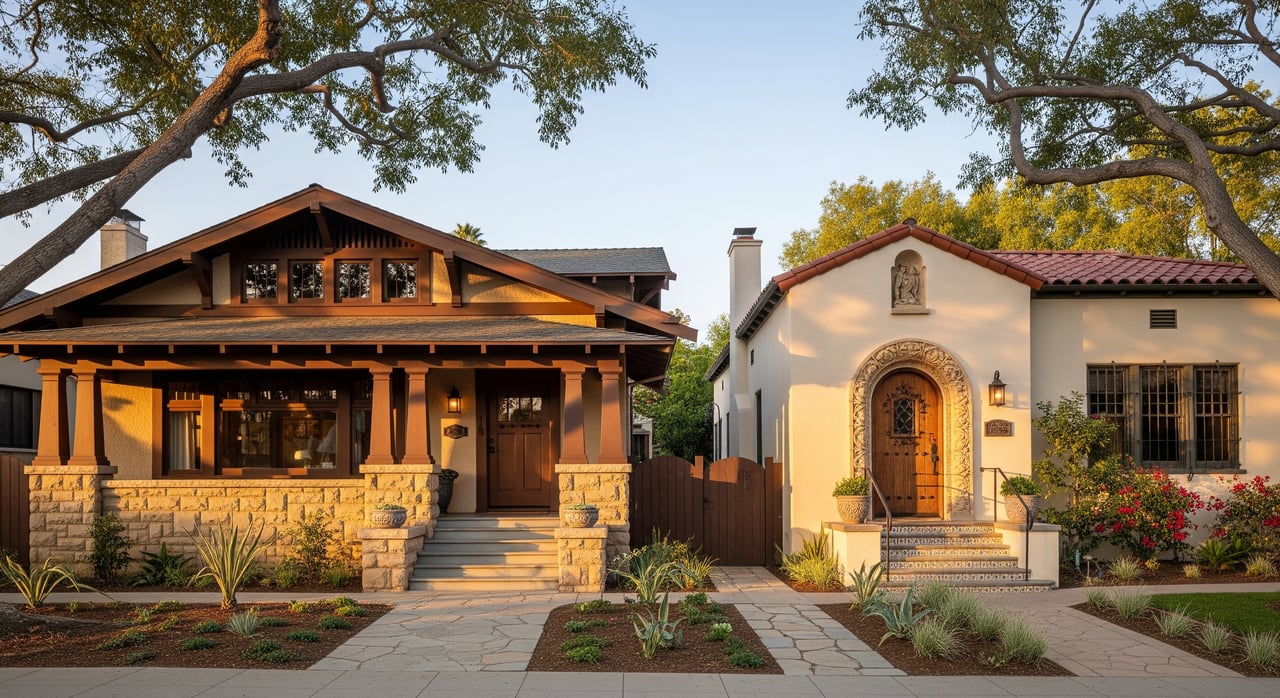
Thinking about selling your Pasadena Craftsman? You probably want to protect the charm that drew you in while still getting top dollar. The good news is you can do both with a smart plan that respects the house and speaks to the right buyers. In this guide, you’ll learn exactly how to prep a period home, what to fix or refresh, how Pasadena’s review rules work, and how to price a restored, updated, or heavily remodeled Craftsman with confidence. Let’s dive in.
Pasadena market at a glance
Typical Pasadena home values have been hovering in the roughly $1.17M to $1.20M range, with a recent median sale price near $1,195,000 and a market tempo around the mid‑60s days on market. You can track the latest stats on the Pasadena housing market overview.
Inventory and demand vary by neighborhood and price band. In historic pockets like Bungalow Heaven, Garfield Heights, and areas with Greene and Greene influence, buyers often respond strongly to authentic period details. That is why your prep and pricing should line up with the type of buyer you want to attract.
First fix safety and systems
Start with a pre‑listing home inspection so you are not surprised later. A licensed inspector will evaluate roof condition, foundation movement, pest activity, older wiring types, panel capacity, plumbing materials, and aging HVAC. Here is a helpful overview of what an inspector covers from AmeriSave’s home inspection guide.
- Prioritize safety and major systems first. Budget and timeline should reflect these items as must‑do work.
- If you correct issues, use permits and keep documentation. If you choose not to correct, disclose them and price accordingly.
- Keep receipts and permit records. Buyers and appraisers weigh permitted, documented updates more favorably.
Protect the character that sells
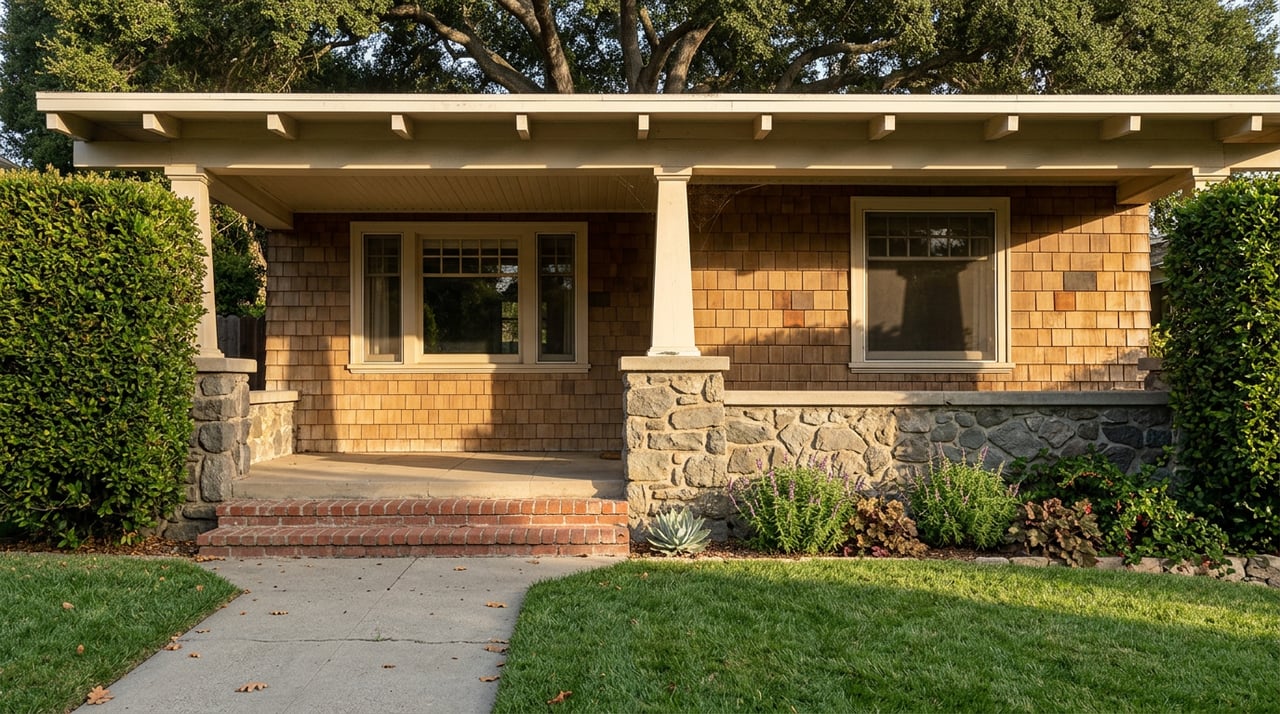
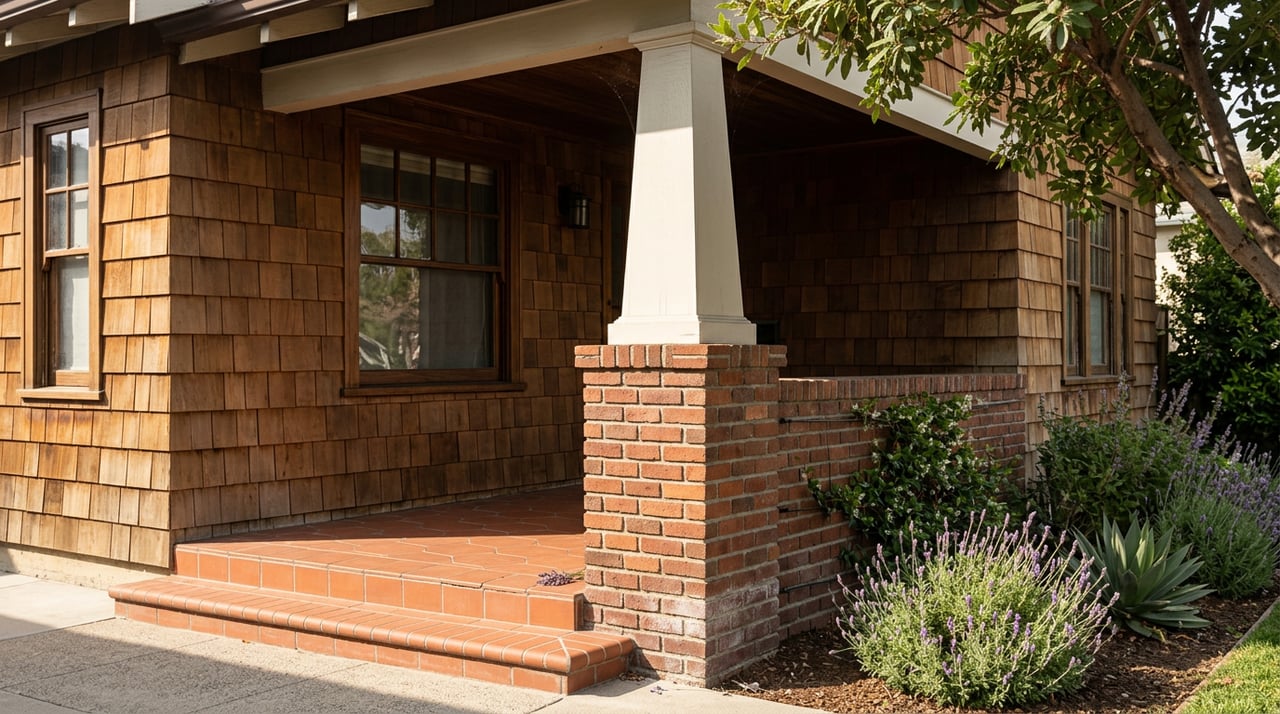
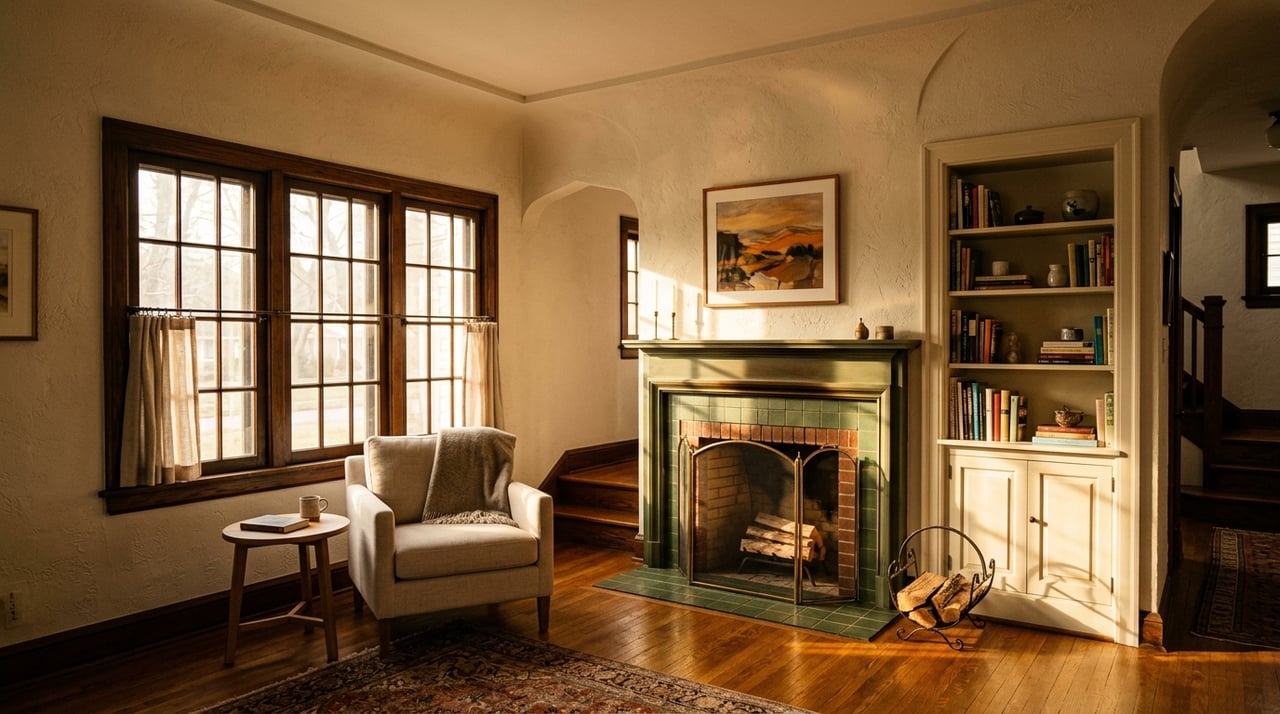
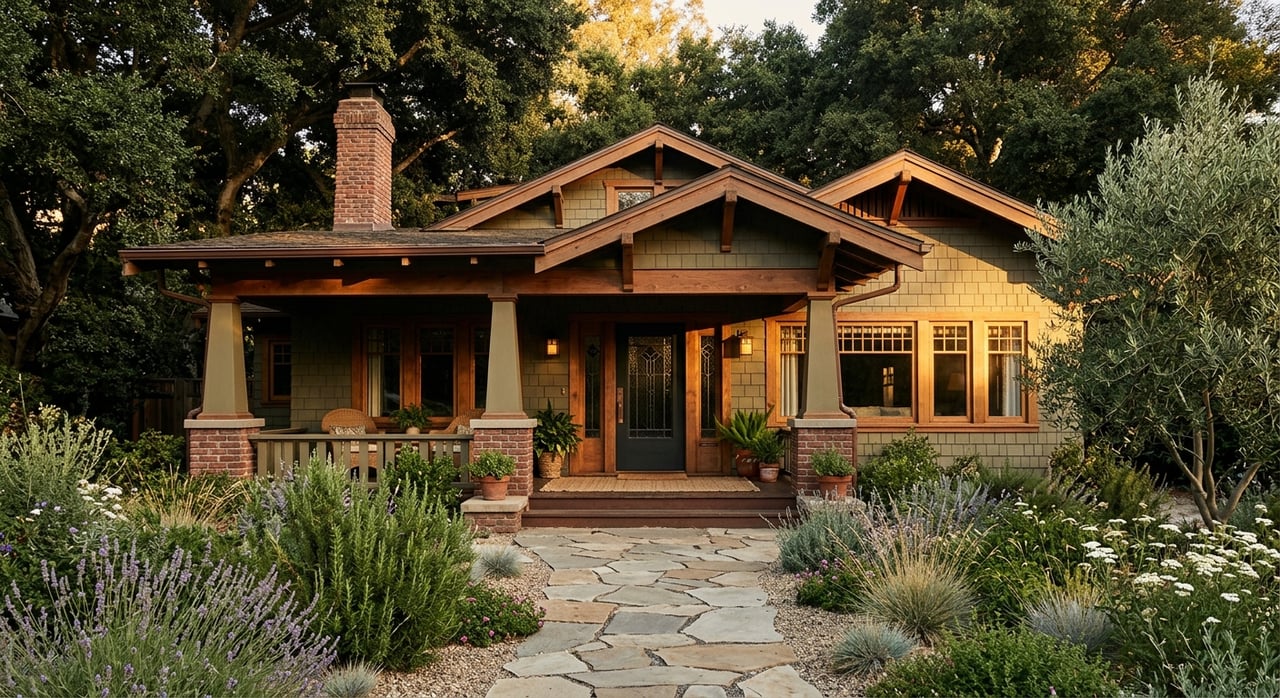
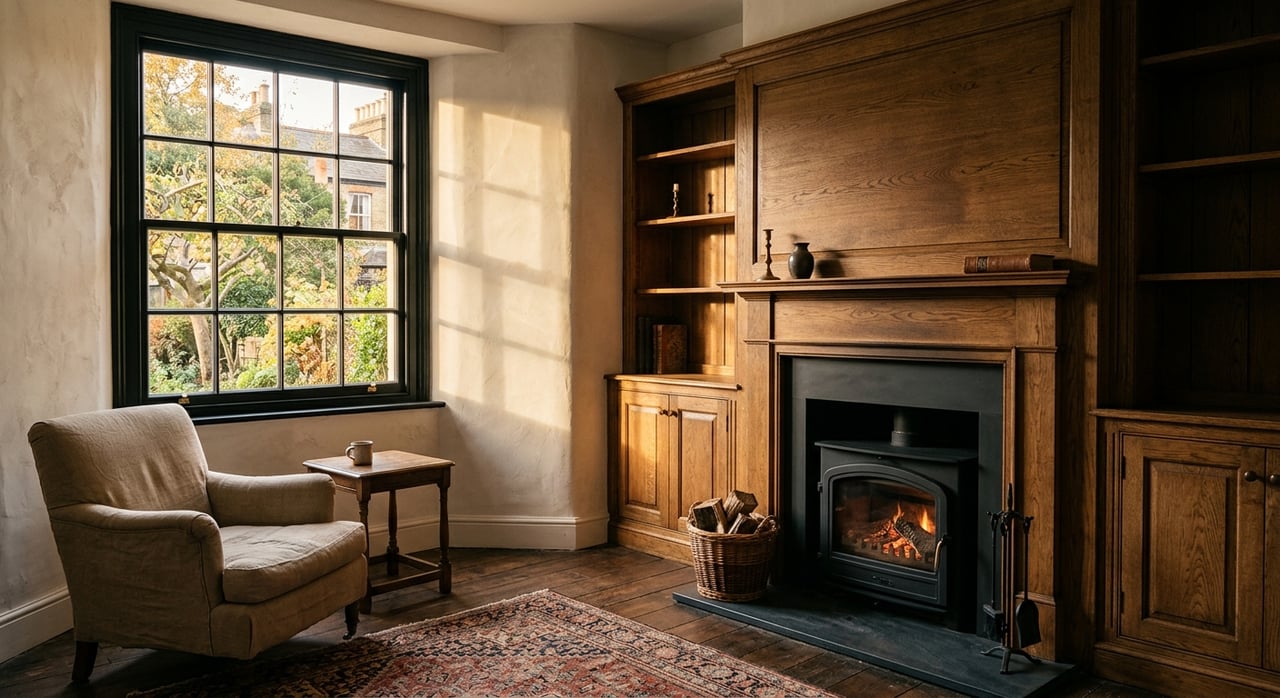
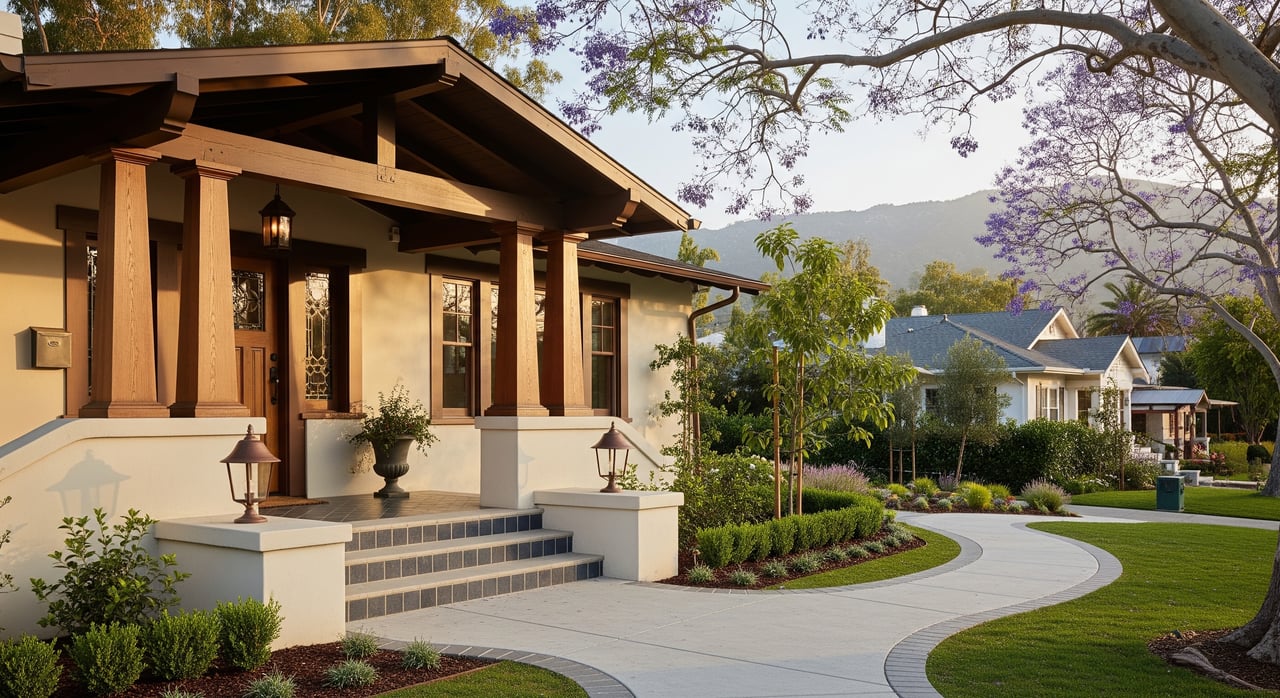
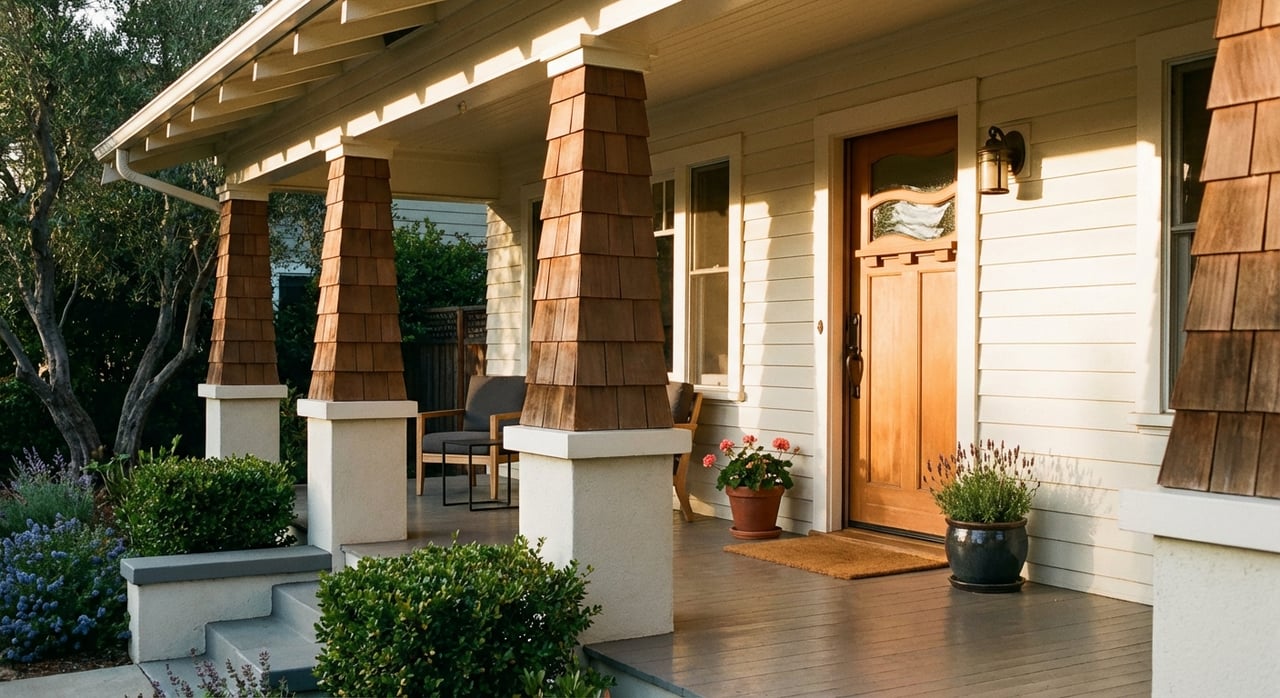
The features buyers come for in a Craftsman are often the built‑ins, original woodwork, stained glass, tile, and porch presence. When possible, repair and refinish rather than replace. The National Park Service recommends repair of original materials and the use of sensitive energy upgrades like weather‑stripping, attic insulation, and interior storms for windows. You can find practical, preservation‑friendly guidance in the NPS resource on sustainability and historic buildings.
Focus on:
- Refinishing original hardwood floors instead of replacing.
- Repairing wood trim, built‑ins, mantels, and hardware.
- Restoring original tile and fireplaces when feasible.
These details often create perceived value that plain cosmetic makeovers cannot match.
High‑impact updates with real ROI
Not every project pays back equally, especially if you plan to sell soon. Remodeling data show that minor and midrange interior refreshes often recoup a higher share of cost than full luxury overhauls. Review the latest benchmarks in the 2025 Cost vs Value Report to help set expectations.
Smart seller moves typically include:
- Fresh, neutral paint. Clean lines help the woodwork shine.
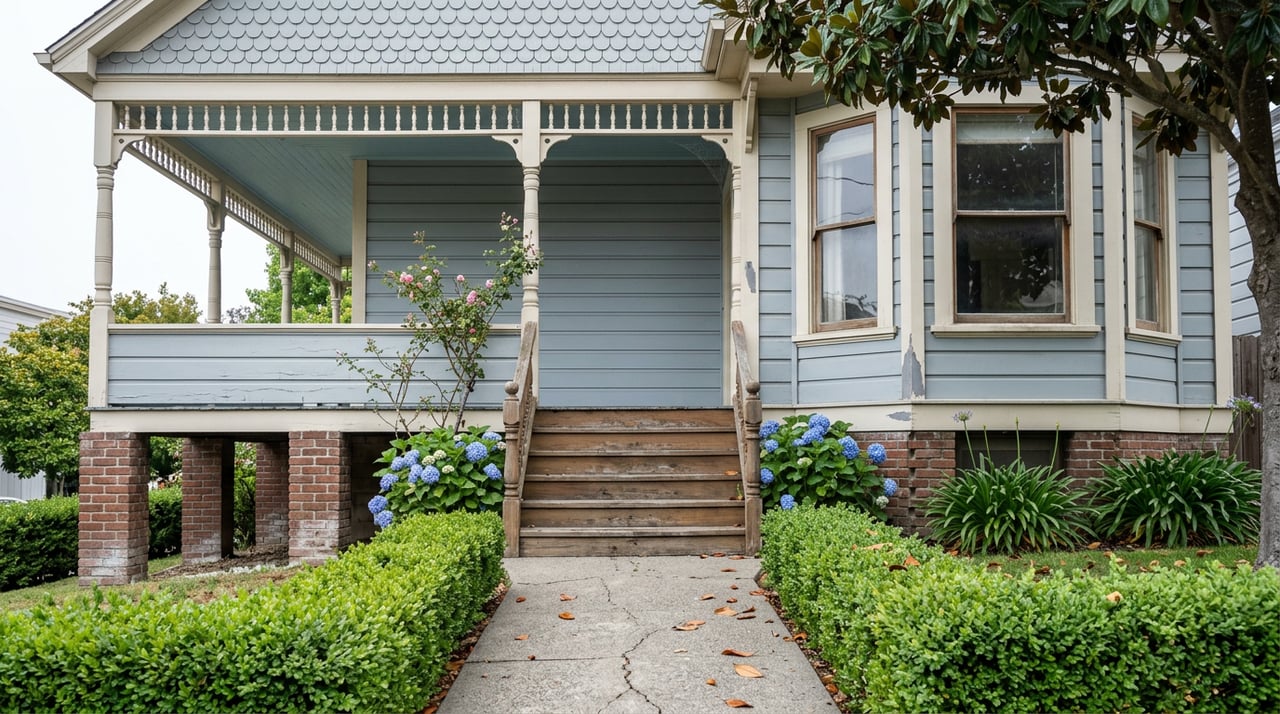
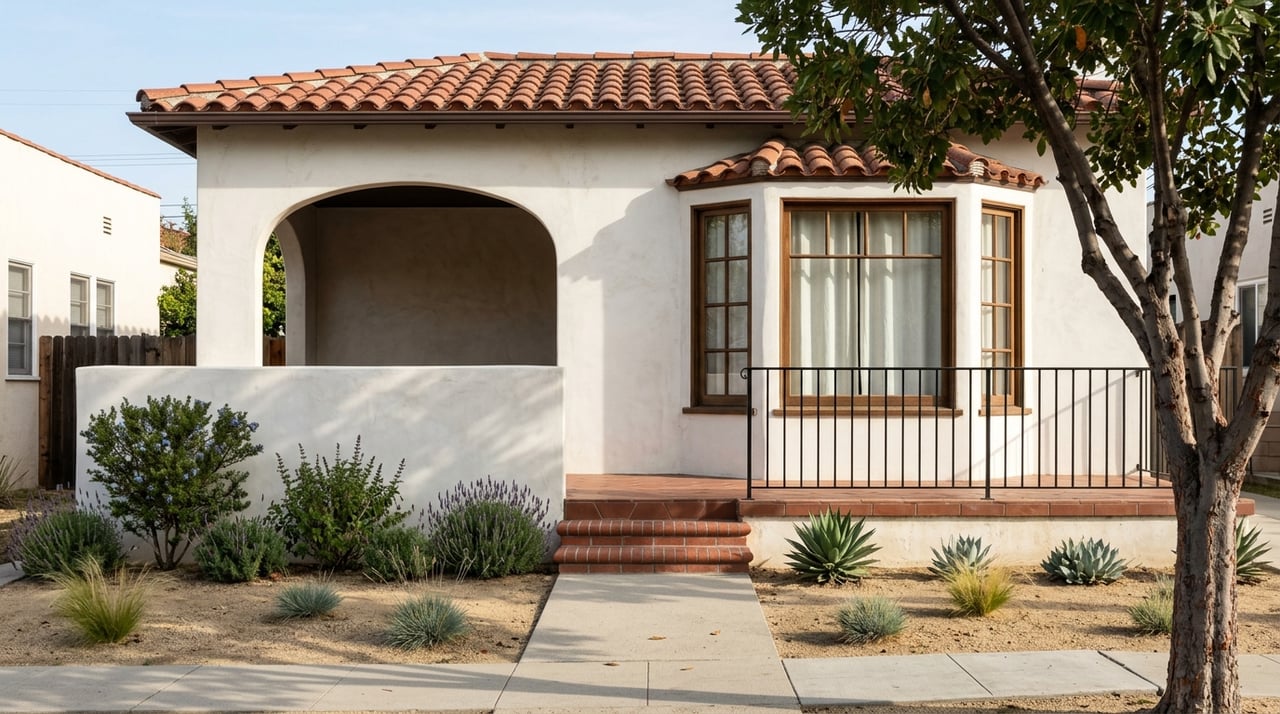
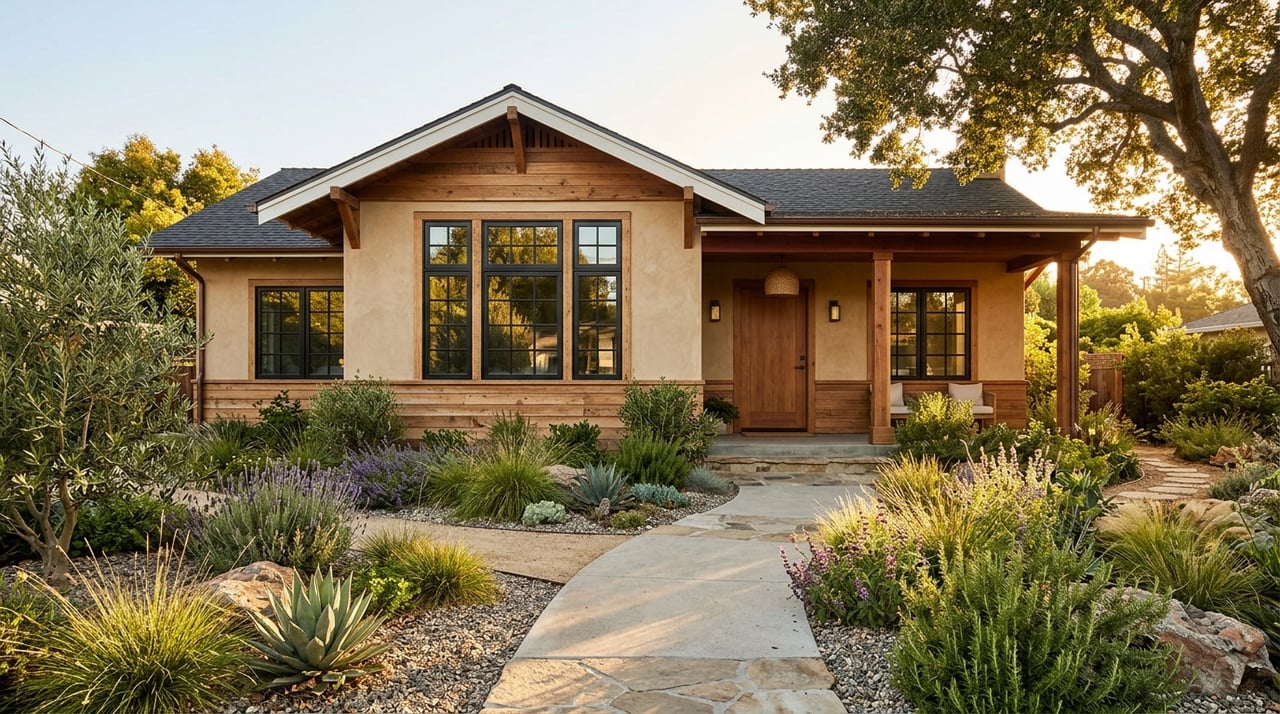
- Curb appeal tune‑ups. Repair porches and steps, tidy landscaping, clear sightlines to the front door and porch.
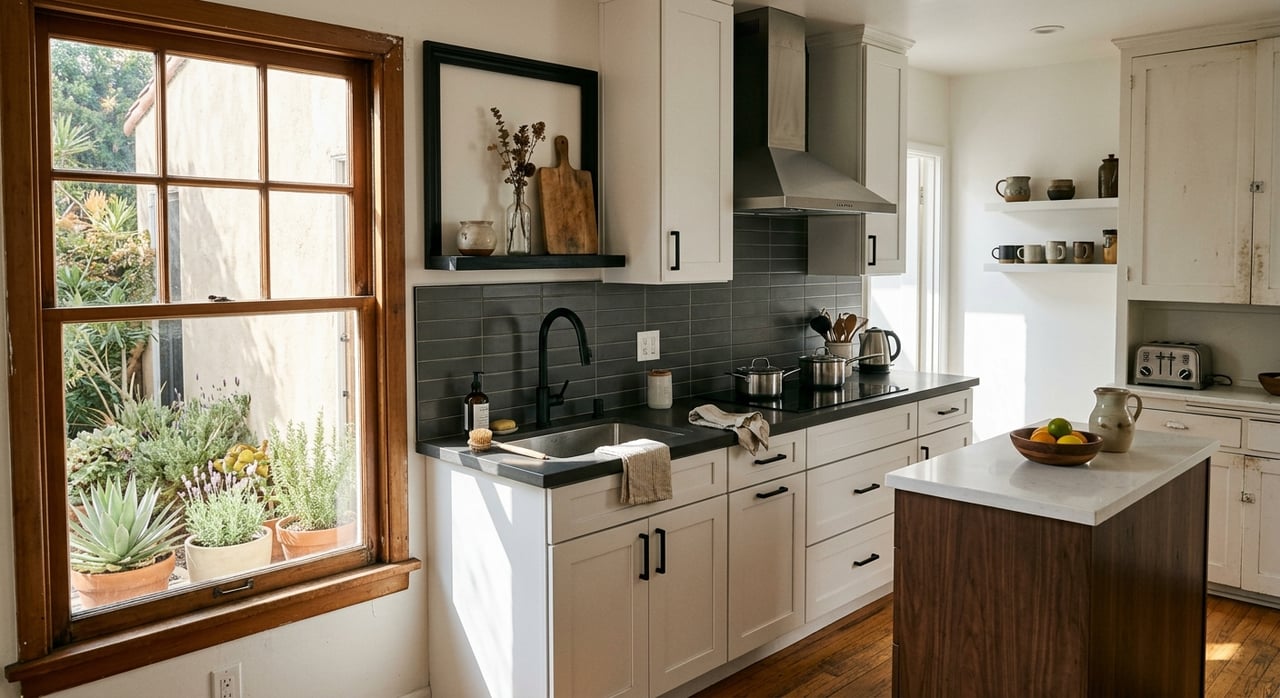
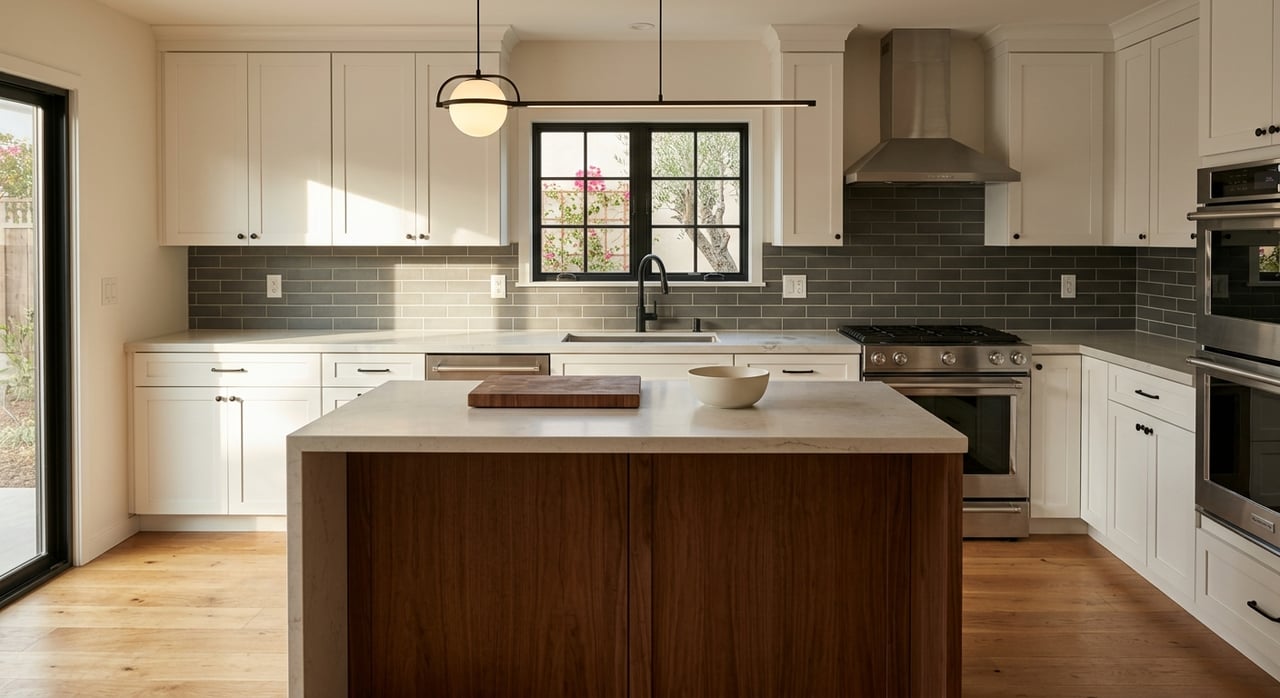
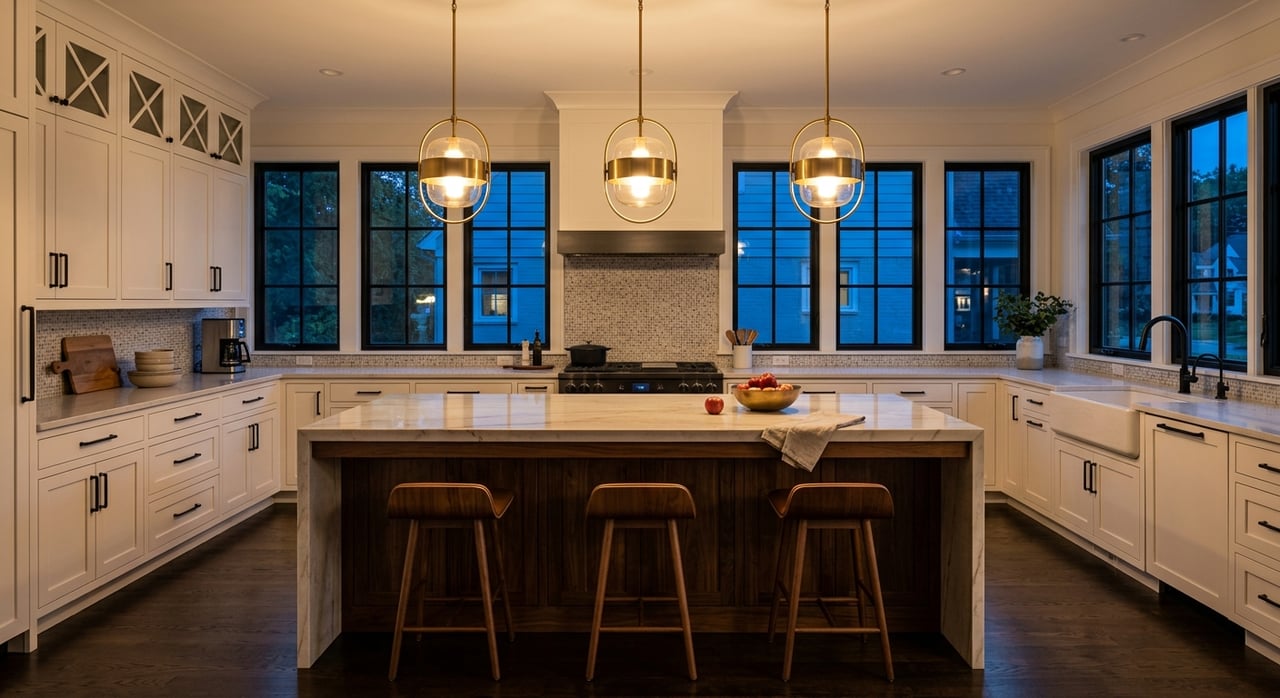
- Minor kitchen refresh. Update hardware, counters, lighting, and appliances instead of a full gut.
- Bath refresh. Reglaze or regrout, swap fixtures, and add better lighting.
- Floor refinishing. Warm wood floors pair well with Craftsman millwork.
Staging and photography are low‑cost, high‑impact. Industry surveys show staging can reduce time on market and lift offers. See the latest summary in this NAR home staging report highlight.
Permits and historic review in Pasadena
If your home is in a designated historic district or is a landmark, exterior changes visible from the street often require a Certificate of Appropriateness before you can pull a building permit. City staff note that review time can add roughly two months before permit issuance, depending on scope. If you plan visible exterior work, contact the City’s Design & Historic Preservation team early. Start with the City’s page on historic preservation incentives and COA guidance.
If your property has a Mills Act Historic Property Contract, that is a selling point. It can lower property taxes in exchange for preservation obligations. Gather your contract and maintenance records and include them in your buyer packet. Learn more on the City’s Mills Act program page.
Stage and photograph to spotlight detail
Make original character easy to see in photos and in person. A few practical tips:
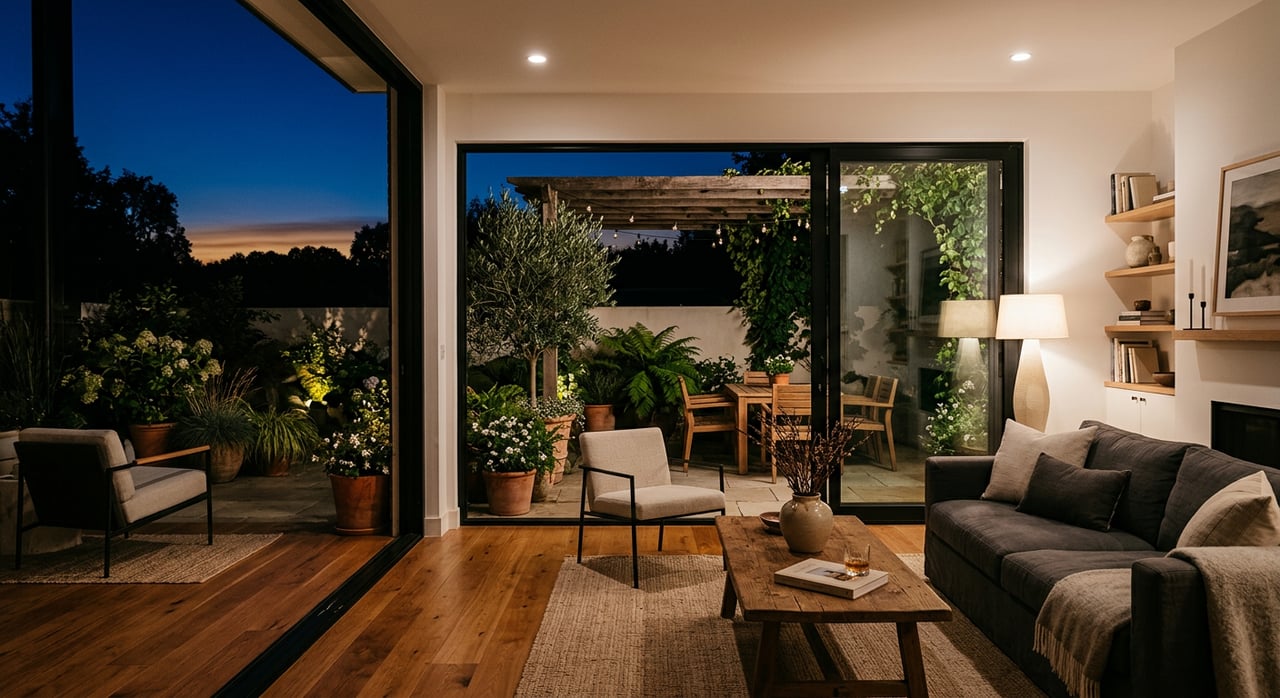
- Emphasize, do not hide. Arrange furniture and lighting to frame built‑ins, wood trim, Batchelder‑style tile, and fireplace hearths.
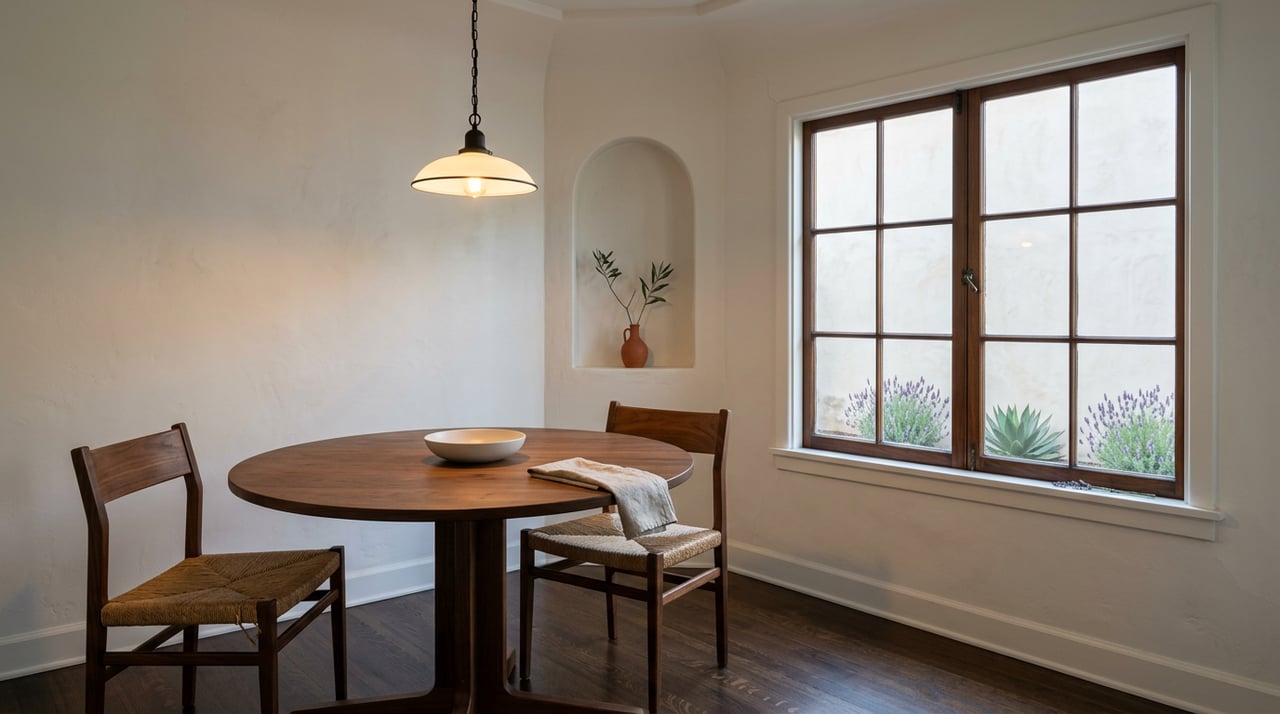
- Keep the palette neutral and warm. Let the woodwork read as the star.
- Prioritize the living room, kitchen, and primary bedroom for staging. Those rooms sway buyers most.
For visuals, hire an experienced real estate photographer and request:
- Wide shots to show flow and scale.
- Detail images of trim, stained glass, tile, and hardware.
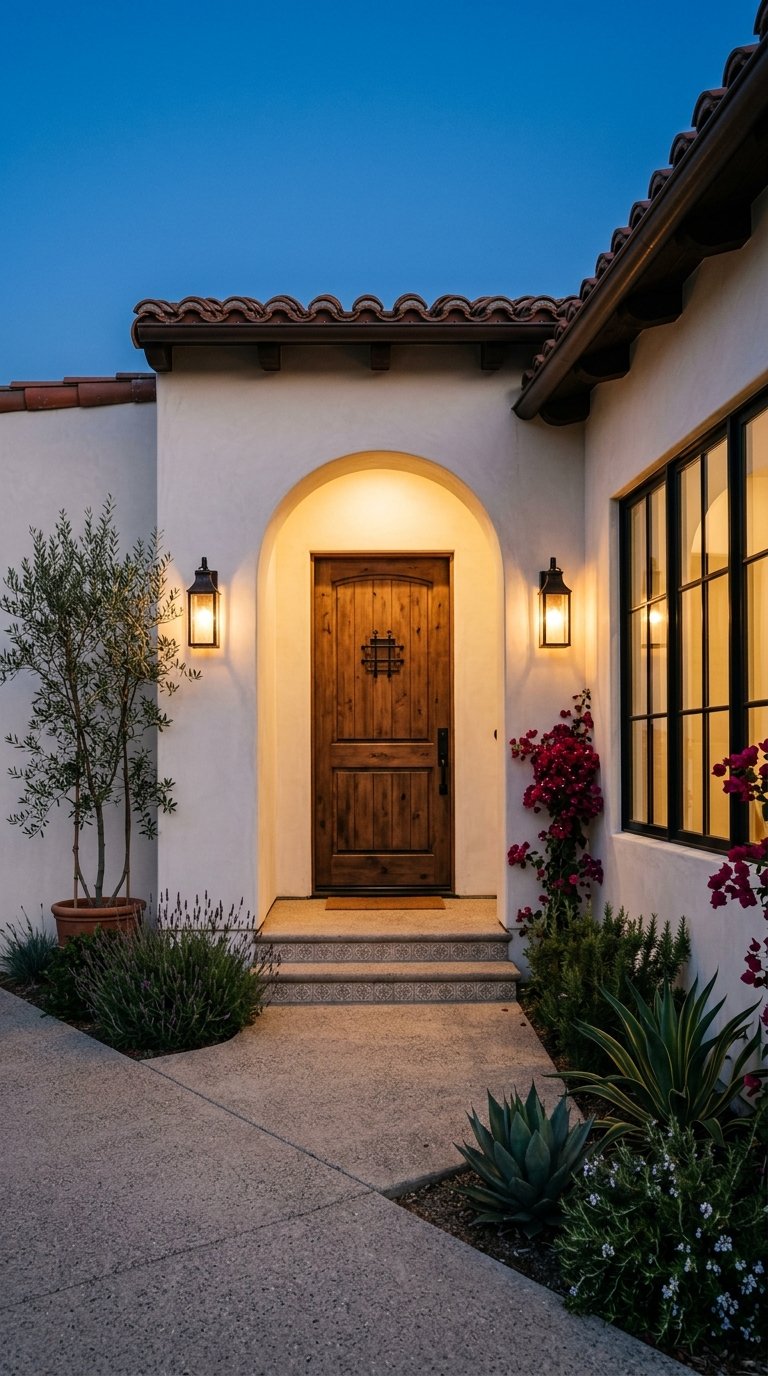
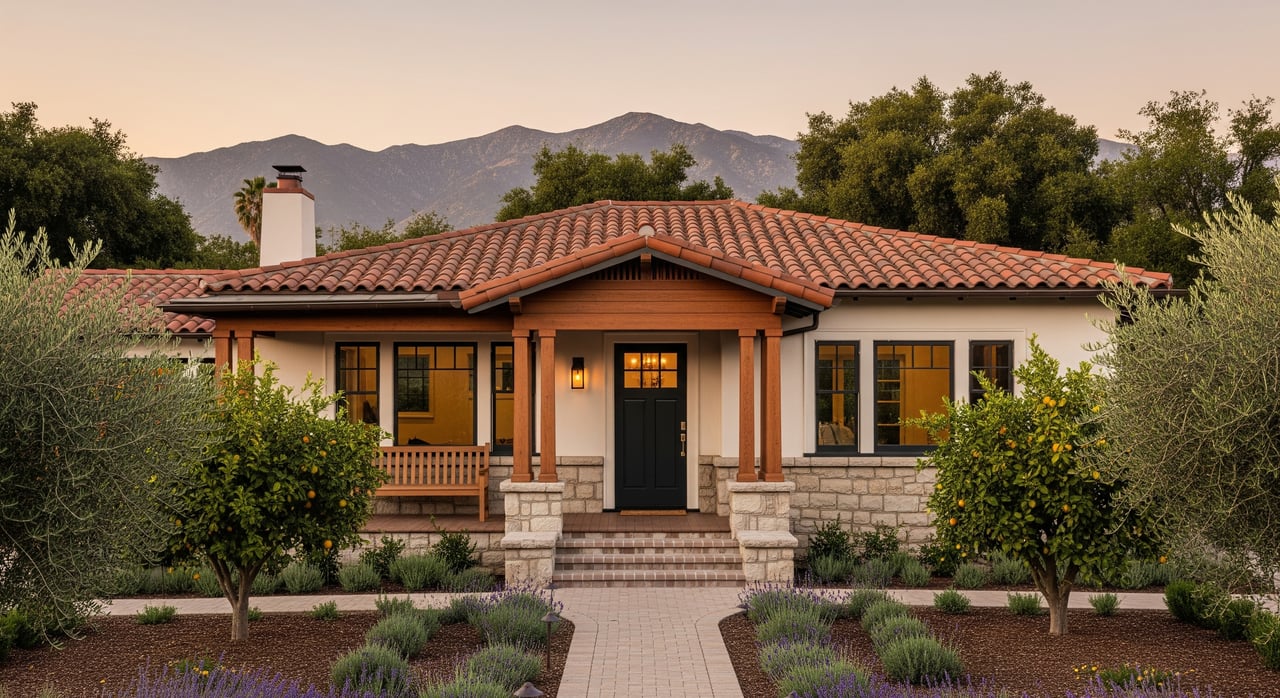
- Twilight exterior photos for curb appeal.
- Optional video or 3D tour if the layout and lot benefit from an immersive feel.
Professional photos increase listing views and often reduce days on market. See a useful summary of those effects in Redfin’s photography analysis.
Pro move: build a concise, downloadable buyer packet that documents your restorations, permits, materials used, and any Mills Act or landmark records. It helps buyers and supports the appraisal.
Price your Craftsman with precision
How appraisers look at value
Appraisers rely on the sales‑comparison approach for typical residential properties. They choose nearby comparables that best match the subject and adjust for differences based on market reaction. When a home is unique, they still select the best available sales and explain their choices. Permitted system upgrades and documented maintenance are positive signals, while non‑permitted work can trigger conditions. For details, see Fannie Mae’s guidance on adjustments to comparable sales.
Restored vs updated vs heavily remodeled
Restored. You have conserved original materials and visual character, with modernized systems where needed. In neighborhoods where historic character drives demand, a well‑documented restoration can attract a preservation‑minded buyer pool and sometimes support a premium. Use before‑and‑after documentation and permit records to validate the work.
Updated. You have added modern finishes in kitchens and baths while keeping the fabric mostly intact. This often improves marketability, and you can price using comps with similar, tasteful midrange updates. Cost vs Value data suggest minor and midrange projects often recoup well relative to big luxury remodels.
Heavily remodeled. Large additions or major layout changes can price you outside the core of the neighborhood. Appraisers will look for larger, similarly improved nearby sales to support your price. If those are scarce, consider conservative pricing and prepare for a longer market time while you find the right buyer.
Practical pricing tactics
- Build a neighborhood‑level CMA grouped by condition: original, restored, updated, heavily remodeled. Weight the most recent and most similar sales.
- For restored homes, include restoration documentation and maintenance records in the listing package, and request that the appraiser review similarly restored comps when available.
- For heavily remodeled homes, consider a pre‑listing appraisal and be ready to justify your number with strong photos, detailed documentation, and realistic timing.
Timeline and checklist
A simple pre‑listing timeline
Week 1–2: Order a pre‑listing inspection, gather bids, and schedule essential repairs. If exterior work is visible from the street and your home is subject to historic review, start the COA process early through the City’s historic preservation incentives and COA page.
Week 2–6: Complete priority system repairs and high‑impact cosmetic work like paint, floors, and minor kitchen or bath refreshes. Use the Cost vs Value benchmarks to guide scope.
Week 6–7: Stage key rooms, then schedule professional photography and any video or 3D tour. This NAR staging report highlight shows why it matters.
Launch: Go live with 20–25 high‑quality photos, clear copy that calls out original details, and a downloadable packet of permits and restoration records.
A seller’s short checklist
- Pre‑listing inspection and written estimates for major items. Use this home inspection guide as a reference.
- Address safety issues first. Document any permitted repairs.
- Repair roof and porch components; treat any termite issues.
- Repaint inside and out with neutral colors; refinish hardwood floors.
- Do a minor kitchen and bath refresh guided by Cost vs Value data.
- Stage the living room, kitchen, and primary bedroom; confirm the plan with this NAR staging summary.
- Order professional photos, including detail and twilight shots, as shown in Redfin’s photography analysis.
- Assemble a preservation and permit packet. Include any Mills Act records from the City’s program page.
Ballpark budgets to plan for
- Staging: Many sellers spend in the low thousands depending on scope. National survey data show staging often reduces time on market and can lift sale price. See the NAR staging report highlight for context.
- Photography: Expect a few hundred dollars for a professional photo package depending on add‑ons like drone or twilight.
- Minor kitchen refresh: A midrange or minor remodel often recoups a strong share of cost compared with a full gut. Check the 2025 Cost vs Value Report for national and Los Angeles‑area figures.
Local resources
- City of Pasadena — Historic preservation incentives and COA guidance: Planning Division page
- City of Pasadena — Mills Act Historic Property Contract: Program overview
- Pasadena Heritage — Preservation resources and referrals: Referral list
- Fannie Mae Selling Guide — Appraisal adjustments: Comparable sales adjustments
- National Park Service — Sustainability and historic fabric: Historic buildings guidance
Ready to sell your Craftsman?
You do not have to choose between authenticity and a strong sale. With smart prep, clear documentation, and targeted marketing, you can protect what makes your home special and still hit your goals. If you want a hands‑on plan tailored to your block and your house, reach out to Joe Kaplan. Let’s connect and map the best path from listing day to closing.
FAQs
What should I fix first when selling a Pasadena Craftsman?
- Start with safety and systems: electrical hazards, active leaks, roof or porch issues, termite activity, and aging HVAC. Get a pre‑listing inspection and document any permitted repairs.
Do I need city approval to change my Craftsman’s exterior?
- If your home is a designated landmark or in a historic district, exterior changes visible from the street usually need a Certificate of Appropriateness before permits. Contact the City’s Design & Historic Preservation staff early.
Will restoring original windows hurt energy performance?
- Not necessarily. The National Park Service recommends repair plus strategies like weather‑stripping and interior storms, which can improve efficiency while preserving original character.
Is a full kitchen remodel worth it before listing?
- Often no. Minor or midrange kitchen updates tend to recoup more of their cost than full luxury gut jobs. Use Cost vs Value data to guide your scope and avoid over‑improvement.
How should I price a heavily remodeled Craftsman?
- Price against nearby sales with similar size and finish. If those comps are scarce, consider a pre‑listing appraisal, prepare strong documentation, and set realistic expectations on days on market.