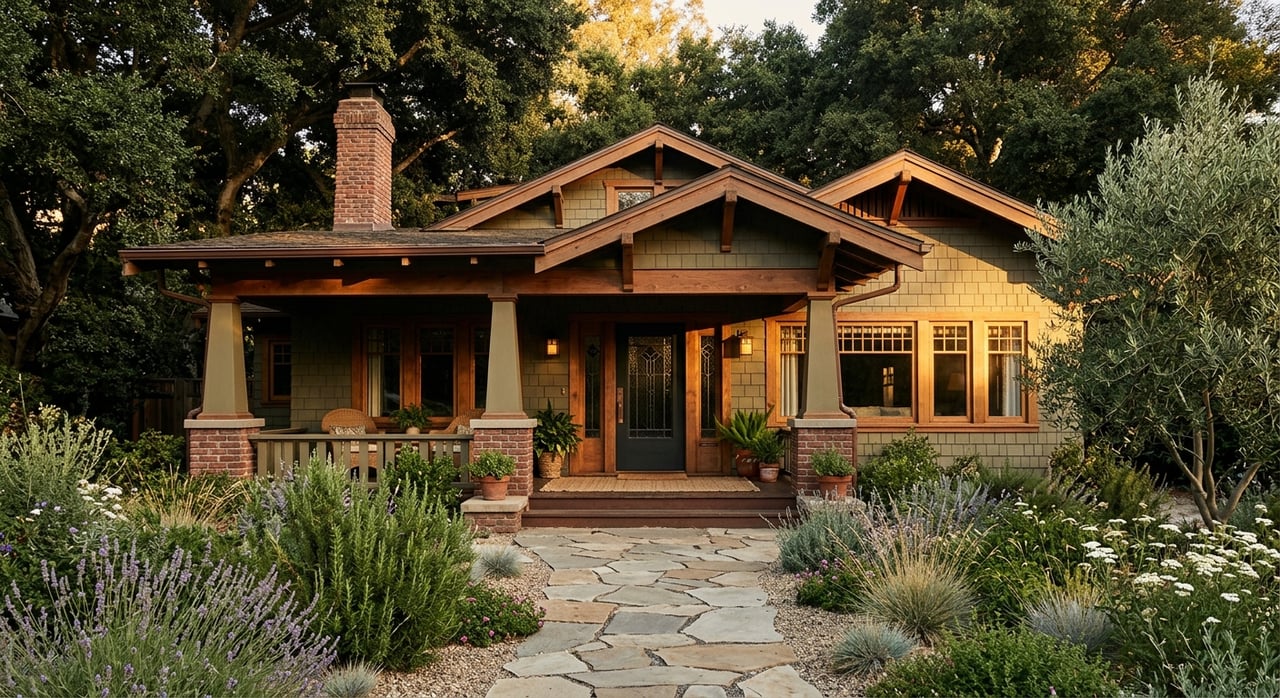
Looking for a historic home in Pasadena? You are not alone. Buyers are drawn here for the character, craftsmanship, and sense of place that newer housing often cannot match. The good news is that Pasadena gives you plenty of options, but the search works best when you know which pockets match your style and what historic status can mean before you write an offer. Let’s dive in.
How Pasadena’s historic homes are organized
Pasadena is not a one-neighborhood historic market. According to the city, Pasadena has more than 200 officially designated individual historic sites and 26 historic neighborhoods, shaped by growth that accelerated in the late 1800s and early 1900s.
That matters because your search will usually be more successful if you focus on historic clusters rather than hunting for one giant citywide district. In practical terms, that means narrowing your search by architectural style, block pattern, and preservation rules, then matching those with the kind of house and upkeep you want.
Start with your architectural style
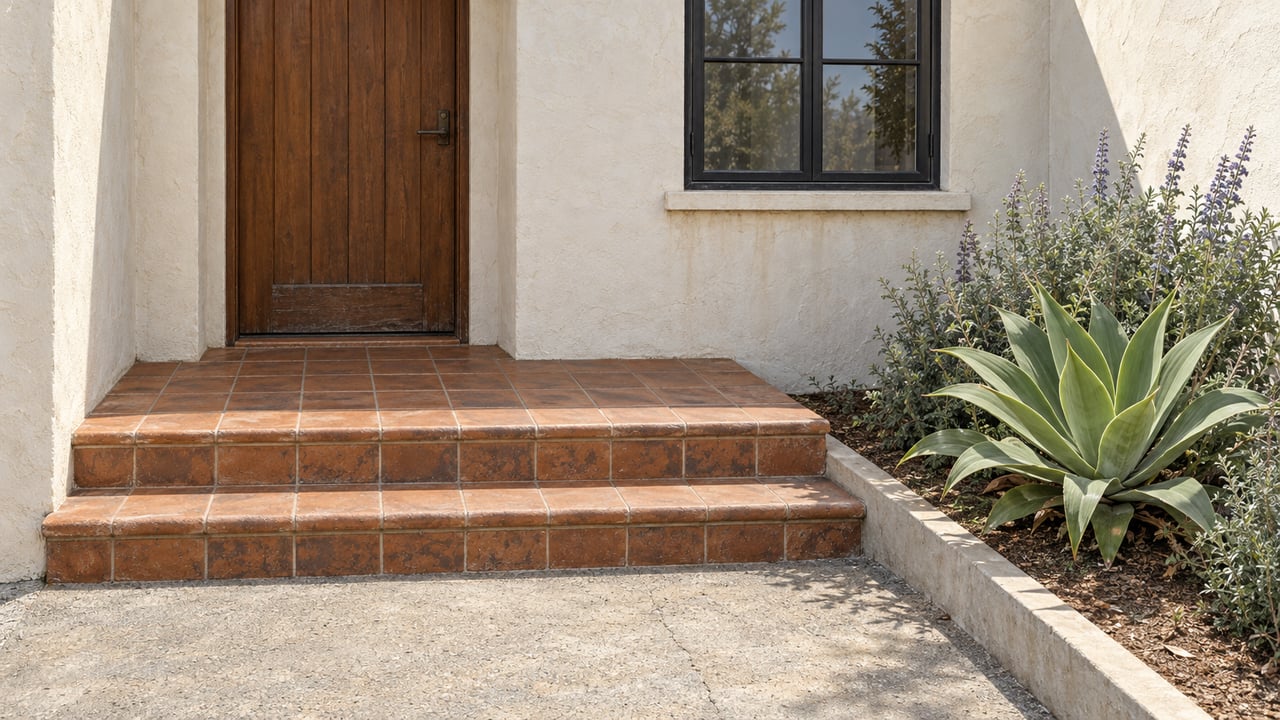
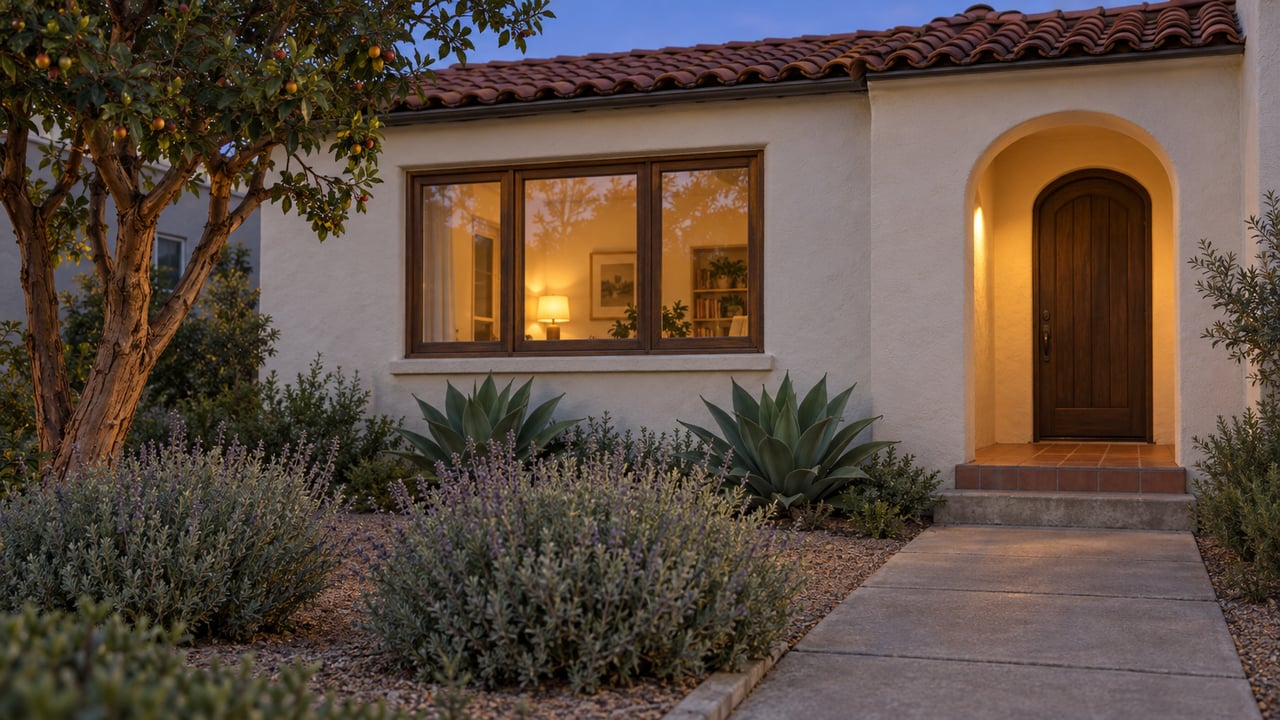
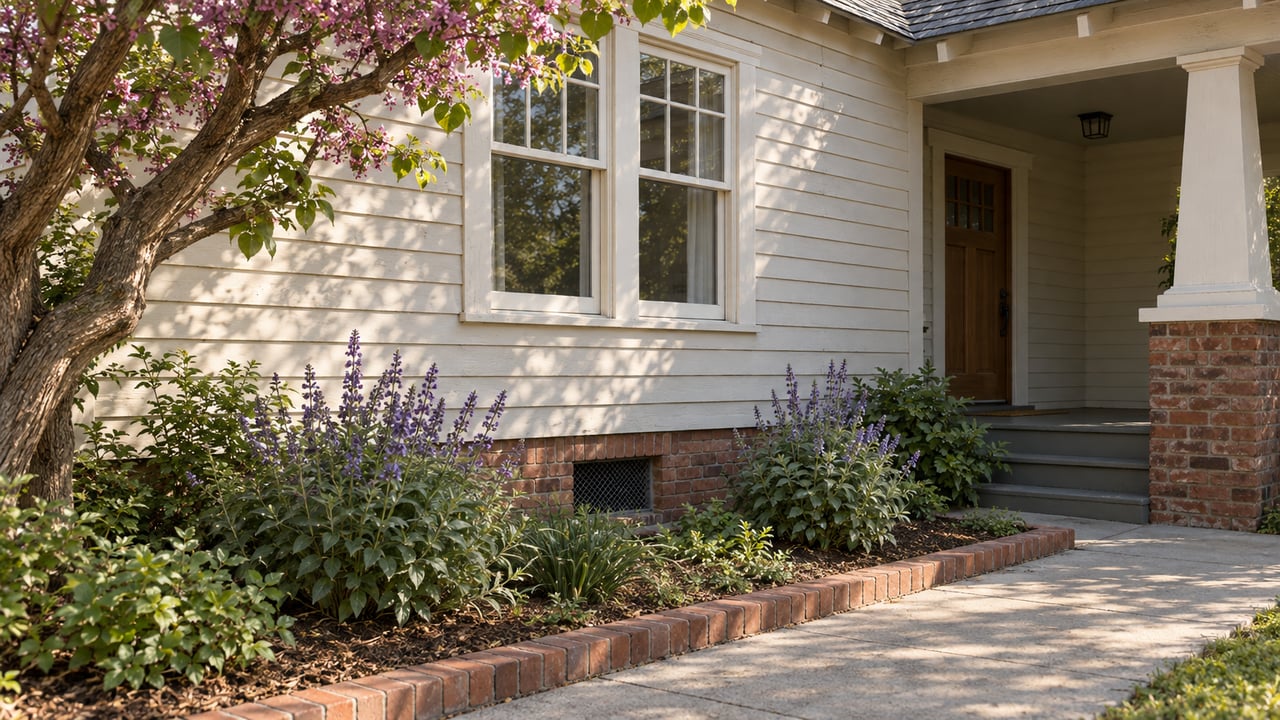
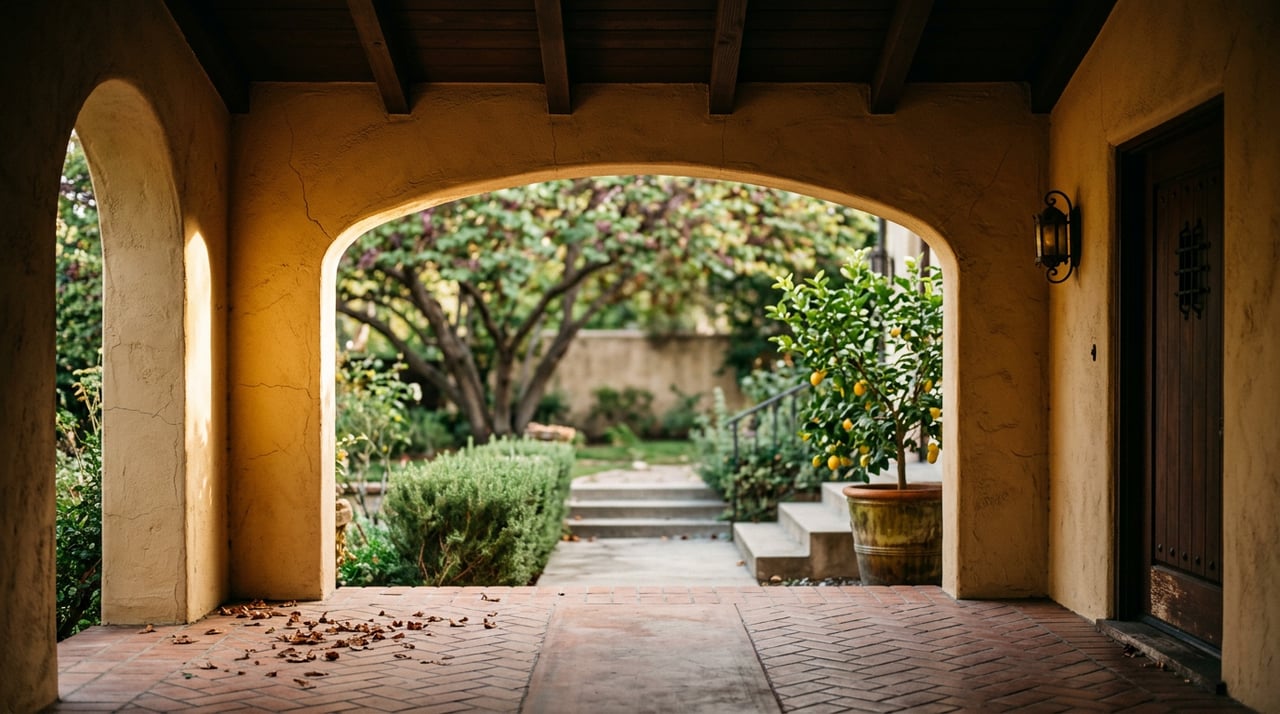
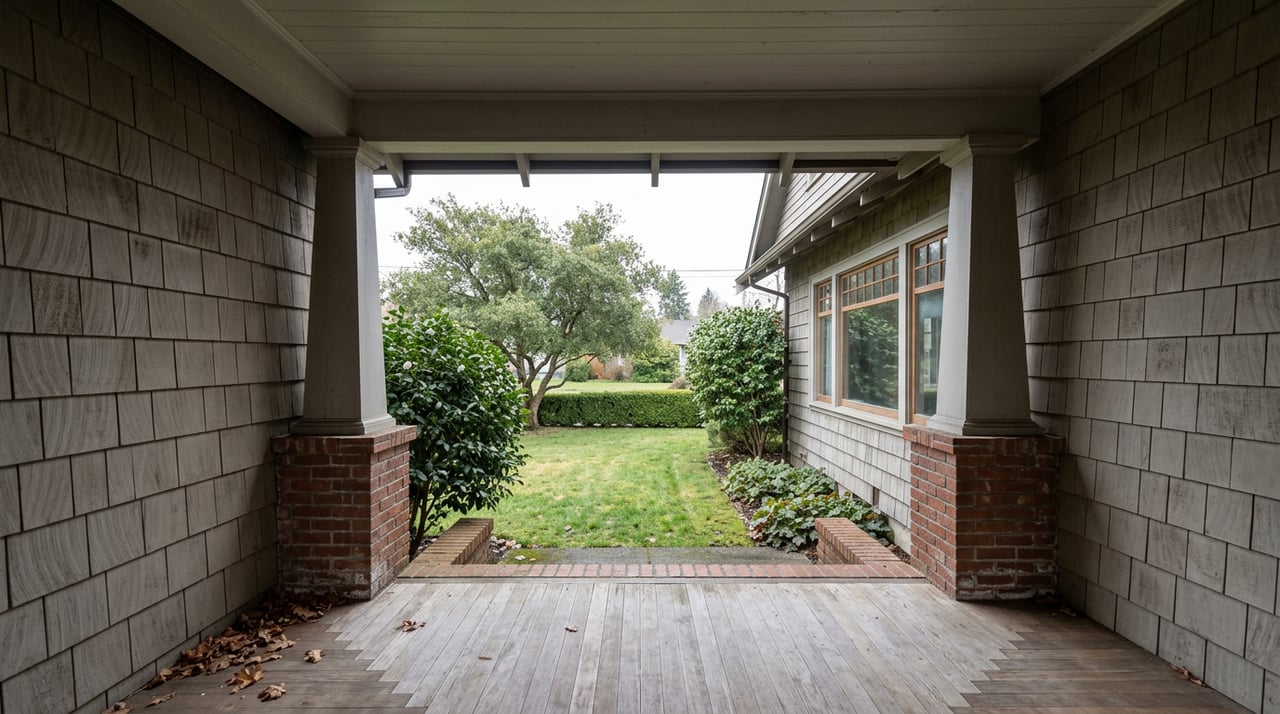
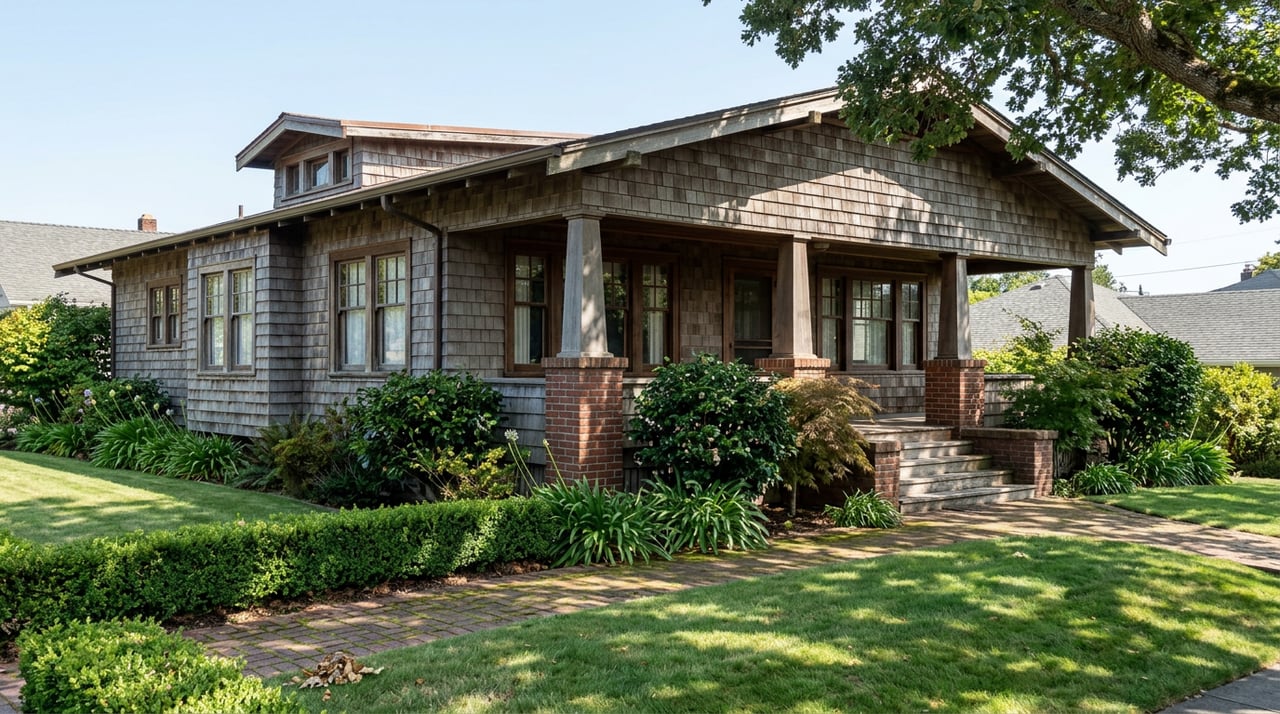
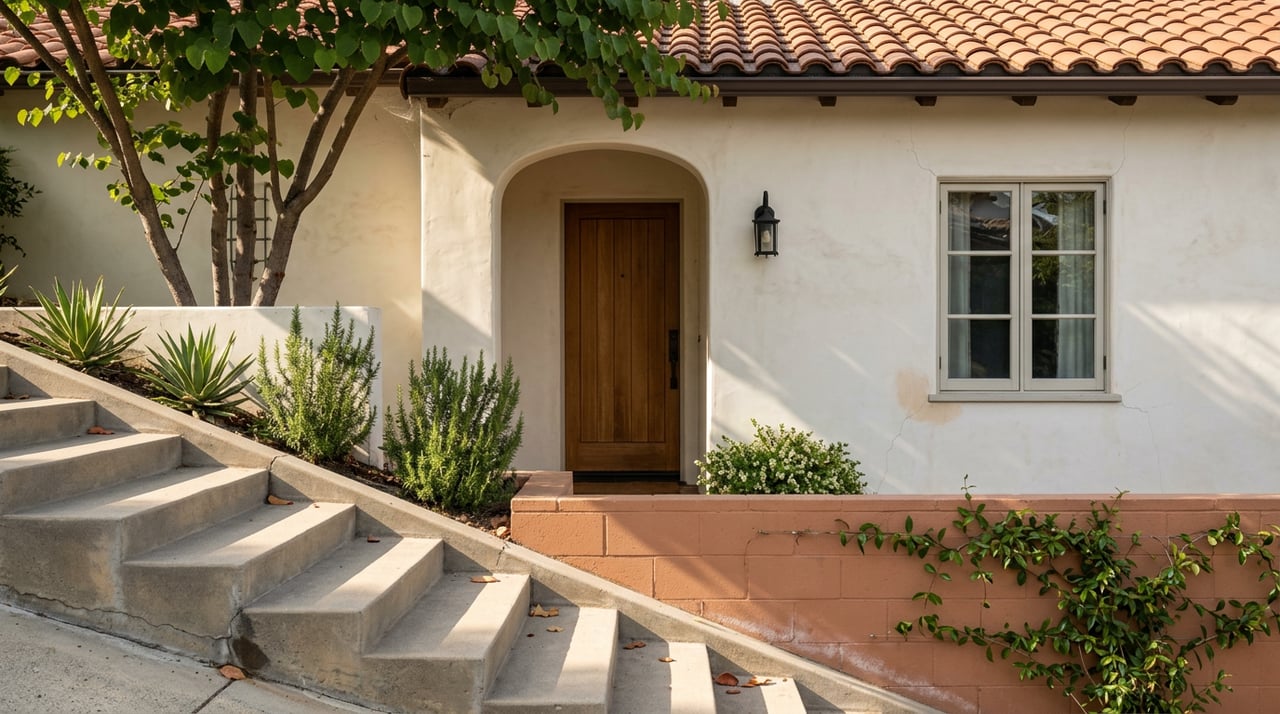
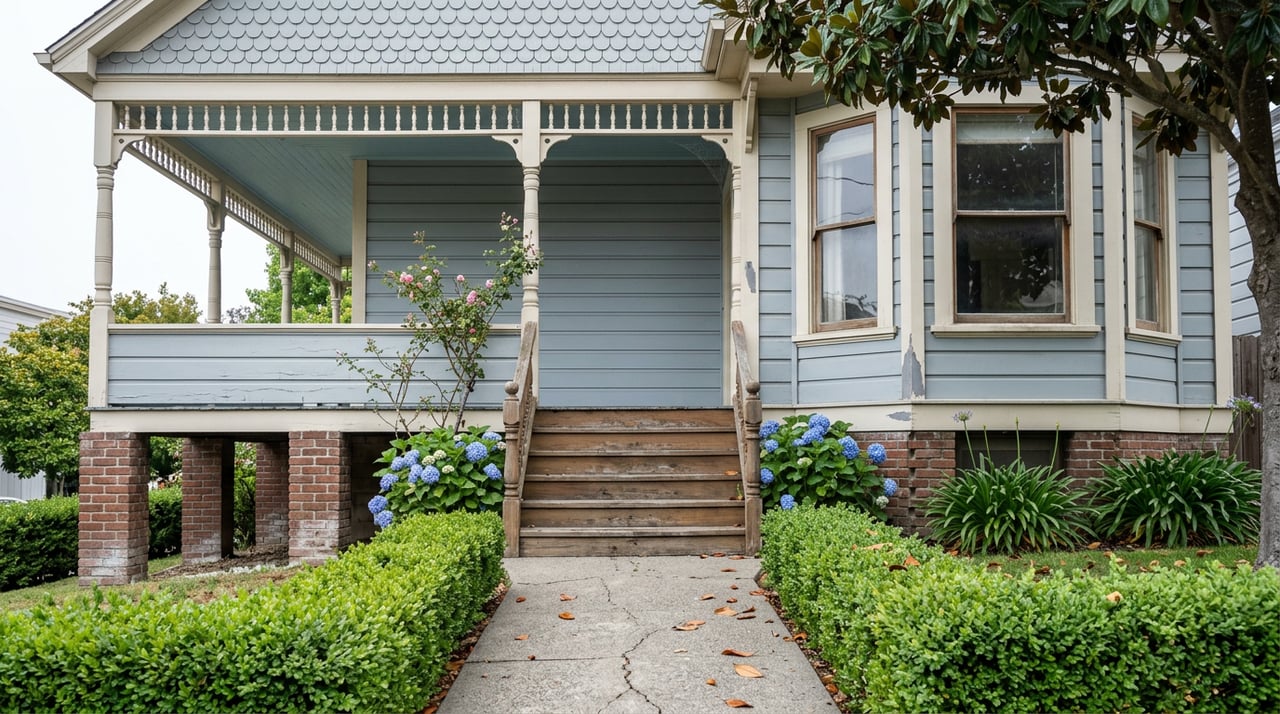
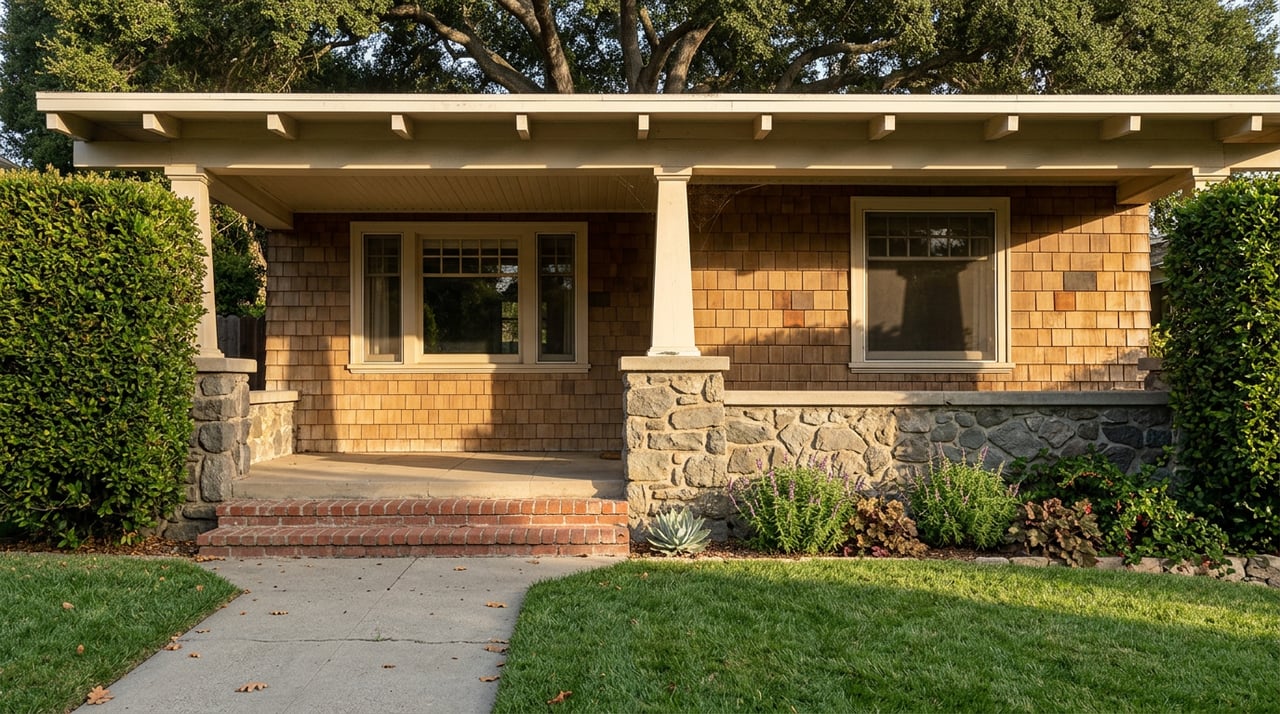
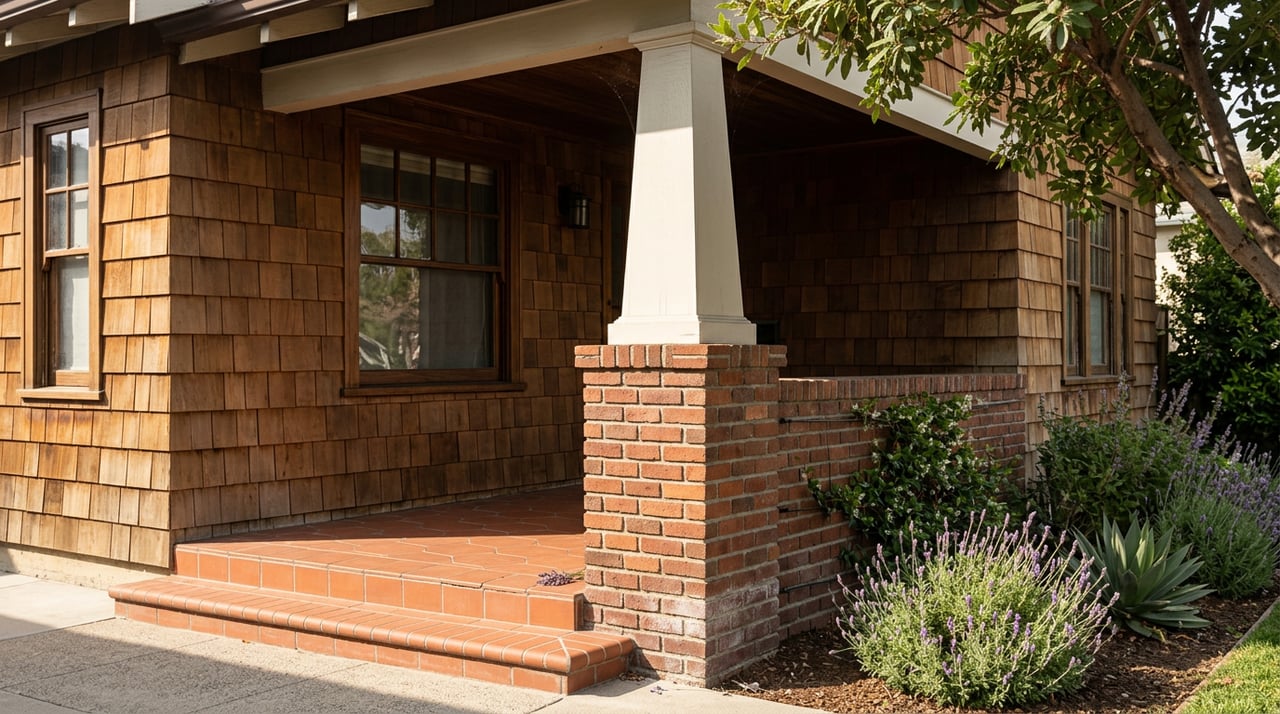
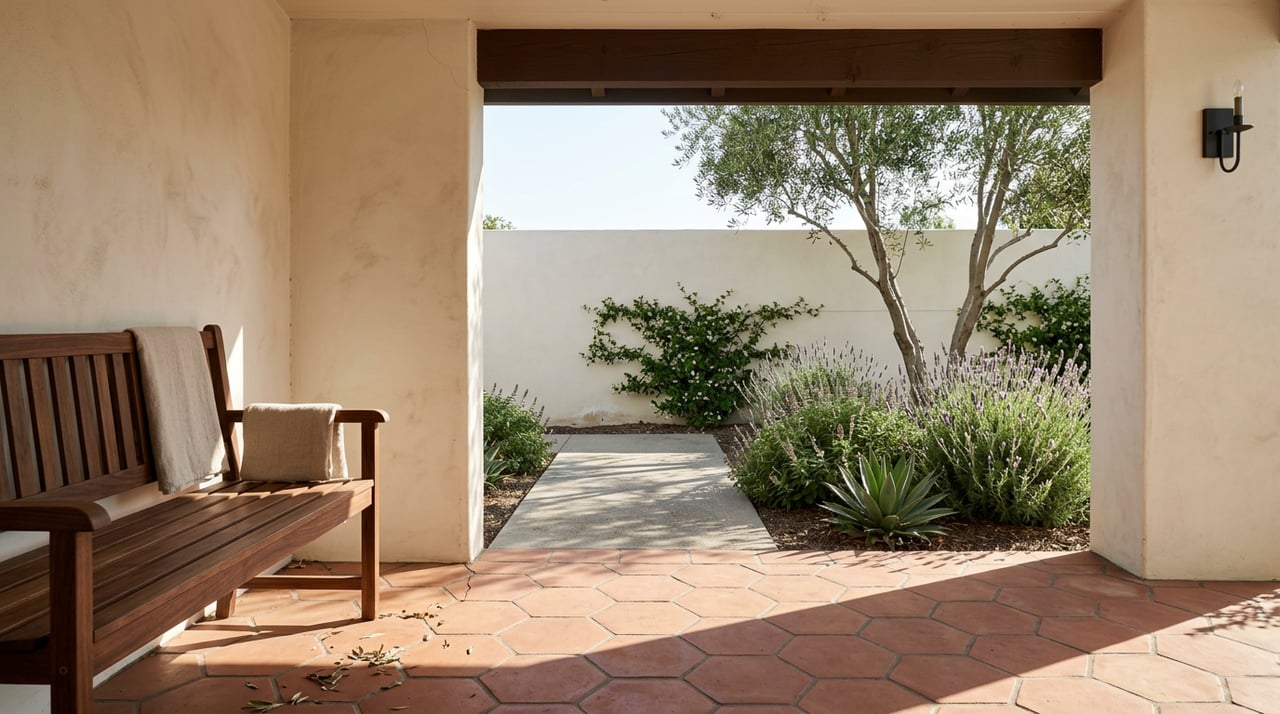
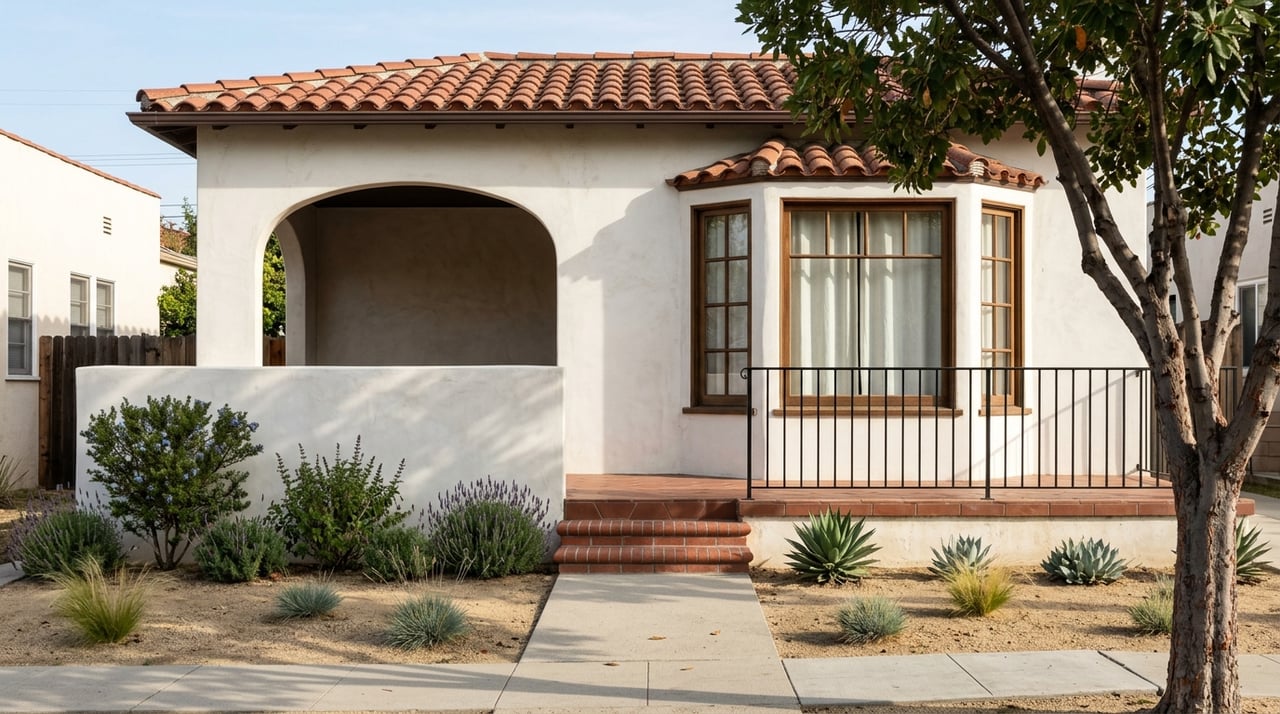
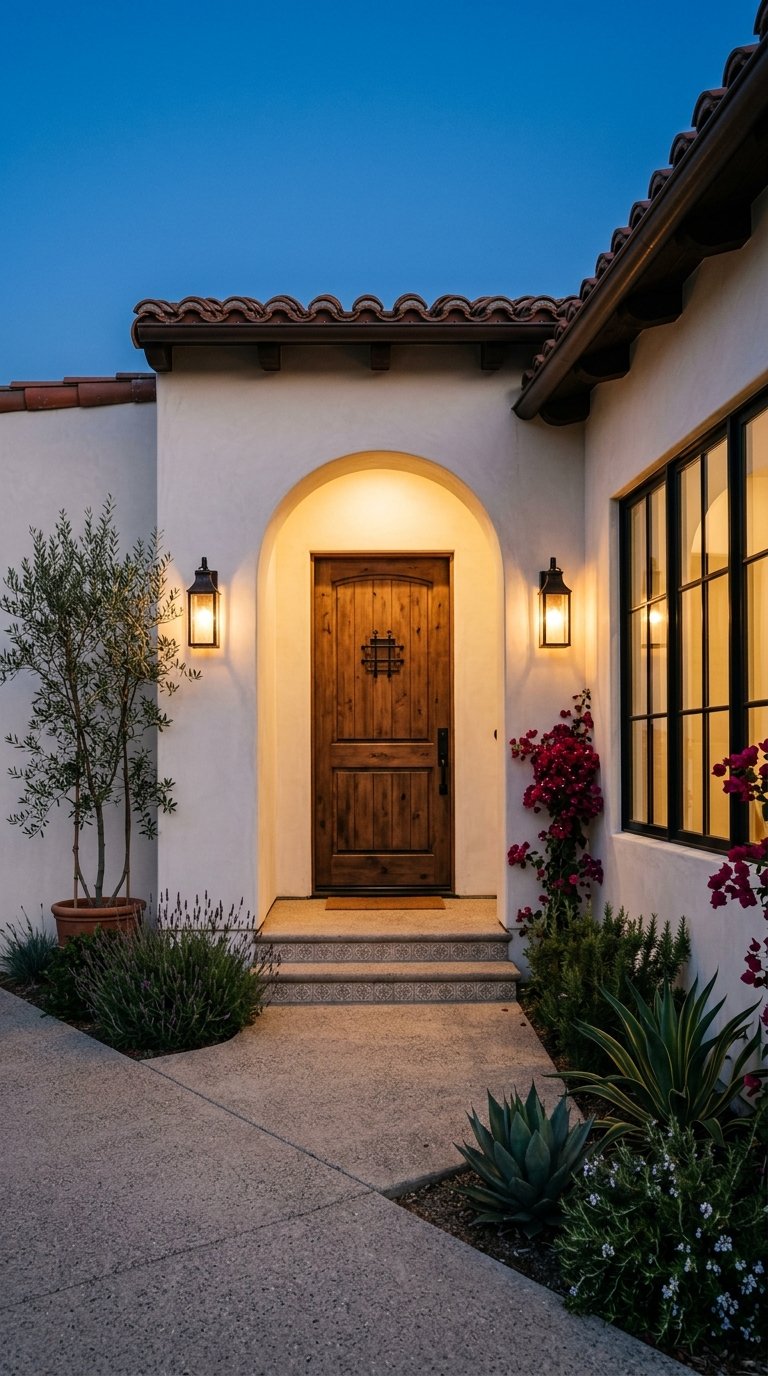
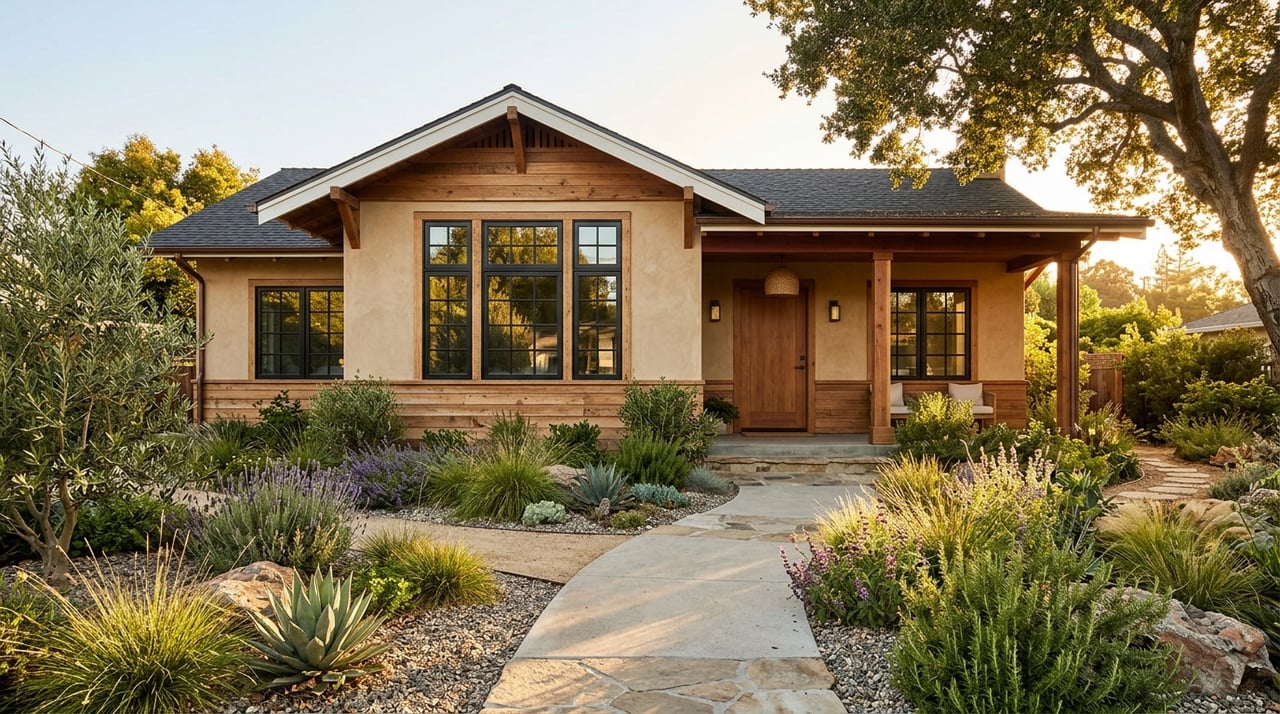
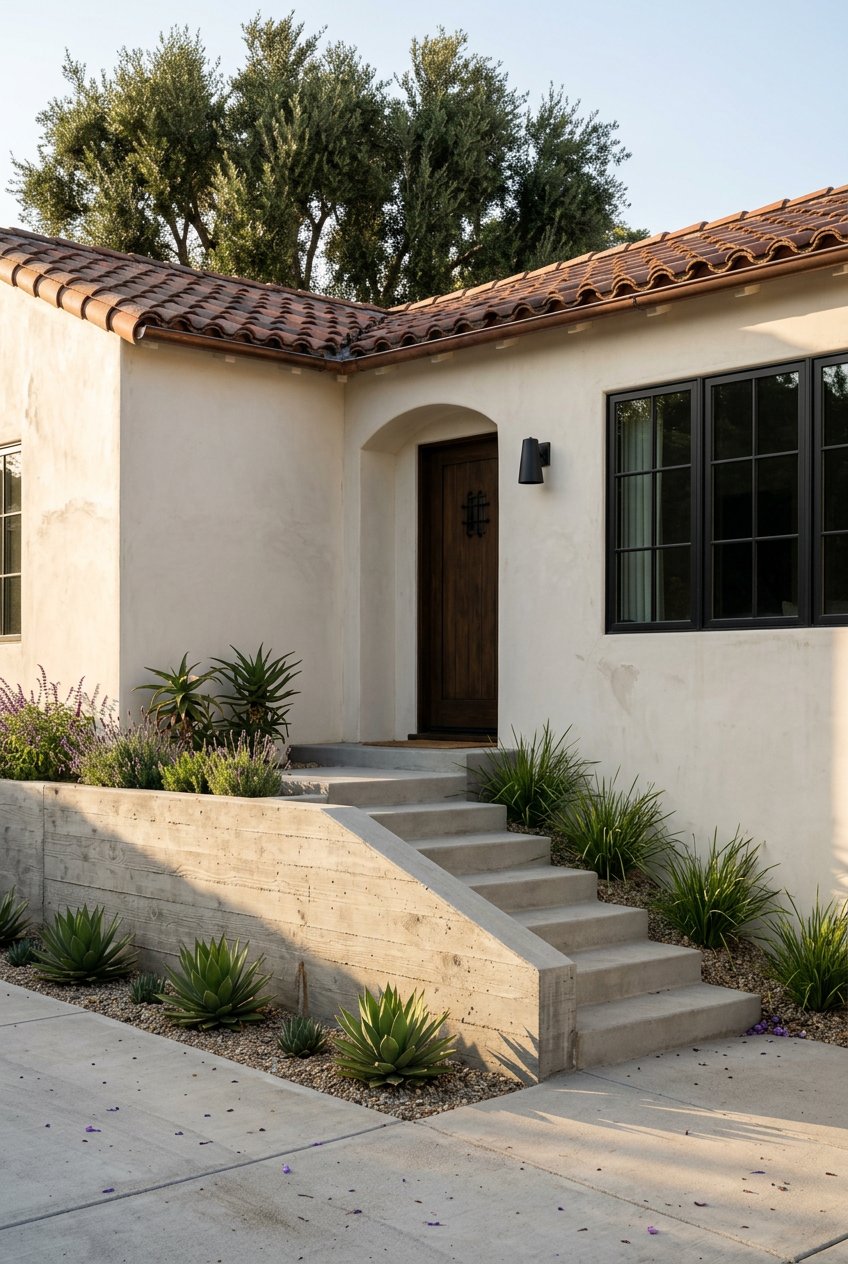
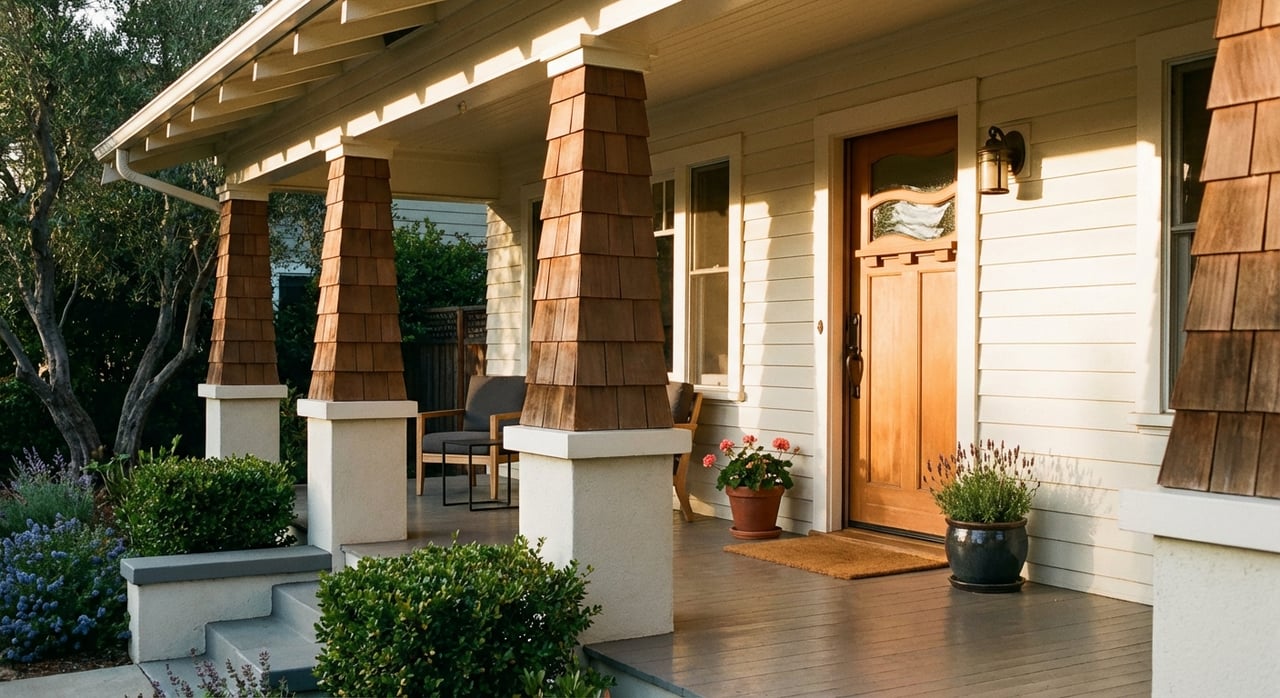
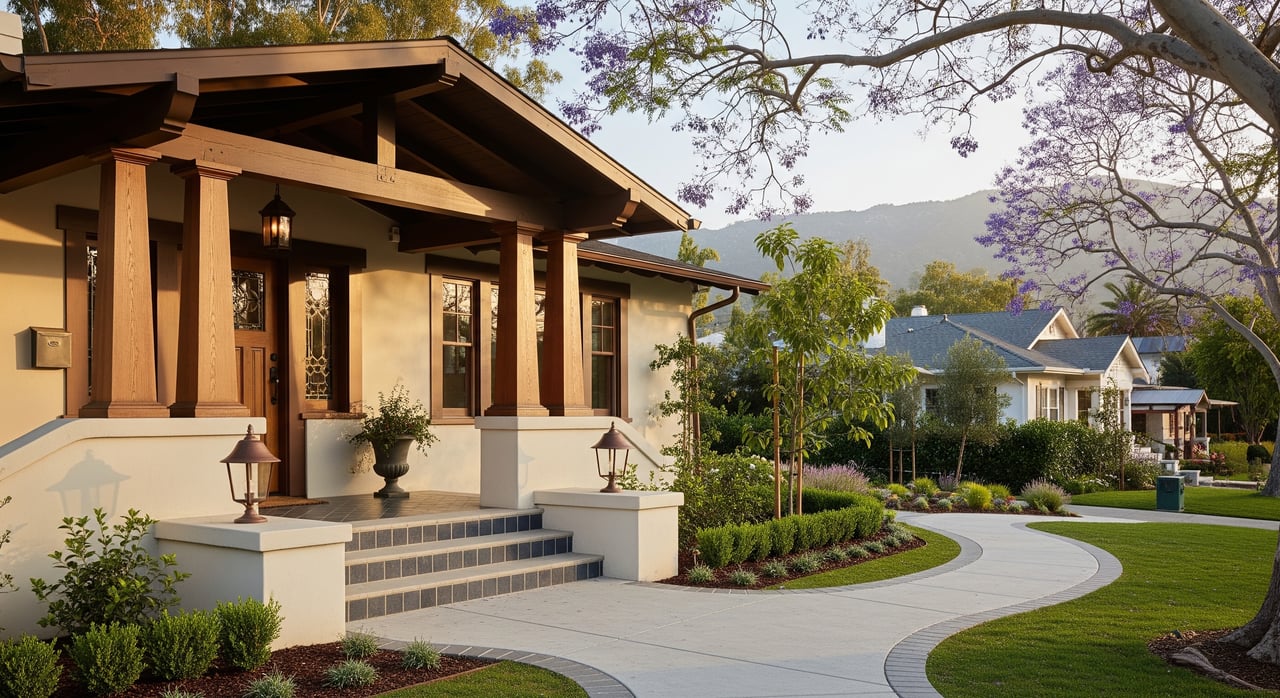
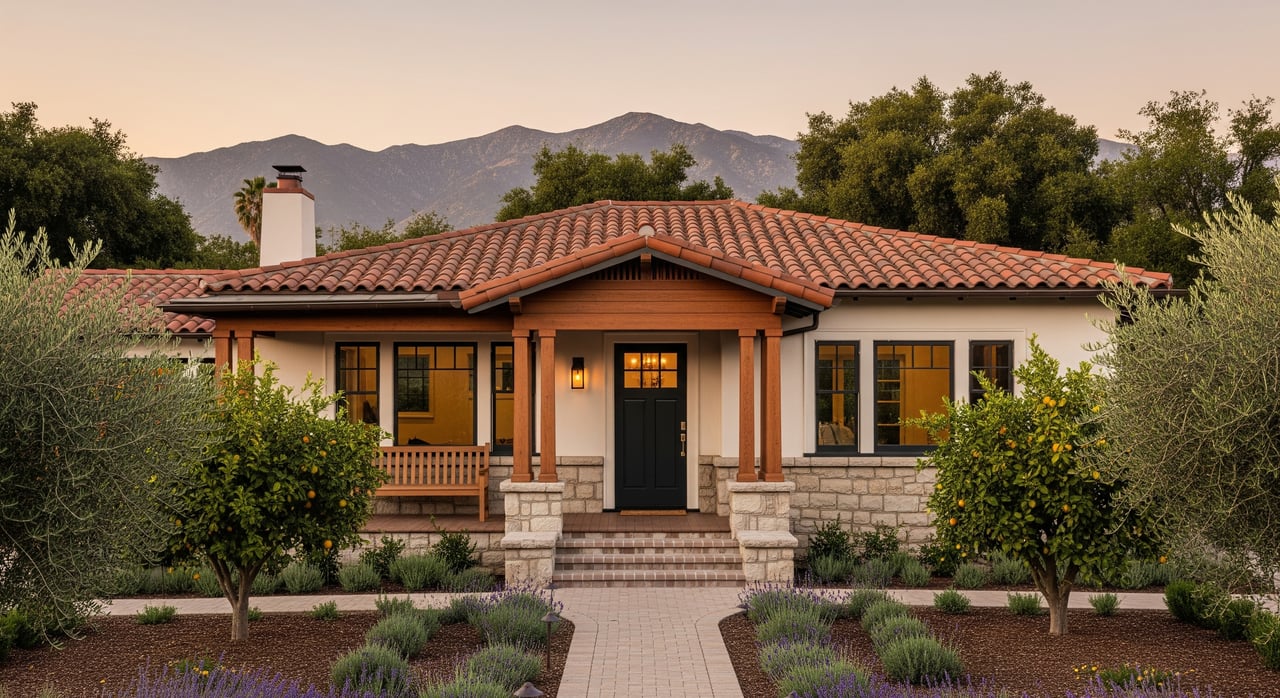
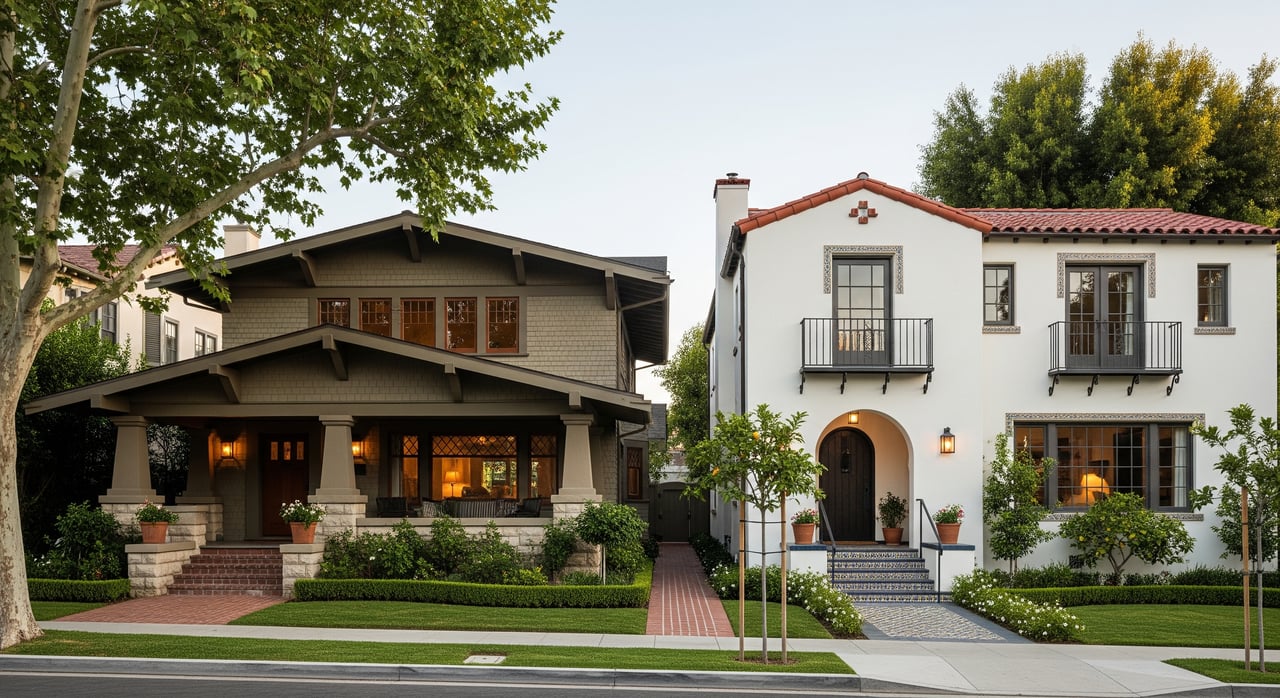
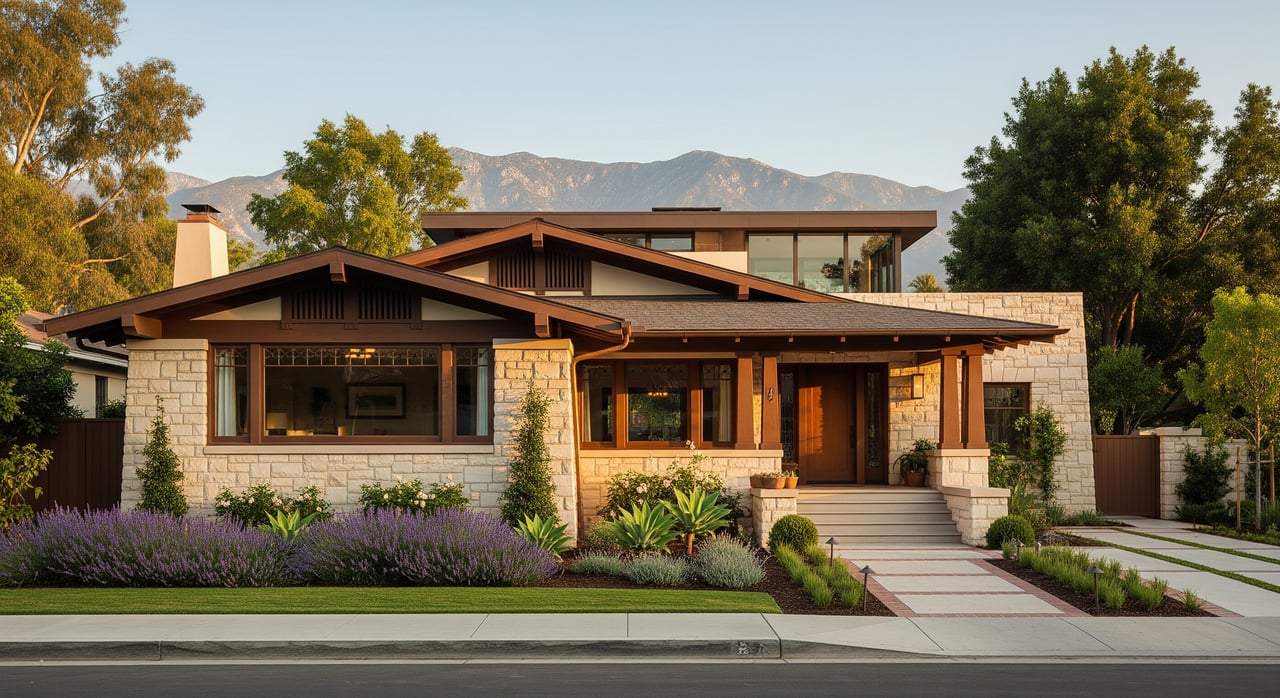
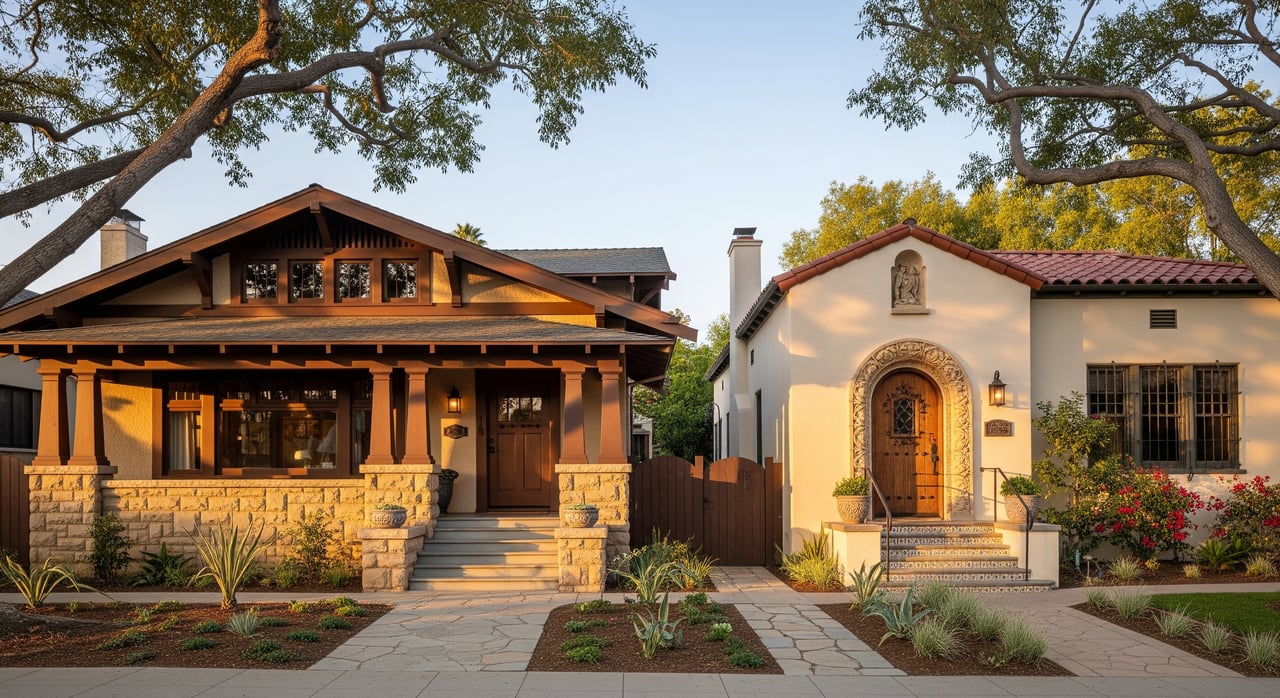
If you picture deep front porches, tapered columns, and wood-heavy details, you are probably thinking about Craftsman Pasadena. If you love turrets, decorative trim, and late-1800s charm, Victorian-era pockets may be a better fit. If stucco walls, tile roofs, arches, and wrought-iron accents catch your eye, you will likely want to explore Pasadena’s Spanish and broader period-revival areas.
The key is that Pasadena’s historic market is not all one thing. Some neighborhoods feel highly consistent from block to block, while others give you a wider mix of eras and home types.
Best Pasadena areas for Craftsman homes
Bungalow Heaven
If you want the classic Pasadena bungalow experience, start with Bungalow Heaven. City planning materials describe it as one of Pasadena’s largest intact collections of Craftsman bungalows and identify it as the city’s oldest and largest historic district by number of homes.
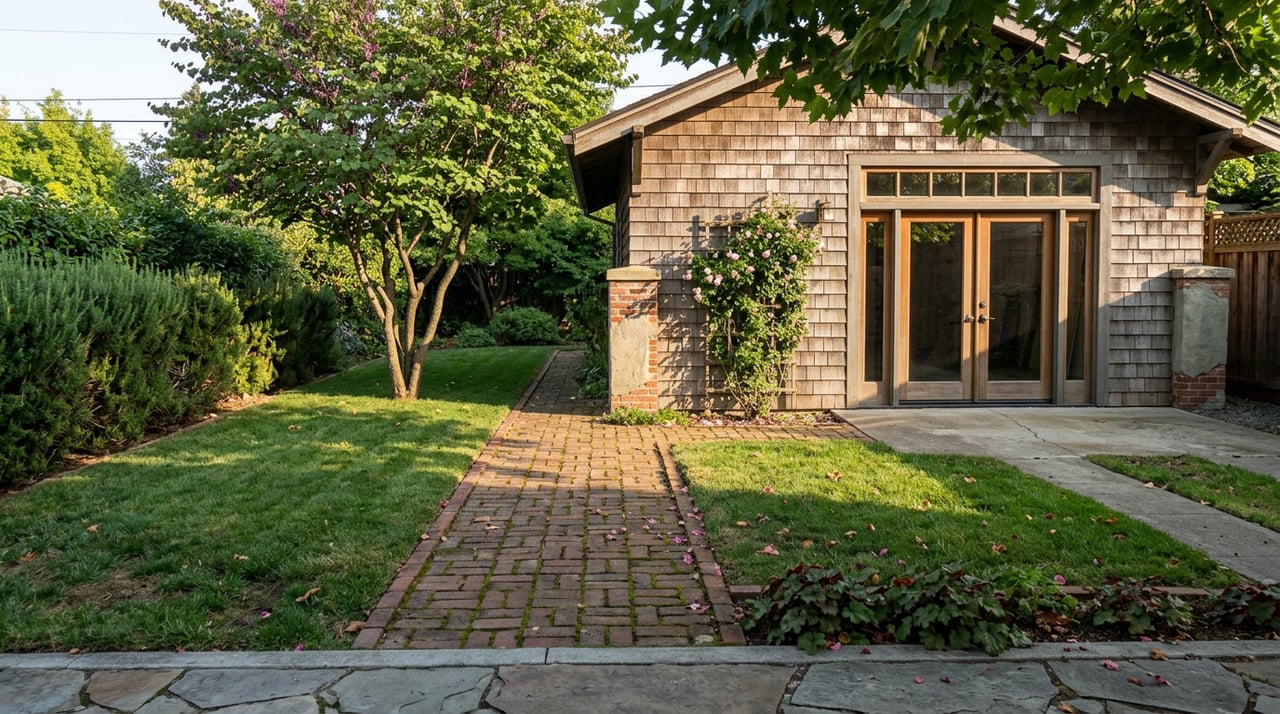
This north-central Pasadena area centers around McDonald Park and is known for mature trees and a strong single-family streetscape. If your dream home includes a front porch, garden path, and that instantly recognizable Pasadena Craftsman look, this is one of the clearest places to focus.
Washington Square
Washington Square is another top choice if you want historic character with a little more stylistic variety. The neighborhood is made up mostly of bungalows, generally one- to one-and-a-half-story detached homes, with a mix of early 1900s Craftsman houses and later 1920s and 1930s revival bungalows.
That gives you a broad historic feel without making every block feel exactly the same. For buyers, that can be appealing if you like the bungalow scale but want more variety in exterior details and era.
Garfield Heights
If you want Craftsman character and a slightly roomier north Pasadena feel, Garfield Heights deserves a close look. City design guidance notes its square-grid street pattern, lots that are typically 50 to 60 feet wide, and views that rise toward the foothills with the San Gabriel Mountains to the north.
Craftsman is the predominant style here, but you may also see Queen Anne and Period Revival homes in the mix. It can be a smart option if you want historic architecture plus a setting that feels a bit more open.
Orange Heights
Orange Heights is one of Pasadena’s most interesting mixed historic areas. City guidance places it roughly between North Los Robles and North El Molino Avenues and Jackson and East Mountain Streets, and says nearly 80% of its buildings are contributing resources.
This district includes one of the city’s finest collections of Craftsman residences, but it does not stop there. You will also find Victorian-era buildings, transitional homes, Prairie, Tudor, Colonial Revival, Spanish Colonial Revival, and even an early California Ranch, along with elevated lots, landscaped setbacks, retaining walls, and mature street trees.
Where to look for Victorian homes
Bristol-Cypress and New Fair Oaks
If your idea of historic charm starts before the Craftsman era, Bristol-Cypress and New Fair Oaks are worth exploring. Pasadena’s Victorian walking tour highlights these neighborhoods for homes from the 1890s and early 1900s, including Folk Victorian and vernacular cottage forms.
These areas can appeal to buyers who want turn-of-the-century scale and texture rather than a more polished or uniform district feel. New Fair Oaks also shows some of the early transition into Arts and Crafts design, which makes it especially interesting if you like architecture that sits between eras.
Raymond-Summit
Raymond-Summit offers another useful search area for older homes, with a broader architectural mix. The city notes high-style Queen Anne, American Foursquare, Colonial Revival, vernacular buildings, and early Greene & Greene work in the neighborhood.
For buyers, that means you may find more visual range and some standout individual properties. If you enjoy historic homes with a little more variety in massing and detailing, Raymond-Summit is worth having on your list.
South Orange Grove, Ross Grove, and Governor Markham
For larger and more prominent Victorian and turn-of-the-century homes, look toward South Orange Grove and nearby historic pockets. The city says South Orange Grove Boulevard became Pasadena’s "Millionaires Row" in the 1890s, with grand homes built on former agricultural land tied to the San Gabriel Orange Grove Association founders.
Ross Grove holds the largest remaining grouping of original South Orange Grove homes. Nearby, Governor Markham is described by the city as one of the best and most intact examples of the period, with quiet streets, sidewalks, period streetlights, and mature trees.
Where to find Spanish Revival homes
Understand the Pasadena pattern
Spanish Revival in Pasadena is usually not concentrated in one single neighborhood. The city’s architecture context says Spanish Colonial Revival homes are more likely to show up as contributing buildings within landmark or historic districts rather than as stand-alone, individually eligible resources.
That means your search should focus on mixed historic districts and later tracts instead of expecting one obvious Spanish-only enclave. In other words, if you love Spanish Revival, you may need to search more block by block.
Madison Heights and Oak Knoll
For buyers chasing a Spanish or broader period-revival feel in a central, established setting, Madison Heights and Oak Knoll are useful places to start. District descriptions note that these are among Pasadena’s oldest neighborhoods, with homes dating back to 1890 and 1905, and an eclectic mix that includes Craftsman, Spanish, Colonial, and other traditional forms.
That variety can be a plus if you want location and architectural depth without limiting yourself to one style. It also means inventory may look different from one street to the next.
Washington Square and Orange Heights
You should also keep Washington Square and Orange Heights on your Spanish Revival short list. Washington Square includes Spanish, English, and American Colonial Revival bungalows from the 1930s, while Orange Heights has a notable period-revival layer that includes Spanish Colonial Revival among other styles.
These are good areas if you like a historic neighborhood setting but want more flexibility in the kind of home you may find. They also tend to reward buyers who are willing to compare several homes before deciding what architectural details matter most.
What Spanish Revival homes often look like
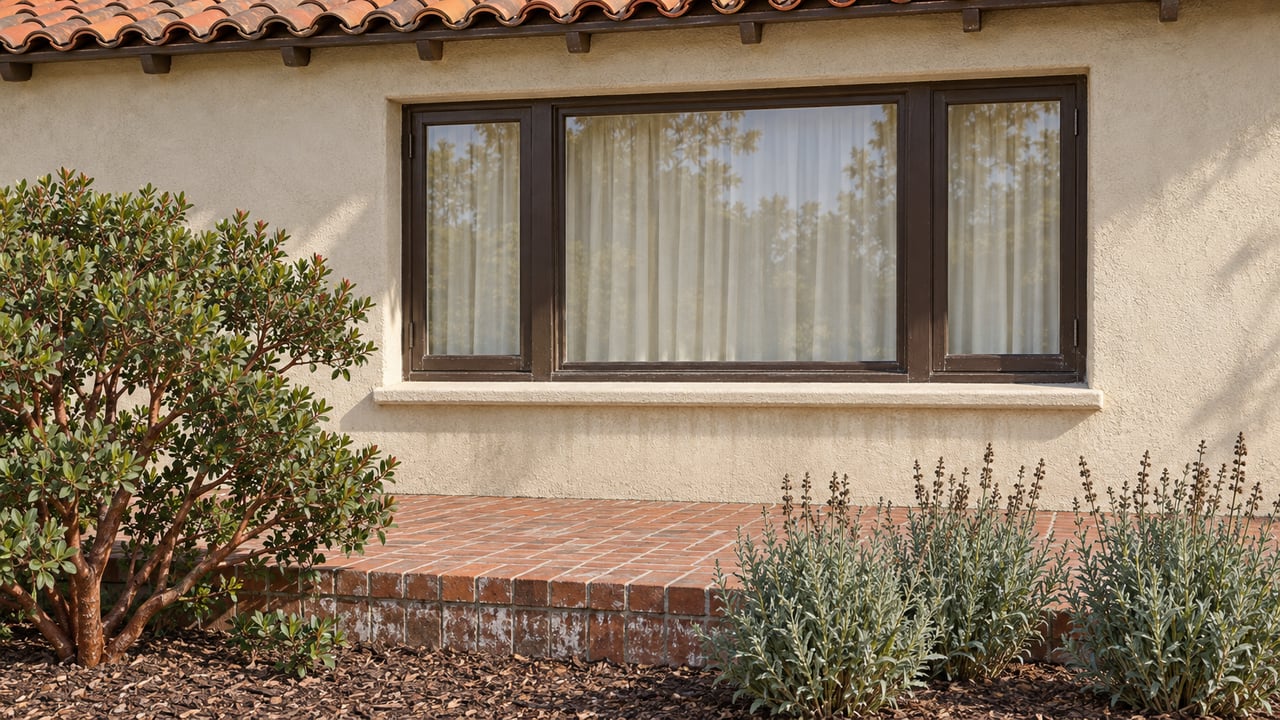
In Pasadena, Spanish Colonial Revival homes are often recognizable by features like:
- Stucco exteriors
- Tiled roofs
- Arched doorways
- Wrought-iron details
- Balconies
- French doors
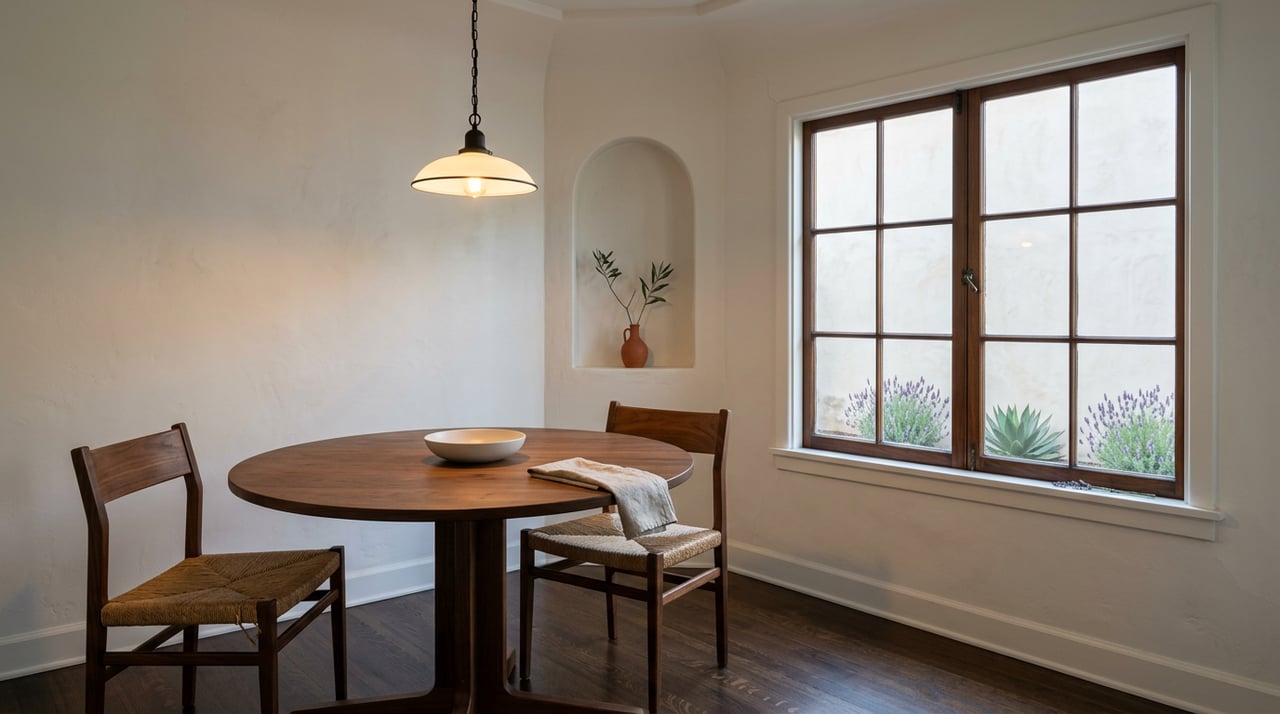
- Multi-paned casement windows
The setting matters too. In many Pasadena districts, the appeal comes from both the house and the surrounding streetscape, including landscaped setbacks and a strong tree canopy.
Do not overlook bungalow courts
Pasadena has a historic housing type that deserves its own mention: the bungalow court. The city says Pasadena is generally considered the birthplace of the bungalow court, a low-density grouping of small one-story units or duplexes arranged around a shared landscaped courtyard.
The largest concentration is on South Marengo Avenue between East California Boulevard and Glenarm Street. Early examples were often Craftsman, while later courts commonly reflected Spanish Colonial Revival, Colonial Revival, Tudor Revival, Mission Revival, English Cottage Revival, or Minimal Traditional styles.
If you are open to a different kind of historic property, bungalow courts can offer architectural character in a format that feels distinctly Pasadena. They are not the same as a detached single-family home, but they are an important part of the city’s historic housing story.
What to know before buying a historic home
Historic-house shopping in Pasadena is about more than looks. The city’s preservation framework can require review for exterior alterations, additions, relocations, and demolition in historic districts.
Pasadena also maintains a searchable historic-properties database and district documents that can help confirm whether a home is a contributing resource, a noncontributing property, or simply an older home without formal designation. That distinction can affect what changes may require review and how you plan future work.
Some qualifying properties may also be eligible for the Mills Act, which can provide property-tax relief. If you are considering a historic home with renovation plans, this is where local guidance and careful due diligence matter.
A practical Pasadena short list
If you want a simple way to narrow your search, start here:
- Most concentrated Craftsman search: Bungalow Heaven
- Craftsman plus revival styles: Washington Square and Orange Heights
- Craftsman with wider lots and foothill views: Garfield Heights
- Victorian and turn-of-the-century character: Bristol-Cypress, New Fair Oaks, Raymond-Summit, South Orange Grove, and Ross Grove
- Spanish Revival and period-revival options: Madison Heights, Oak Knoll, Orange Heights, and parts of Washington Square
The right fit depends on what you care about most. Some buyers want the most iconic Pasadena look possible, while others want flexibility, renovation potential, or a district with a broader mix of eras.
Why local guidance helps in Pasadena
In Pasadena, two homes with the same age can come with very different rules, condition issues, and long-term possibilities. That is especially true if you are comparing designated historic resources, homes in a district, or properties that have architectural charm but no formal status.
This is where neighborhood knowledge and a practical eye for construction can really help. If you are trying to weigh character, condition, and future improvement plans at the same time, you want someone who understands both the block and the bones of the house.
If you are thinking about buying or selling a historic home in Pasadena, Joe Kaplan can help you narrow the right neighborhoods, spot the tradeoffs, and move forward with confidence.
FAQs
Where are the best Craftsman neighborhoods in Pasadena?
- Bungalow Heaven is the most concentrated Craftsman search area, while Washington Square, Garfield Heights, and Orange Heights also offer strong Craftsman housing stock.
Where can you find Victorian homes in Pasadena?
- Bristol-Cypress, New Fair Oaks, Raymond-Summit, South Orange Grove, Ross Grove, and Governor Markham are key areas for Victorian and turn-of-the-century homes.
Are Spanish Revival homes concentrated in one Pasadena neighborhood?
- No. In Pasadena, Spanish Colonial Revival homes are more often found within mixed historic districts rather than in one single Spanish-only neighborhood.
What is a Pasadena bungalow court?
- A bungalow court is a group of small one-story units or duplexes arranged around a shared landscaped courtyard, and Pasadena is widely considered the birthplace of this housing type.
How can you check if a Pasadena home is historically designated?
- Pasadena maintains a searchable historic-properties database and district documents that can help you verify whether a property is contributing, noncontributing, or not formally designated.
Can owning a historic home in Pasadena affect future remodel plans?
- Yes. In Pasadena historic districts, exterior alterations, additions, relocations, and demolition may be subject to city review, so it is smart to confirm a property’s status early.