Ask what a house costs in Altadena right now and you'll get an answer that's technically true and mostly useless. The median sale price climbed to $1,699,495 in July 2026, and the average home is fetching prices up 32.6% year over year. That sounds like a scorching seller's market, and in one corner of Altadena, it is. In another corner, less than three miles away, a cleared lot is sitting with a builder's sign and no offers, priced on land value alone because there's no house left to comp against.
Both of those facts are true in the same ZIP code in the same month. That's the part the median price hides. Altadena isn't one housing market this year. It's three, and they behave nothing alike.
The number that stopped meaning what it used to
Before the Eaton Fire ignited on January 7, 2025, Altadena's median sale price was a normal number that moved a percentage point or two a quarter. After the fire destroyed roughly 5,600 single-family homes in the community, that number started swinging wildly, not because any one house type suddenly became worth 40% more or less, but because the mix of what was selling kept changing.
In March 2025, the median sale price fell 43% to $710,000, according to The Real Deal's reporting on Altadena's rebuild economy. That wasn't a market crash. It was mostly lot sales and severely damaged properties dominating a thin transaction pool while untouched homes barely traded at all. By February 2026, the median had climbed back to $990,000 as more conventional sales returned to the mix. Five months later, in July 2026, reported figures put the median sale price near $1.7 million, with the average sale price up 32.6% year over year.
None of those numbers describe the same transaction. They describe a shifting blend of three distinct products: homes that came through the fire untouched, vacant lots where a house used to stand, and brand new construction going up on cleared ground. If you're using last year's median as a comp for this year's offer, you're not comparing apples to apples. You're comparing three different fruit stands and calling it one number.
Three markets, three sets of rules
Here's how those segments actually differ as of mid-2026.
| Market segment | What's driving price | Typical buyer | Financing reality |
|---|---|---|---|
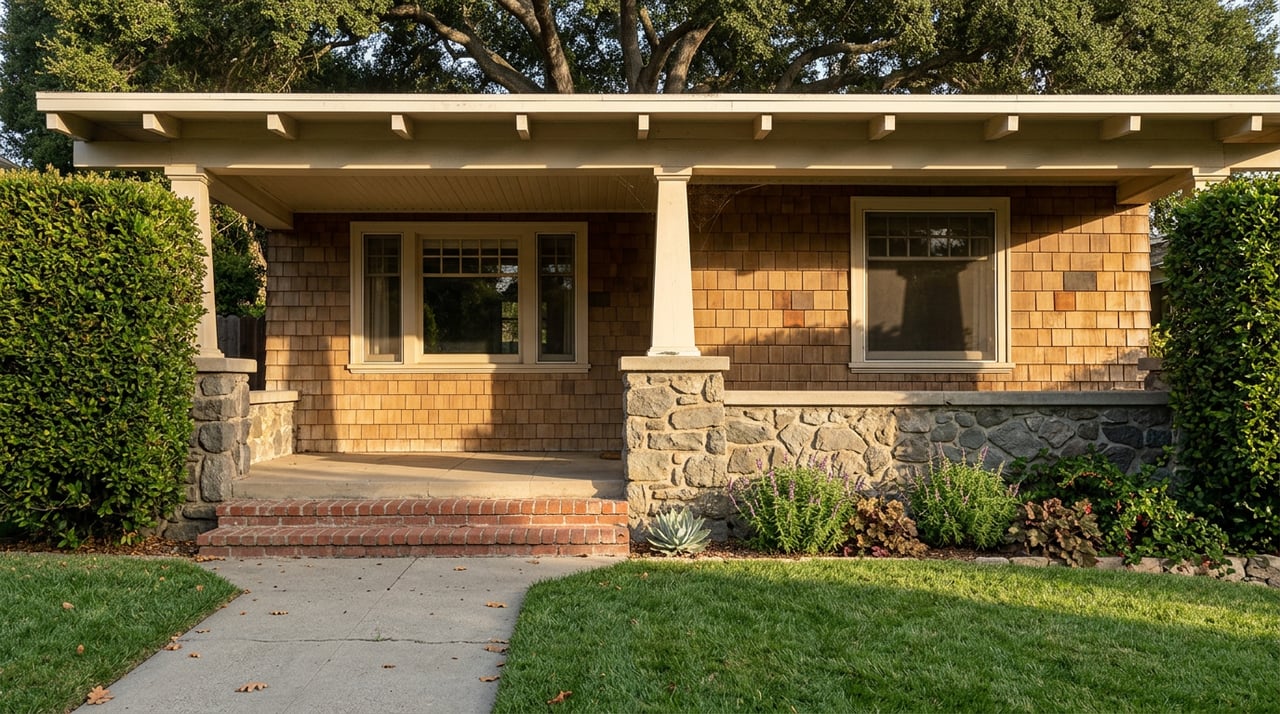
| Untouched homes | Scarce inventory, displaced buyers wanting to stay local | Owner-occupants, often move-up families | Conventional mortgages, competitive bidding |
| Burned lots | Land value, view, utility access | Developers, LLCs, cash or hard-money buyers | Mostly cash, extended due diligence on soil and clearance |
| New rebuild homes | Construction cost plus builder margin | Buyers priced out of untouched inventory, relocating from nearby cities | Standard financing once a certificate of occupancy exists |
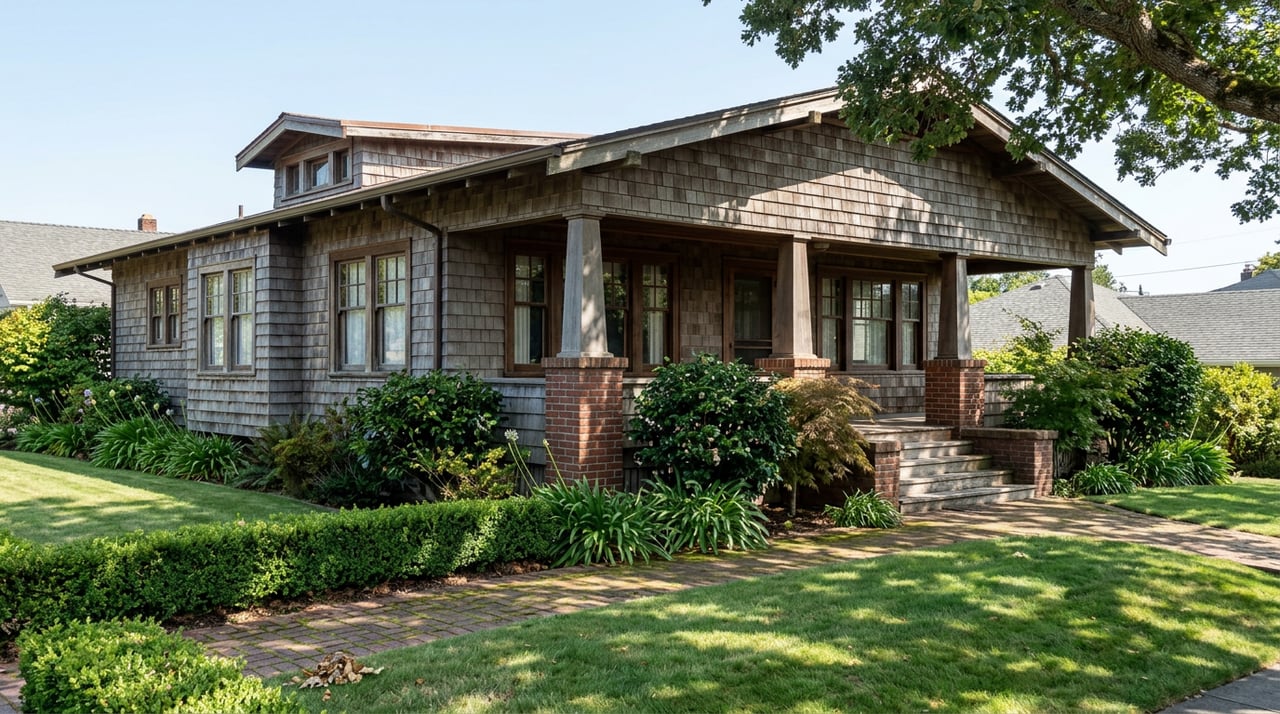
The untouched-home market is the one generating headlines. Homes that made it through the fire are trading in a genuinely competitive environment, with typical sales closing in around 36 to 58 days depending on the data source, and well-positioned listings drawing multiple offers above asking price. That's supply and demand doing exactly what you'd expect when a chunk of the neighborhood's housing stock disappeared overnight and displaced residents want to stay close to family, schools, and the community they know.
The other two markets run on a completely different clock, and the reason why is the part most buyers never hear explained.
The gap that's actually deciding who rebuilds
Here's the friction point that determines whether a burned lot gets rebuilt by the family that lost their home or sold to a developer instead: the space between what insurance pays out and what construction actually costs.
Custom rebuilds in Altadena are running an estimated $450 to $750 per square foot once you account for the Chapter 7A wildfire-hardening requirements now mandatory in Very High Fire Hazard Severity Zones, including Class A roofing, ember-resistant vents, and non-combustible siding. For a modest 2,000 square foot home, that's roughly $900,000 to $1.5 million in hard construction cost alone, before temporary housing or insurance deductibles enter the picture. Industry estimates suggest around 70% of Eaton Fire homeowners are dealing with some form of insurance complication, whether that's a payout that fell short of coverage limits, a disputed claim, or a settlement that's simply taking too long to arrive.
That gap is why permit approvals and actual construction starts have decoupled. As of spring 2026, about 44% of Eaton Fire homeowners had fully approved rebuild permits, but only 30% had started construction, according to reporting on the county's own permitting data. A permit in hand doesn't mean a shovel in the ground. It means the money hasn't caught up to the paperwork yet.
"It is a bifurcated recovery, and the No. 1 factor is money."
That's Joy Chen, executive director of the nonprofit Every Fire Survivor's Network, describing exactly what shows up in the sales data: homeowners with pre-fire wealth or full insurance payouts are rebuilding. Everyone else is facing a choice between waiting years for financing to sort itself out or selling the lot to someone who can absorb the cost gap. Researchers tracking these sales have found that investor purchases of fire-damaged properties have been declining in recent months even as fewer of those lots come up for sale at all, which suggests the earliest, most opportunistic wave of lot-flipping has already passed through.
What buyers are actually seeing in new construction
The clearest evidence that this dynamic is real sits in Altadena's small but growing crop of finished rebuilds. PLC Communities completed 8 of 18 planned homes in the fire-damaged La Viña neighborhood and had sold 6 as of early 2026, all but one to buyers who weren't displaced by the fire themselves but were relocating from within five to ten miles, places like Glendale and Burbank. To move that inventory, the builder priced those homes roughly 20% below what they would have commanded before the fire, in the $2 million to $2.3 million range.
Months earlier, in December 2025, New Pointe Communities listed 3245 Arrowhead Drive for $1,899,990, the first of 15 planned homes to hit the market and, per LA Magazine's coverage, the first completed Eaton Fire rebuild to list at all. Builder Mark Marquez called it "a meaningful step forward for families and for the future of Altadena." The project's backers expected $20 million to $40 million in new inventory to reach the market in the months that followed.
What both projects tell you is that new construction is pricing itself to compete with what buyers can get elsewhere in the San Gabriel Valley, not to match Altadena's pre-fire ceiling. If you're comparing a new rebuild's asking price to what a similar lot sold for in 2023, you're measuring the wrong thing.
The wrinkle that could reshape future inventory
One more piece worth watching if you're thinking past this year: California's SB 1090 would pause certain streamlined density approvals, the kind that let smaller lots be split into multiple units, specifically in Altadena's 91001 and 91003 ZIP codes for a defined recovery period. The state Senate passed it 30-9 on May 27, 2026, and as of LAist's July 23, 2026 reporting, it was still moving through Assembly committee, not yet law. More than 450 residents packed a June town council meeting to push for the exemptions the bill would provide.
Whether it passes matters for anyone weighing whether Altadena's future housing stock looks like the single-family neighborhood that burned or something denser. It won't move the needle on a purchase you're making this month, but it's worth tracking if your timeline stretches into next year.
What this means depending on what you're buying
If you're looking at an untouched home, you're competing in a genuine seller's market. Come with financing sorted and be ready to move fast, because the pool of available, undamaged inventory is small and everyone displaced by the fire wants a piece of it.
If you're looking at a burned lot, the sale price has almost nothing to do with the house that used to be there. It's a land purchase, and your due diligence should focus on soil testing, utility hookups, and where the seller stands in the county's clearance and permitting process, not on what the house sold for in 2022.
If you're looking at new construction, compare it to what a comparable new build costs elsewhere in the San Gabriel foothills, not to Altadena's old median. Builders are pricing to move inventory in a market still finding its footing, and that shows up in the discount.
I've spent enough years walking properties with a contractor's eye to know that a house's story rarely fits in one number. Altadena's recovery is proving that at a neighborhood scale.
A few questions worth asking before you write an offer
Do I need to disclose fire history if I'm selling a home in or near the burn area? Yes. California law requires disclosure of material facts that could affect a buyer's decision, and homes in Very High Fire Hazard Severity Zones carry specific disclosure obligations regardless of whether that particular structure was damaged.
How long does a full rebuild actually take from permit to move-in? Local rebuild guides and county data point to roughly two to two and a half years when you account for debris clearance, permitting, and construction, though projects with financing already in place can move faster. The LA County Recovers rebuilding portal tracks current permit review timelines if you want the county's own numbers.
Should I trust a comp from a house that sold two years ago? Only if you know which of the three markets it came from. A 2023 sale of an untouched home and a 2026 sale of a fire-damaged lot are not the same asset, even if they're on the same street.
If you're trying to figure out which of these three markets actually fits what you're looking for in Altadena, or anywhere else in the foothills, I'd rather walk it with you than have you guess from a median price. Reach out to Joe Kaplan and let's talk through what your specific situation actually looks like.