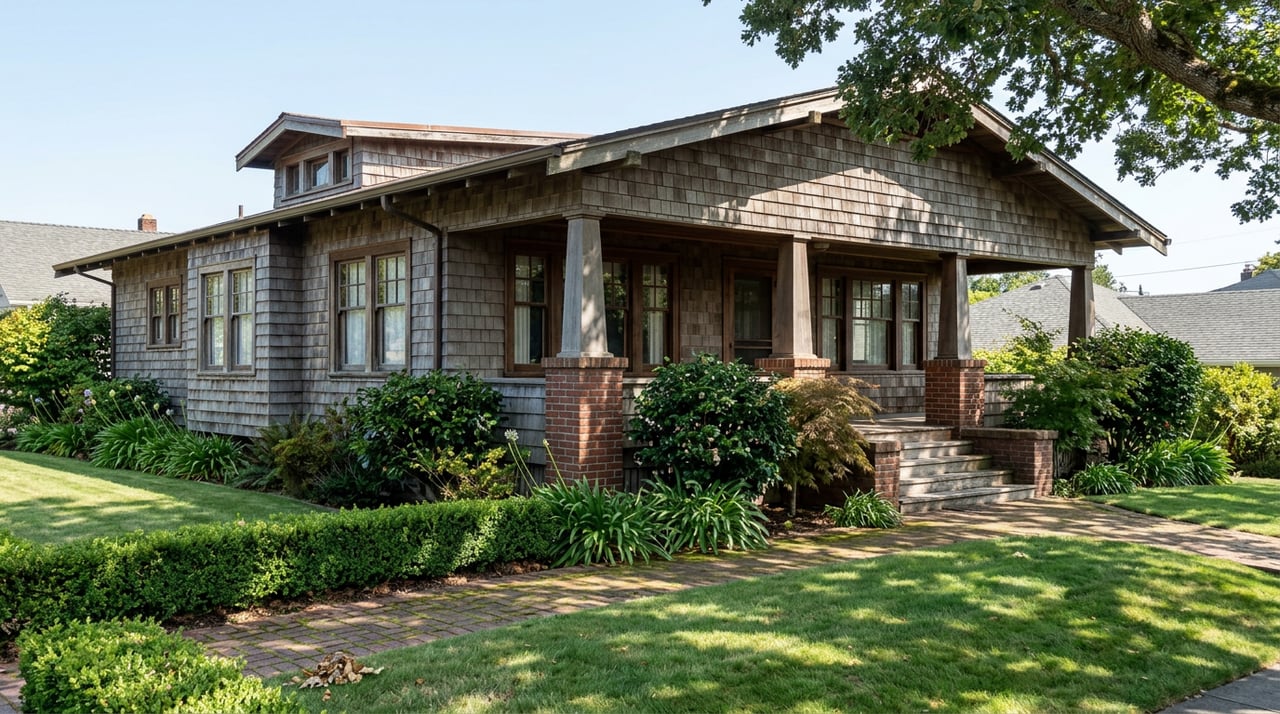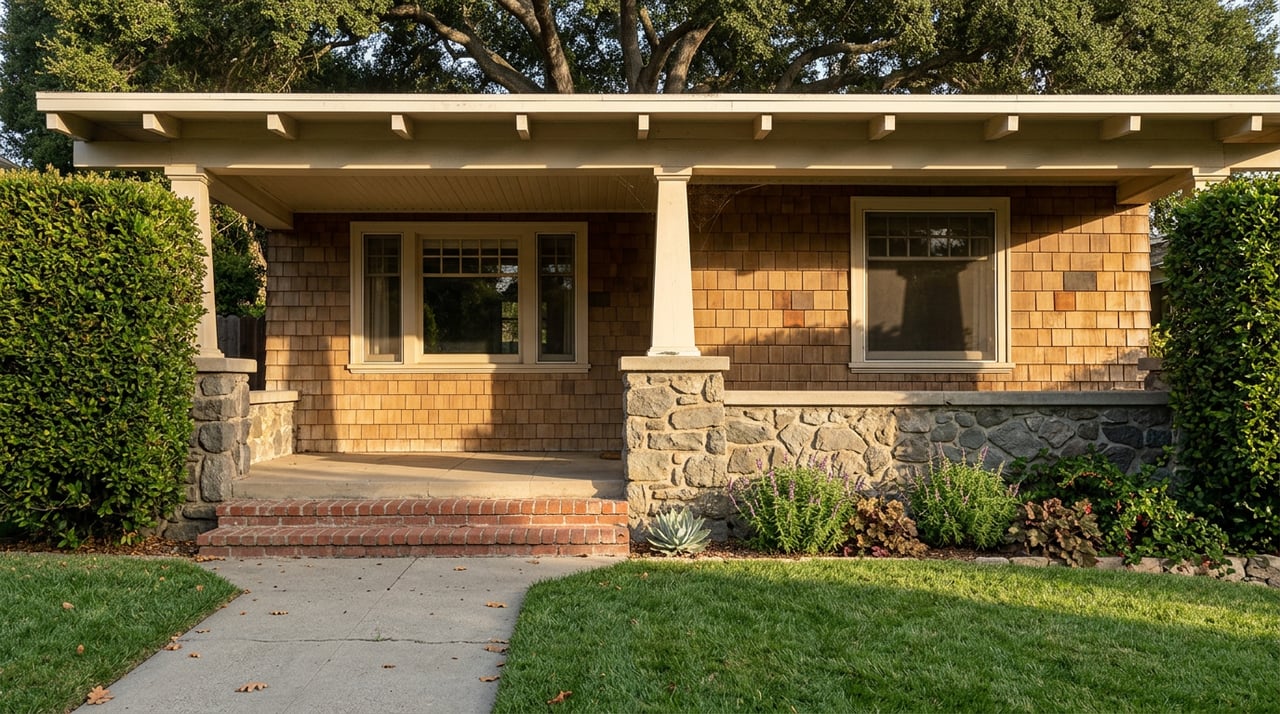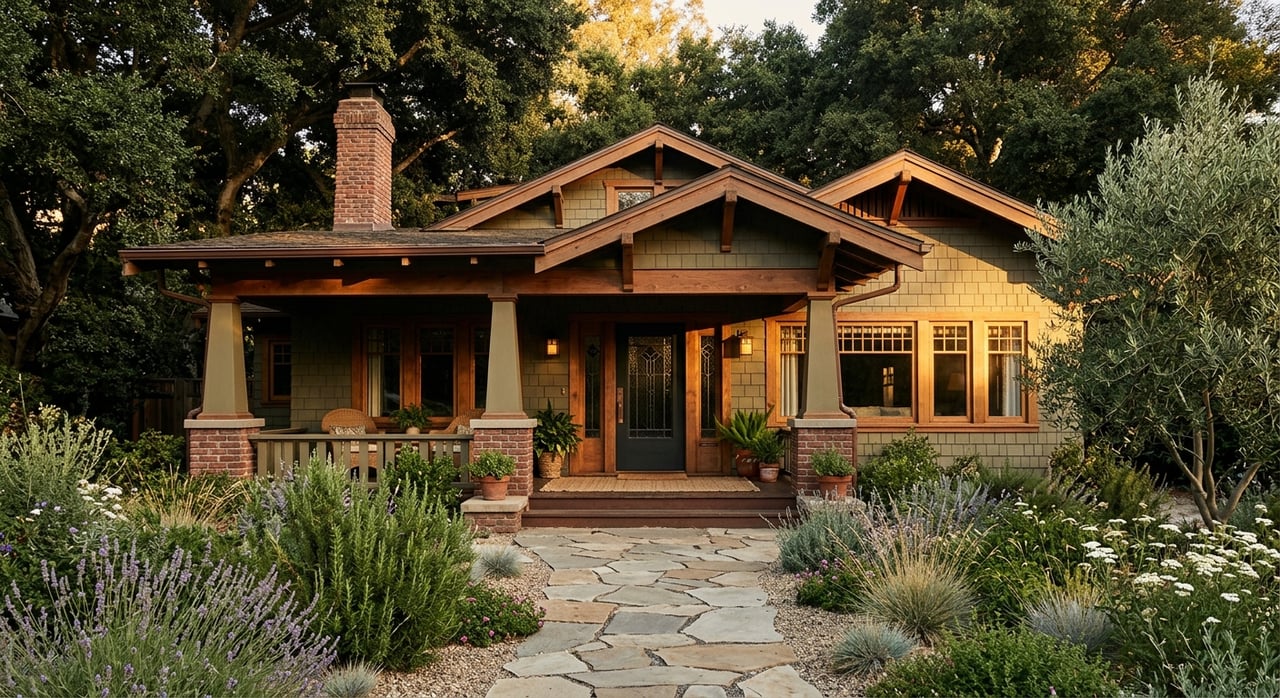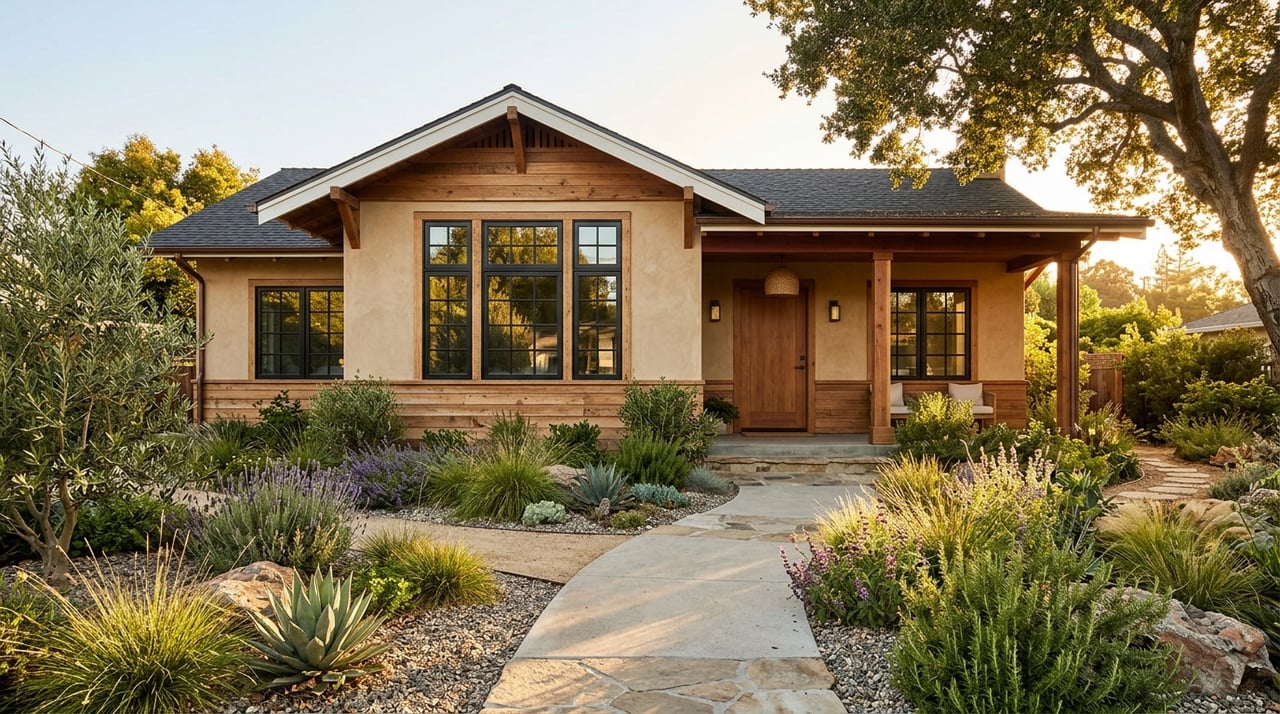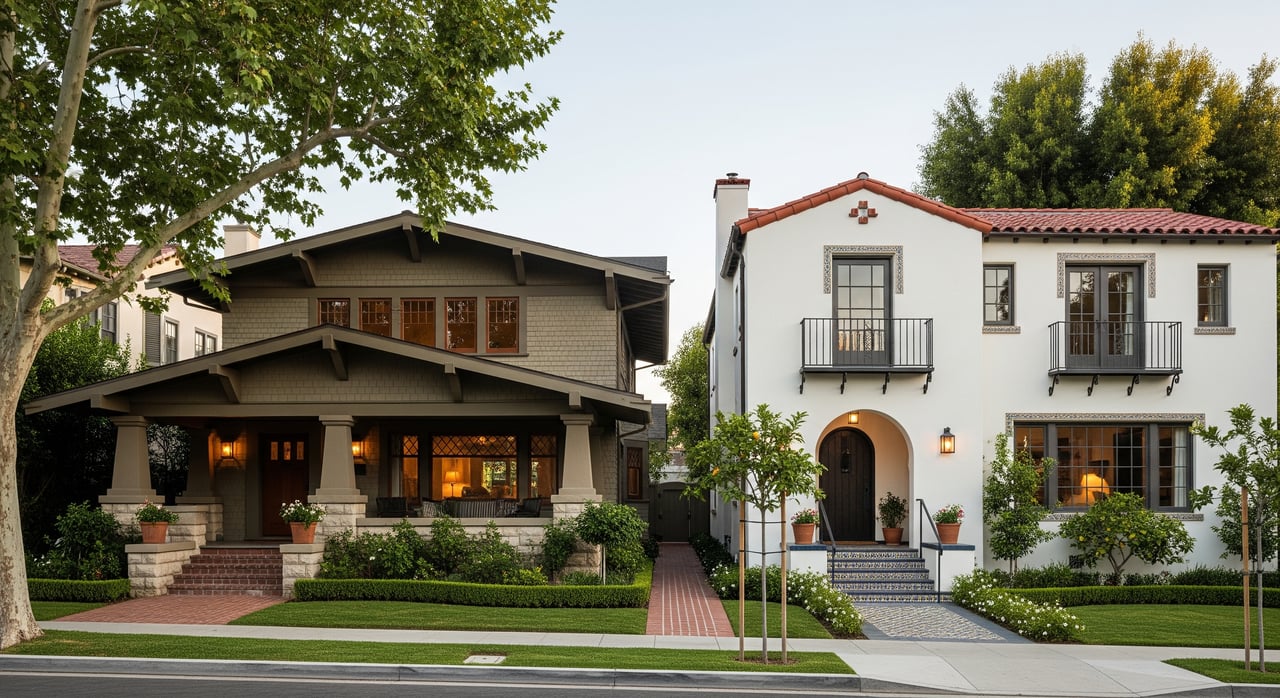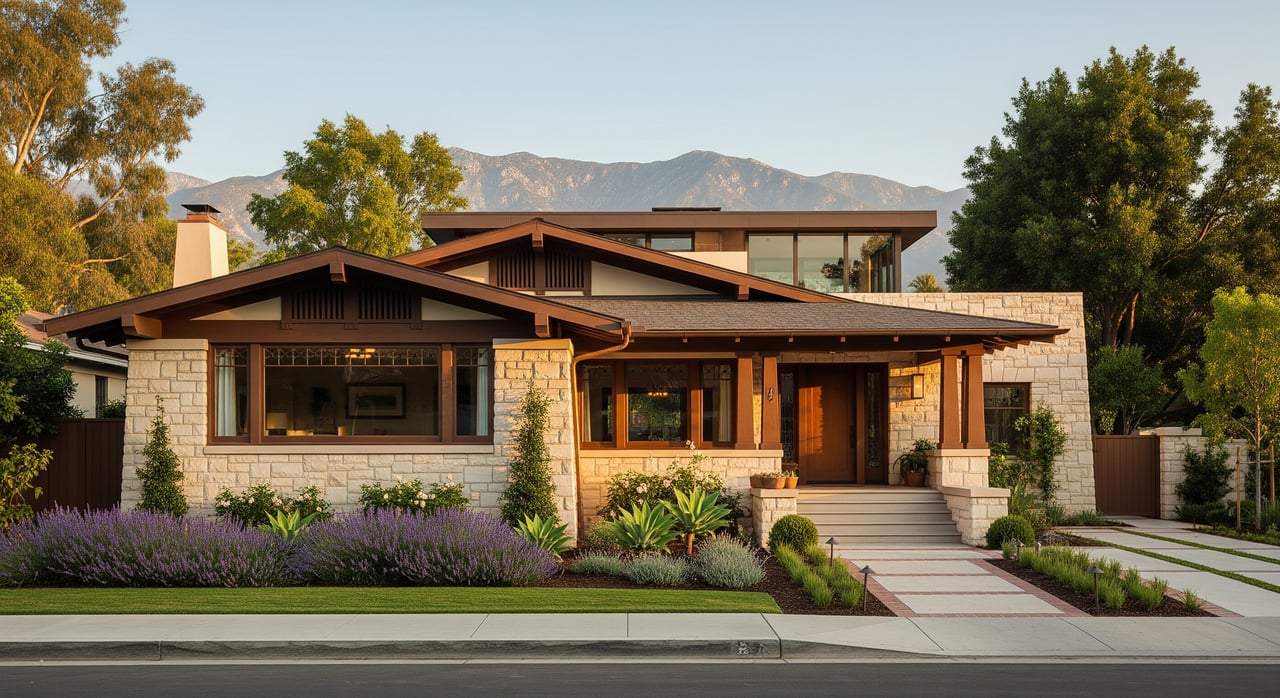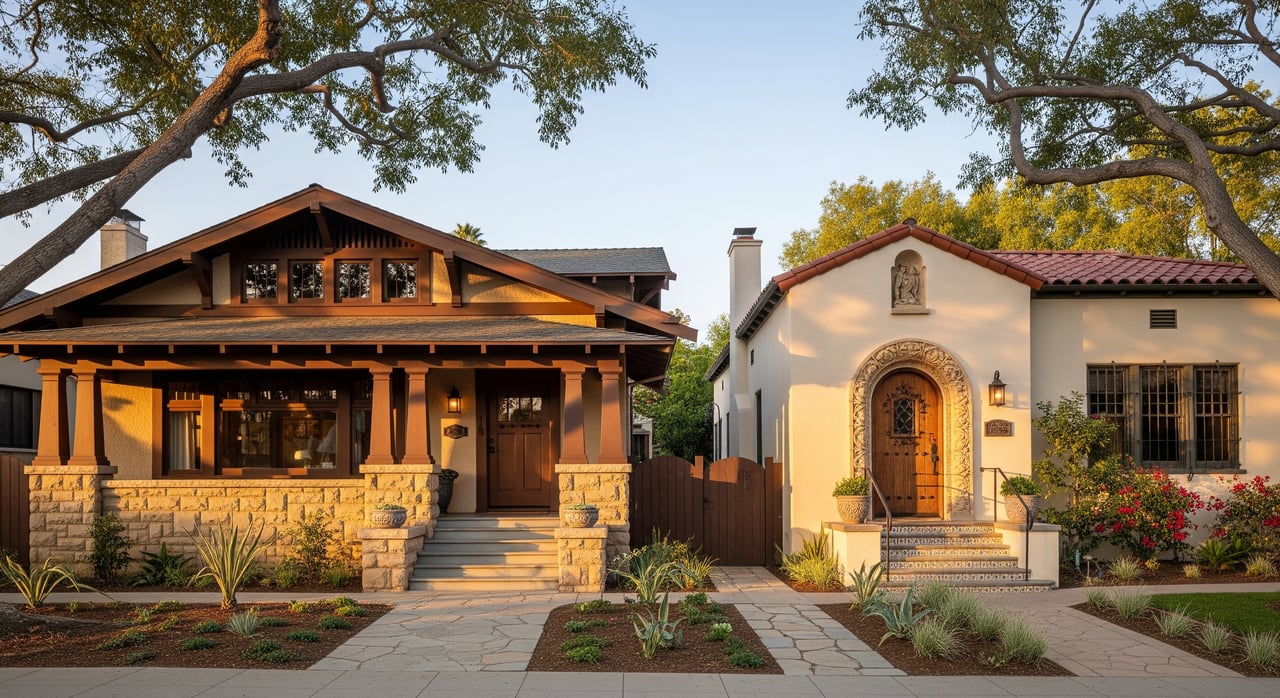
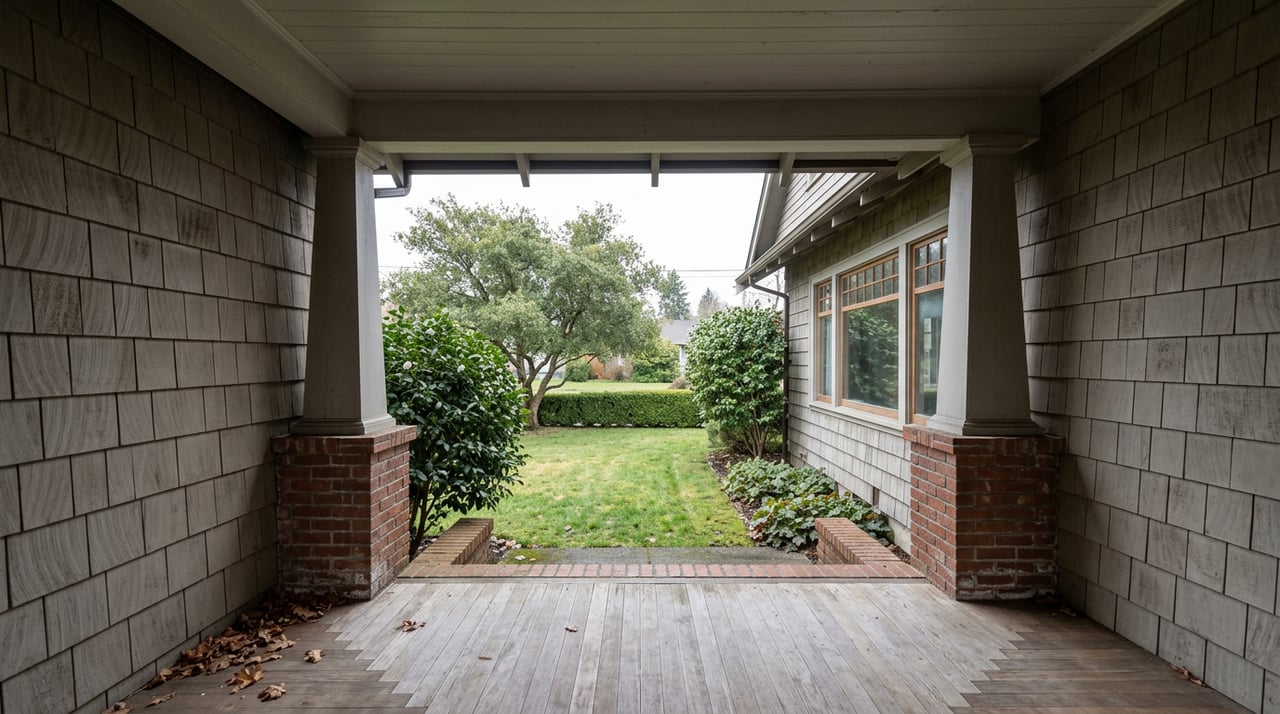
In early June, South Pasadena put eight long-vacant houses on the market, homes the state had held since the 1950s, 60s, and 70s for a freeway extension that never got built. The crown of the batch was the Columbia House, a 1910 Craftsman at the corner of Columbia Street and Fremont Avenue, designed by architect George Lawrence Stimson and listed on the city's Inventory of Historic Resources. Then, without public explanation, the Columbia House and a second property on Grevelia Street were quietly pulled from the batch and placed on hold. As of this writing, that's where they still sit.
If you're circling South Pasadena's Caltrans inventory because you love old houses and don't mind rehab work, that pause is the detail that should catch your attention, more than any listing photo of peeling paint or a boarded window. The condition of these homes is not the hard part of buying one. The process is.
What's actually for sale
These eight properties, along with a handful sold in earlier rounds, are part of a decades-long unwinding of the 710 Freeway extension, a project that would have connected the northern terminus of the 710 through South Pasadena, Pasadena, and El Sereno. Caltrans seized hundreds of homes along that route through eminent domain starting in the 1950s. The freeway was fought for decades by South Pasadena and environmental groups and formally abandoned in 2018. What was left behind became known locally as the 710 Stub, and the houses on it sat under Caltrans ownership, some occupied by tenants, some empty, for years afterward.
Two pieces of state legislation, the Roberti Act and Senate Bill 381, opened the door for South Pasadena to buy back certain vacant properties from Caltrans at the state's original acquisition price and resell them at market value. The catch is that the city has to use the proceeds to fund three affordable housing units for every historic property it sells. South Pasadena sold five of these homes in late 2024, then moved twelve more through city council approval in March 2026, listing the first seven or eight of that batch in June.
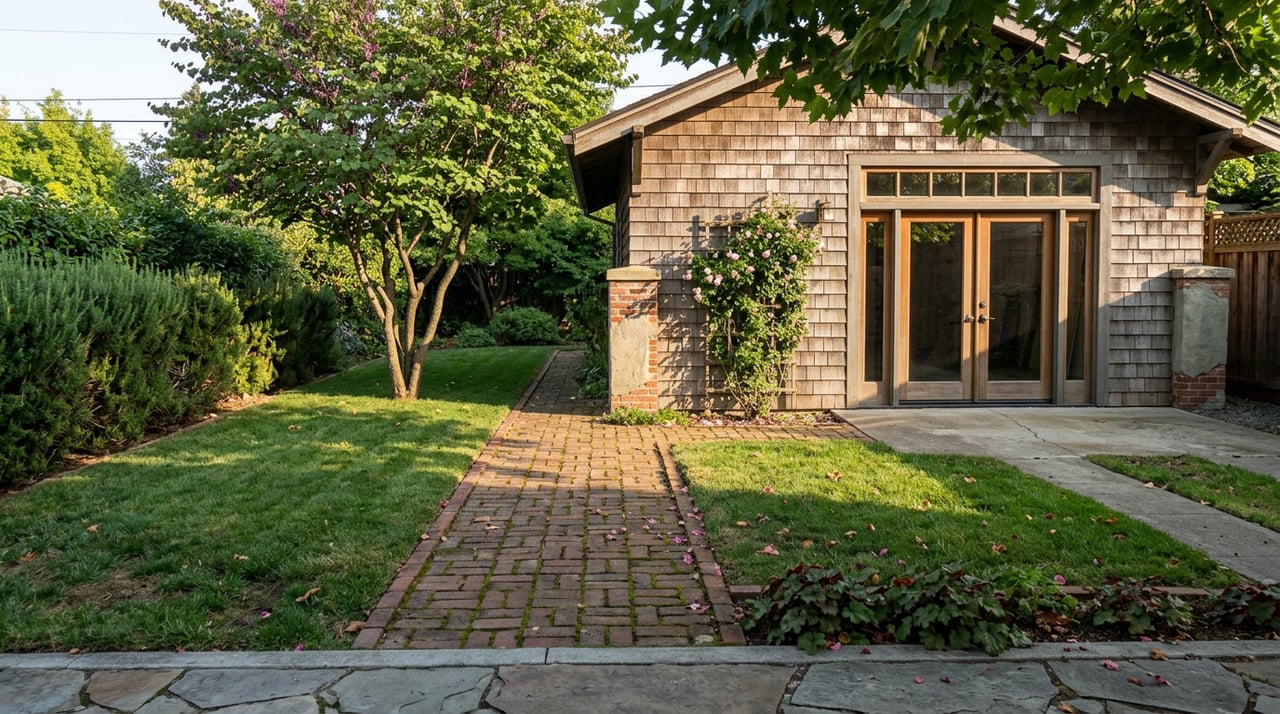
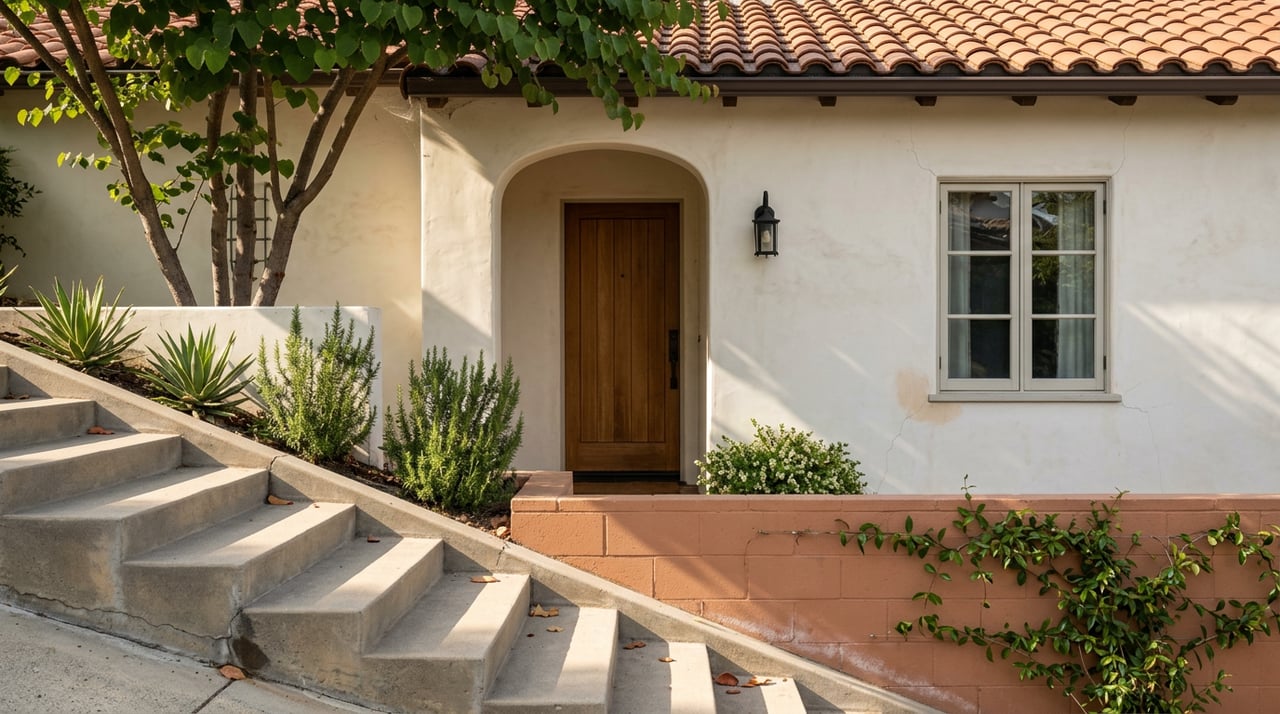
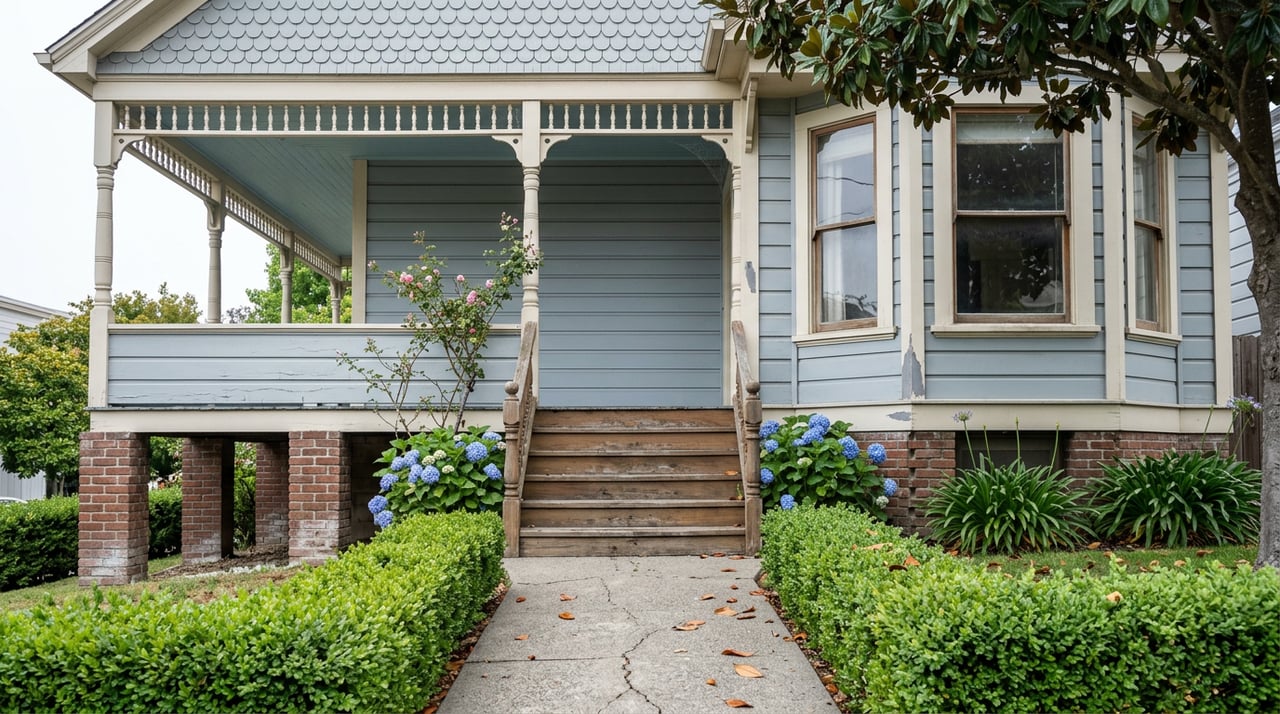
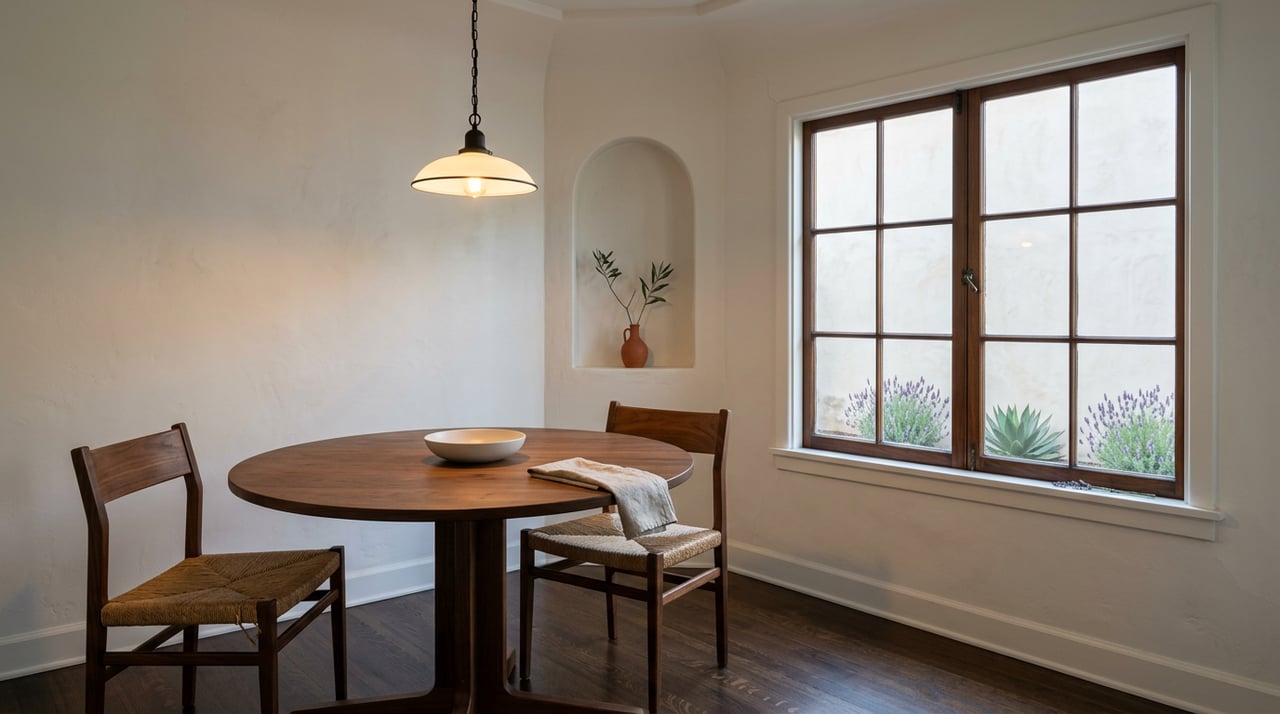
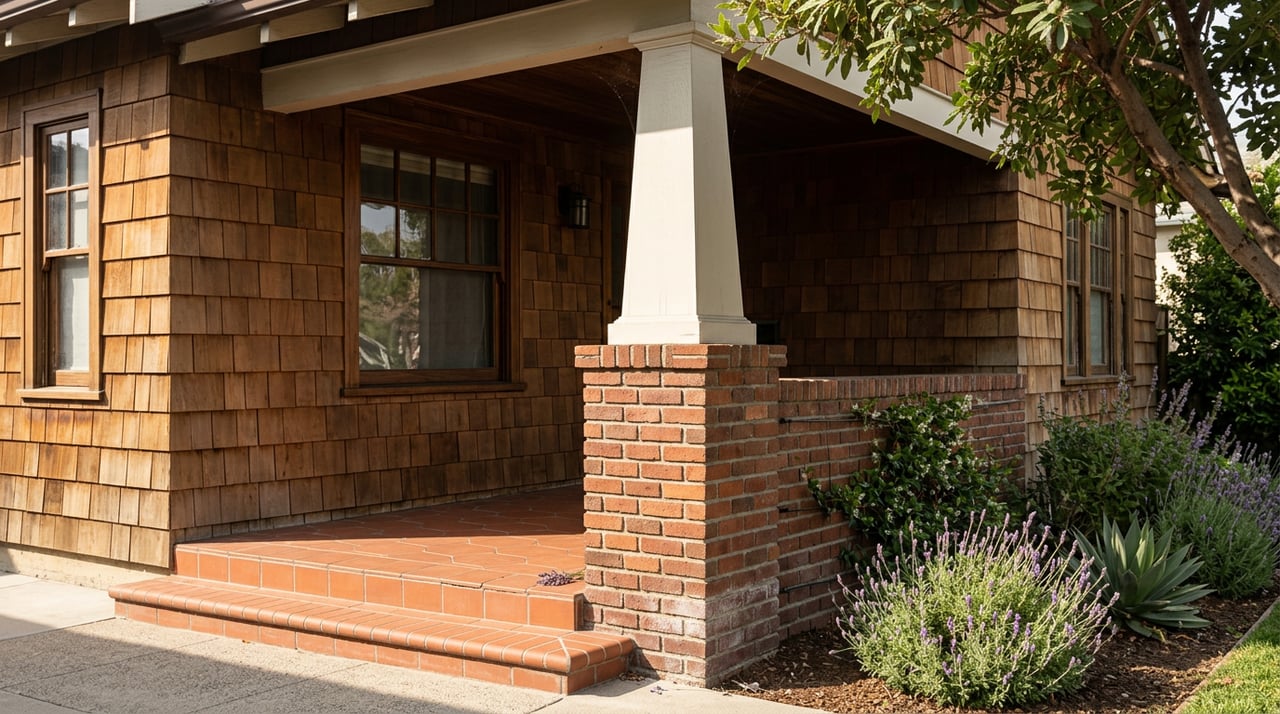
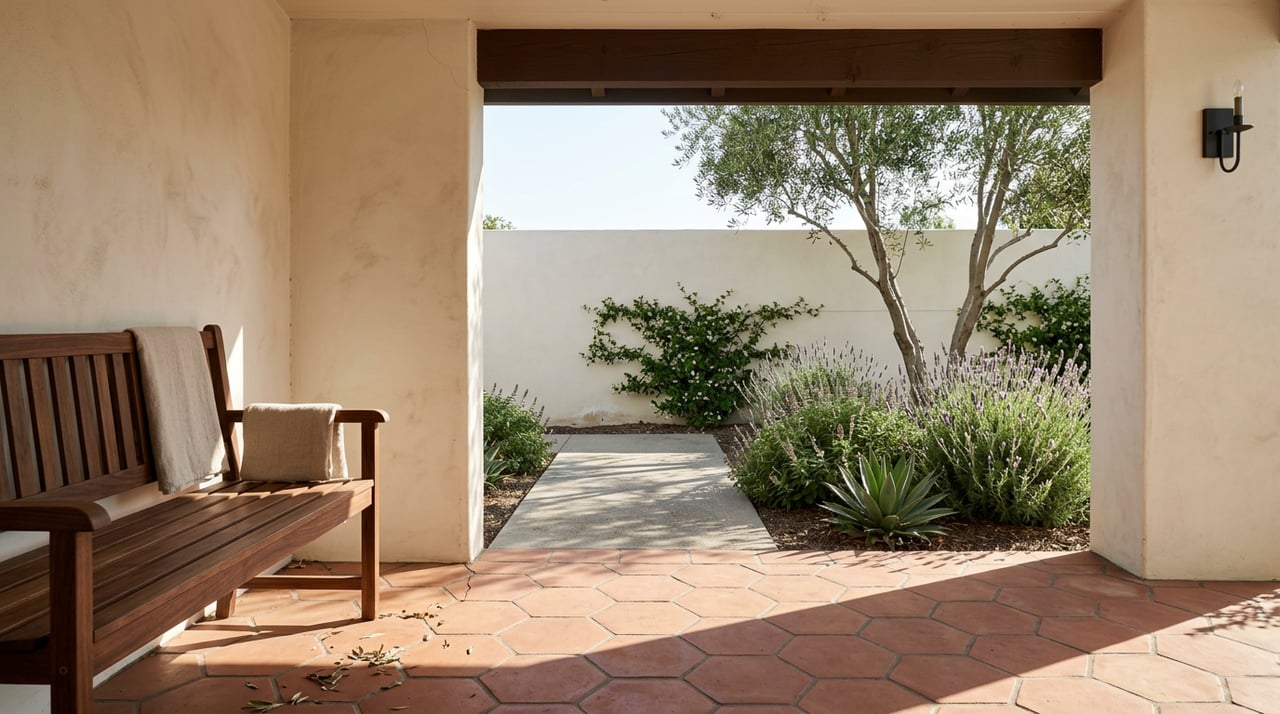
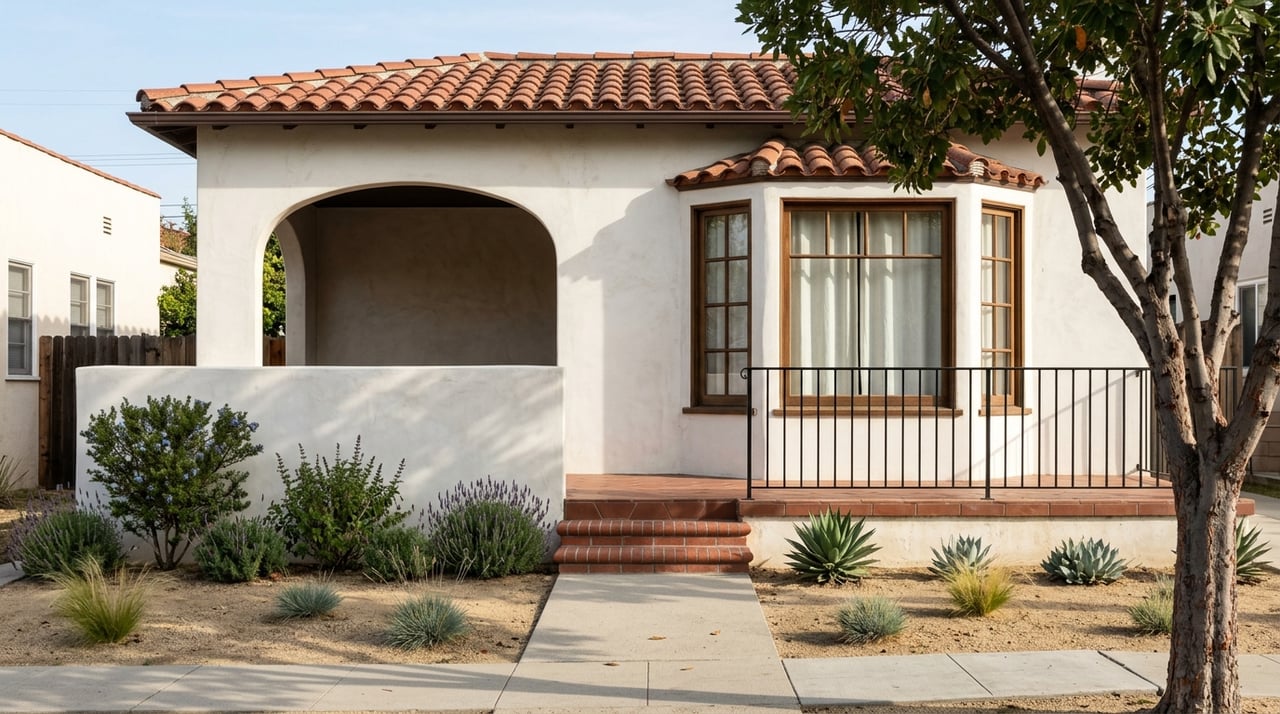
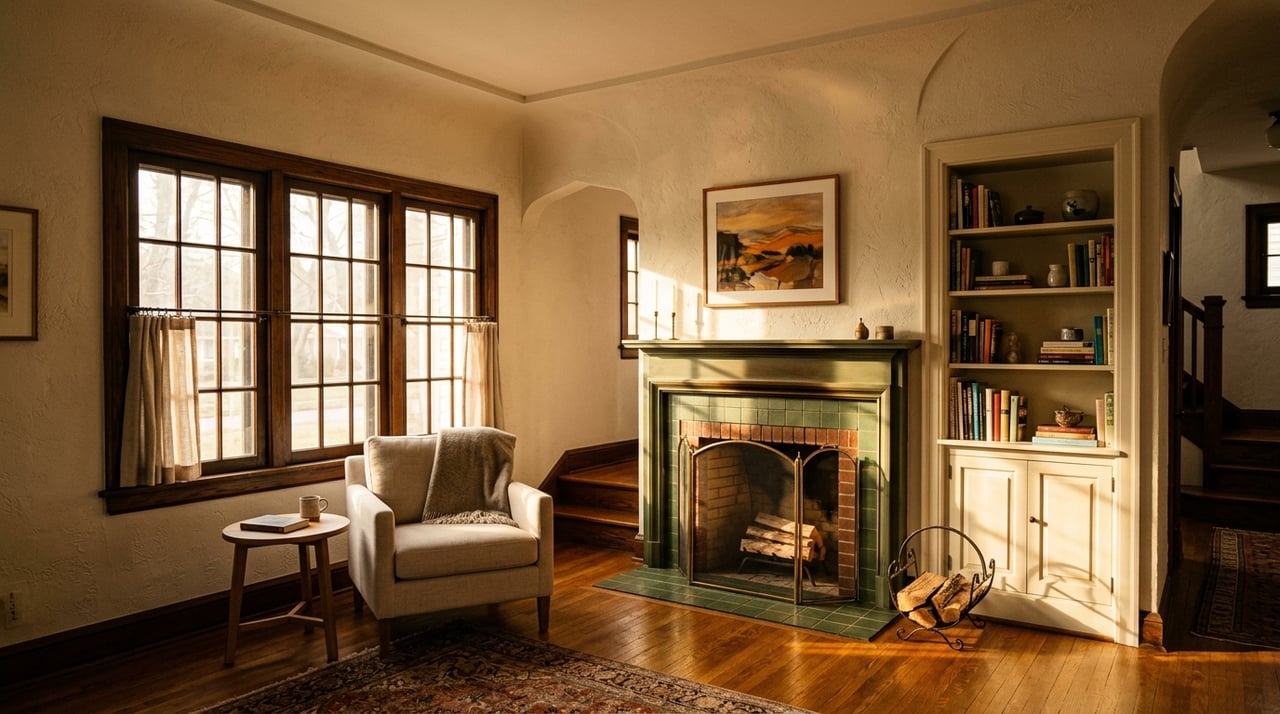
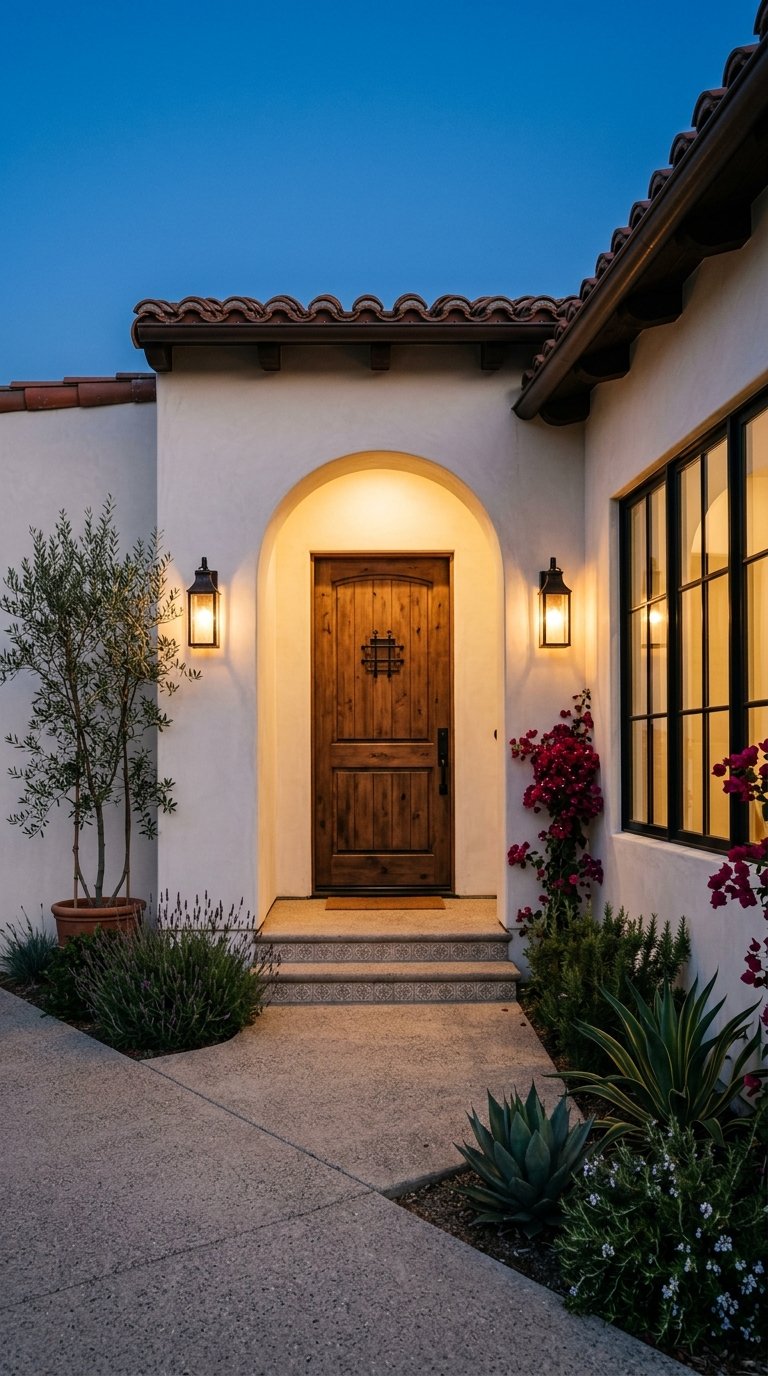
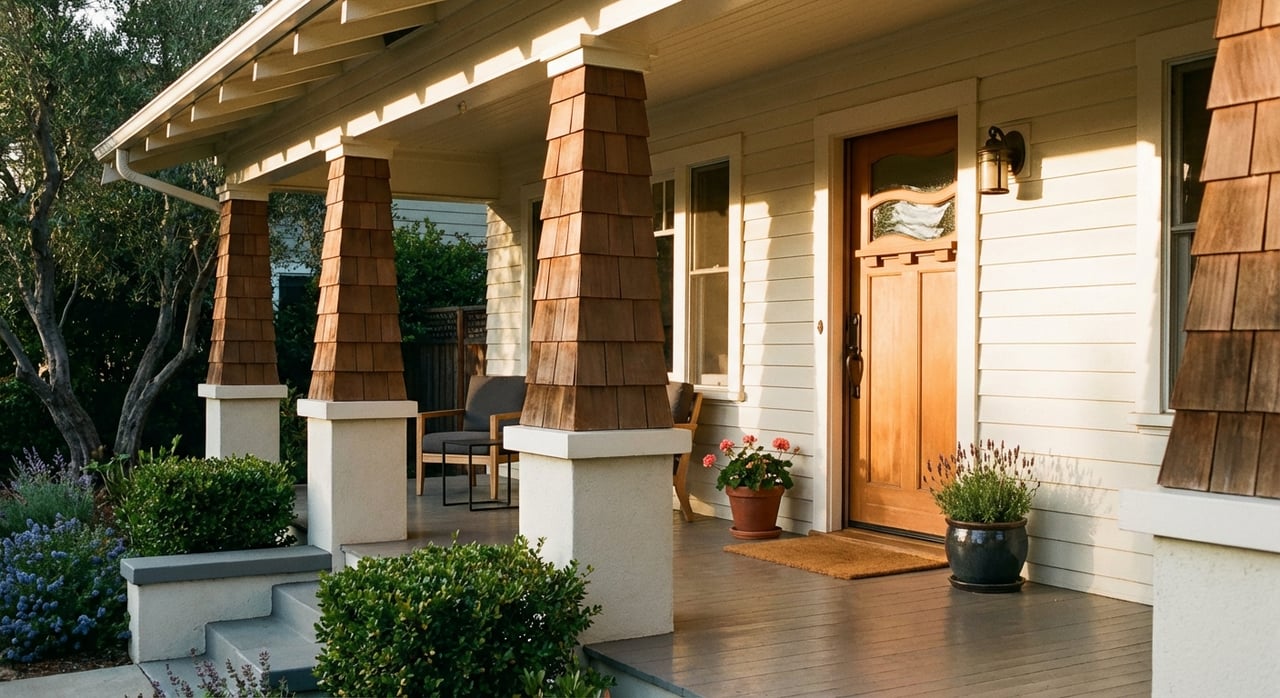
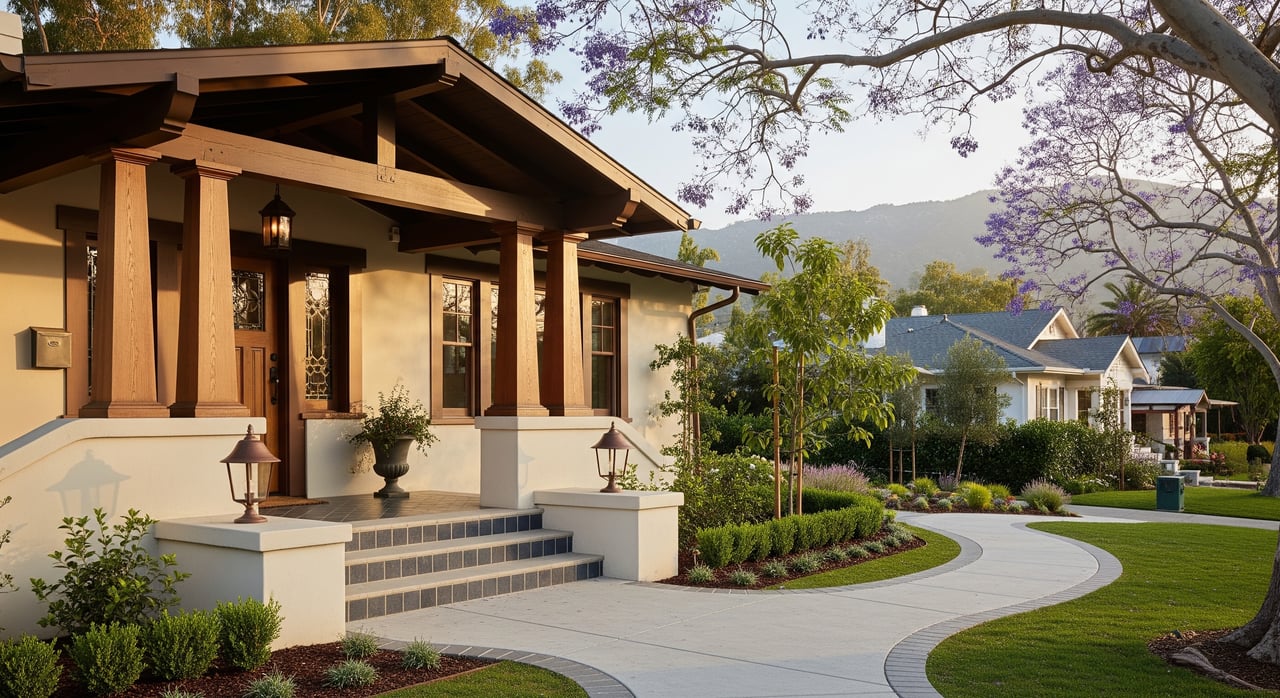
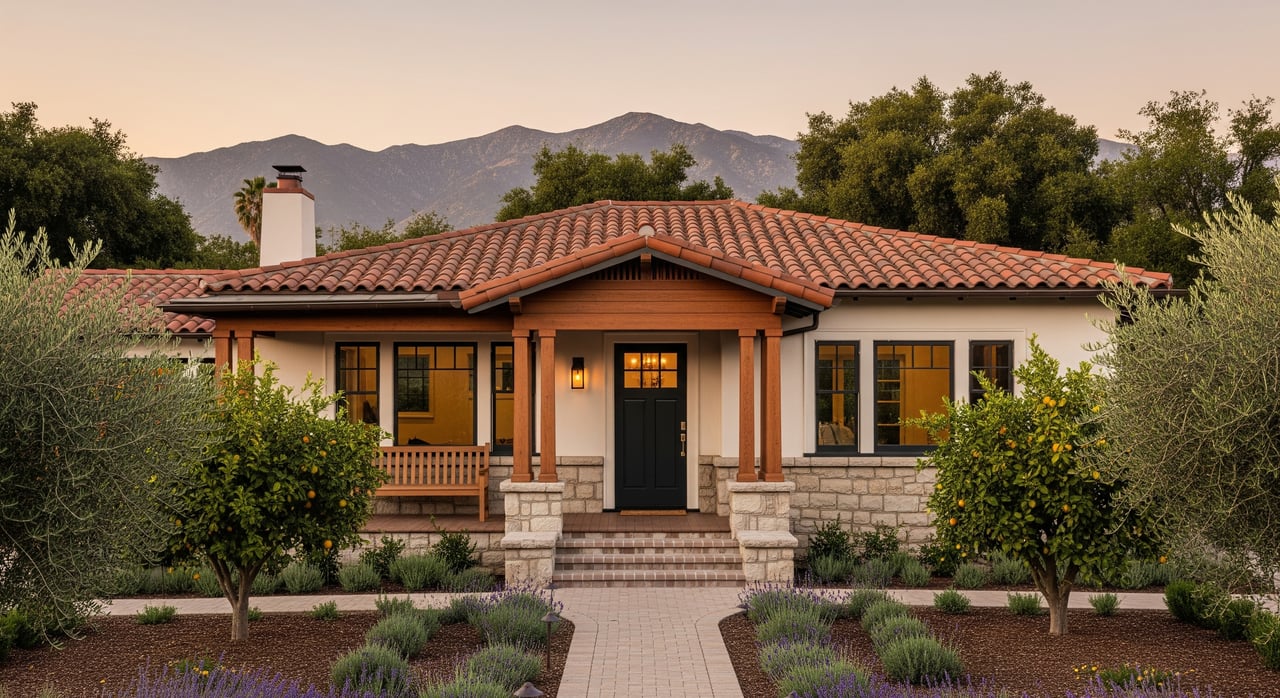
The homes themselves are the kind of stock South Pasadena rarely turns over: Craftsman bungalows, a Spanish Revival or two, a Mid-Century property, sitting on streets like Orange Grove Avenue, Bonita Drive, Grevelia Street, and Valley View Road. On paper, that's a renovation buyer's dream. In practice, getting to the closing table involves clearing a process that looks nothing like a normal residential sale.
The paperwork before the property
The marketing team handling these listings represents the seller only, the City of South Pasadena. Anyone who wants to write an offer without their own buyer's agent has to sign a Buyer Non-Agency Agreement before they can even receive the offer documents. Once you have those documents, the listing team has been explicit that they will not answer questions about the property's condition or interpret anything in the paperwork for you. You're expected to review the file, and the city's own Planning Division, on your own.
There's also a rule that doesn't come up in a typical home sale: prospective buyers, their agents, and anyone acting on their behalf are barred from contacting members of the South Pasadena City Council about the property, an offer, or the status of a bid, whether that contact is direct or indirect. In a market where politically connected buyers sometimes try to work relationships to get ahead, this route is closed by design.
Layer the historic designation on top of that. Because the Columbia House sits on the city's Inventory of Historic Resources, a buyer has to work through the historical requirements attached to the listing and is pointed toward the South Pasadena Preservation Foundation as a resource for understanding what restoration on a designated property actually requires. That's an additional review most South Pasadena buyers never have to think about, layered on top of the non-agency paperwork and the no-contact rule.
None of this touches the house. It's all procedural. And it's the reason a broker representing several of these properties in an earlier round put it plainly: these are not properties for the faint of heart, because you're buying something you're not entirely certain about.
What the sale prices actually tell you
Here's where the story gets interesting. Despite the process, despite the condition, despite utilities that had been off for years, buyers in the 2024 round didn't just accept these homes at a discount. They bid them up.
| Address | List Price | Sale Price | Premium |
|---|---|---|---|
| 1707 Meridian Ave | $949,000 | $1,007,000 | +$58,000 |
| 216 Fairview Ave | $1,076,000 | $1,274,000 | +$198,000 |
| 225 Fremont Ave | ~$1,200,000 | $1,377,000 | +$177,000 |
| 217 Fremont Ave | ~$1,200,000 | $1,450,000 | +$250,000 |
That's a pattern of premiums running 5 to 20 percent over asking on homes with boarded windows, damaged floors, and peeling paint, sold as-is by a seller who won't answer condition questions. A similar dynamic played out a few miles north in Pasadena's own Caltrans round, where a 1912 Craftsman on State Street listed at $1.75 million closed at $3.428 million.
The instinct is to read that as buyers underestimating renovation risk. A more useful read is that buyers are pricing the address, not the house. South Pasadena rarely puts inventory like this on the market at any price. When five or eight Craftsman-era homes hit the MLS at once in a city where active listings are usually scarce, the scarcity itself becomes the asset. The renovation is a known cost you can estimate. A shot at owning one of a handful of century-old houses in this particular city, on this particular street, isn't something you get to price twice.
The city is trying to change who wins
The 2024 round drew a buyer pool skewed toward people with cash and construction experience. Two of the five winning bidders that year were relocating from Northern California, both with prior renovation experience and the capital to make strong, well-funded offers. A firm called Zavvie Power Buyer LLC also had an accepted offer, a service that makes cash offers on behalf of clients who then buy the property from Zavvie at the same price, a workaround for buyers who need financing but are competing against all-cash bids.
For the 2026 round, the marketing team sought out lenders specifically to build financing options for owner-occupied buyers, an effort the city's own announcement framed as a way to open homeownership to a wider group rather than just well-capitalized investors. Whether that shifts the eventual buyer pool is still an open question with this round barely underway, and with two of the most sought-after properties already pulled from consideration.
What this means if you're actually considering one
If you're drawn to these homes for the right reason, because you want a genuine piece of South Pasadena's Craftsman and Spanish Revival stock and you're prepared to put real work into it, the condition risk is manageable. Decades of vacancy and deferred maintenance are visible, estimable problems. A contractor's eye can walk a property like this and get close on scope even without running utilities, based on what a structure that age typically hides behind its walls and under its floors.
The part you can't estimate from a walkthrough is the process itself. Whether a property stays listed through your bid window. Whether the historic review adds months you didn't budget for. Whether the seller's insistence on no direct answers leaves you guessing about something a normal disclosure would have told you. That's the risk that actually moves outcomes here, and it's the one most renovation-minded buyers underprice until they're already in the middle of a bid.
If you're weighing whether one of these properties fits your renovation plans and your risk tolerance, that's exactly the kind of conversation Joe Kaplan has with clients before they write an offer, not after.
A few questions worth asking first
Can I get an inspection before I submit an offer? These properties are sold as-is, and the marketing team has been clear it will not field condition questions. Treat any walkthrough as a chance to assess visible structural and system issues yourself or with a contractor, not as a substitute for the disclosures you'd get in a standard resale.
Do I need my own agent to bid? Yes. The team marketing these listings represents the seller only. Buyers without their own agent must sign a Buyer Non-Agency Agreement before receiving the documents needed to write an offer.
What actually happened to the Columbia House? As of this writing, both 1131 Columbia Street and 1039 Grevelia Street have been placed on hold, with no further detail released publicly. It's not clear whether that's temporary or a sign the city is reconsidering how it handles its most historically significant property in this round.
If you're watching this market and want a read on what a specific property is worth once you account for the rehab, the review, and the process itself, let's connect.