Wondering if there is such a thing as a starter home in Highland Park? The short answer is yes, but it probably does not look like the classic first house with a big yard and brand-new finishes. If you want to buy into one of Northeast LA’s most established neighborhoods, it helps to understand the trade-offs, the price points, and the kinds of homes that actually show up. Let’s dive in.
What starter homes mean here
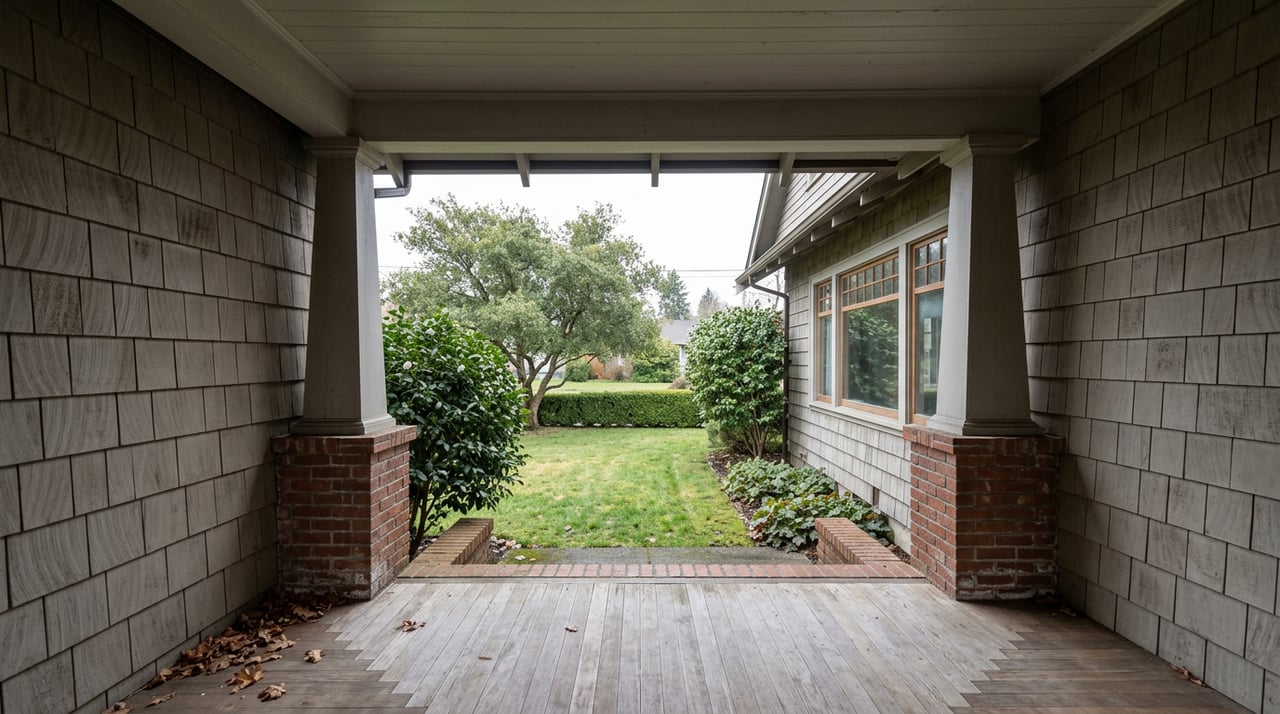
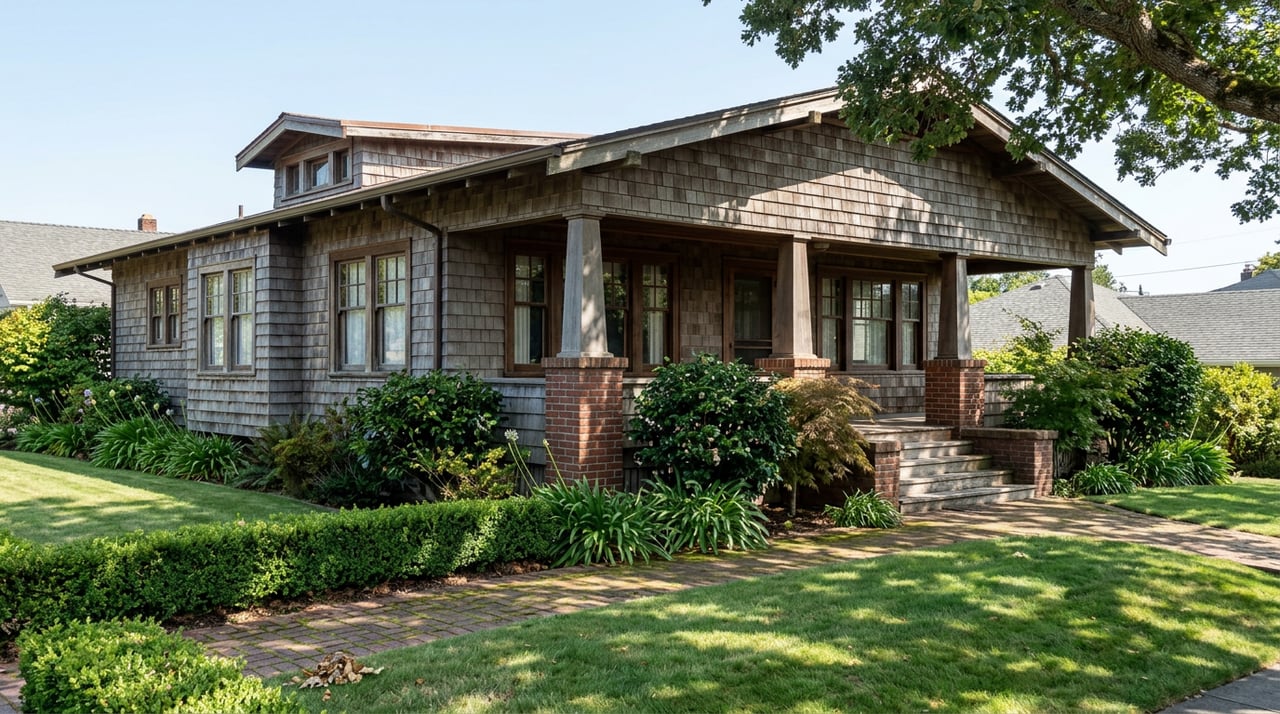
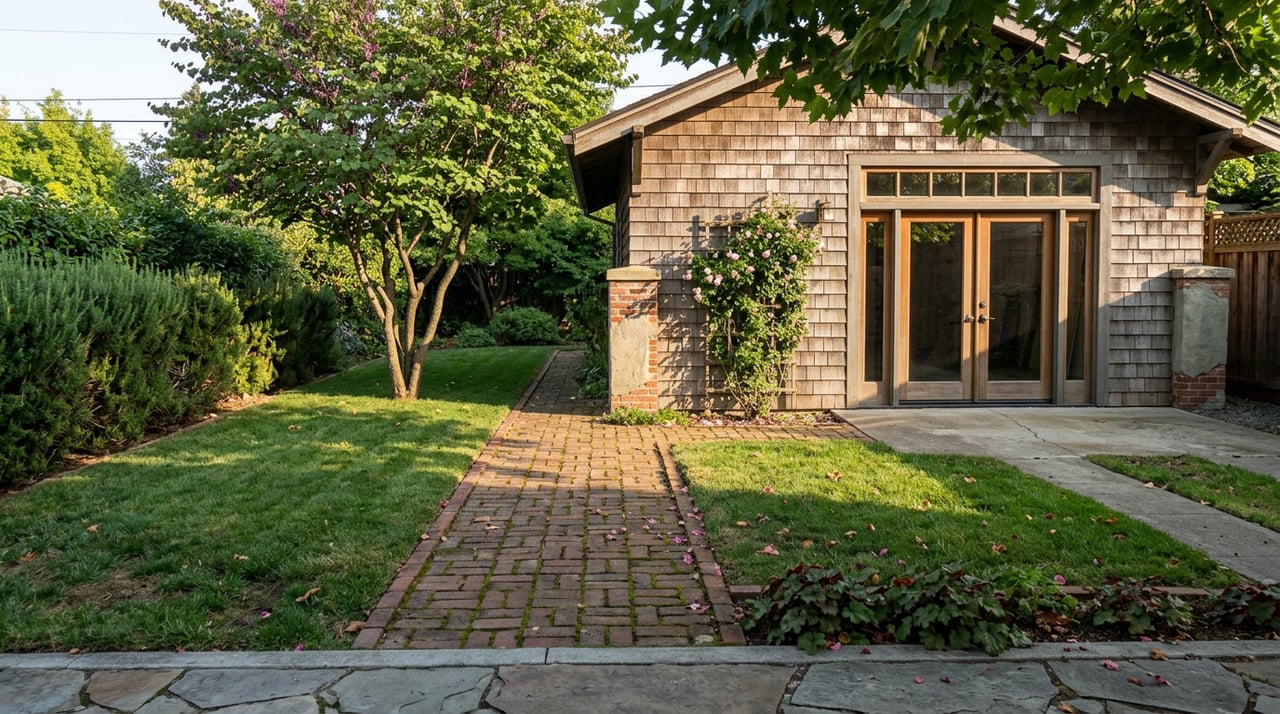
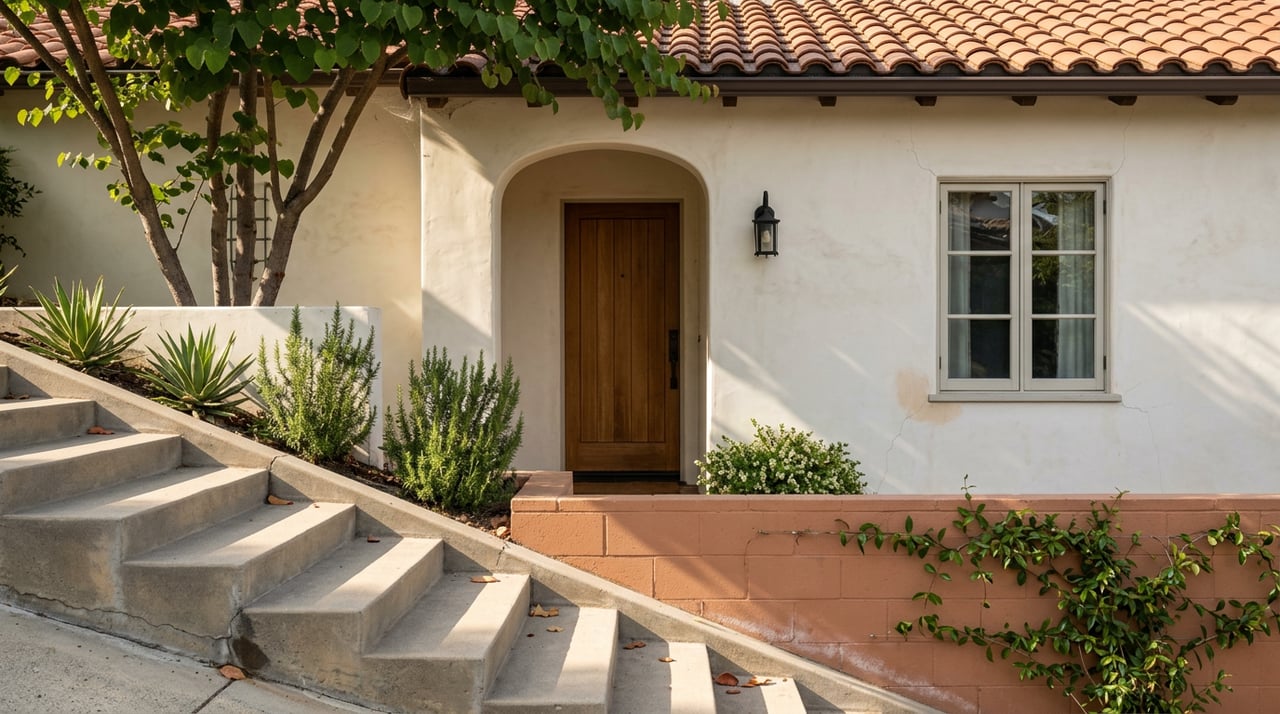
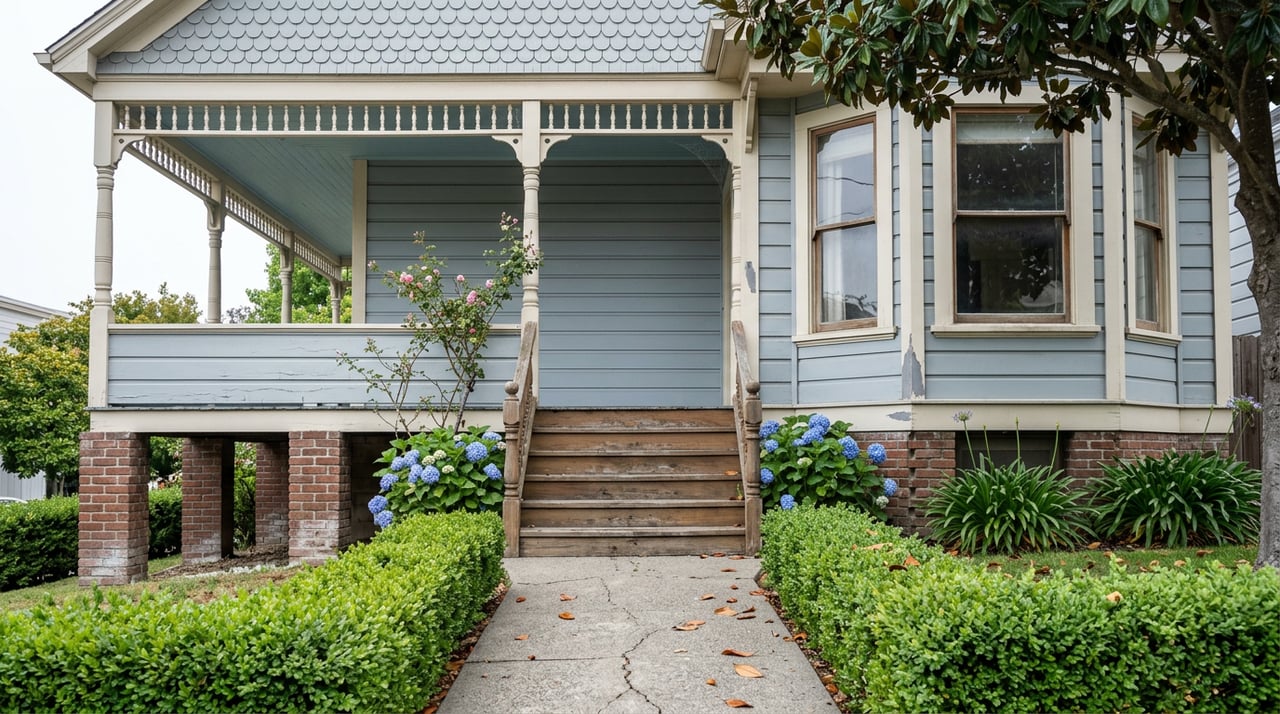
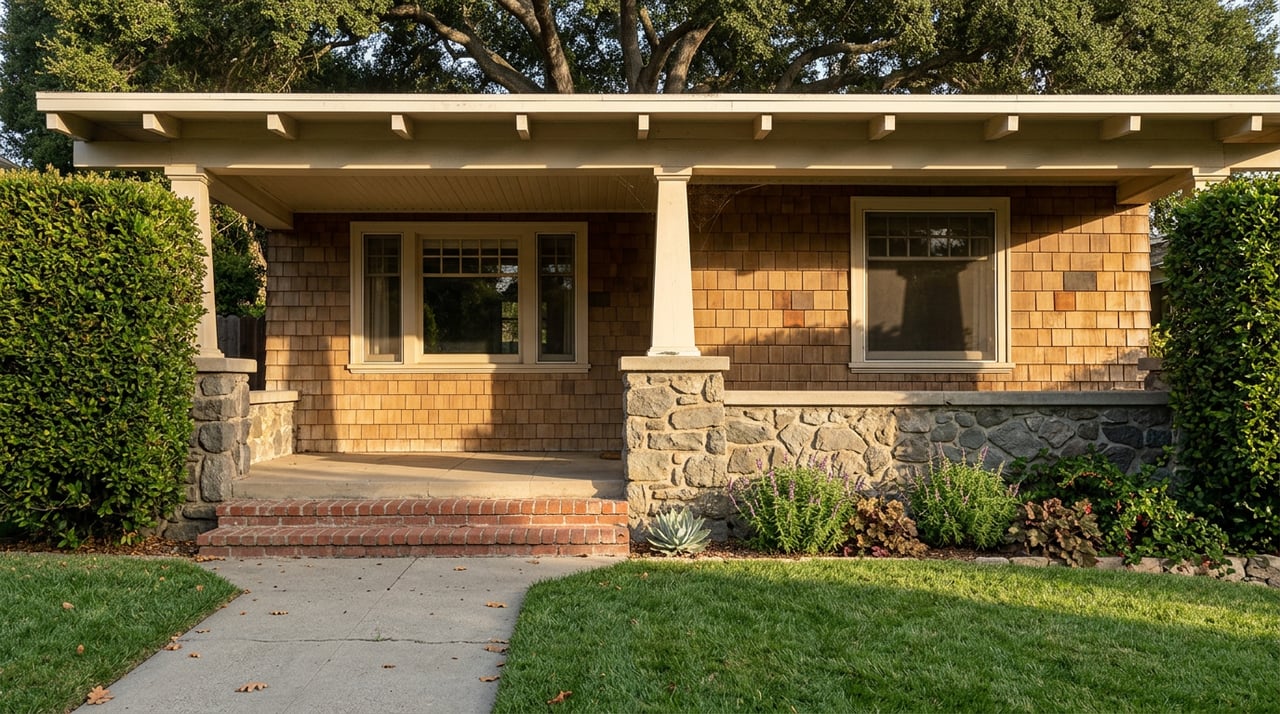
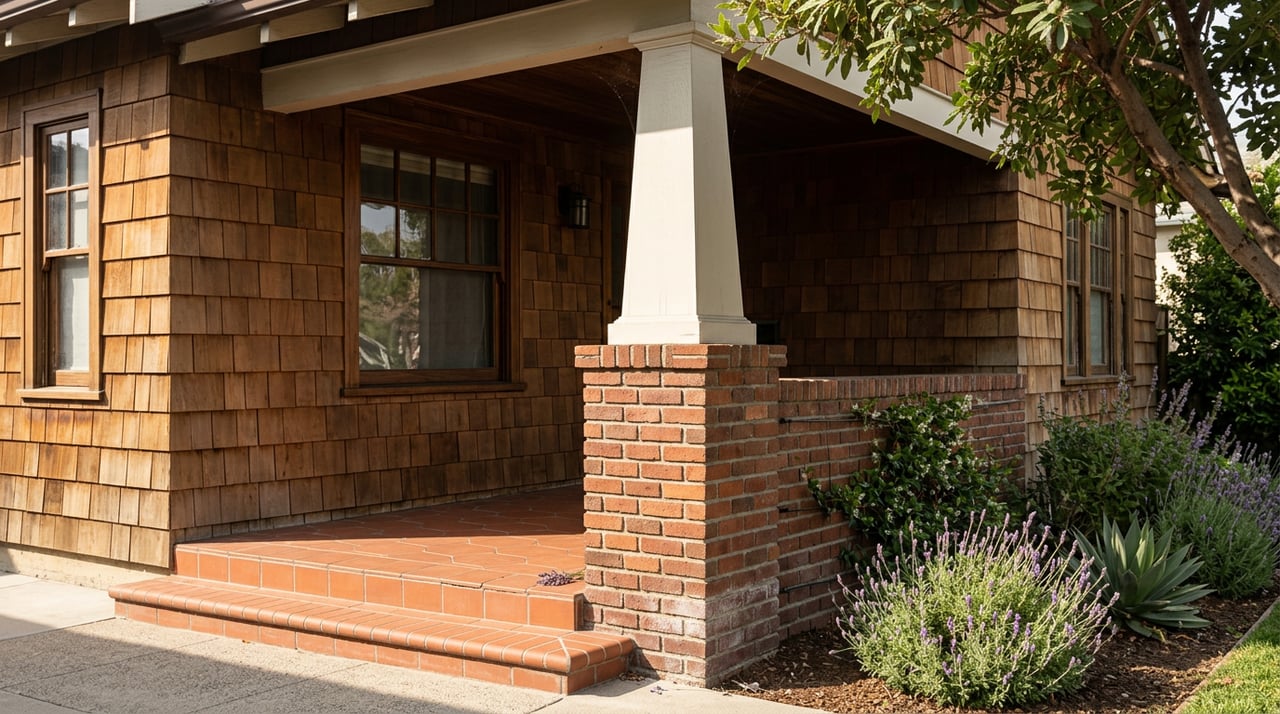
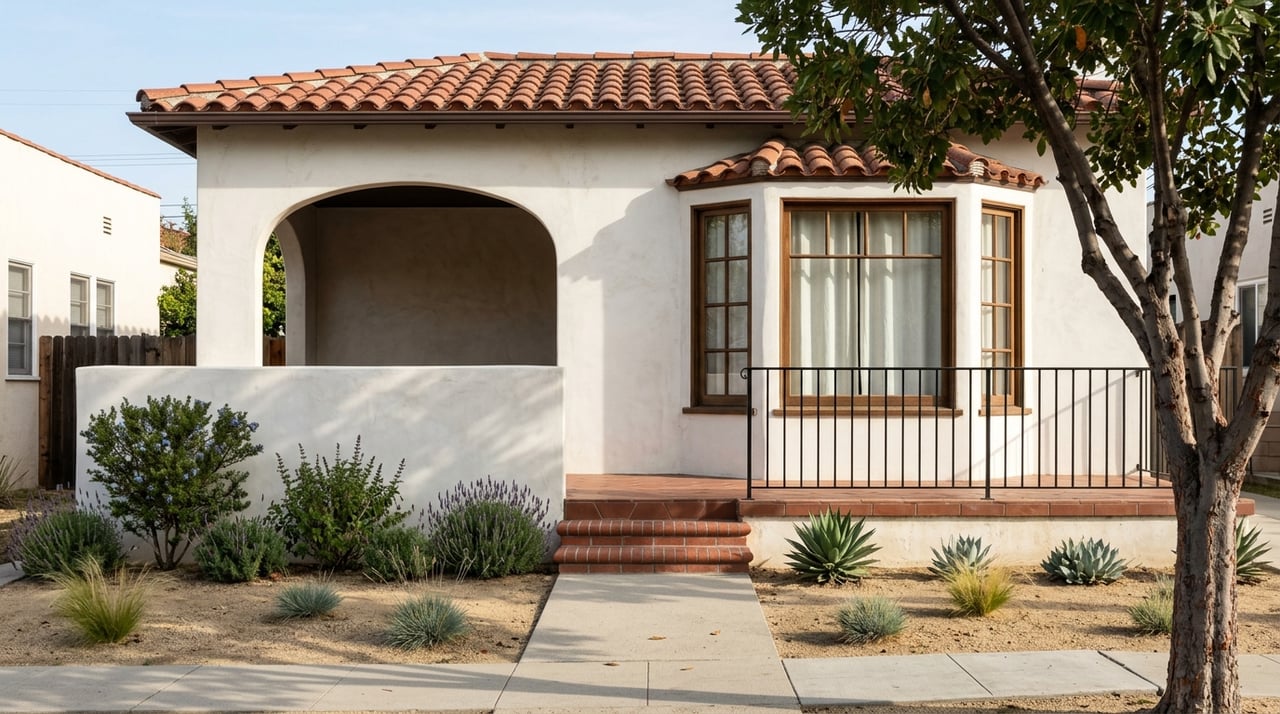
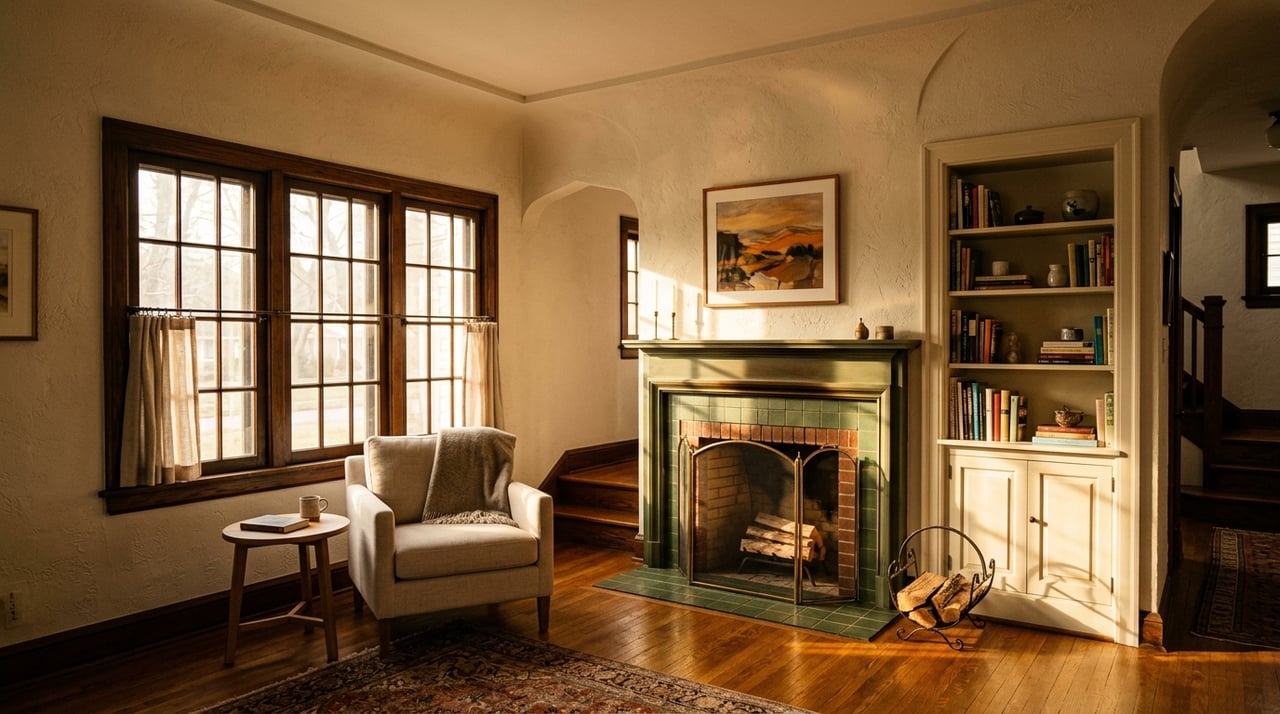
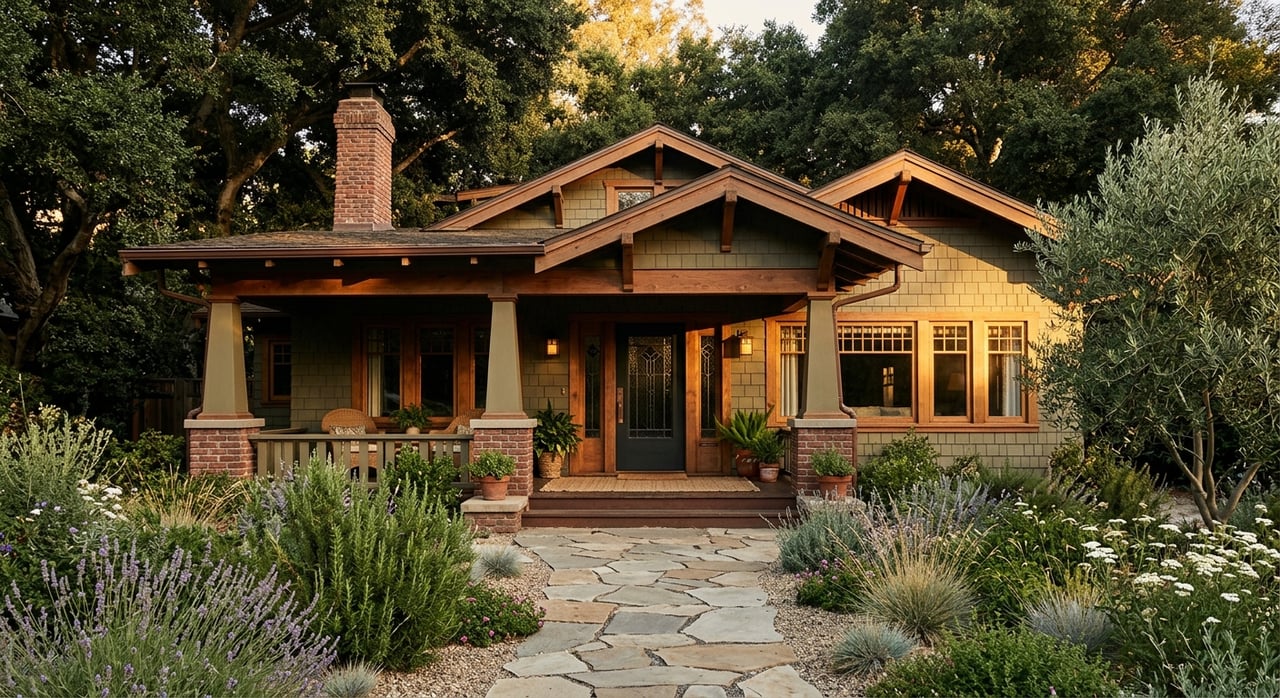
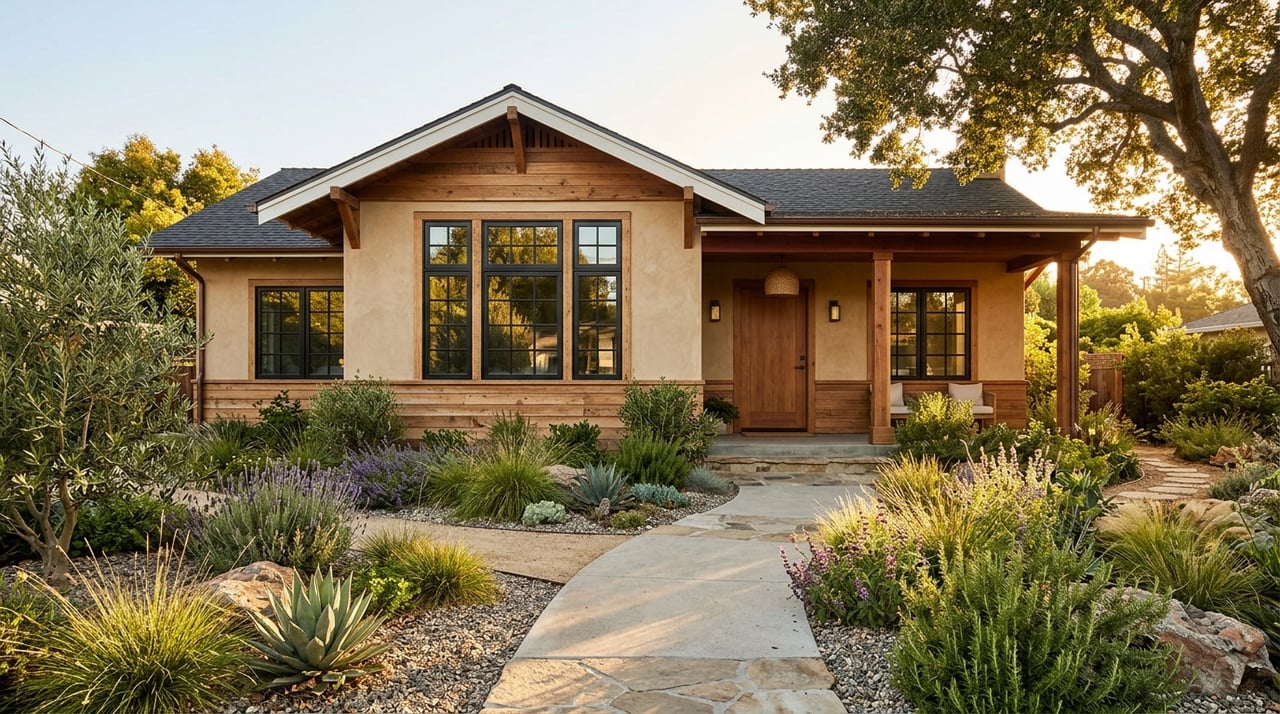
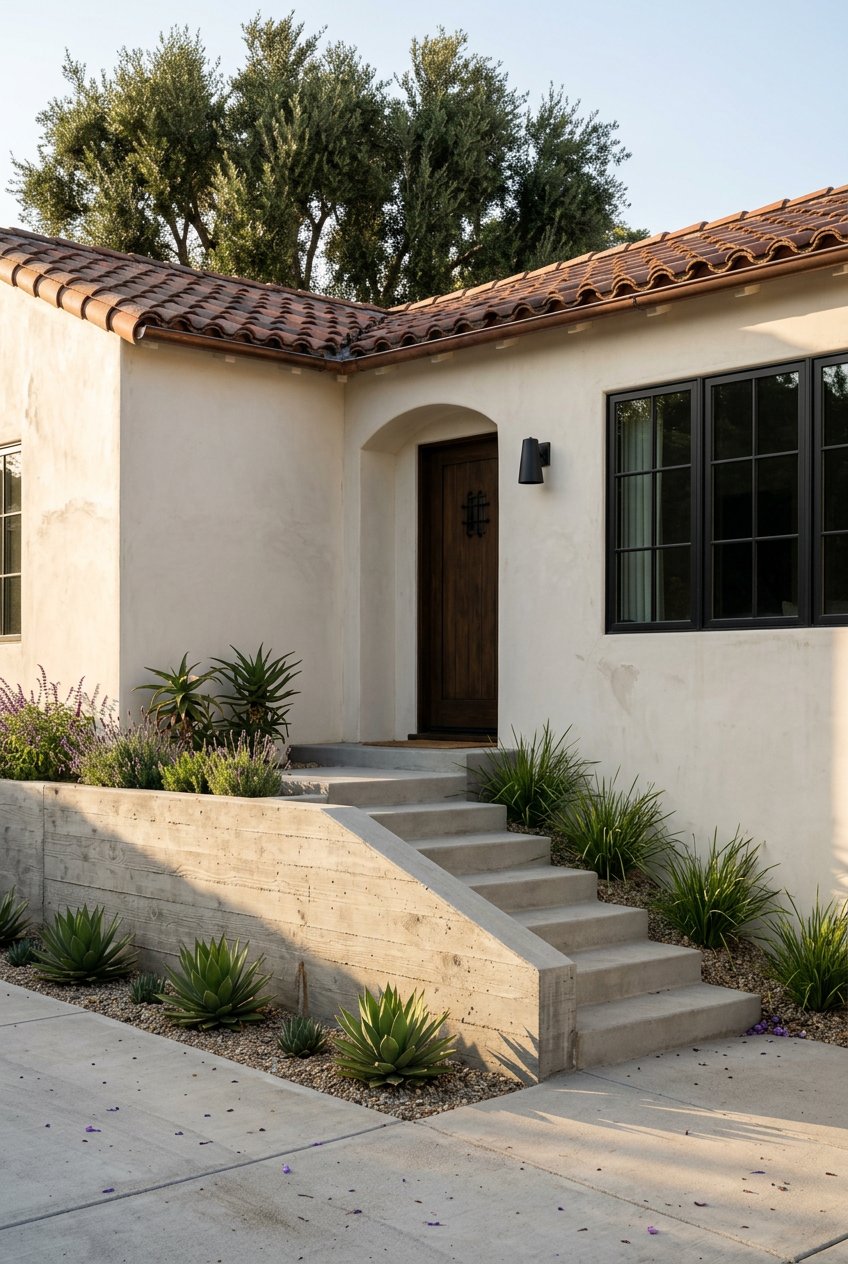
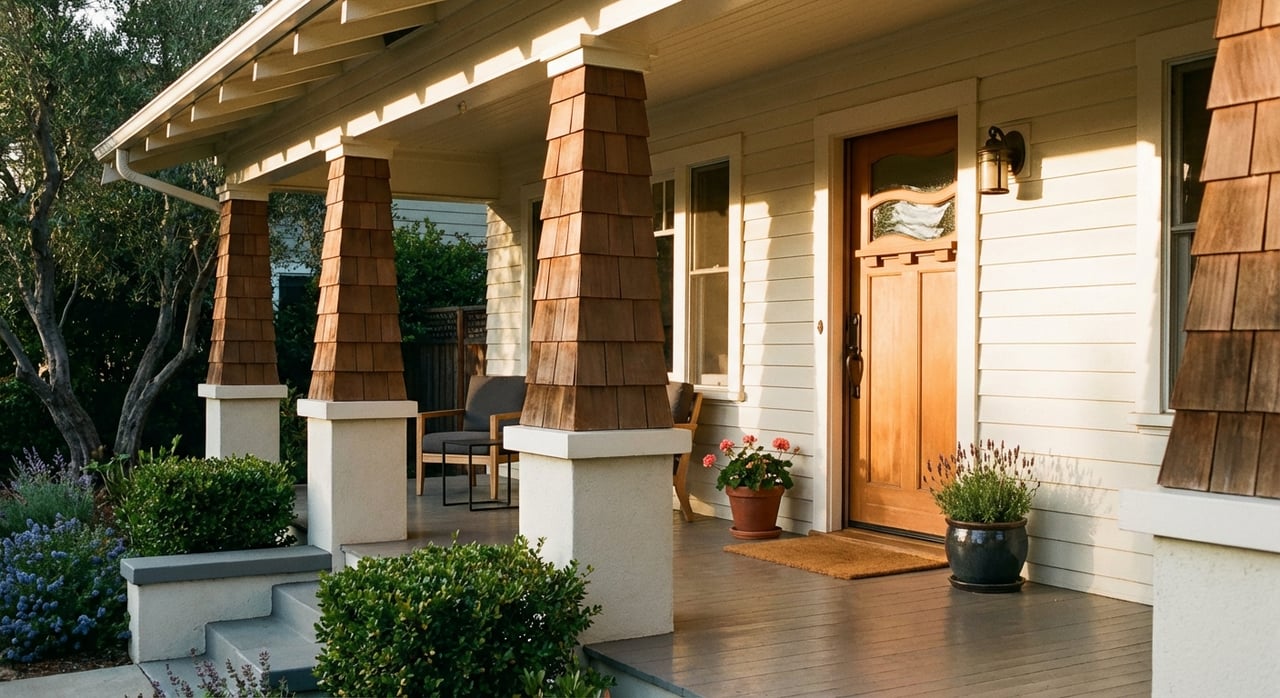
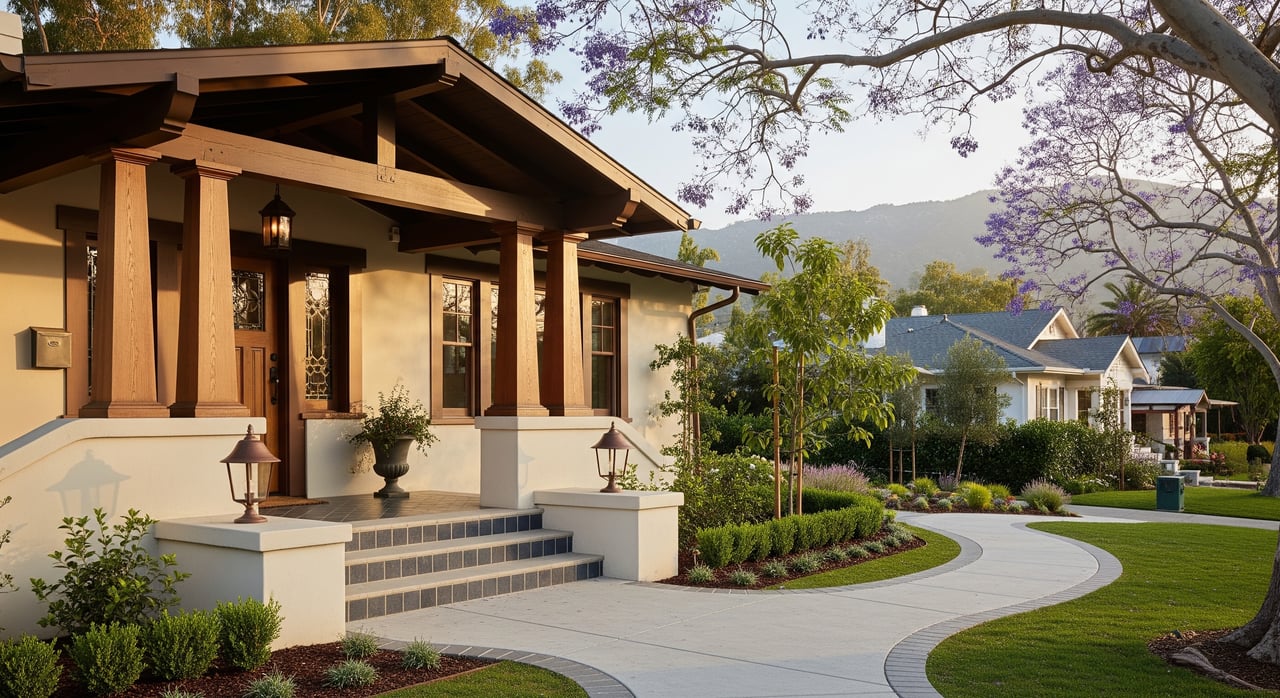
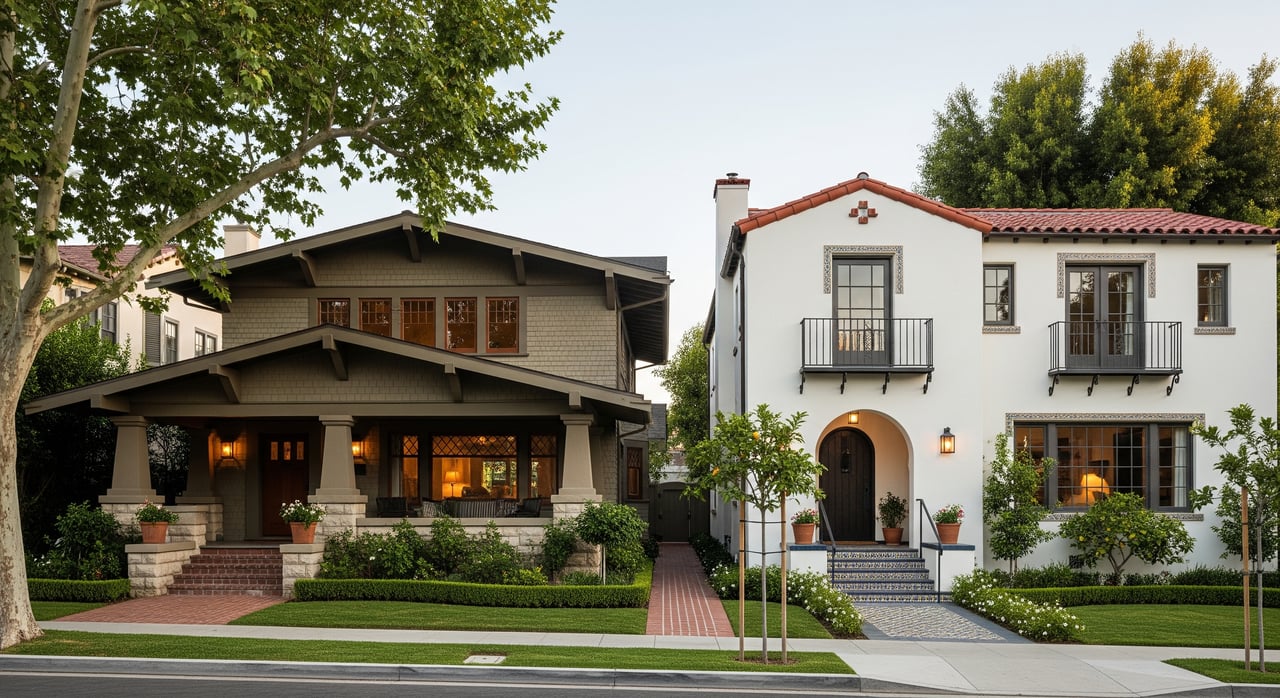
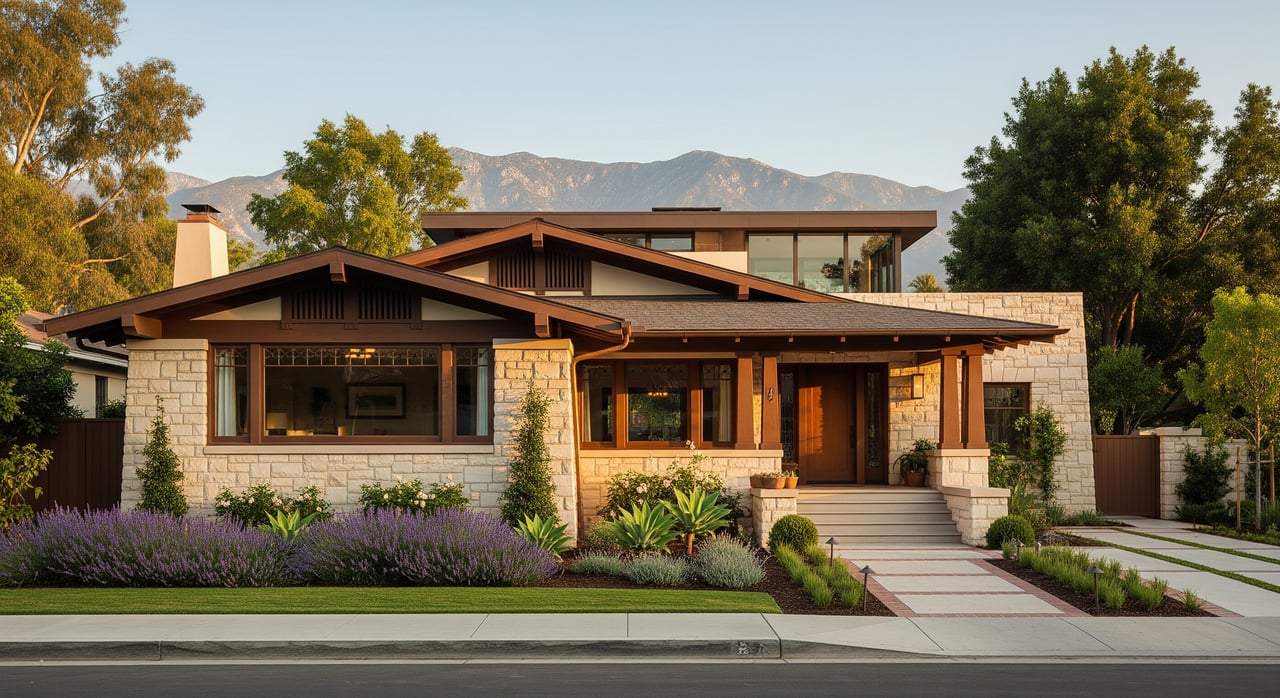
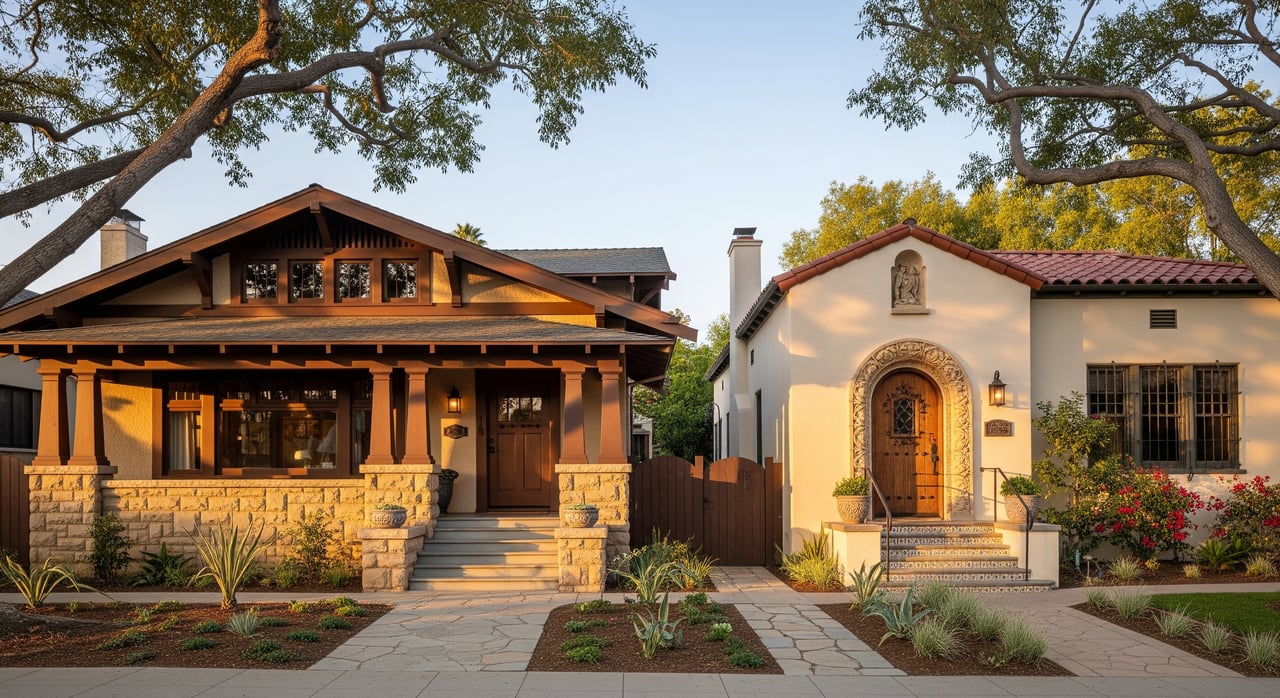
Highland Park is one of the older housing areas in Northeast Los Angeles, with architecture that stretches from the 1880s through the 1940s. Los Angeles City Planning notes a strong Craftsman presence in the Highland Park-Garvanza HPOZ, and the Northeast Los Angeles Community Plan describes the area as a late-19th-century streetcar suburb with mostly early-20th-century housing styles.
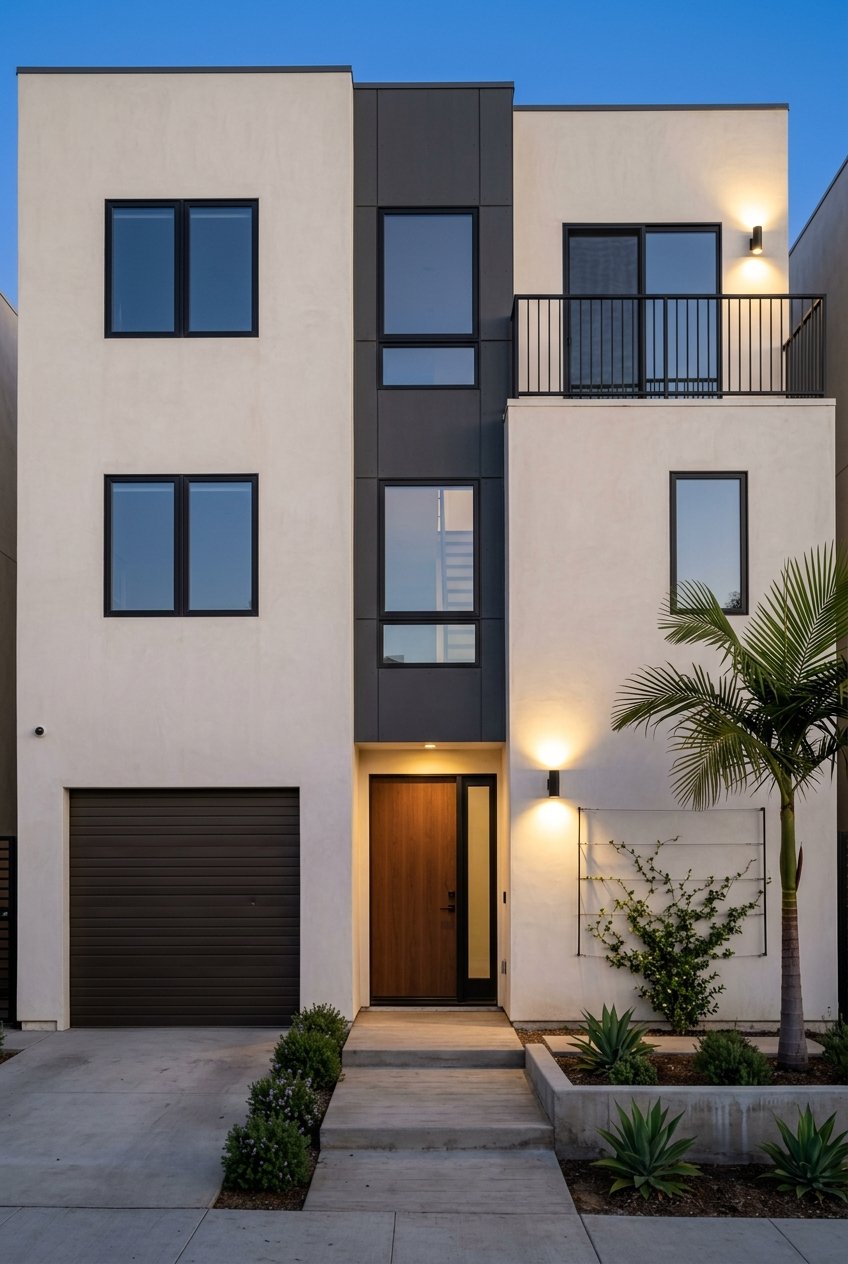
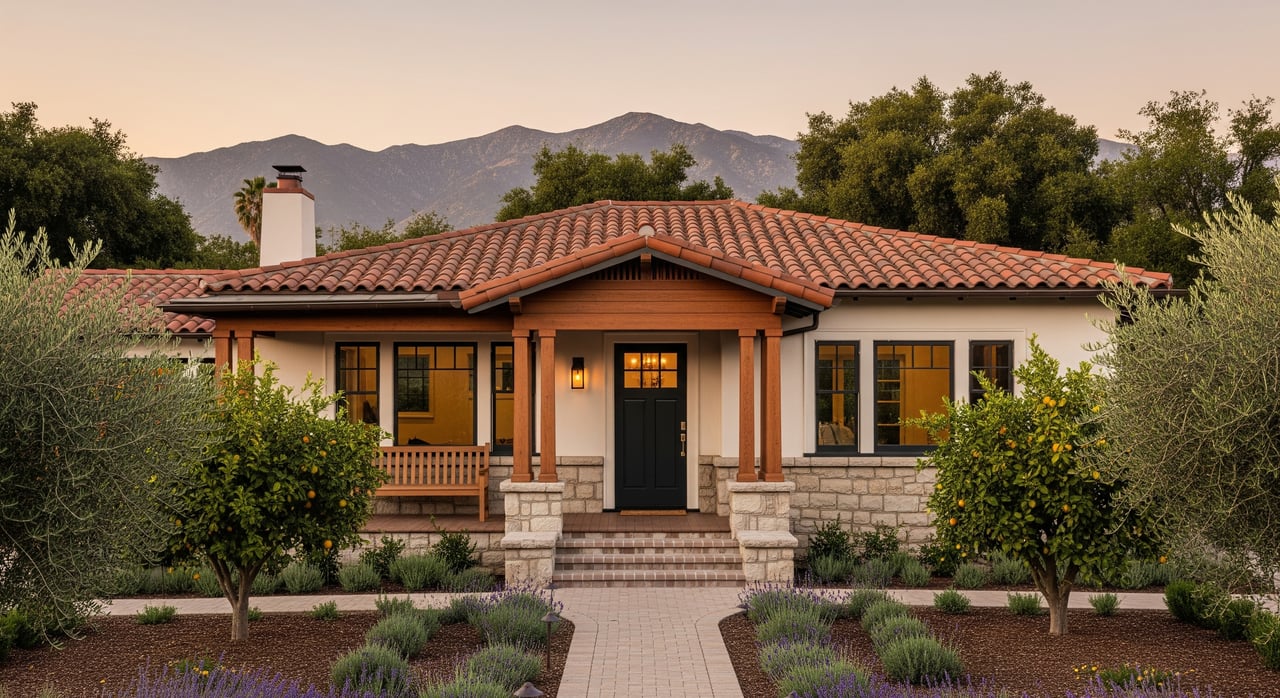
That history matters because a Highland Park starter home is usually not a new detached house at an entry-level price. More often, your realistic starting point is a smaller, older home, an attached unit, or a property with condition or ownership trade-offs.
Highland Park prices set the tone
As of market snapshots through May 2026, Highland Park sits around a $1.2 million median listing price and a $1.19 million median sold price. Realtor.com reports 136 homes for sale, 43 median days on market, and a 100% sale-to-list ratio.
Redfin reports homes selling in about 44 days, with 45.2% selling above list price over the last three months. Some homes go pending in roughly 31 days when they are considered hot, which tells you the market can move quickly, but not every listing turns into a frenzy.
The most common starter-home options
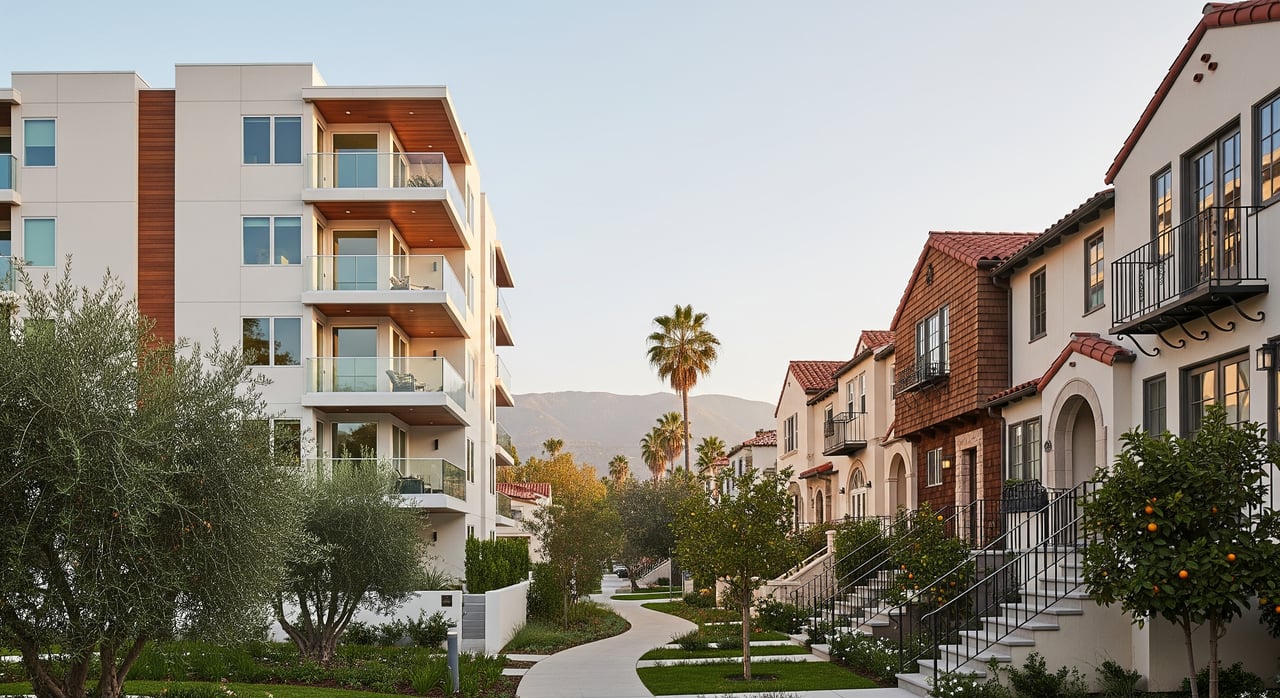
For many buyers, the practical entry point in Highland Park is attached housing. That usually means condos, townhouse-style homes, or sometimes TICs, which are tenancy-in-common properties.
Redfin’s Highland Park condo data shows just 4 condos for sale at a median listing price of $438,000, with examples around $429,000, $599,000, $625,000, and $639,000. That gives you a useful reality check: attached homes can offer a path into the neighborhood at a lower price than detached homes, but inventory may be limited.
Condos and townhome-style units
If your goal is simply getting into Highland Park, a condo or townhouse-style home may be your best shot. These properties can be more manageable from a budget standpoint and may require less immediate upkeep than an older detached house.
The trade-off is usually space and privacy. You may give up a private yard, flexible parking, or the feel of owning a stand-alone home on its own lot.
TICs and co-ownership options
TIC listings can widen your search, especially if you want more space or character. The research report notes a current Highland Park TIC listing at $974,999 for a 3-bedroom, 2-bath, 1,500-square-foot unit.
That example is important because it shows TICs are not always bargain buys. They can offer a different ownership structure and sometimes more home for the money than a condo, but they also come with extra details that deserve careful review.
Why detached starter homes are harder to find
Because Highland Park is an older, established neighborhood, detached homes tend to move up in price quickly. When buyers picture a starter home here, they often need to adjust expectations.
Instead of focusing on “perfect,” it helps to think in terms of priorities. You may need to choose between a detached home that needs work, an attached home in better condition, or a property with less parking or outdoor space than you first imagined.
Expect age and condition trade-offs
A lot of Highland Park’s housing stock is older, and older homes often come with quirks. Smaller rooms, aging systems, limited storage, and parking challenges are common themes in neighborhoods with period homes.
That does not mean these homes are bad buys. It means you should budget carefully and inspect thoroughly so you understand what you are taking on before closing.
What to pay attention to during inspections
With older homes, the big-ticket items matter. Roof condition, plumbing, heating, and other major repair categories can become expensive if they are near the end of their useful life.
This is where having a practical eye helps. If you are buying in Highland Park, it is smart to look beyond paint color and staging and focus on the systems and structure that will affect your budget after move-in.
Historic overlay rules can affect plans
Highland Park buyers should also know that some properties fall within the Highland Park-Garvanza HPOZ. According to Los Angeles City Planning, projects within an HPOZ generally require administrative clearance or entitlement review.
The zoning guidance also says ordinary maintenance that does not change design, material, color, or outward appearance does not require a certificate of appropriateness. In plain English, interior updates may be simpler, while exterior additions, facade changes, or demolition can trigger an extra city review step.
Why this matters for starter-home buyers
If you are buying a home because you want to fix it up over time, this is a big deal. The home may have great potential, but your renovation timeline and scope could be shaped by local review requirements.
That is especially true for buyers drawn to Craftsman and other period properties. Character is a huge part of Highland Park’s appeal, but preserving that character can come with added planning steps.
Budget beyond the mortgage payment
In a neighborhood where prices are already high, post-closing costs matter a lot. Los Angeles County says new owners may receive supplemental property tax bills after a change in ownership or new construction, and those bills are mailed directly to the owner rather than usually being covered by an impound account.
For first-time buyers or budget-conscious buyers, that means you need room in your plan for more than the monthly payment. A home that feels barely affordable at closing can feel much tighter once repair costs, insurance, and supplemental taxes start showing up.
Keep your financing and inspection contingencies
The Consumer Financial Protection Bureau recommends comparing your target home price with what you can actually afford, getting preapproved, keeping financing and inspection contingencies, and shopping around for closing services. In Highland Park, that advice is especially useful because the combination of older homes and a competitive market can pressure buyers to move fast.
Moving fast is not the same as skipping protections. A strong plan usually beats a rushed decision, especially when a home may need work soon after closing.
A smart Highland Park starter-home strategy
If you are serious about buying in Highland Park, it helps to go in with a realistic and flexible game plan. The buyers who do best here usually know their numbers, understand the housing stock, and stay open to different property types.
A practical strategy may look like this:
- Get preapproved before you start touring seriously.
- Decide whether attached housing is an acceptable first step.
- Budget for repairs, insurance, and possible supplemental property tax bills.
- Keep inspection and financing contingencies in place when possible.
- Review TIC opportunities carefully with your lender and a knowledgeable professional.
- Pay close attention to condition, especially in older homes.
- If a property is in an HPOZ, understand how that may affect future exterior projects.
Where local guidance helps most
Highland Park is the kind of market where neighborhood knowledge and home knowledge both matter. You are not just choosing a price point. You are choosing between housing types, condition levels, ownership structures, and, in some cases, preservation rules.
That is why it helps to work with someone who can look at both the market and the house itself. In a neighborhood full of older homes and character properties, practical guidance can save you from buying the wrong project or missing the right opportunity.
If you are trying to find the right entry point into Highland Park, Joe Kaplan can help you sort through the real options, spot the trade-offs, and buy with more confidence.
FAQs
What counts as a starter home in Highland Park?
- In Highland Park, a starter home is often a condo, townhouse-style home, smaller older house, or sometimes a TIC rather than a brand-new detached home.
How competitive is the Highland Park housing market?
- Recent data through May 2026 shows a competitive market with about a $1.2 million median listing price, a 100% sale-to-list ratio, and many homes selling in around 44 days.
Are condos the most affordable way into Highland Park?
- Often, yes. Current condo inventory cited in the research report shows lower price points than detached homes, though the number of available units can be limited.
What should buyers know about TIC homes in Highland Park?
- TICs can expand your options, but they involve an undivided-interest ownership structure with agreement and financing details that differ from a standard condo purchase.
Do older Highland Park homes need more inspection attention?
- Yes. Because much of the housing stock is older, it is wise to focus on roof condition, plumbing, heating, and other major systems that may affect your budget after closing.
How can HPOZ rules affect a Highland Park purchase?
- If a property is in the Highland Park-Garvanza HPOZ, some exterior changes, additions, or demolition plans may require an extra city review step, while ordinary maintenance that does not change outward appearance generally does not.
Should buyers in Highland Park budget for supplemental property taxes?
- Yes. Los Angeles County says new owners may receive supplemental property tax bills after a change in ownership or new construction, so that cost should be part of your post-closing plan.