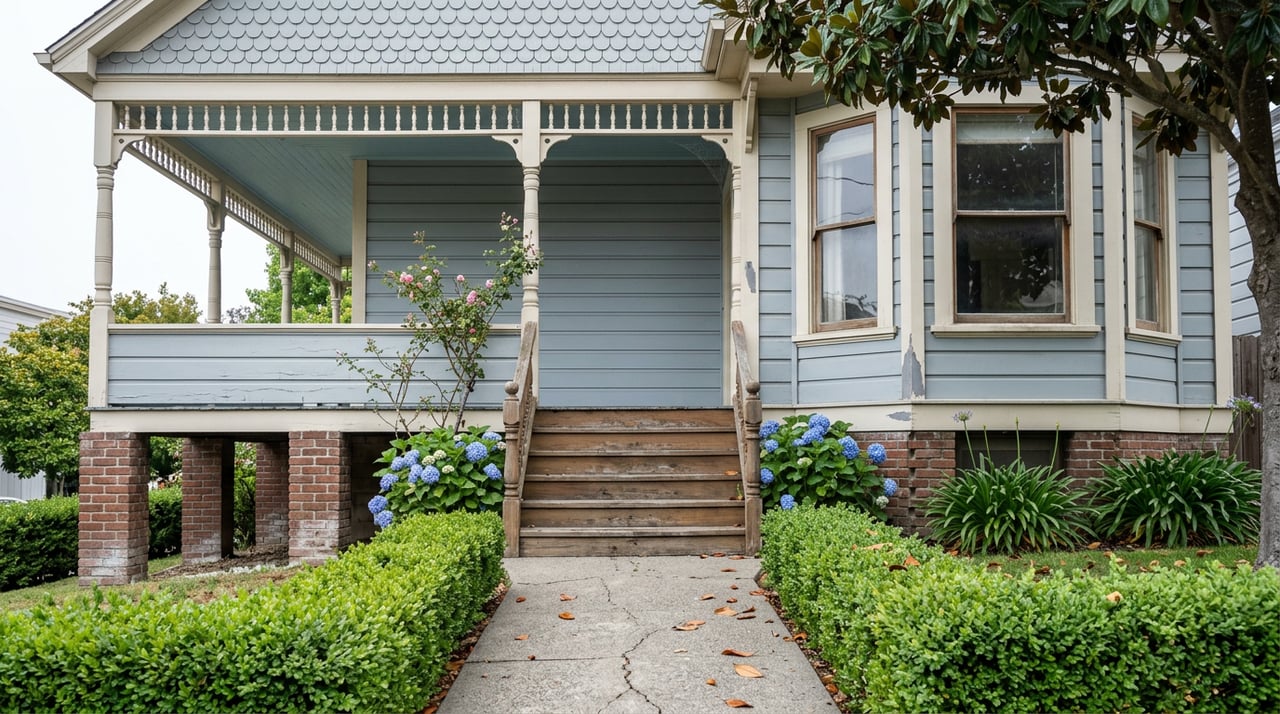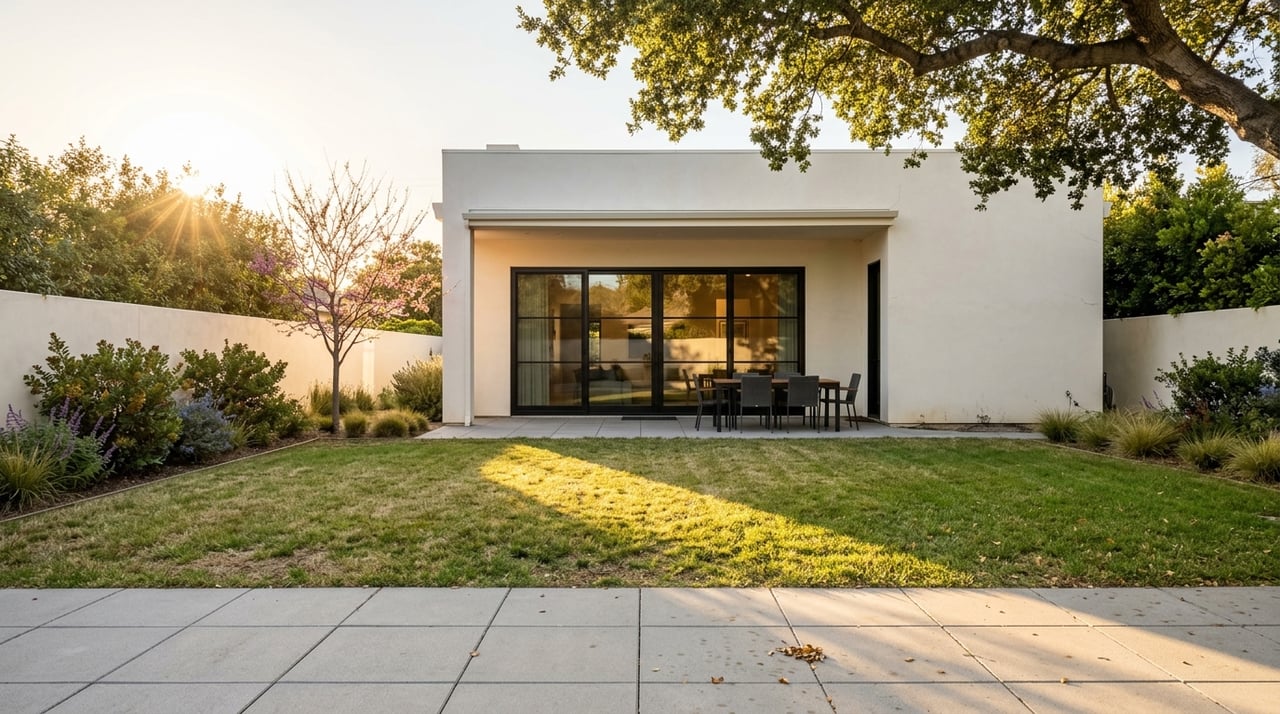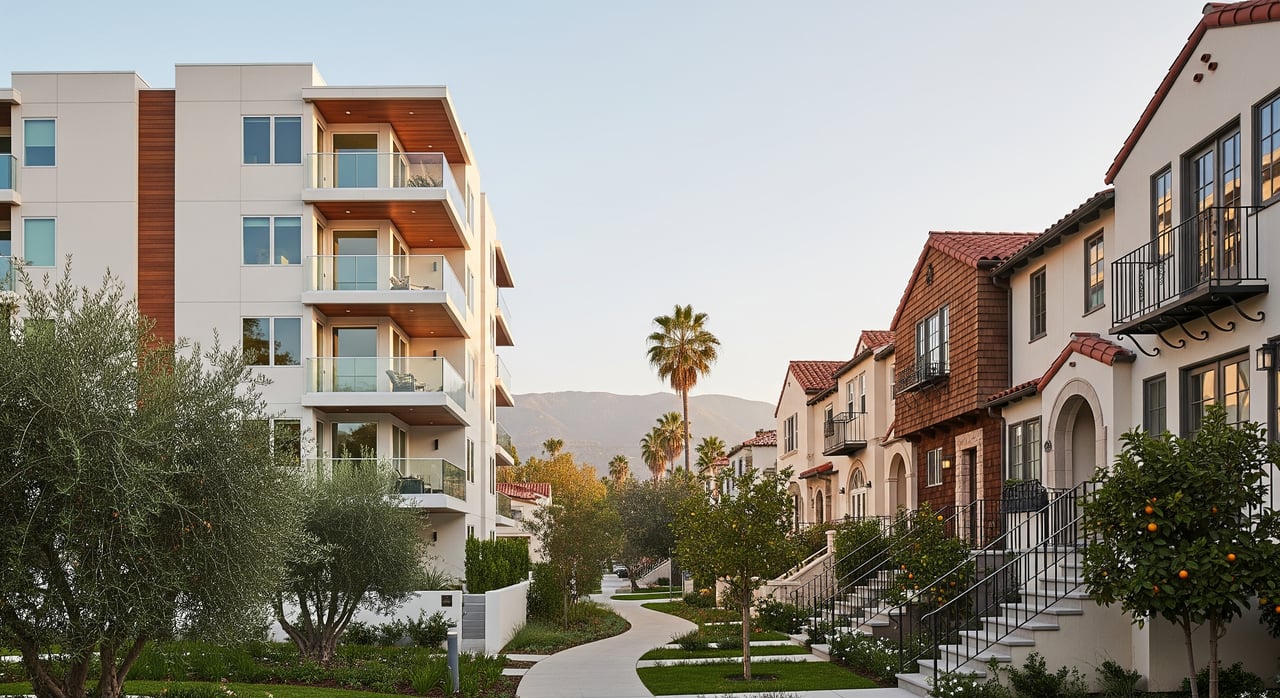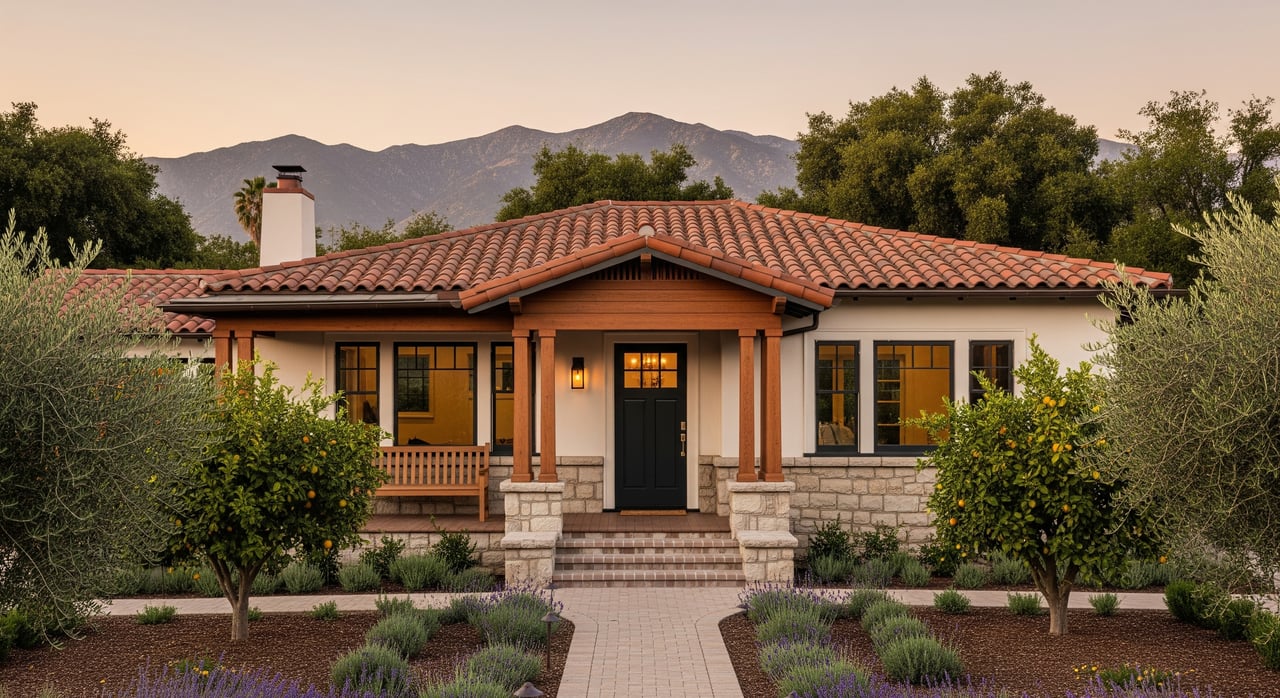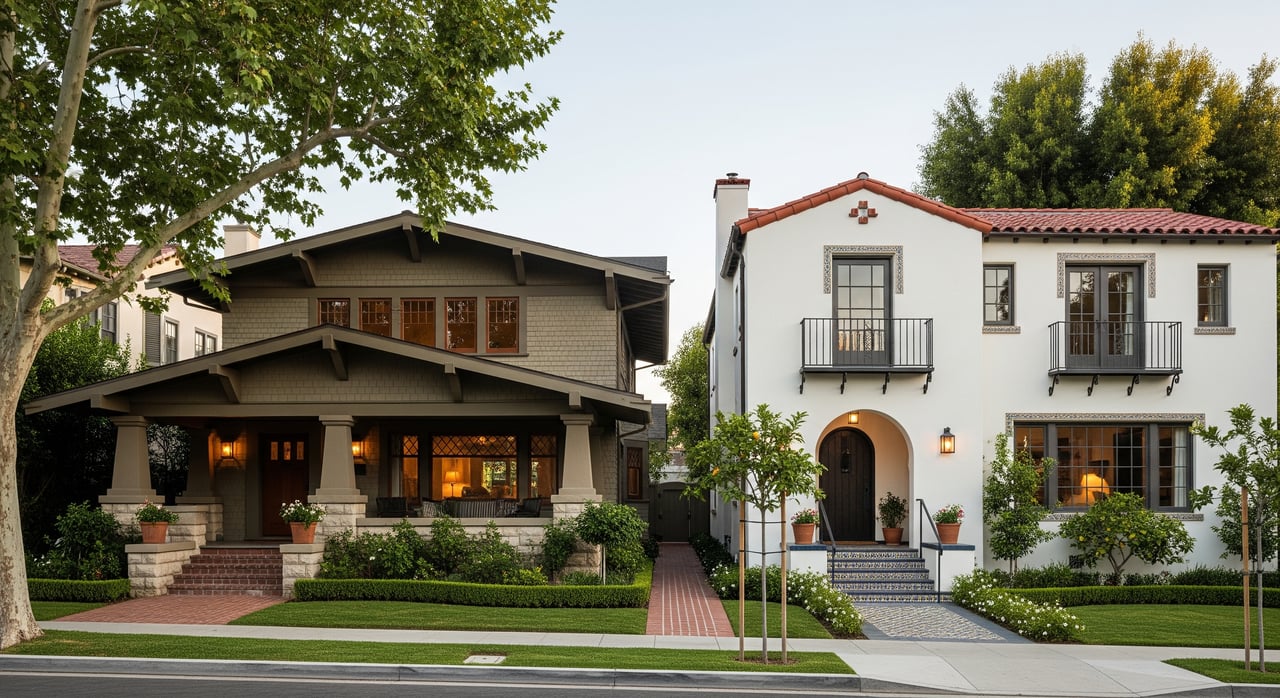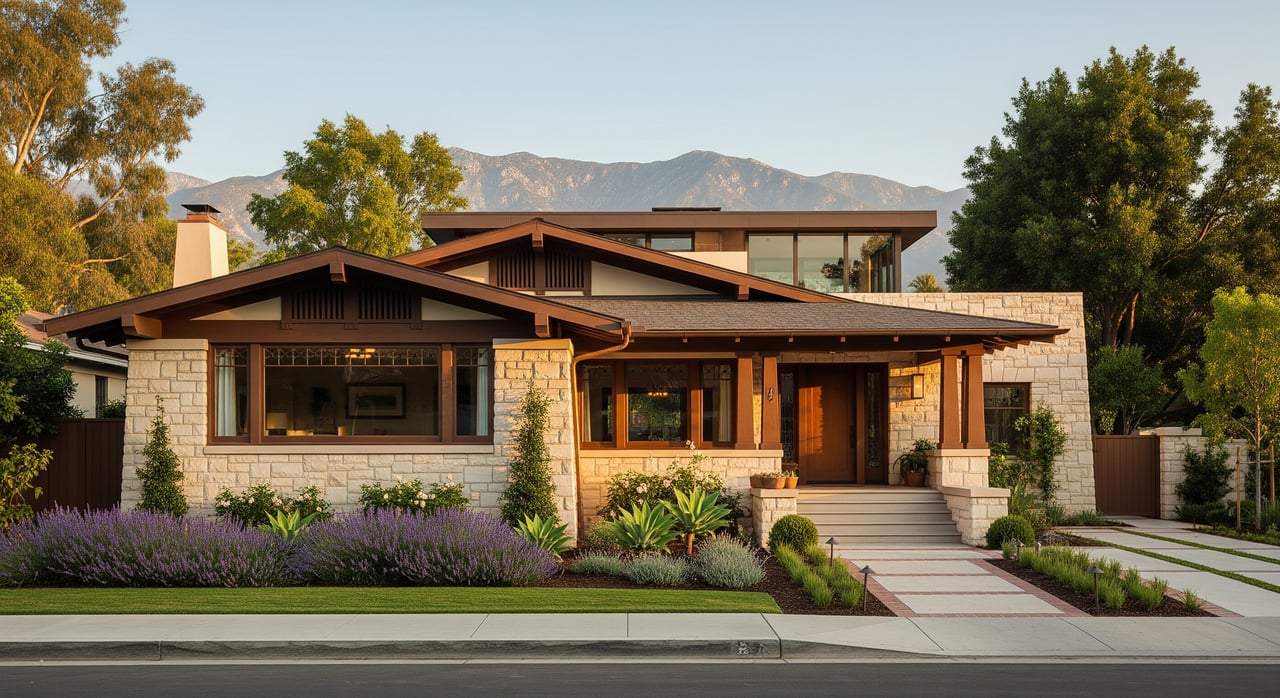
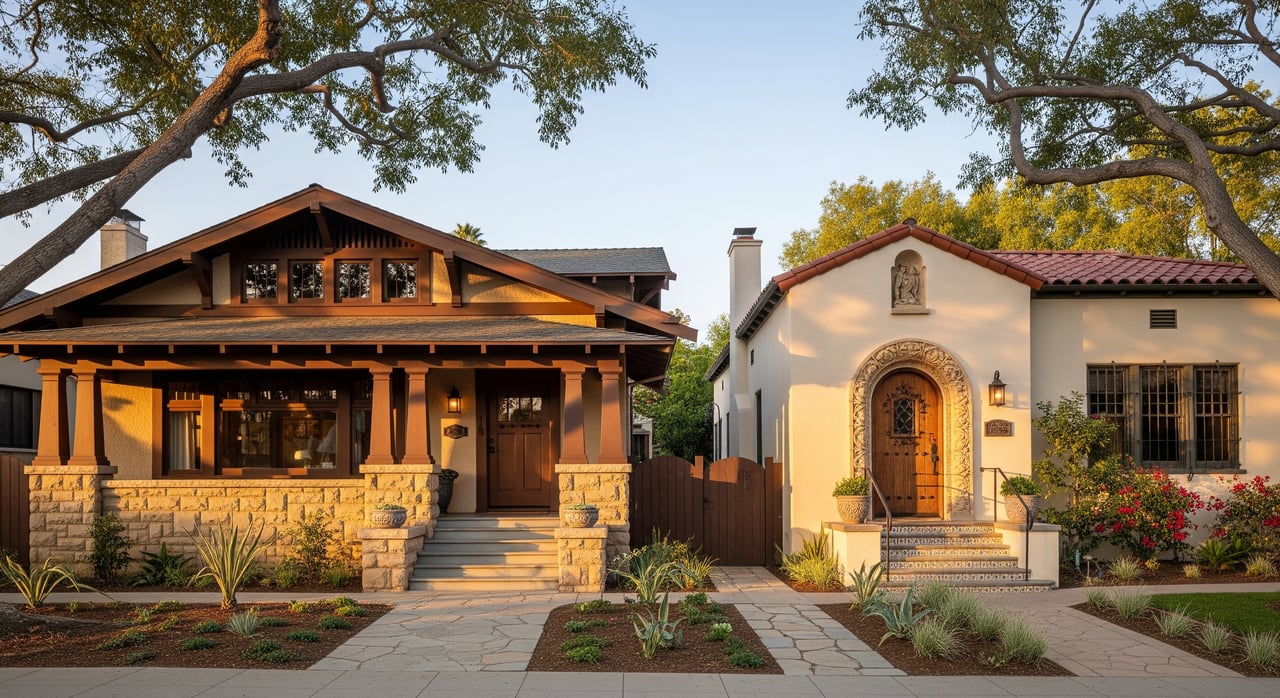
Porch perfection or stucco arches. Which one has your heart? If you are house hunting or prepping to sell in Pasadena, you will keep running into two icons of local architecture: the warm, wood-forward Craftsman and the sun-washed Spanish Revival. Both are gorgeous. Both carry history. And both come with unique renovation and maintenance needs that affect long-term value.
In this guide, you will learn how to tell these styles apart at a glance, how their typical floor plans and materials influence remodel choices, and which features today’s buyers value most. You will also get a practical checklist for sellers and key questions for buyers. Let’s dive in.
Pasadena’s two architectural icons
Pasadena is a nationally recognized showcase for early 20th-century residential architecture. Craftsman homes, including bungalows and high-style works influenced by Greene and Greene, helped define the city’s look. Spanish Colonial and Spanish Revival homes are also widespread, with many dating from the 1910s through the 1930s and later.
Historic preservation is a real factor here. Pasadena has multiple local historic districts and an active preservation program that influences permitted changes and can offer incentives for qualified properties. If you are considering renovations, plan to check with Pasadena Planning and the Historic Preservation Office, and reach out to Pasadena Heritage for guidance on current rules and programs.
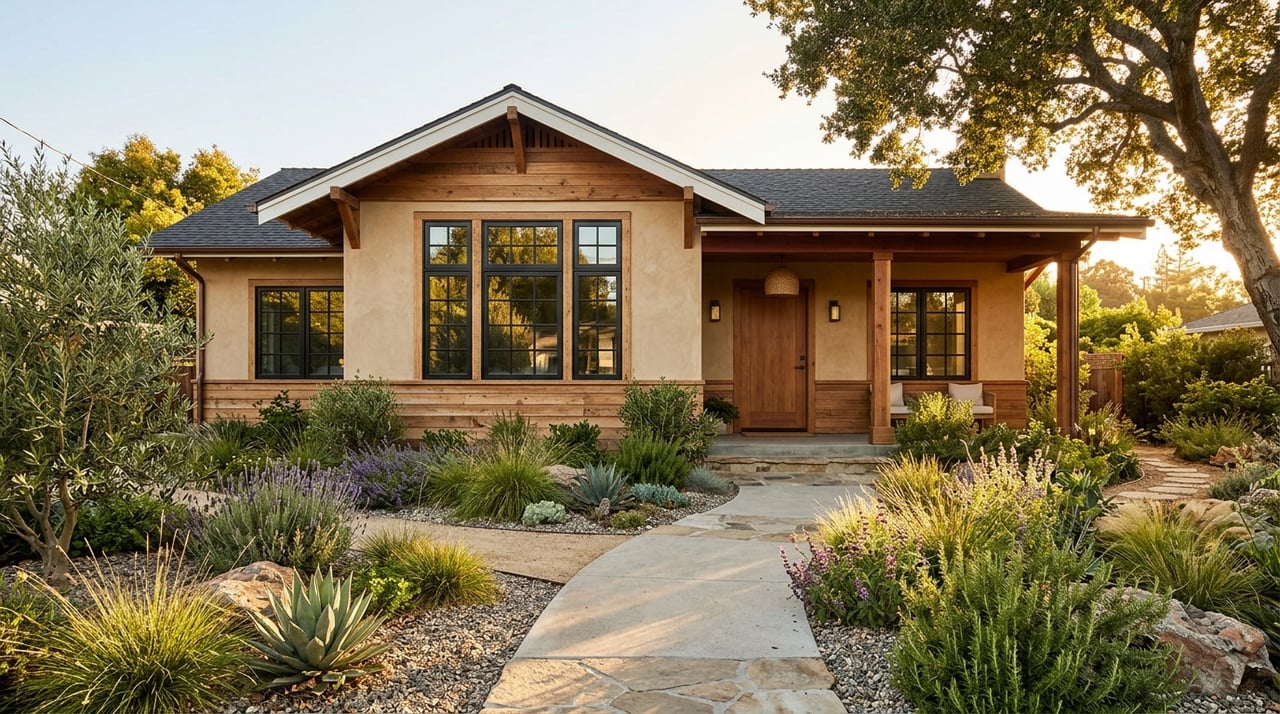
How to spot a Craftsman
Exterior cues
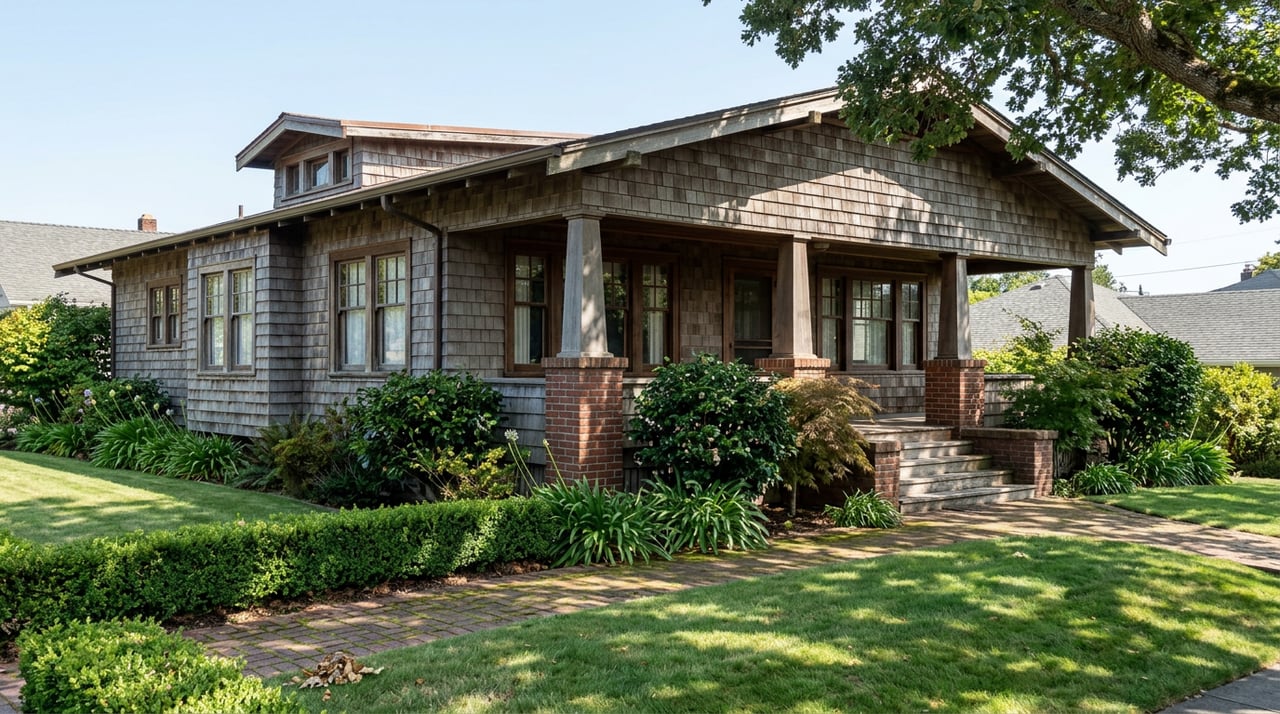
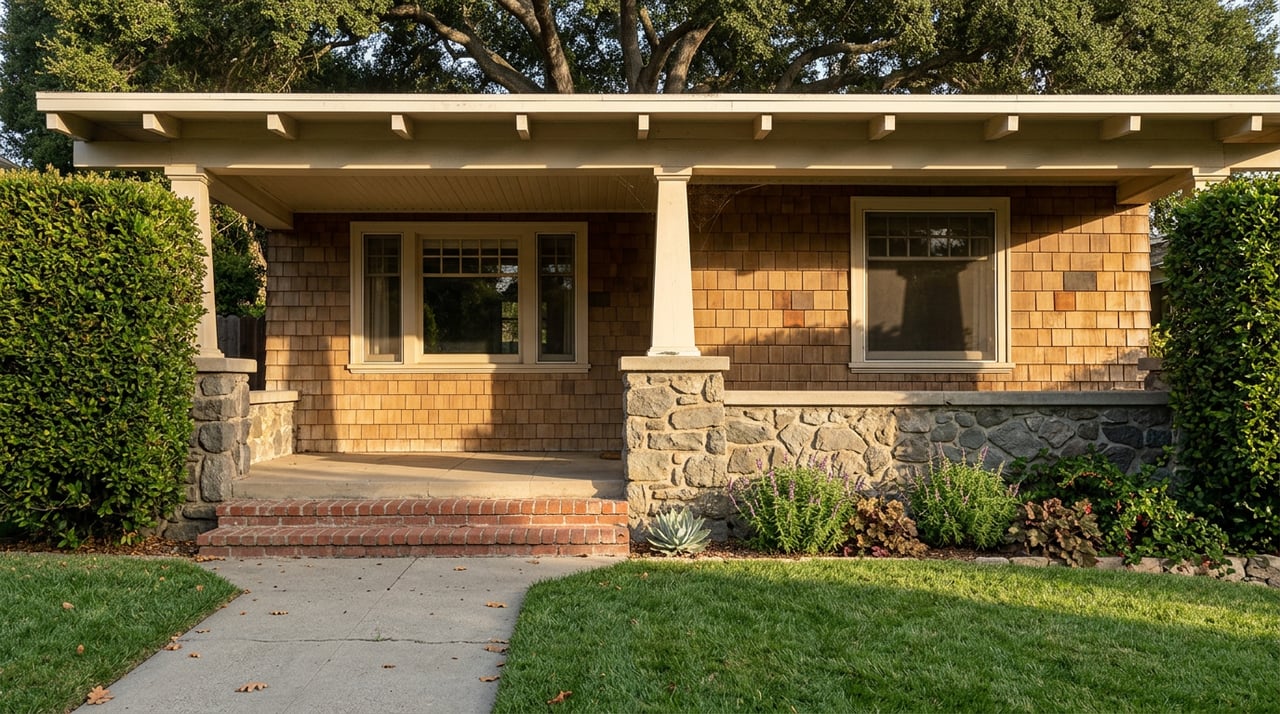
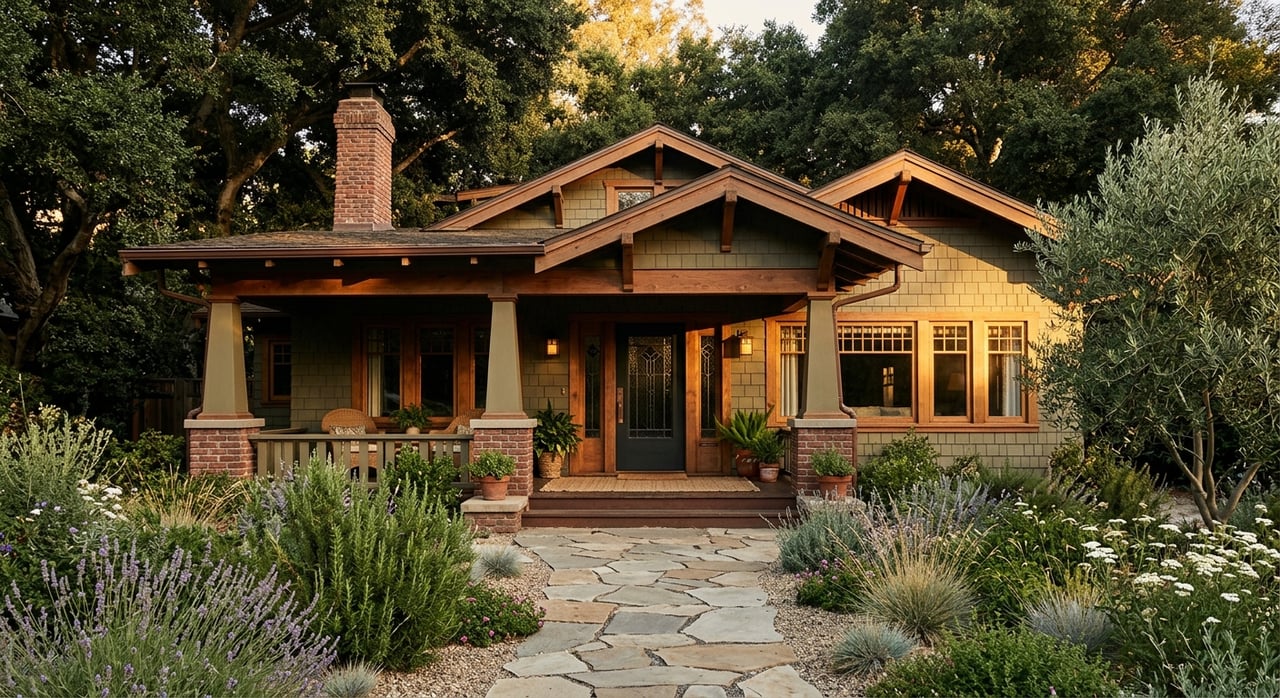
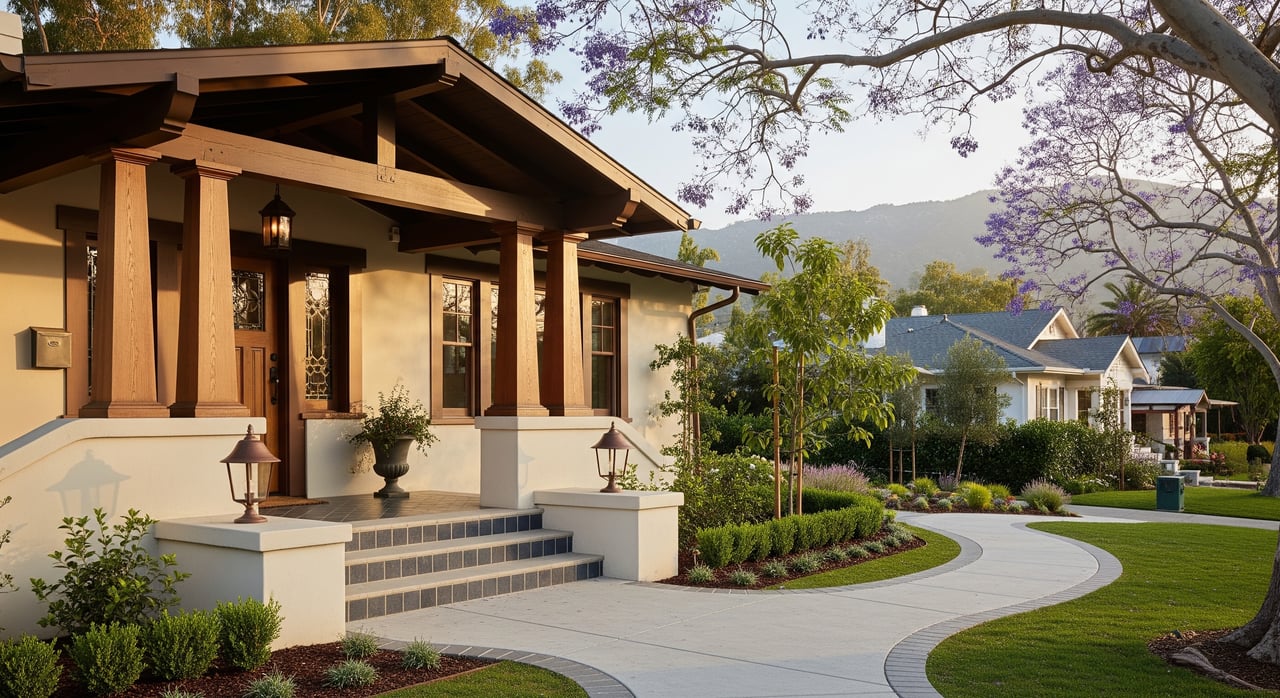
- Low-pitched gabled or hipped roof with wide eaves and exposed rafter tails.
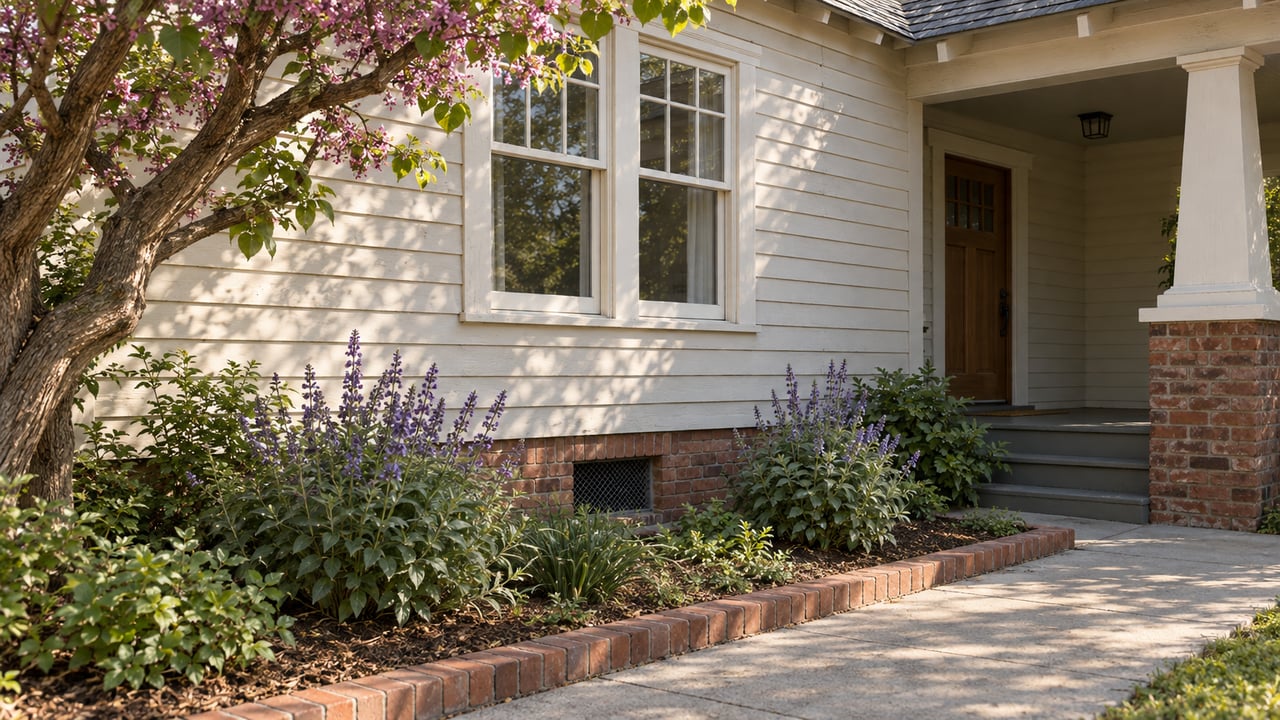
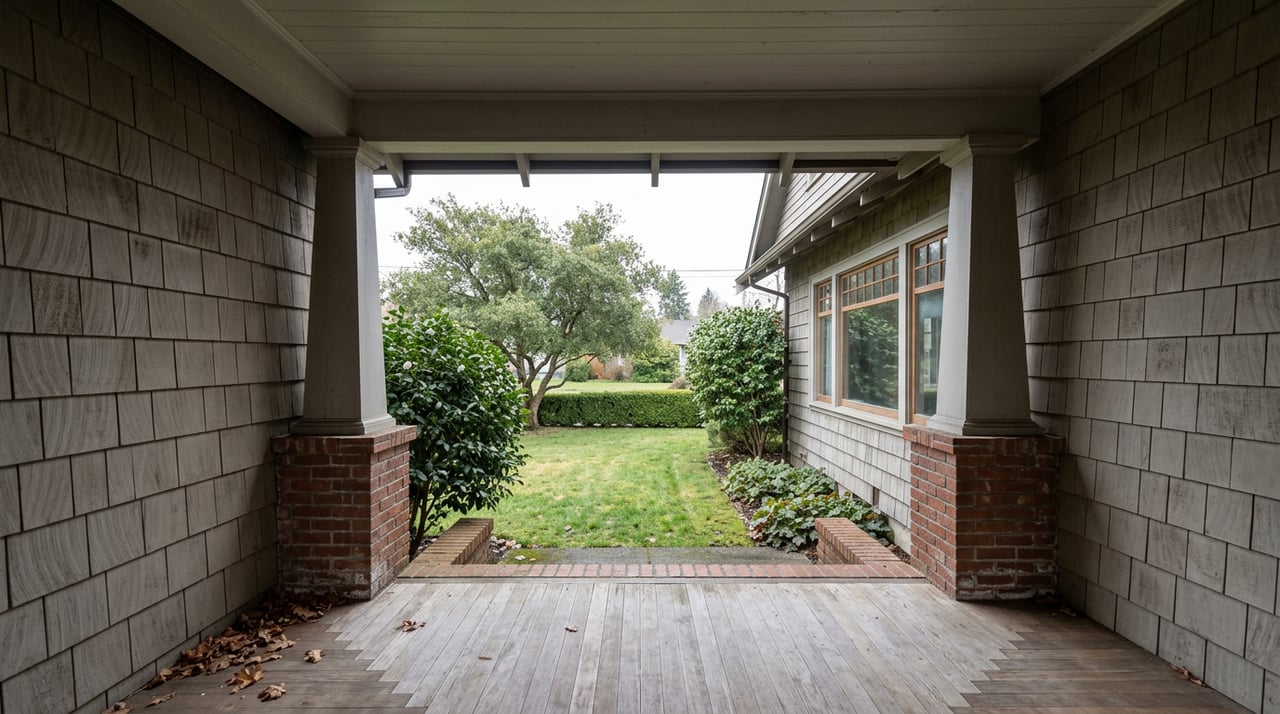
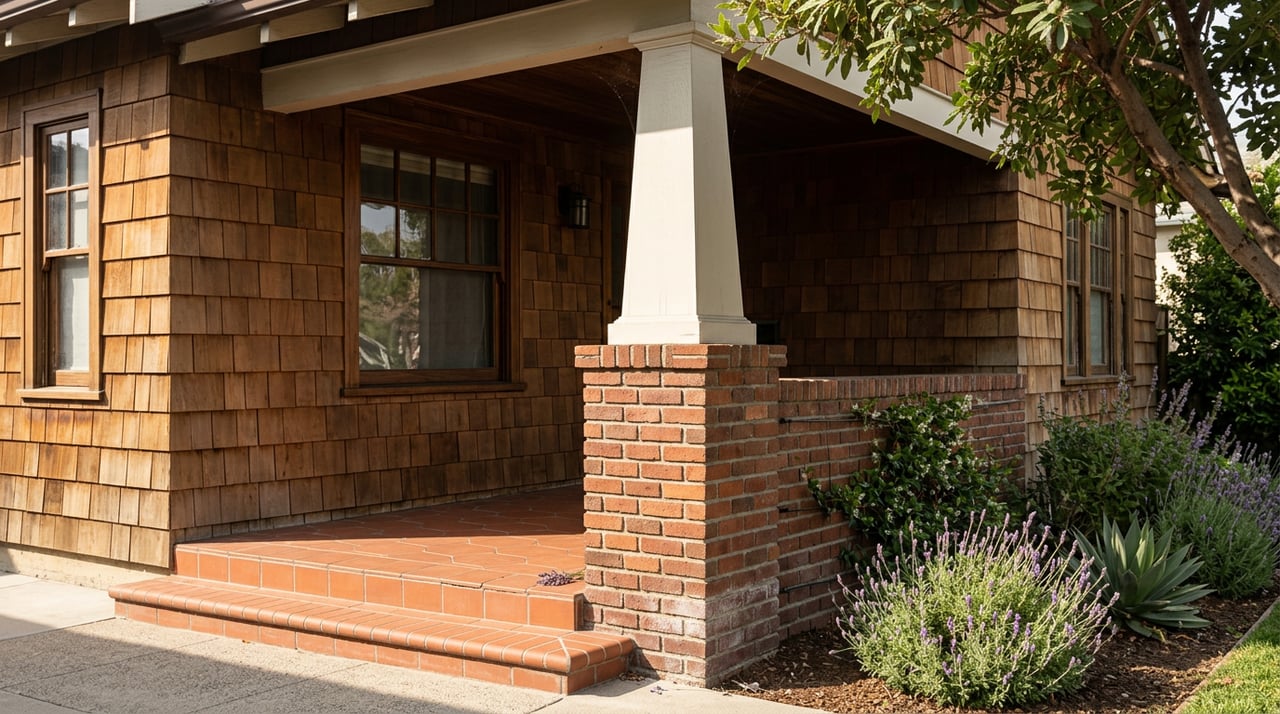
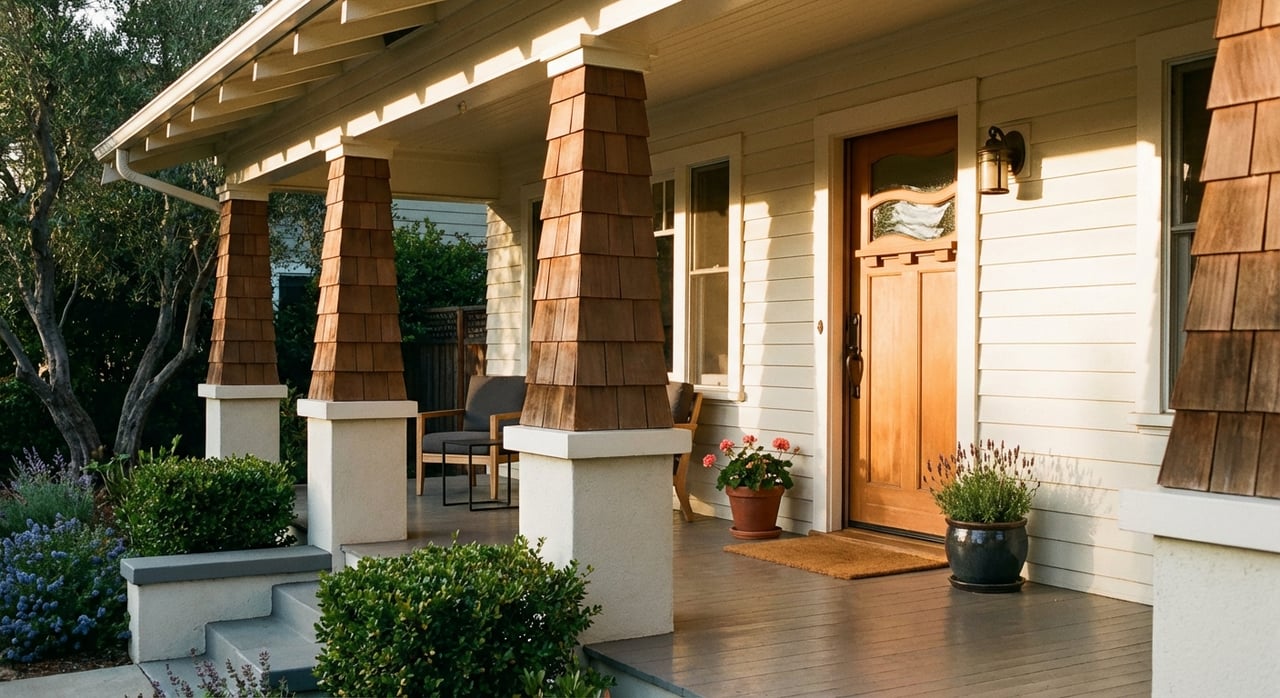
- A prominent front porch, often under the main roof, with tapered or battered columns on heavy stone or brick piers.
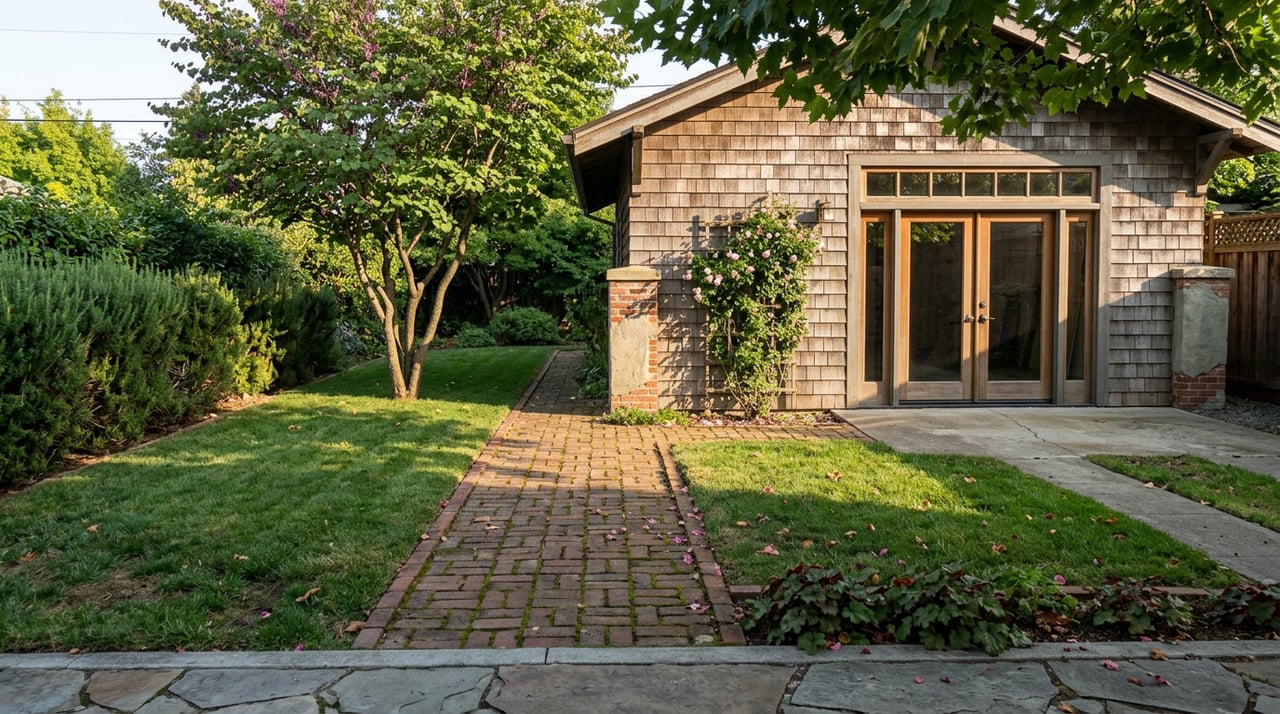
- Natural materials everywhere: wood siding or shingles, river rock or brick bases, and substantial exterior wood trim.
- Windows with multi-pane upper sashes over single lower panes. Leaded or art glass may appear in higher-end examples.
Interior layout and details
- Usually one to one-and-a-half stories, sometimes two, with compact footprints in bungalow-scale homes.
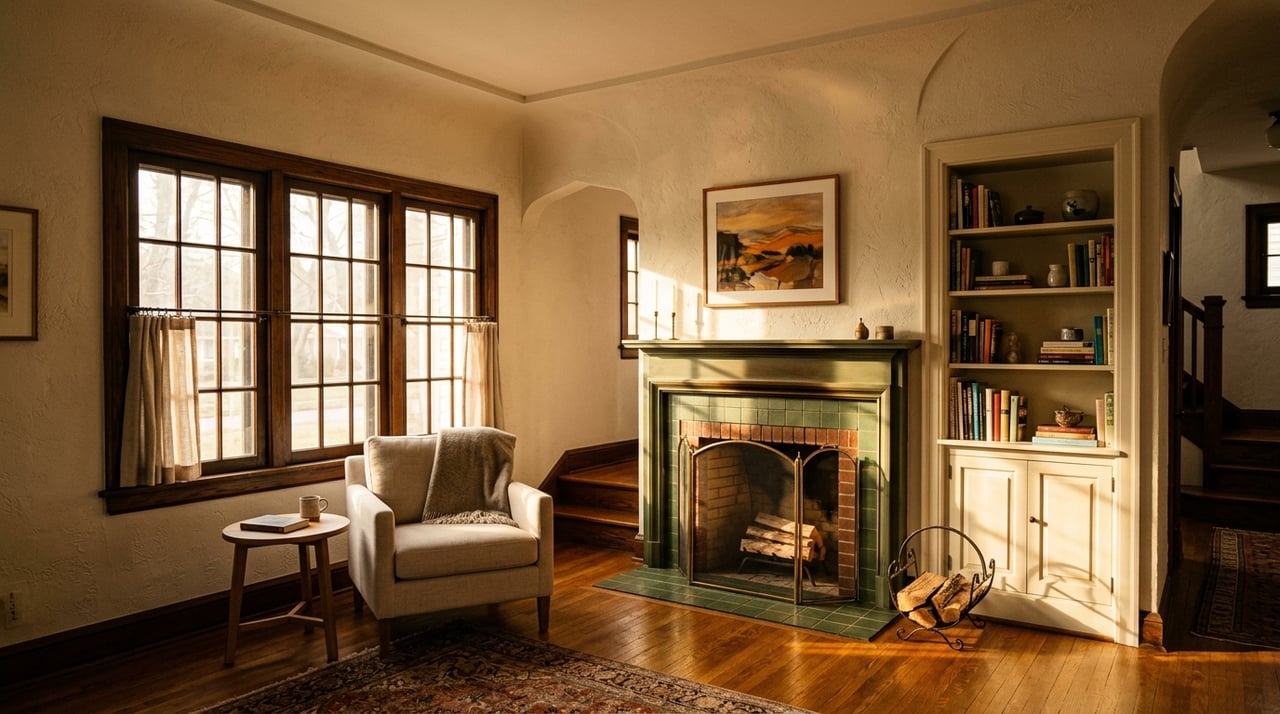
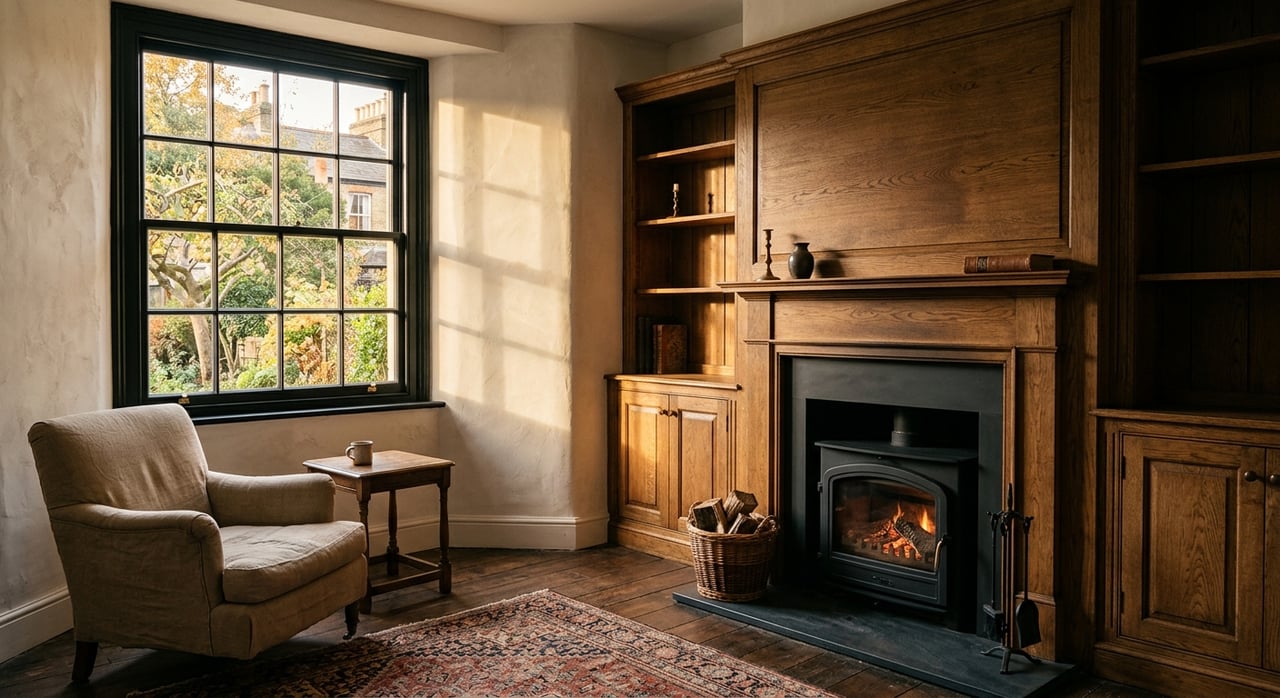
- Central living room with a fireplace, built-in bookcases, window seats, and sometimes an inglenook.
- A formal dining room adjacent to the living room, with the kitchen toward the rear of the house.
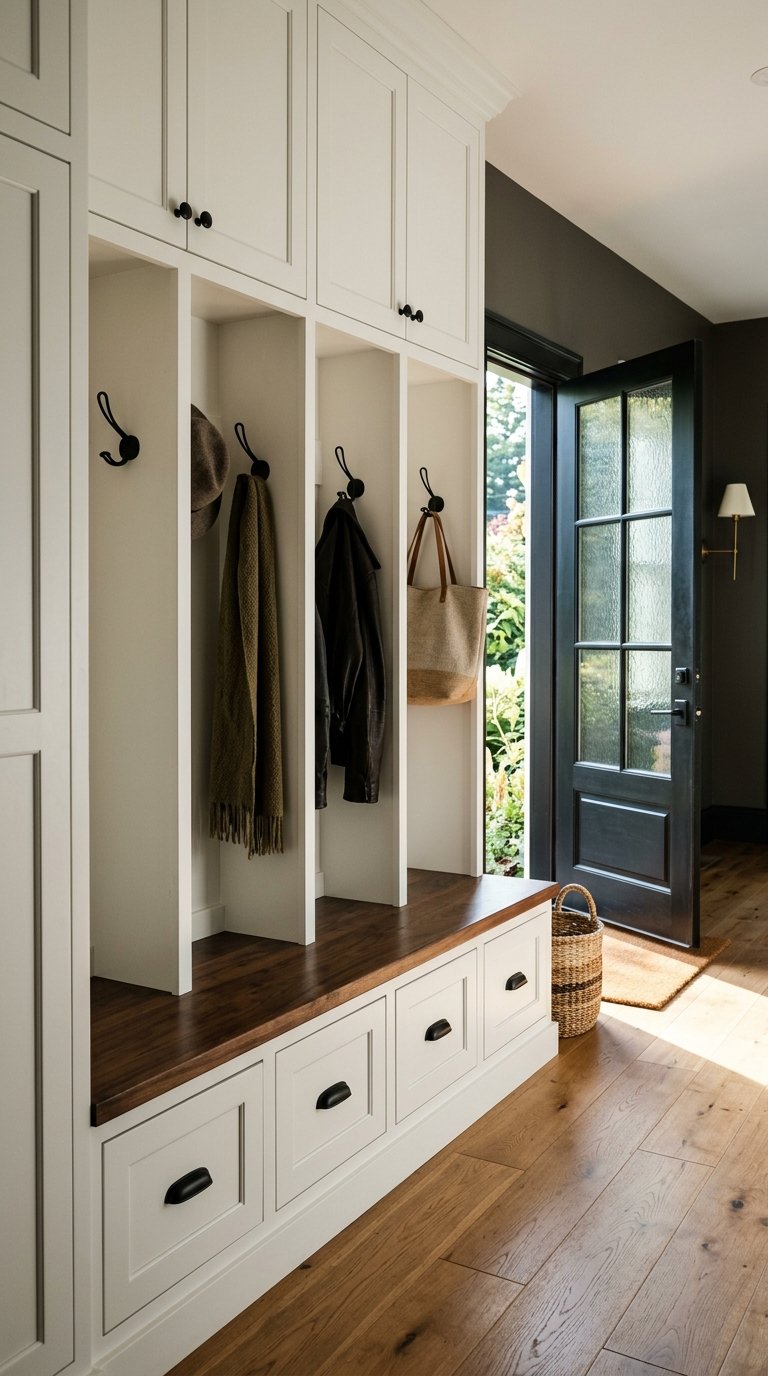
- Built-ins, boxed beams, natural wood trim, and high-quality millwork are common. Ceilings tend to be lower to medium height in bungalows, with exposed beams or coffered ceilings in higher-finish homes.
Typical maintenance concerns
- Exterior wood is vulnerable to rot, termite activity, and paint failure. Porch structures need careful inspection.
- Aging electrical systems, such as knob-and-tube wiring, and older plumbing may need full upgrades.
- Original single-pane windows and minimal insulation can make energy efficiency a challenge without targeted improvements.
How to spot a Spanish Revival
Exterior cues
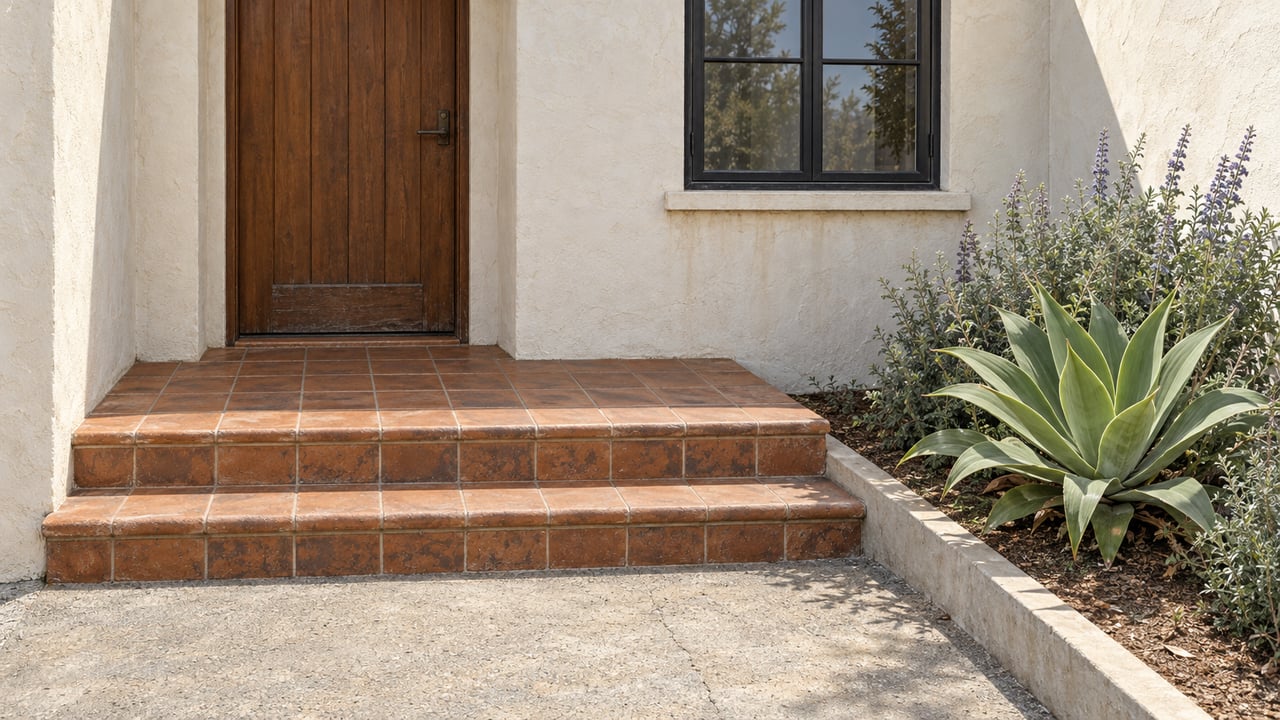
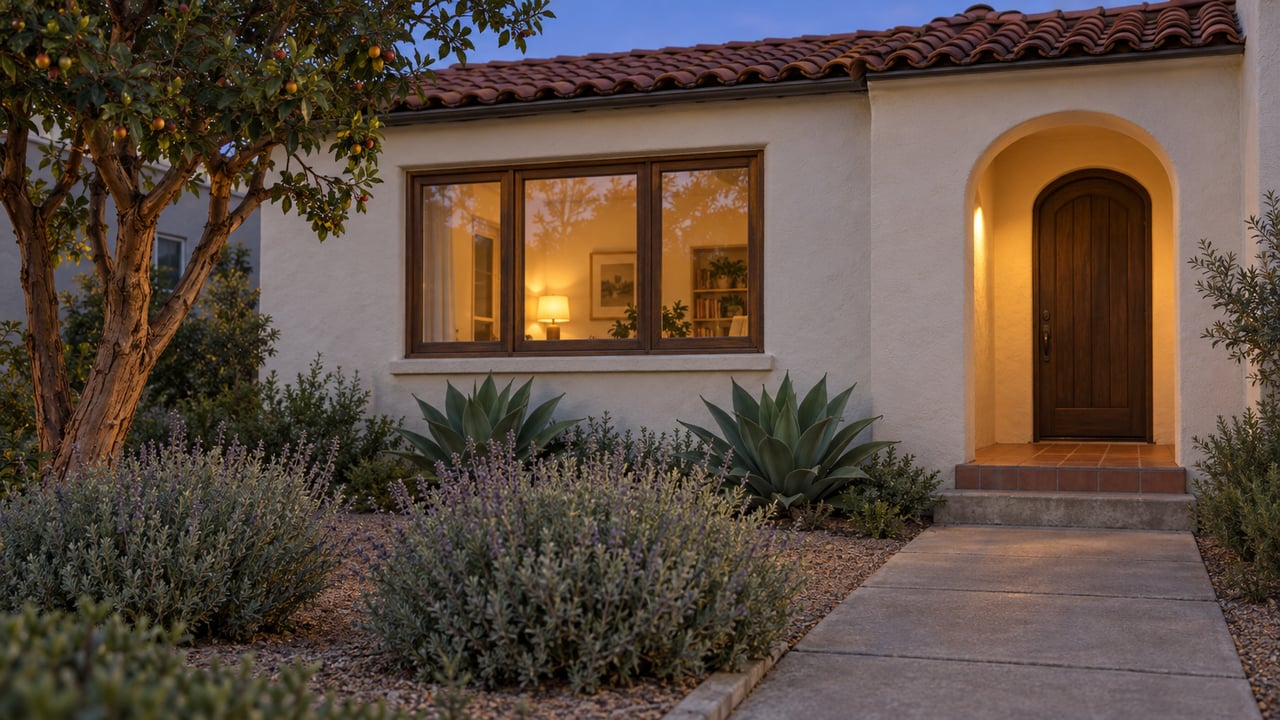
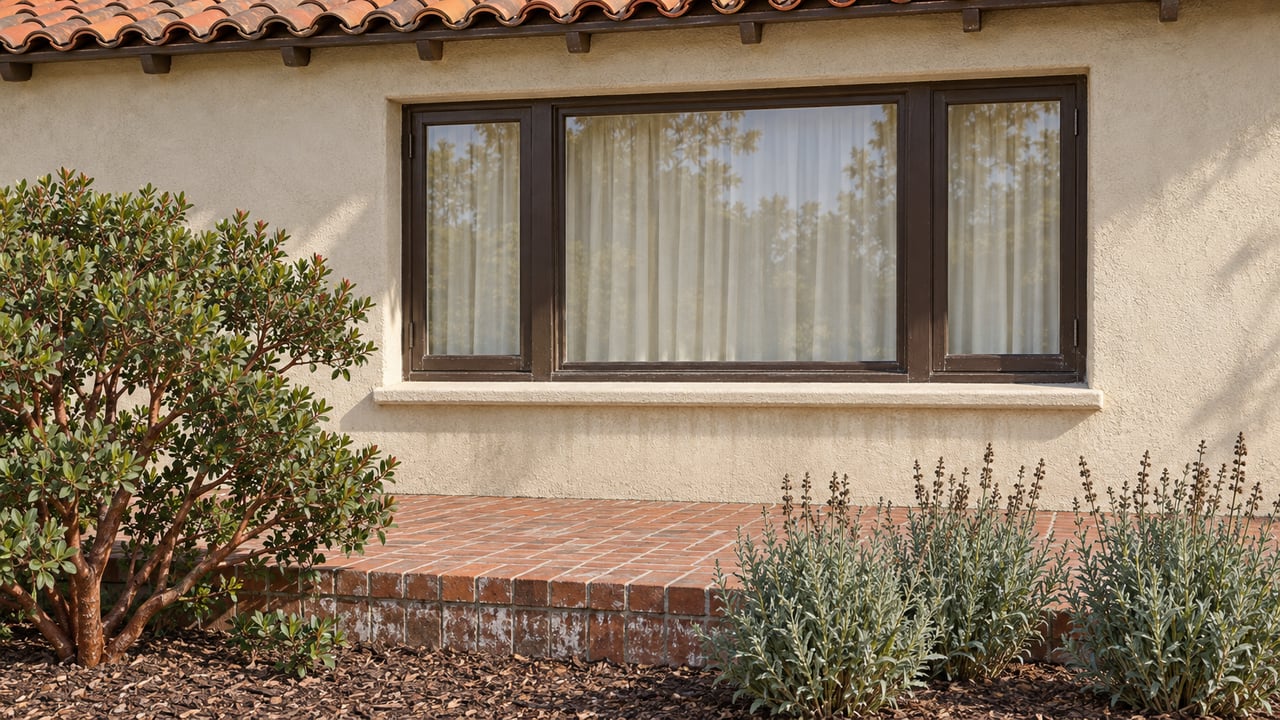
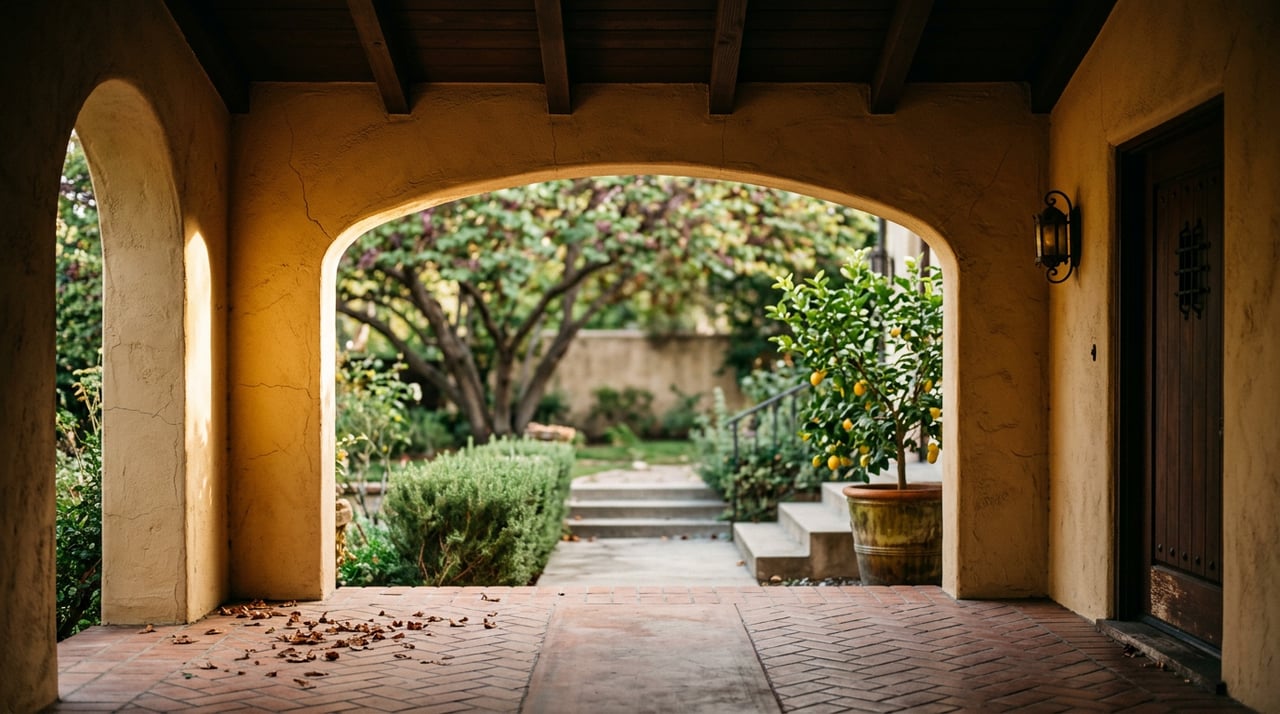
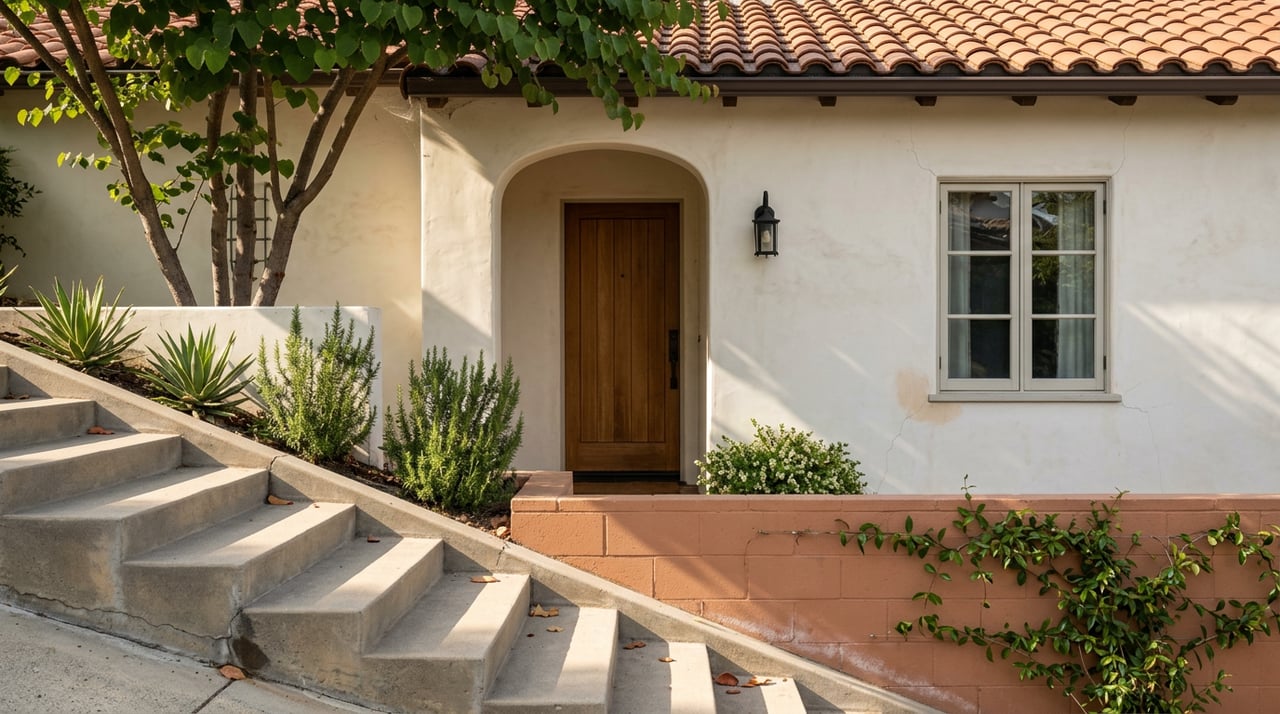
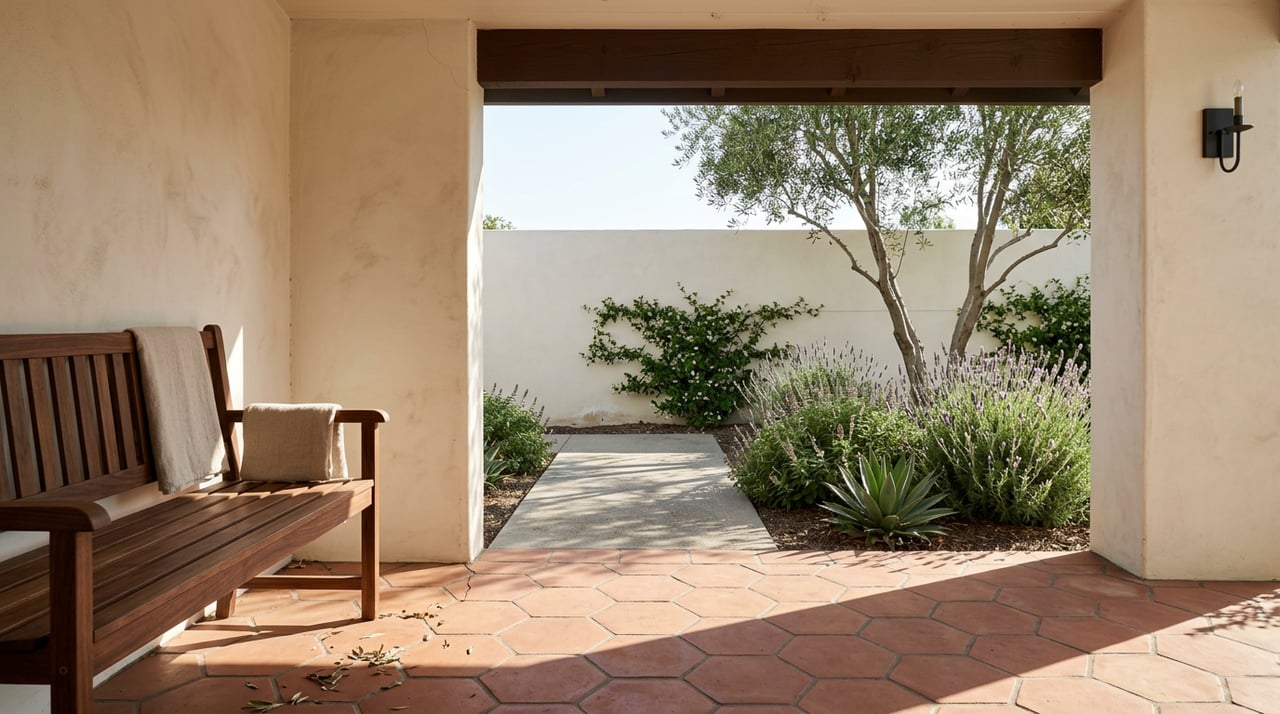
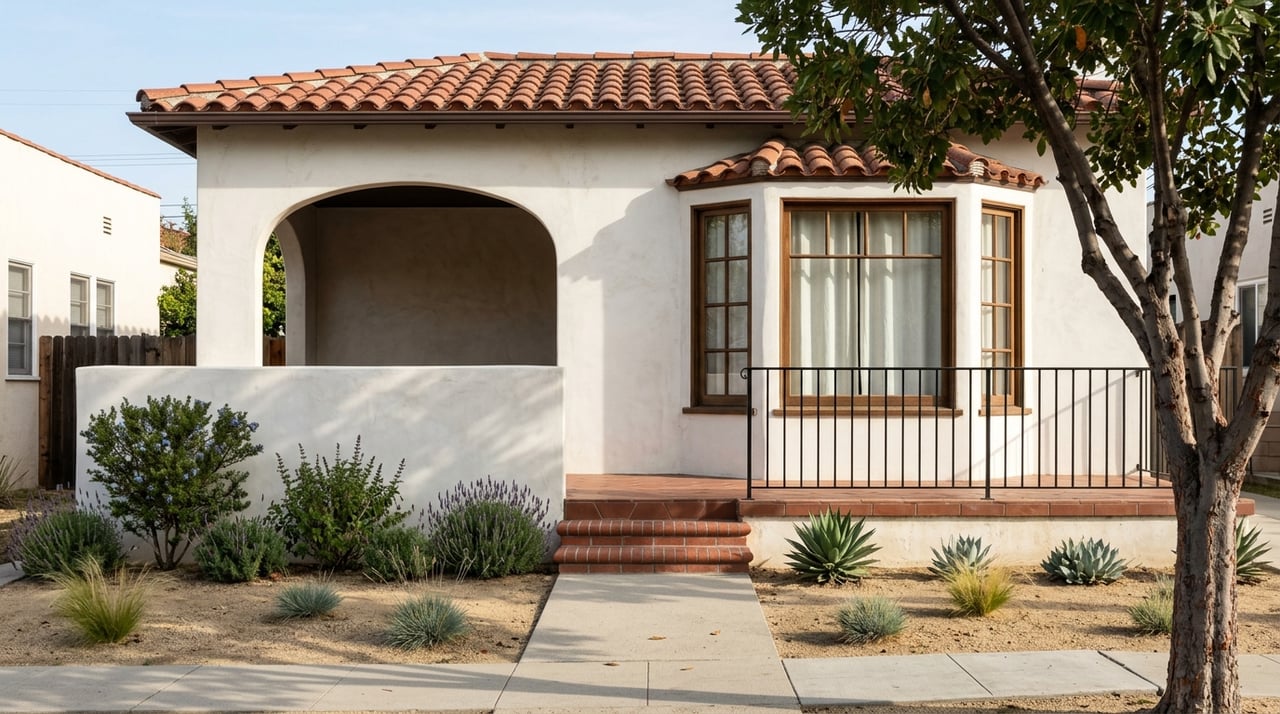
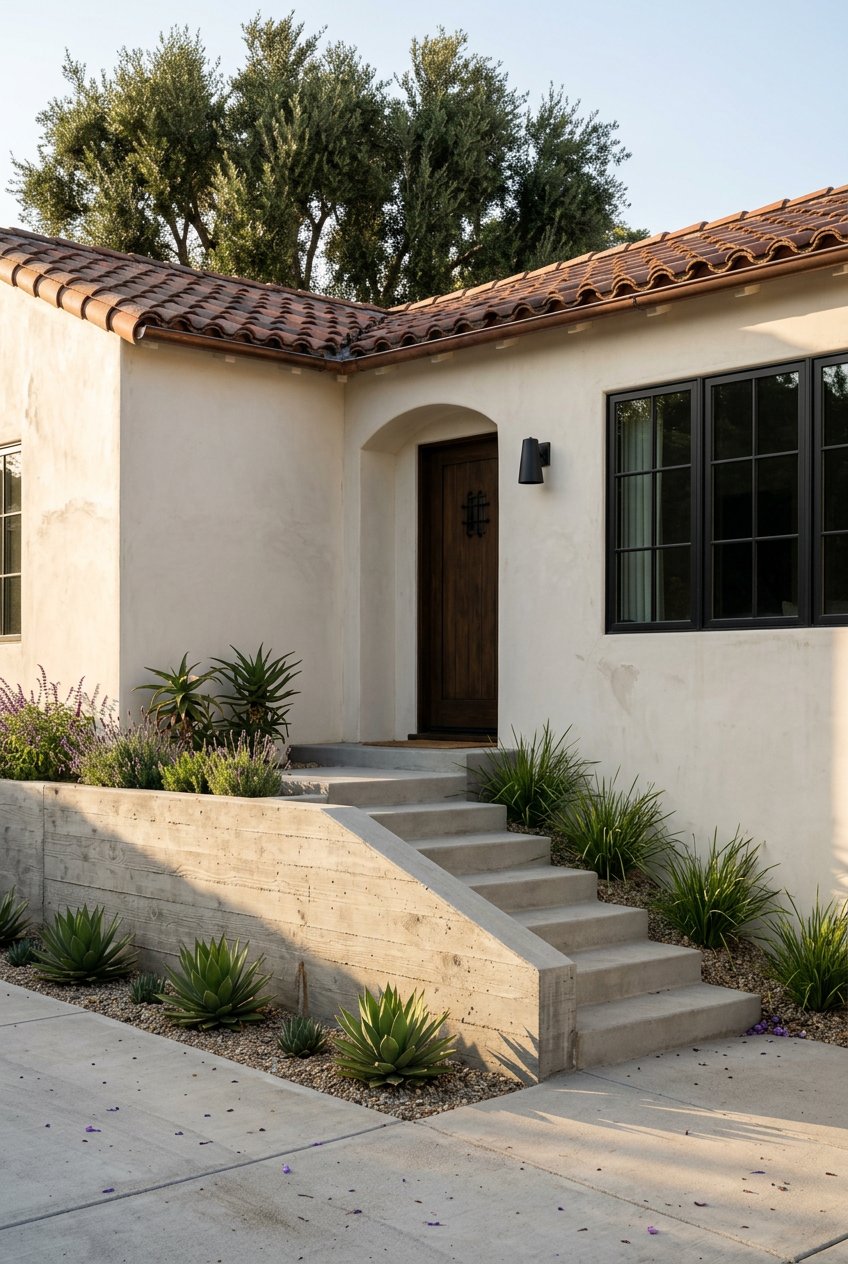
- Smooth or textured stucco exterior walls in white or earth tones.
- Low-pitched roof with red clay barrel tiles.
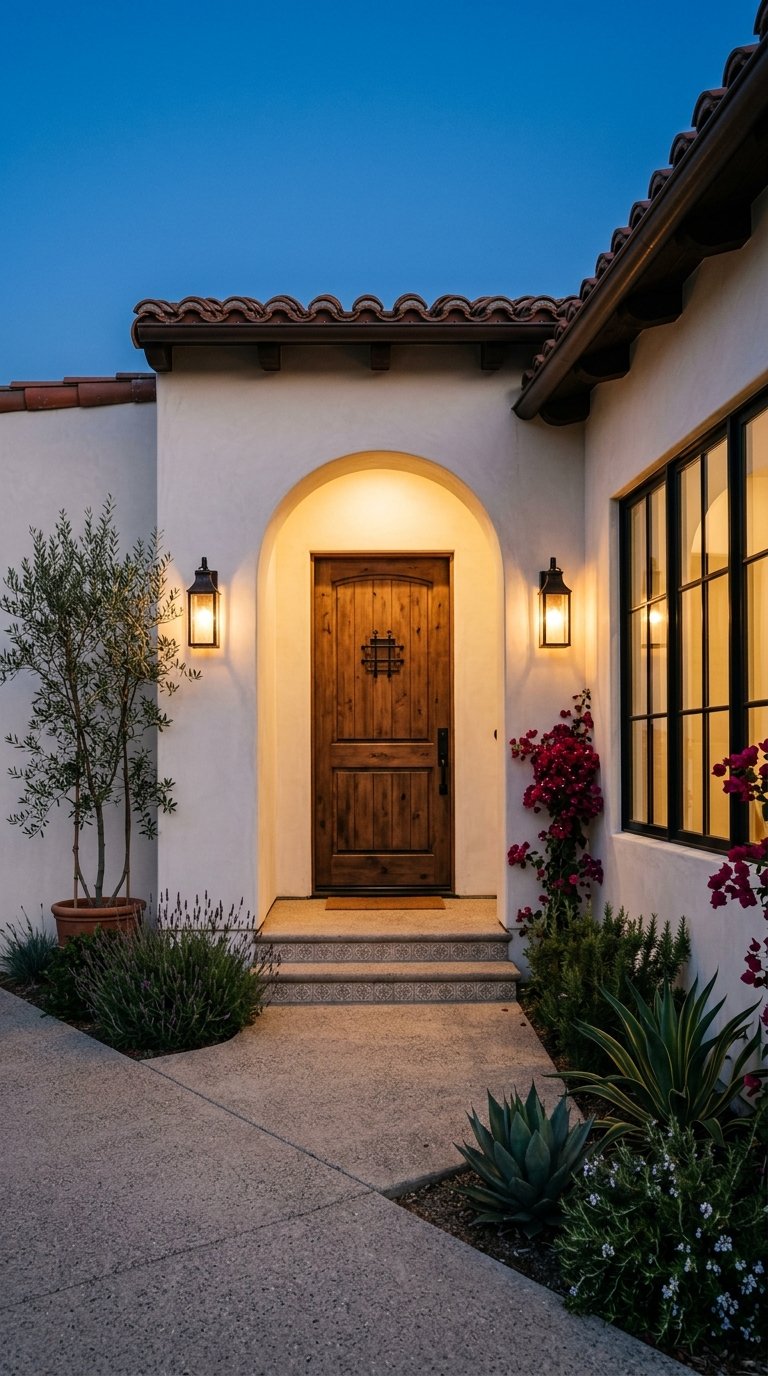
- Arched entries, windows, and arcades. Courtyard elements are common.
- Decorative ceramic tile accents, wrought-iron grilles and railings, and carved wood doors.
- Asymmetrical facades and stucco or masonry chimneys.
Interior layout and details
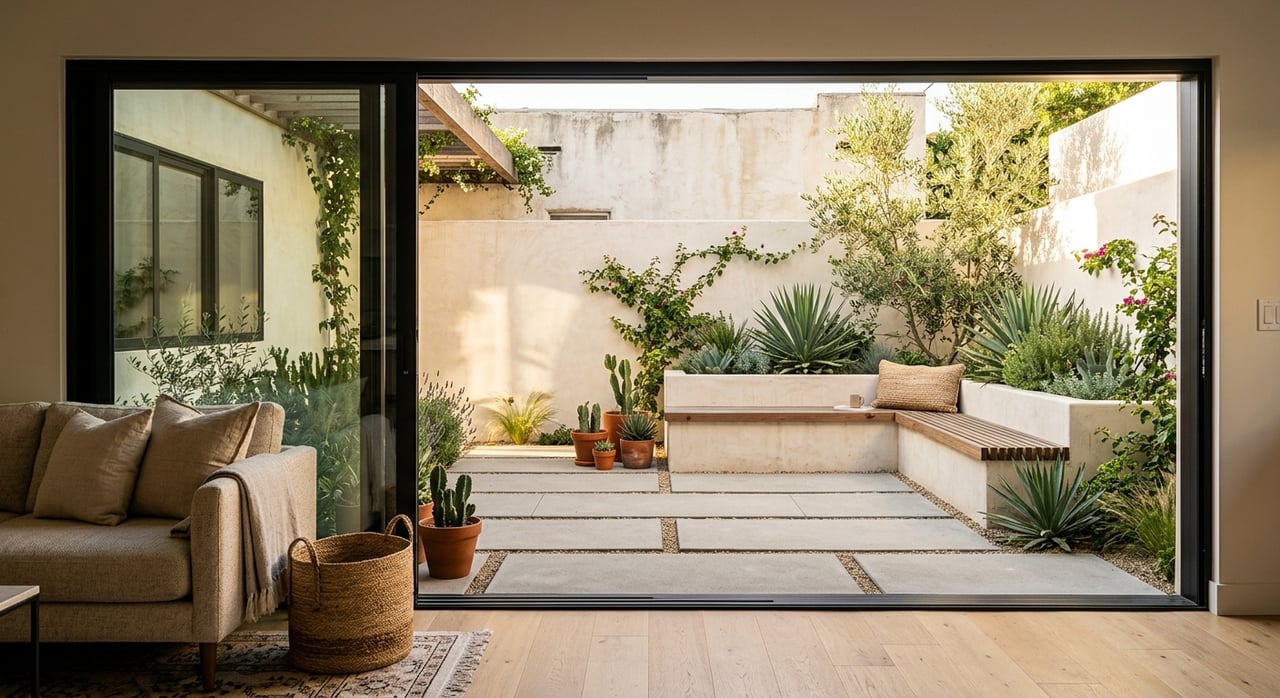
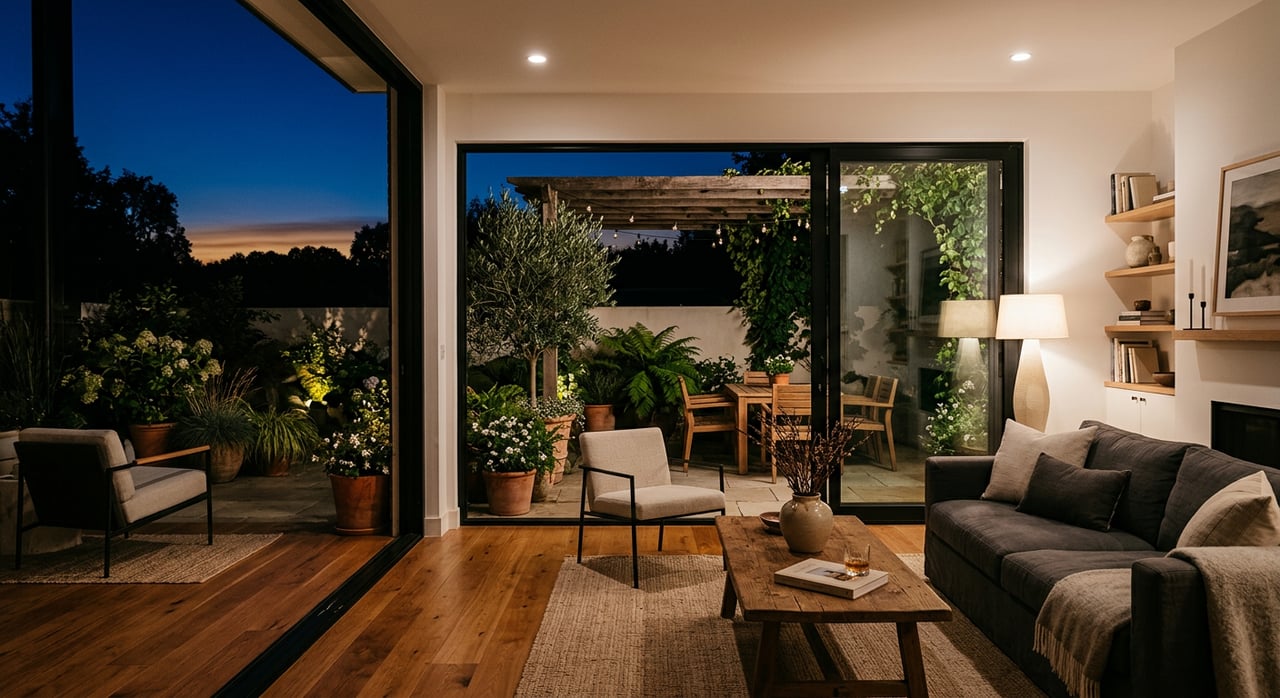
- Rooms often connect to an interior courtyard or enclosed patio, creating a strong indoor-to-outdoor flow.
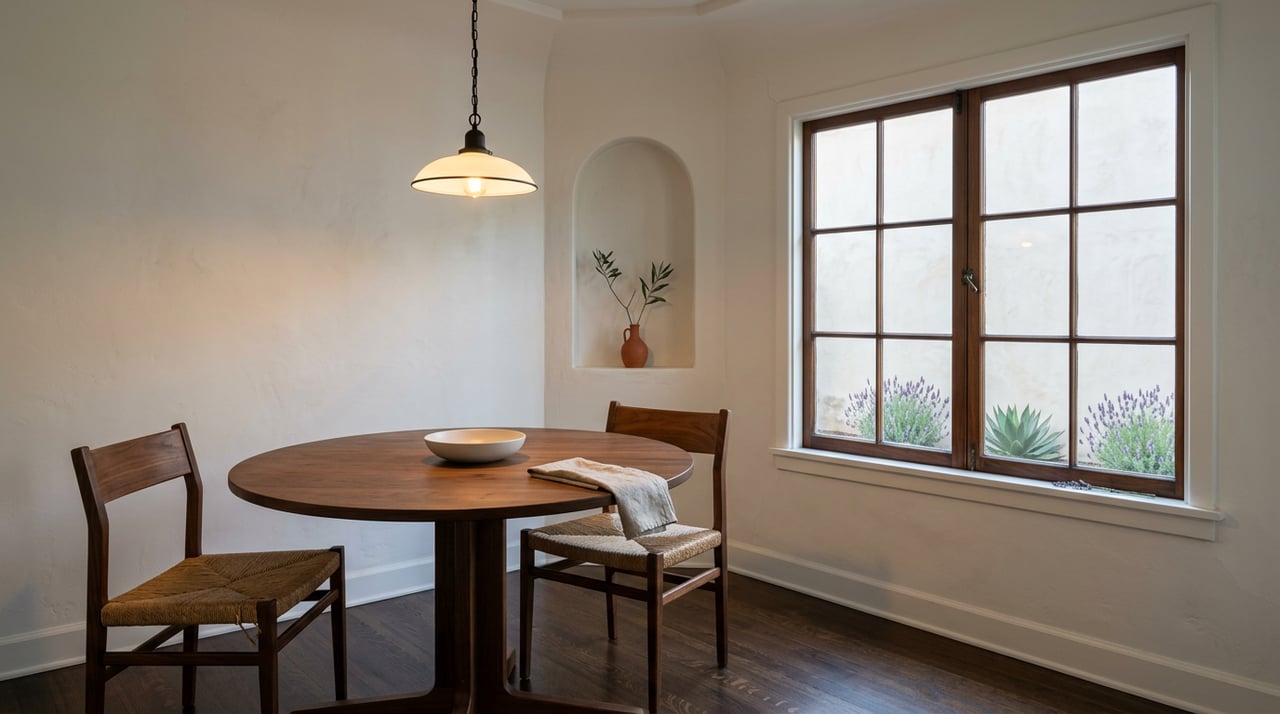
- Living and dining rooms may feature tall plastered ceilings with exposed wood beams or decorative plasterwork.
- Tile or hardwood floors are typical, with decorative tile at stair risers or entries.
- Single-story or two-story plans are common, and formal rooms often have higher ceilings than the average bungalow.
Typical maintenance concerns
- Stucco can crack and may hide moisture issues if flashings are not correct.
- Clay tile roofs last a long time but are heavy and costly to repair or replace. Underlayment deterioration is a frequent issue.
- Older homes can include unreinforced masonry elements or brittle chimney construction that need seismic attention.
Renovation choices that work in Pasadena
Structure and seismic first
- Earthquake risk makes seismic retrofits a top priority. Foundation bolting, cripple wall bracing, chimney reinforcement, and repairs to unreinforced masonry are common needs.
- For any masonry or structural concerns, consult a structural engineer who understands local codes and preservation approaches.
Roofs, stucco, wood, and moisture
- Craftsman: Focus on wood siding, porch framing, roof flashings, and exposed rafter tails. Restoring original porch and roof details is often worth the effort for curb appeal and authenticity.
- Spanish Revival: Evaluate stucco condition and the clay tile roof as a system. Tile underlayment is a frequent failure point. Roof-to-wall transitions and flashings need current best practices to prevent water intrusion.
Systems upgrades with minimal disruption
- Electrical and plumbing: Many homes from these eras need complete upgrades to meet modern safety and comfort expectations.
- HVAC: Plan carefully to avoid damaging historic finishes. Ductless mini-splits are a common option when you want minimal invasiveness.
- Insulation: Attic insulation upgrades are usually straightforward. Wall insulation often requires specialist methods, such as blown-in cellulose, to keep plaster or stucco intact.
Preserve original materials when you can
- A preservation-first approach helps protect architectural integrity and can add value. That includes repairing original windows, millwork, built-ins, decorative tiles, and plaster.
- When replacements are necessary, use like-for-like materials or visually compatible alternatives. Quick fixes that ignore style can reduce buyer appeal.
Permits, codes, and incentives
- Significant work typically requires city permits, and historic designation may trigger design review. Early coordination with Pasadena’s Historic Preservation staff can save time.
- The Secretary of the Interior’s Standards for Rehabilitation guide appropriate treatments for historic features.
- The California Historical Building Code can allow alternative compliance paths for historic elements.
- The Mills Act can reduce property taxes for eligible, designated historic properties. Local application rules vary, so confirm details with the city.
- State laws around additions and ADUs may open doors for more space, but local planning rules still apply.
If you are planning a project, assemble the right team early. Consider a historic preservation architect, a structural engineer with seismic retrofit experience, a contractor skilled in historic woodwork or stucco and clay tile roofing, and an environmental testing firm for lead and asbestos.
What drives value for buyers and sellers
Craftsman value drivers
- Intact porch structures, exposed rafters, and original exterior wood details.
- Interior millwork, built-ins, boxed beams, and any surviving art glass.
- Provenance matters. Association with notable designers, such as Greene and Greene influences, can increase interest.
- Even smaller Craftsman homes can be in high demand in desirable, intact historic districts.
Spanish Revival value drivers
- Stucco and clay tile roof appearance in good condition.
- Original decorative tile, ironwork, and carved doors.
- Courtyard or outdoor living spaces that support the indoor-outdoor flow.
Best-return updates buyers notice
- Preserve character-defining features first. For Craftsman, think built-ins, fireplace surrounds, windows, and art glass. For Spanish Revival, prioritize original tile, ironwork, and courtyard elements.
- Modernize systems for safety and comfort. Electrical, plumbing, HVAC, insulation, and seismic work build buyer confidence and can speed up a sale.
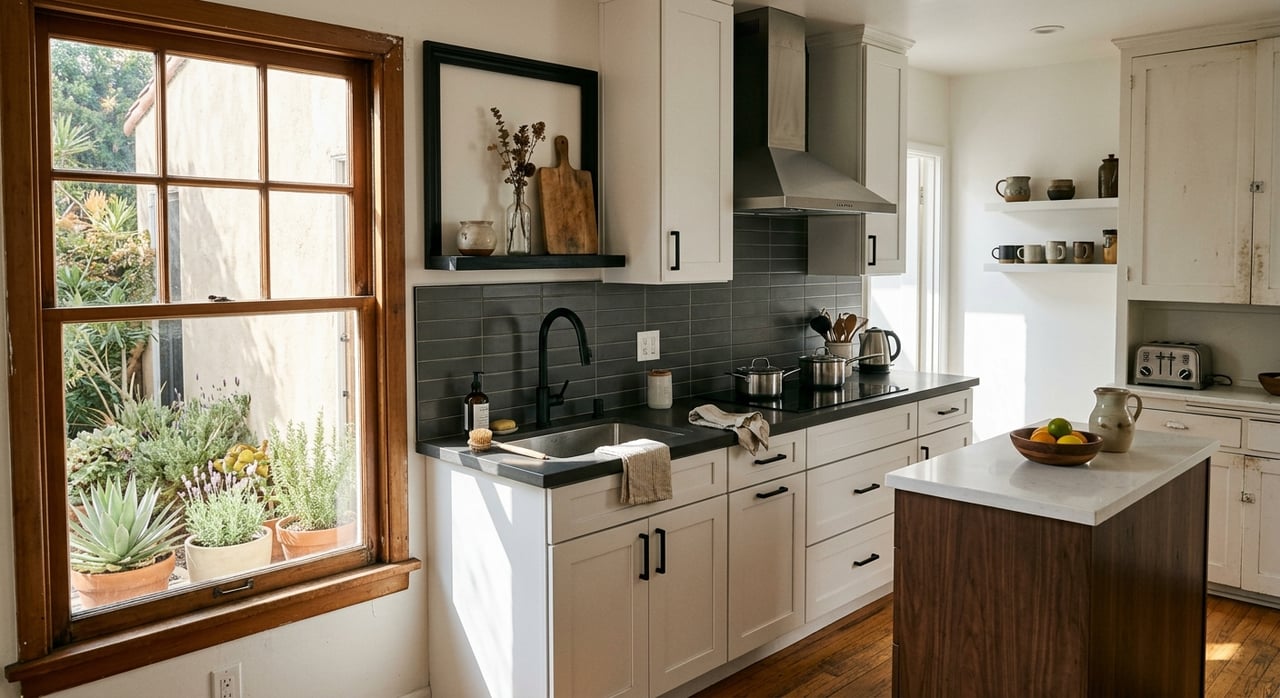
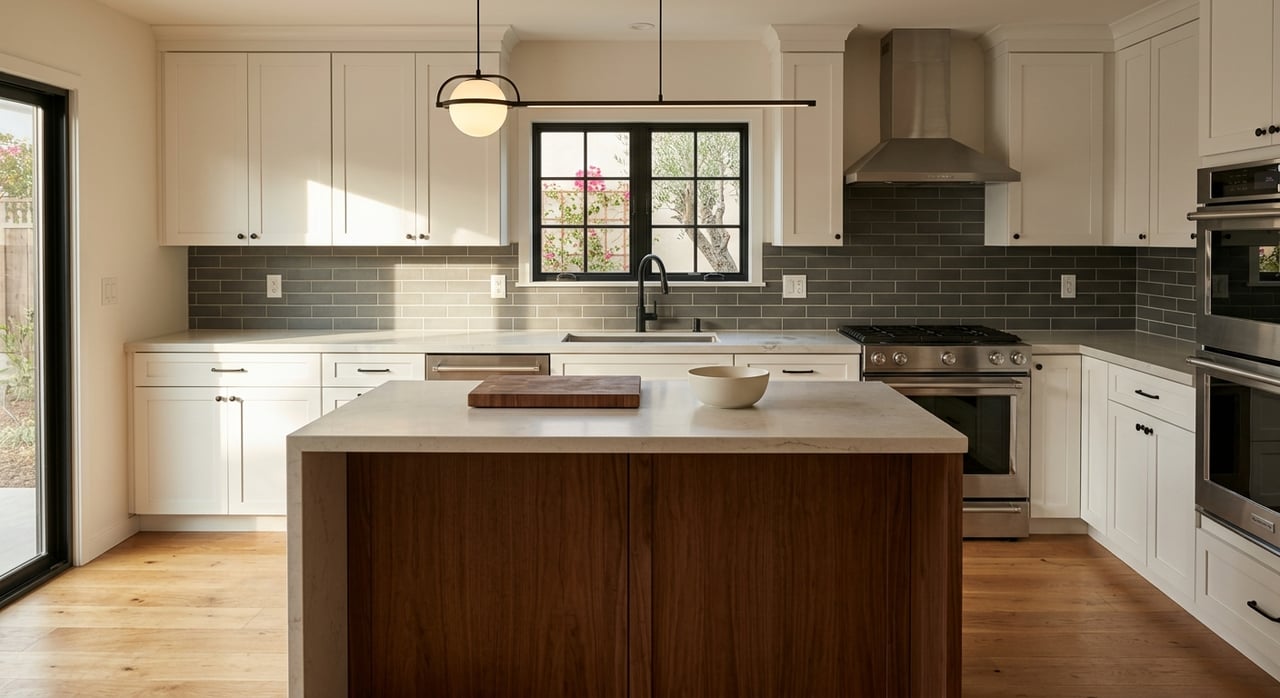
- Kitchens and baths work best when updated tastefully and in scale with the home, without erasing original proportions or finishes that define the style.
- Outdoor living counts. A well-restored Craftsman porch or a refreshed Spanish-style courtyard adds daily joy and real market appeal.
Seller prioritization checklist
- Safety and compliance: Address structural, electrical, and plumbing hazards. Confirm permits where needed.
- Weather-proofing: Fix roof leaks, flashing, grading, and drainage to protect against moisture.
- Preserve visible high-impact features: Front porch, entries, fireplaces, art glass, and decorative tile.
- Cosmetic refresh: Paint, landscaping, lighting, and hardware that complement the home’s style.
- Comfort and efficiency: Target historically sensitive HVAC and insulation improvements, plus thoughtful kitchen and bath updates.
Buyer evaluation tips
- Ask for permit history and details on prior renovations. Unpermitted work is a common pitfall.
- Order both a structural evaluation and a termite inspection. Wood-frame Craftsman homes in particular can hide damage.
- Check whether the property is designated or within a historic district, and ask about design review requirements or incentives such as the Mills Act.
- Budget for maintenance that matches the style. Clay tile roofs and detailed woodwork require specialized contractors and ongoing care.
Which style is right for you?
If you love warm wood, built-ins, and porch sitting, a Craftsman may fit your daily rhythm. If you want a seamless indoor-outdoor flow with arches and courtyards, Spanish Revival likely calls your name. Either way, owning one of Pasadena’s signature homes can be as rewarding as it is beautiful when you plan for the structure, systems, and style details that make these properties special.
If you want a walkthrough that pairs neighborhood context with a practical eye for condition and scope of work, reach out to Joe Kaplan. You will get local guidance and construction-savvy insight so you can buy or sell with confidence.
FAQs
How can I quickly identify Craftsman vs Spanish Revival in Pasadena homes?
- Craftsman shows exposed rafters, low-pitched gables, and a porch with tapered columns. Spanish Revival has smooth stucco, red clay tile roofs, and arched openings with decorative tile or ironwork.
What costs more to maintain in Pasadena: Craftsman or Spanish Revival?
- It depends on condition. Craftsman often needs regular wood maintenance and termite vigilance. Spanish Revival can have costly roof underlayment work and specialized stucco repairs. Specialty trades increase costs for both styles.
How does historic designation affect renovations on Pasadena homes?
- Designated properties often require design review and may have limits on exterior changes. Incentives such as the Mills Act and alternative compliance paths under the California Historical Building Code may apply. Always confirm with Pasadena’s Historic Preservation staff.
What renovations best protect value in Craftsman and Spanish Revival homes?
- Repair and retain character features first, then modernize systems for safety and comfort. Respect original proportions and materials in kitchens and baths, and prioritize porches or courtyards for daily use and curb appeal.
Are energy efficiency upgrades possible without harming historic features?
- Yes. Focus on attic insulation, careful wall insulation methods, and minimally invasive HVAC like ductless mini-splits. Choose contractors experienced with historic finishes and systems.
What seismic upgrades should I consider for older Pasadena homes?
- Foundation bolting, cripple wall bracing, and chimney reinforcement are common. Unreinforced masonry should be evaluated by a structural engineer familiar with local codes and preservation standards.