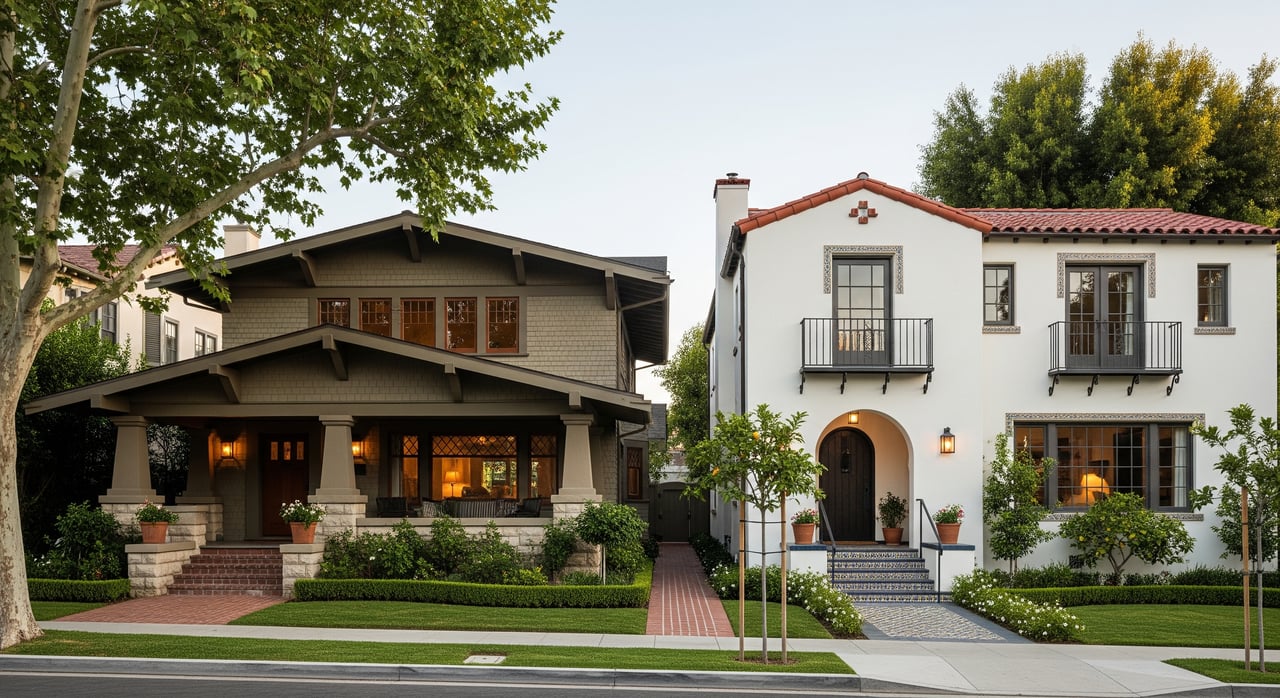
If you love walking South Pasadena’s tree-lined streets and pointing out porches, red-tile roofs, and big picture windows, you’re in the right place. You might be wondering which style fits your life, your light preferences, and your renovation budget. In this guide, you’ll learn how to spot the area’s most common home styles, what their floor plans feel like, what to watch during showings, and how style impacts maintenance and upgrades. Let’s dive in.
Why South Pasadena’s architecture stands out
South Pasadena grew up in waves, with a major building boom from about 1900 to 1930, followed by post-war infill and mid-century construction. That history created a mix of Craftsman, Spanish Revival, and mid-century homes, plus a scattering of later styles and remodels. Many houses sit on smaller lots with mature landscaping, original floor plans, and a blend of preserved details and thoughtful updates.
The city also has historic districts and landmarked properties. If you plan major exterior changes or additions, you may face design review and specific permitting. Before you sketch plans, confirm any restrictions with the City of South Pasadena’s Planning or Historic Preservation team so your timeline and budget stay realistic.
Craftsman homes: warmth and detail
How to spot them
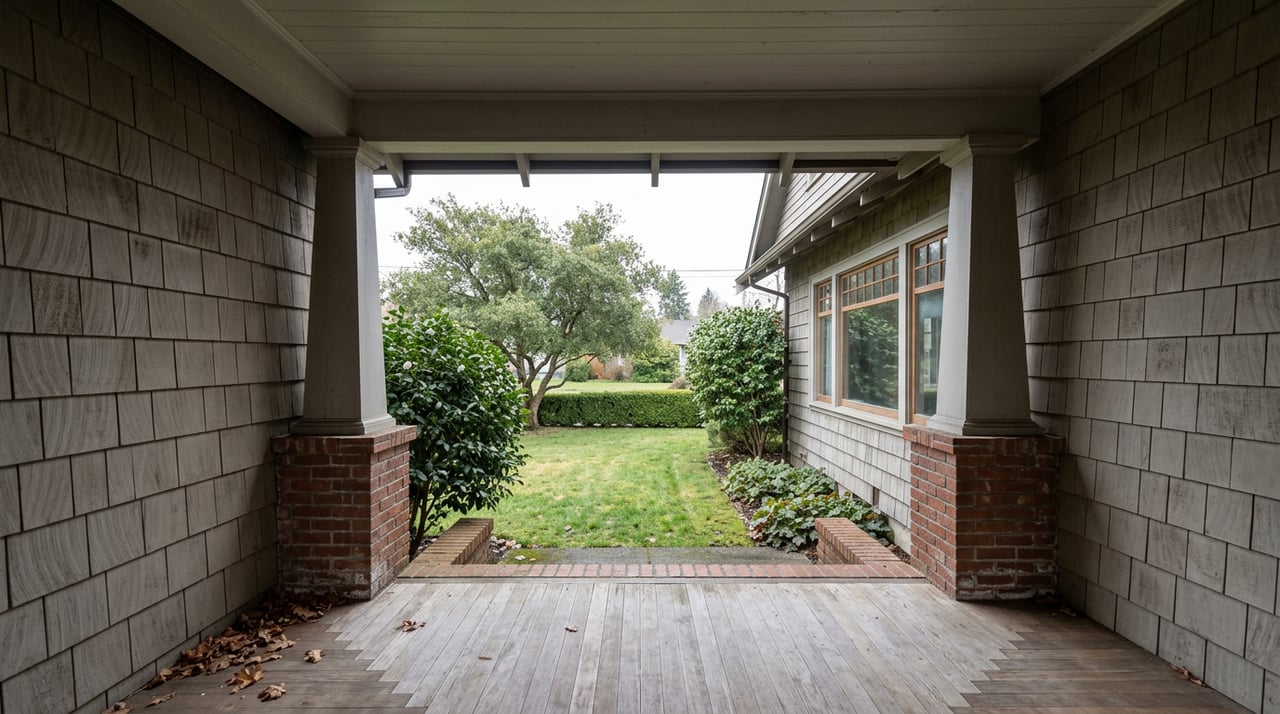
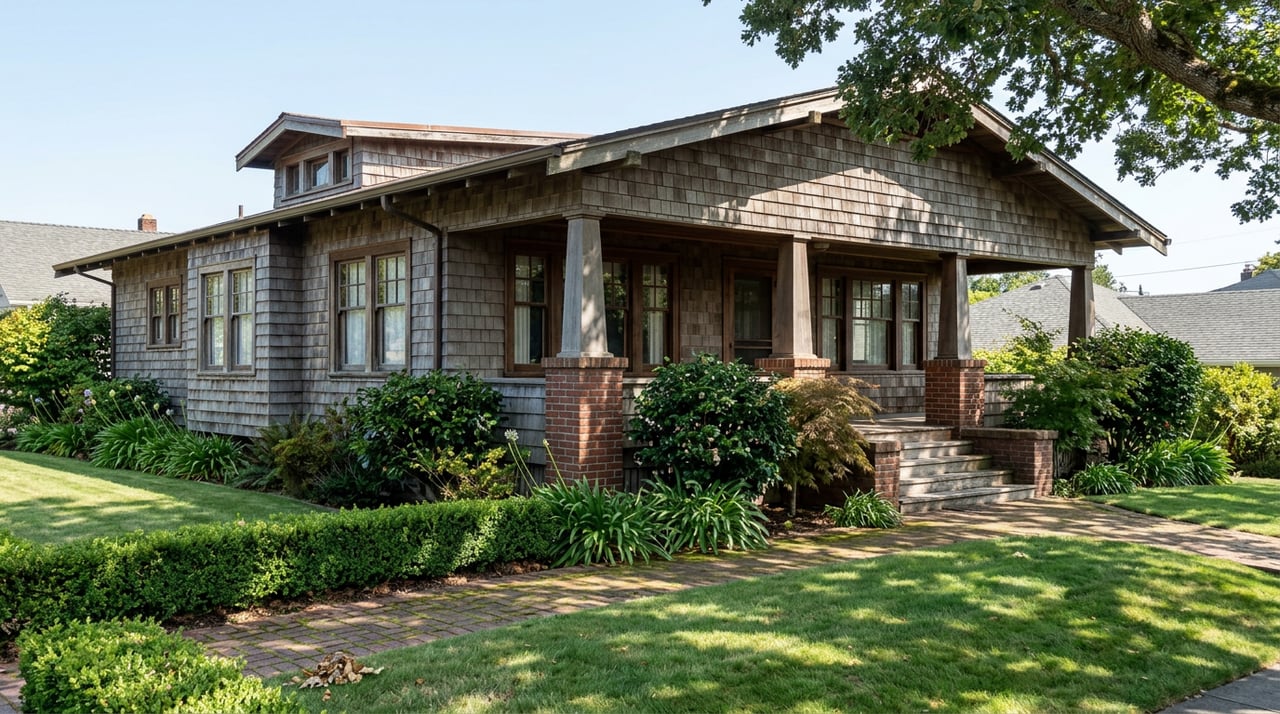
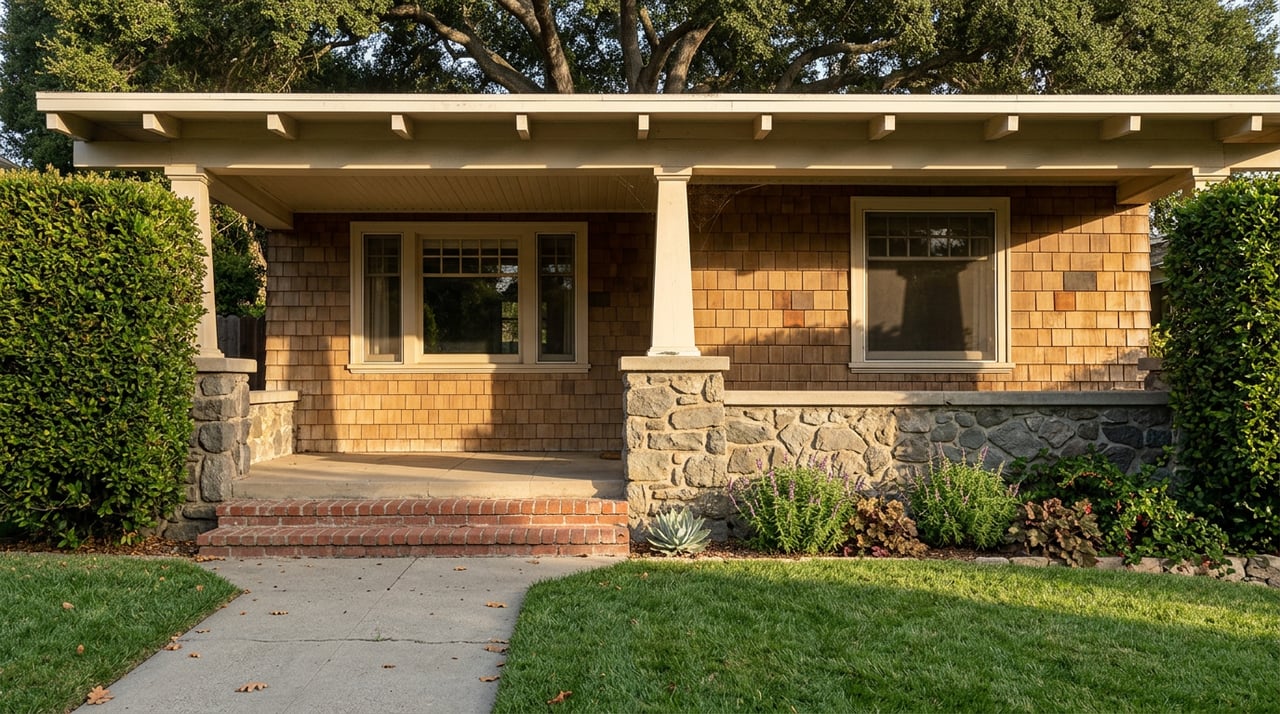
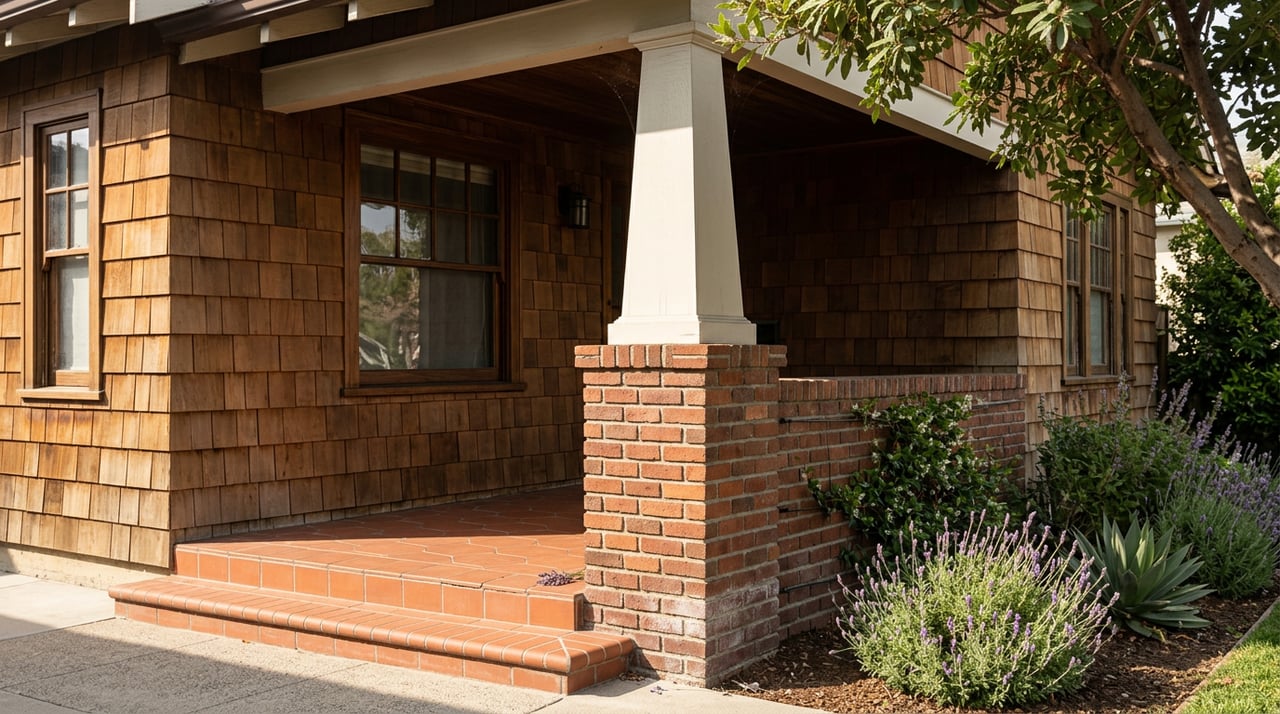
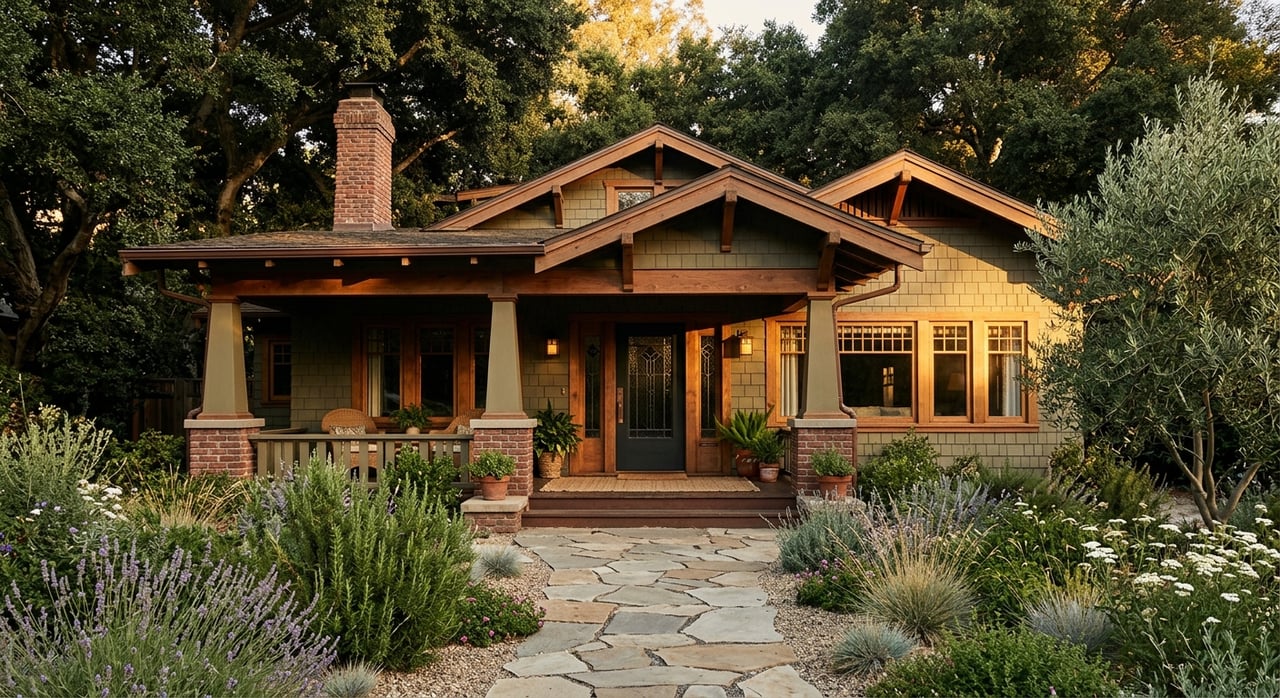
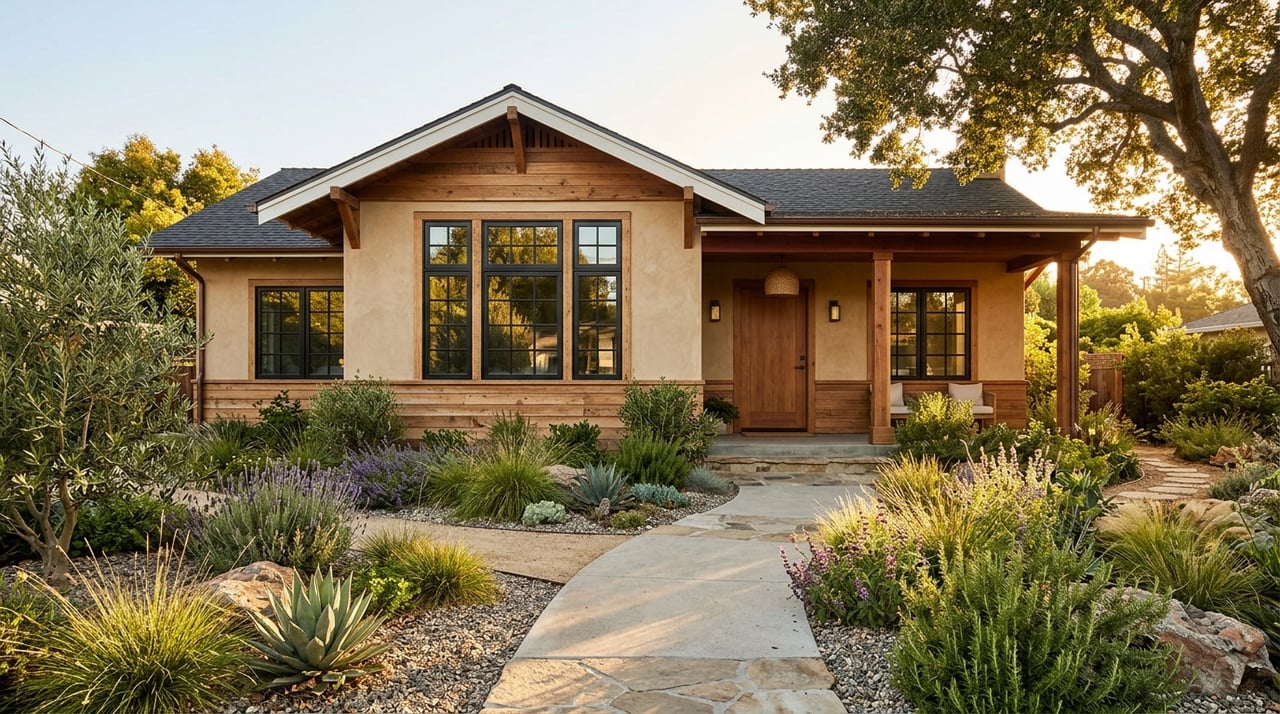
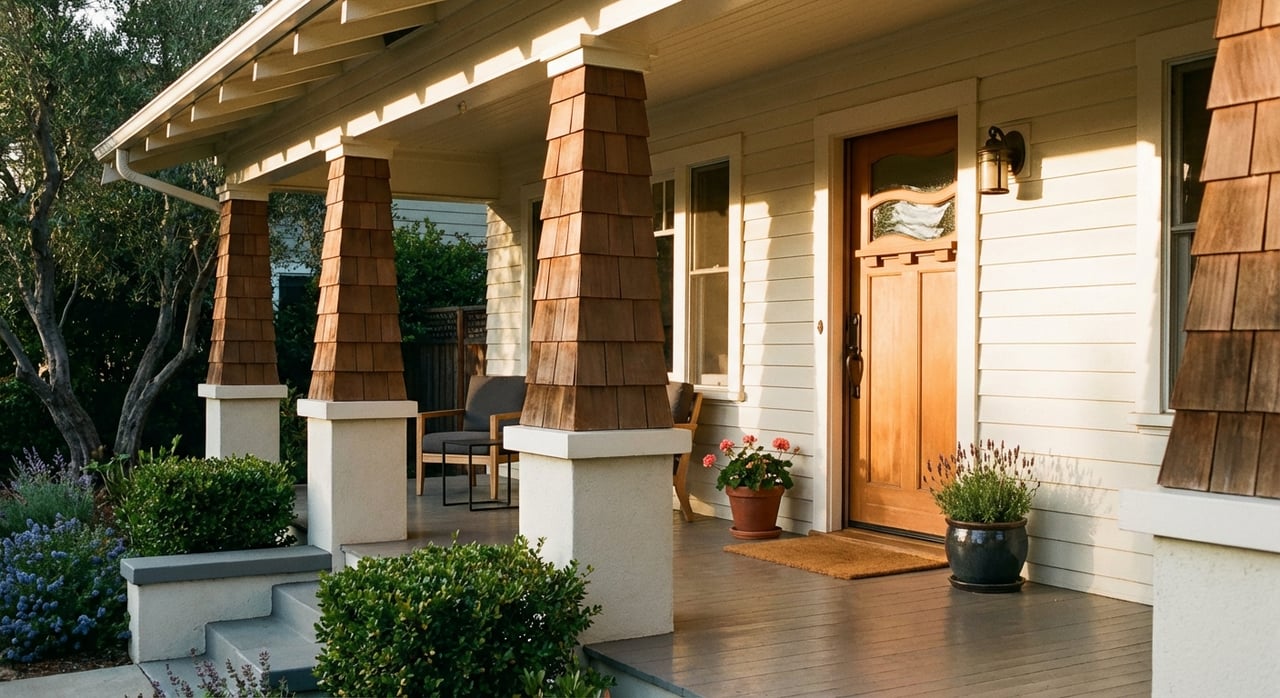
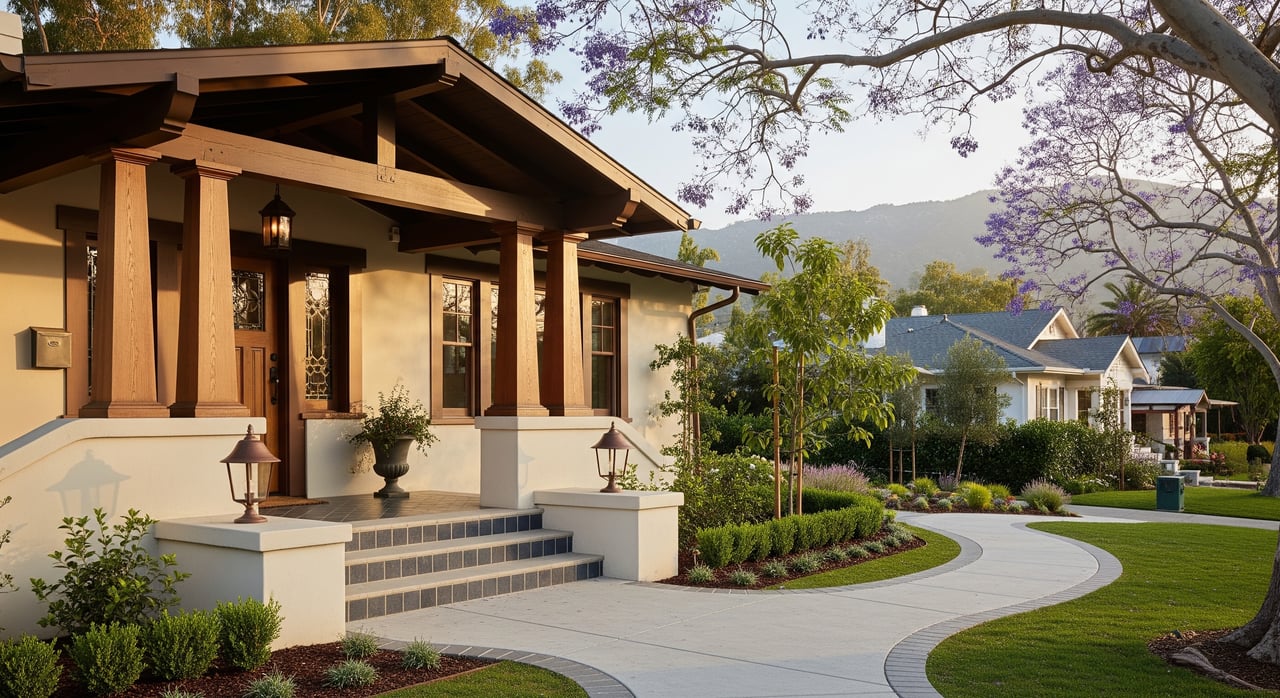
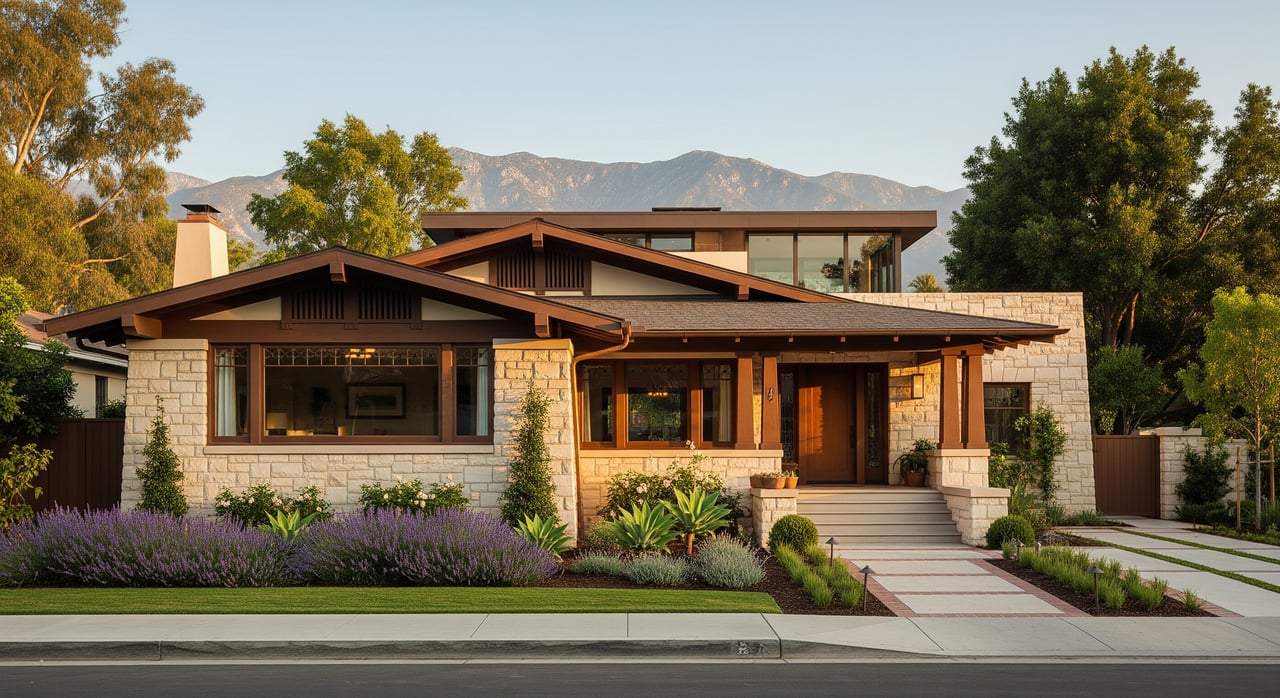
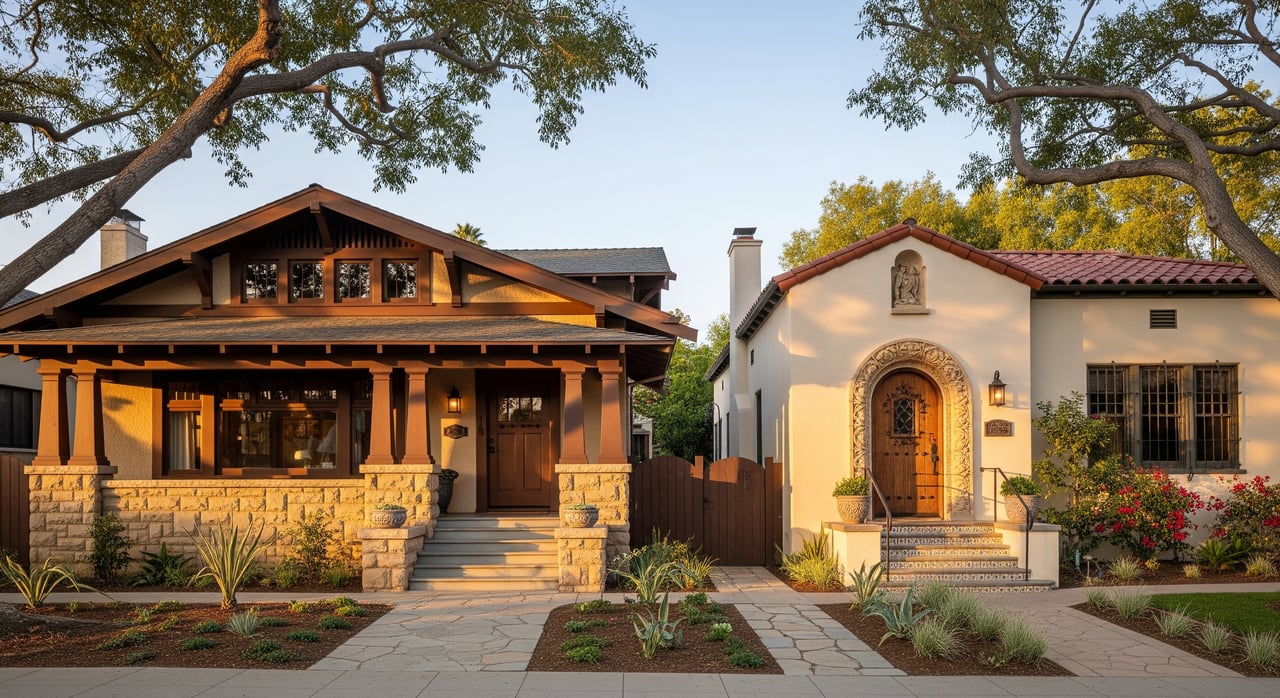
Look for low-pitched gabled roofs with wide eaves and exposed rafters. Front porches usually feature tapered columns on stout piers of stone or brick. You’ll often see wood lap siding or shingles and windows with a multi-pane upper sash over a single-pane lower sash.
Layout and light
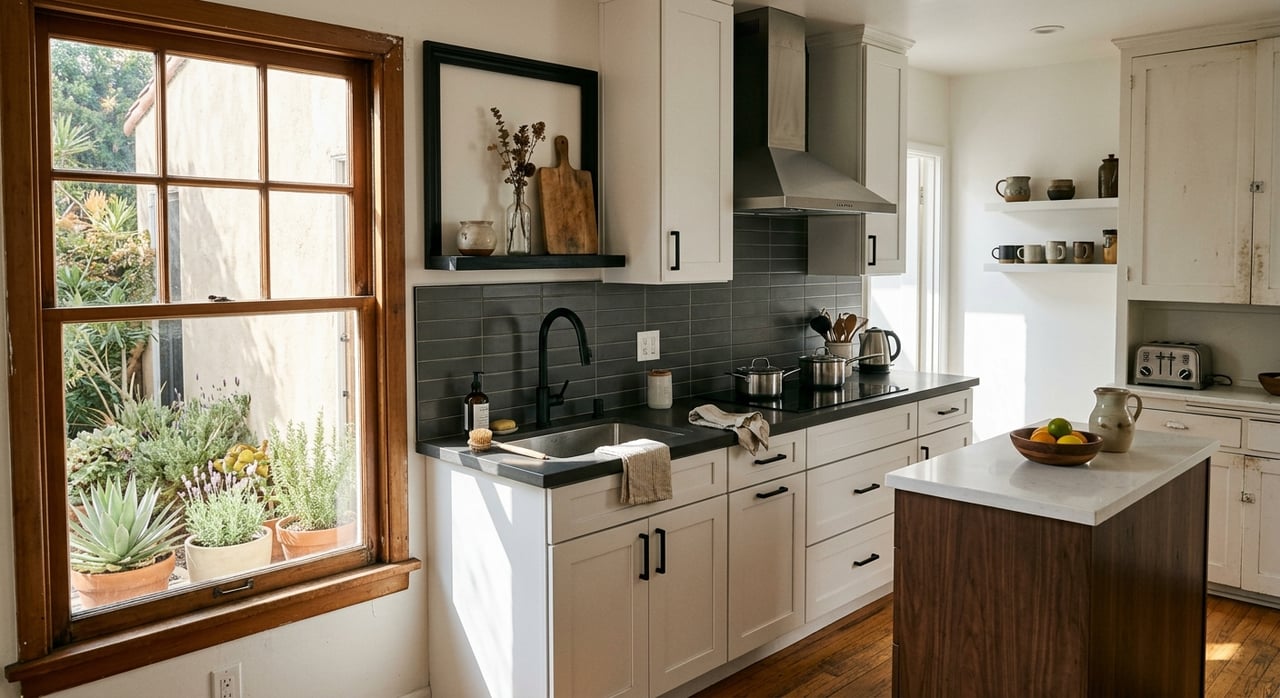
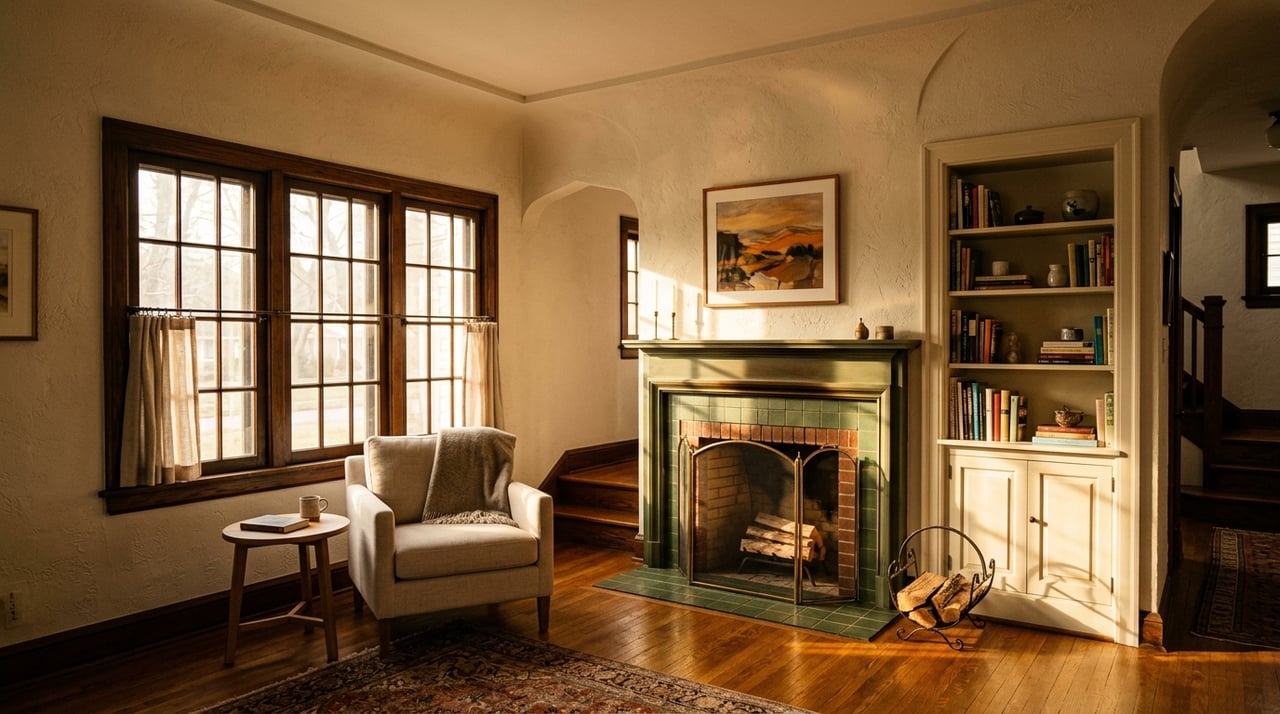
Craftsman homes tend to be one to one-and-a-half stories with compact, efficient footprints. Expect a formal living room that flows to a dining room and a kitchen that feels small by today’s standards. Deep eaves and porches soften direct sun, so interiors have gentle, diffuse light rather than floor-to-ceiling brightness. Rooms are clearly defined, which is great for cozy zones and less ideal if you want a wide-open great room.
Maintenance and upgrades
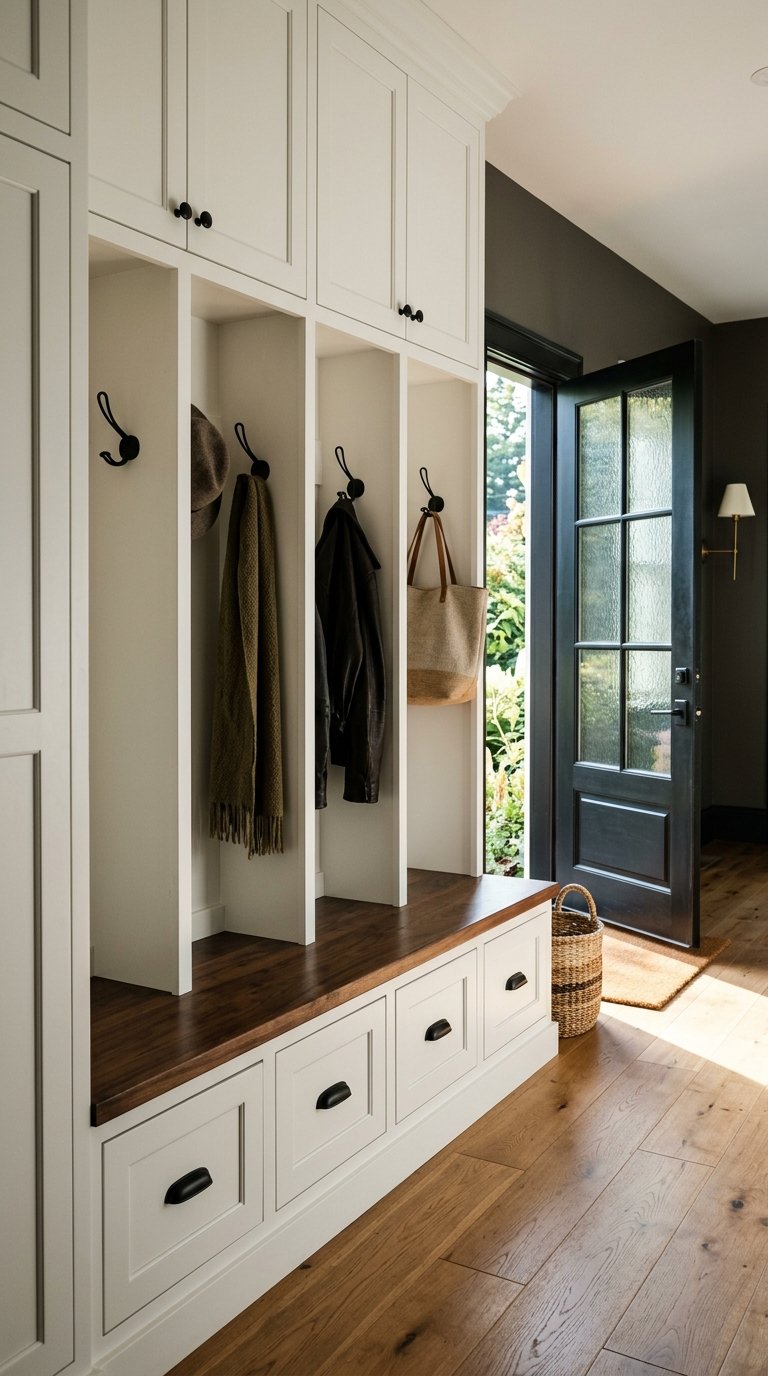
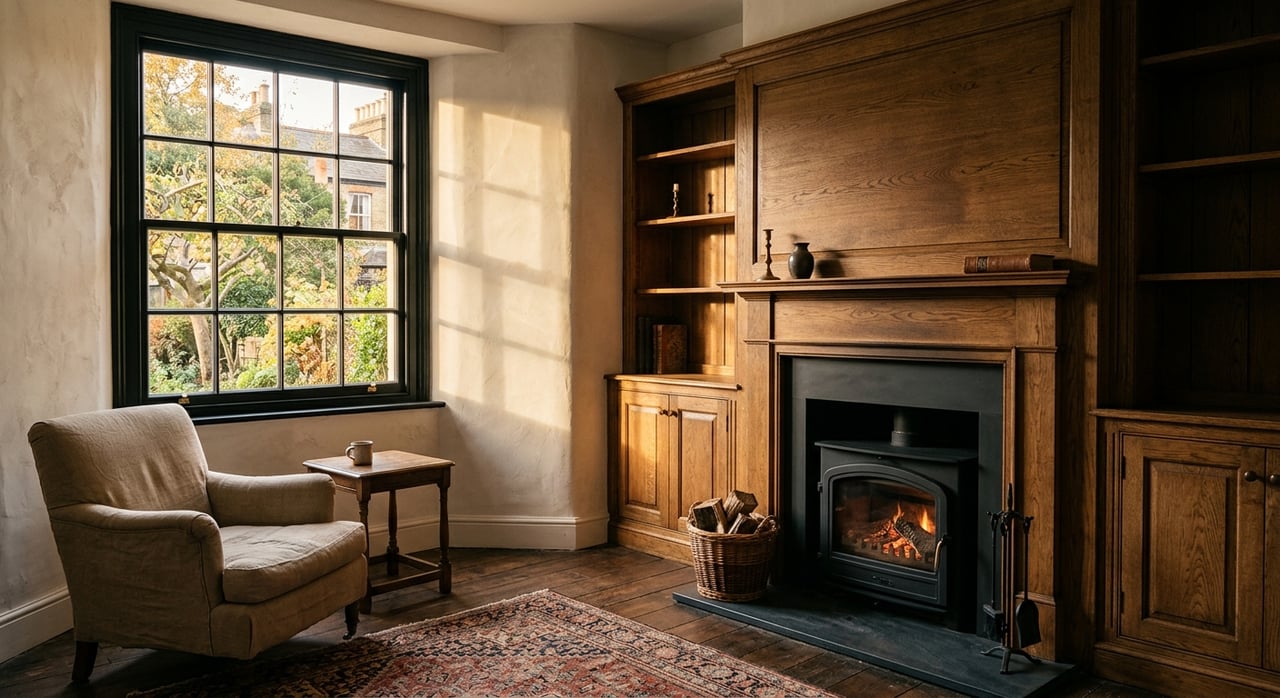
Common considerations include composition shingle roofs and potential rot at eaves or rafter tails. Wood siding needs regular paint and can be prone to termites or moisture at joints. Inside, you might find original plaster, hardwood floors, built-ins, and a central fireplace. Electrical, plumbing, and insulation may be older and due for upgrades, especially in early examples.
Renovation watch-outs
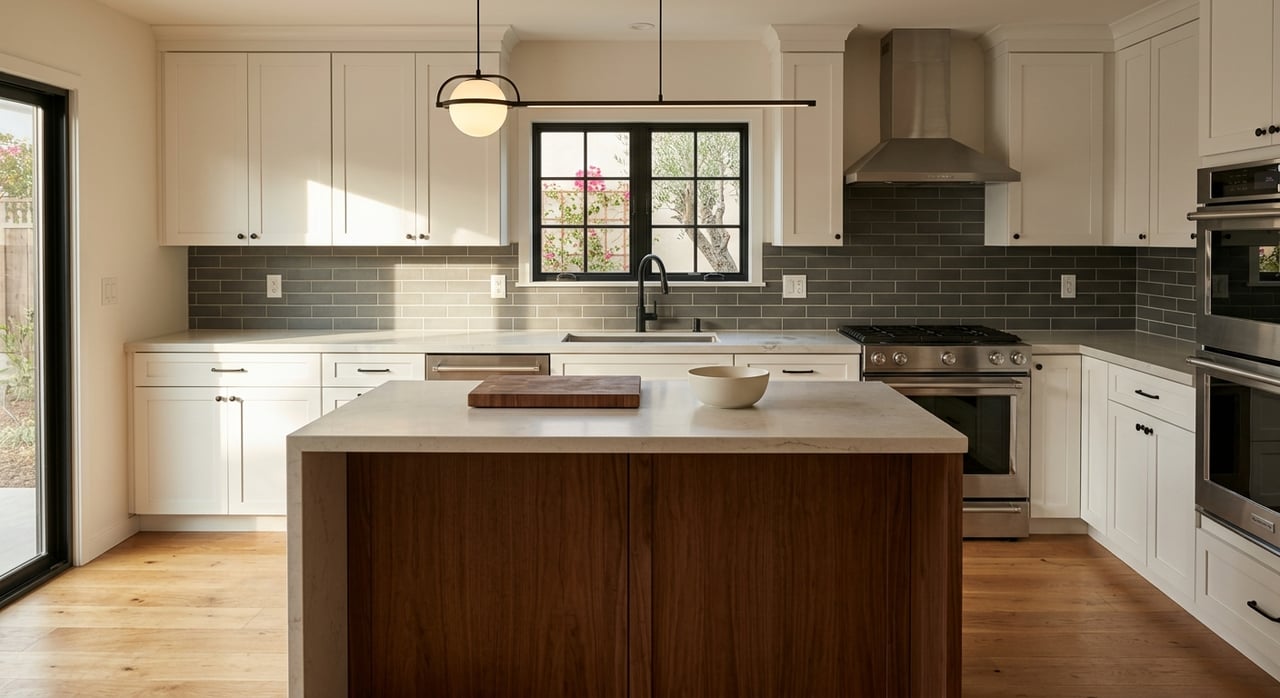
Opening a Craftsman kitchen to dining can be transformative, but roof lines, porch structures, and original built-ins can limit where you remove walls. If the home is in a historic district, preserving window patterns, trim, and porch character is often part of design review. Plan for structural support where you remove interior walls and consider preservation-minded design that honors the home’s proportions.
Spanish Revival: stucco, tile, courtyards
How to spot them
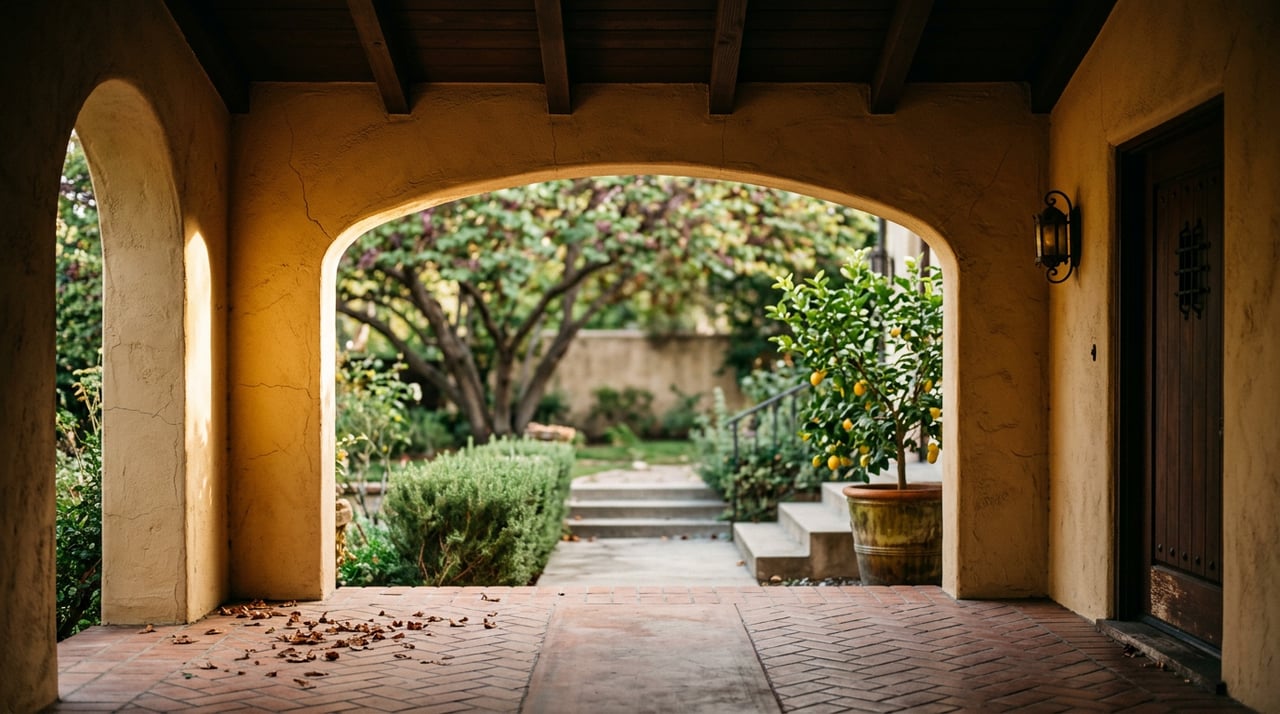
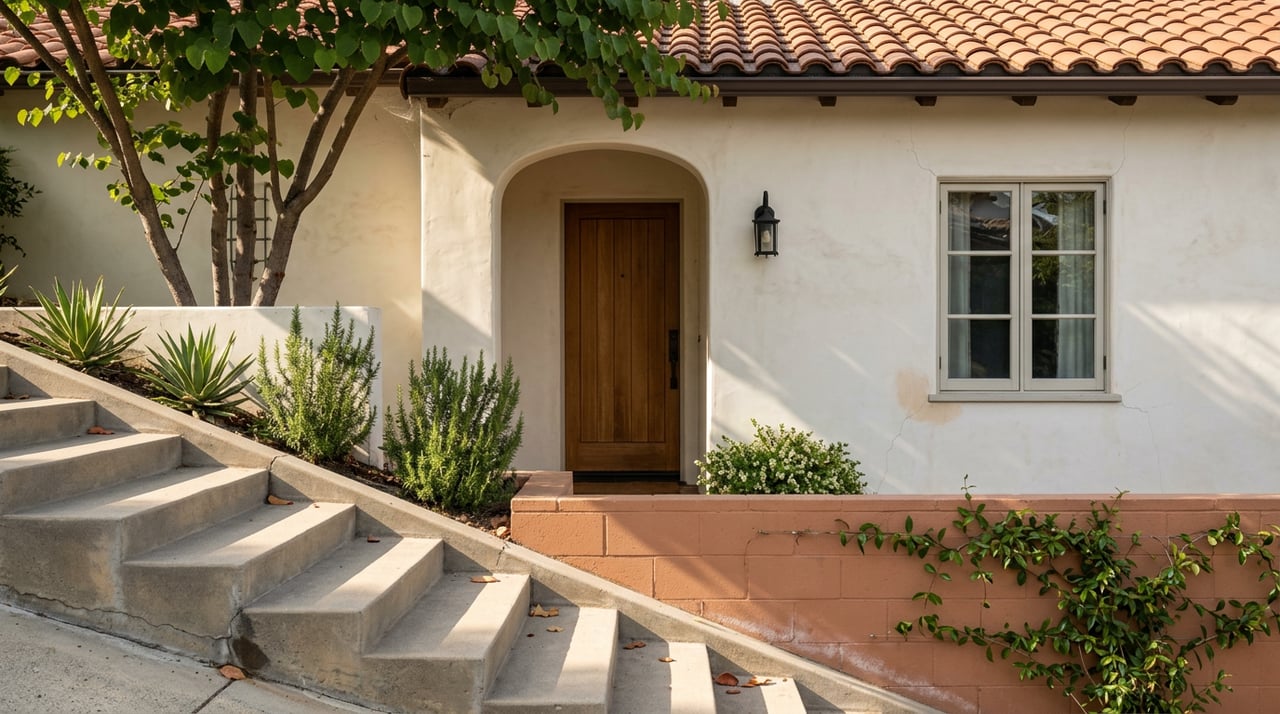
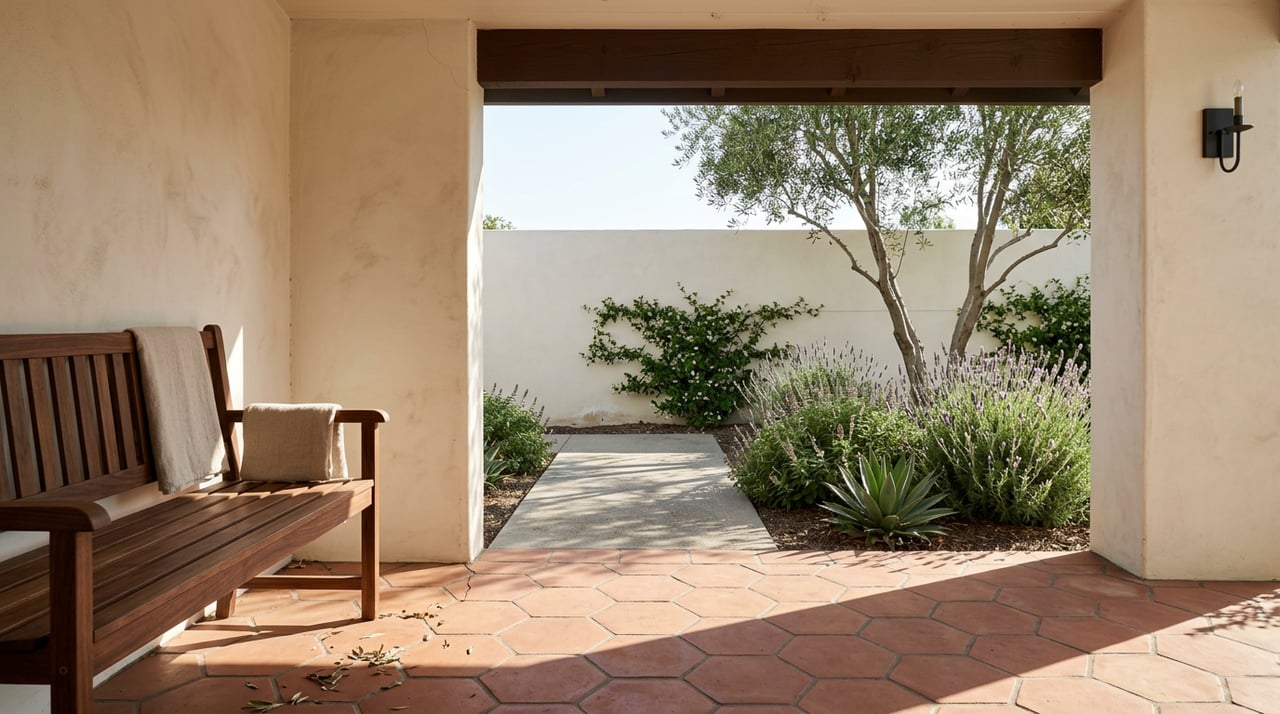
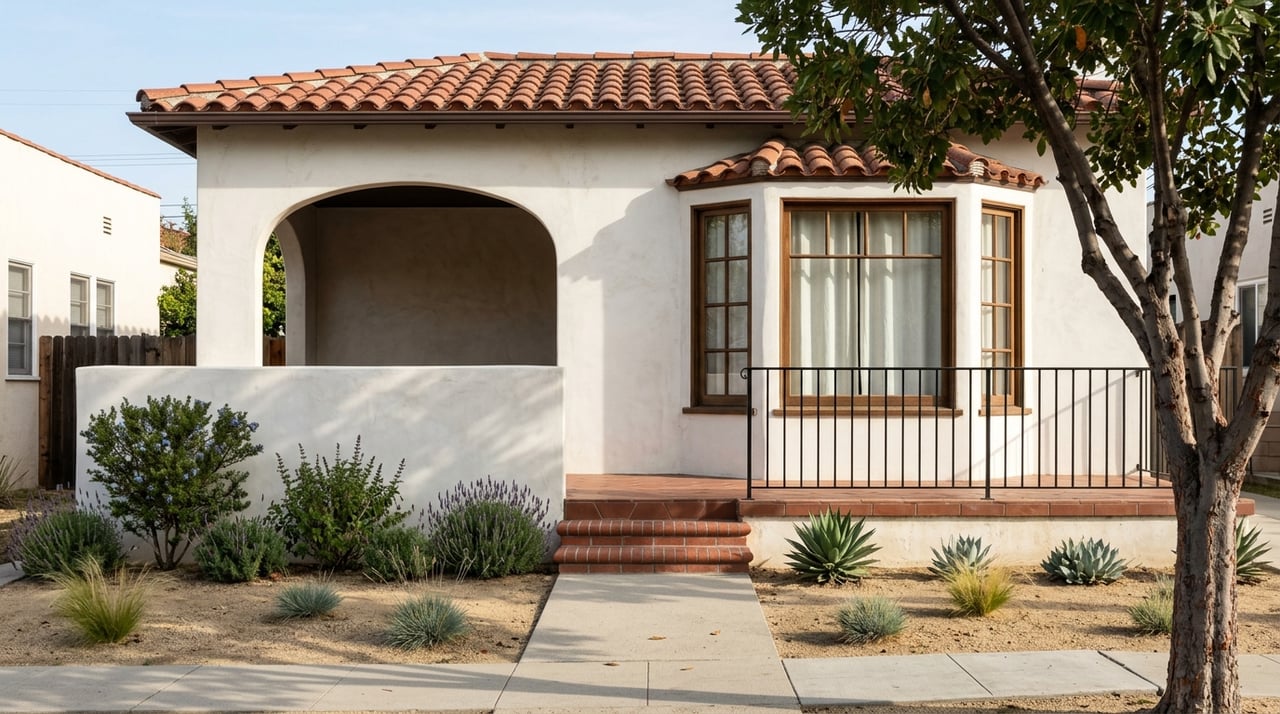
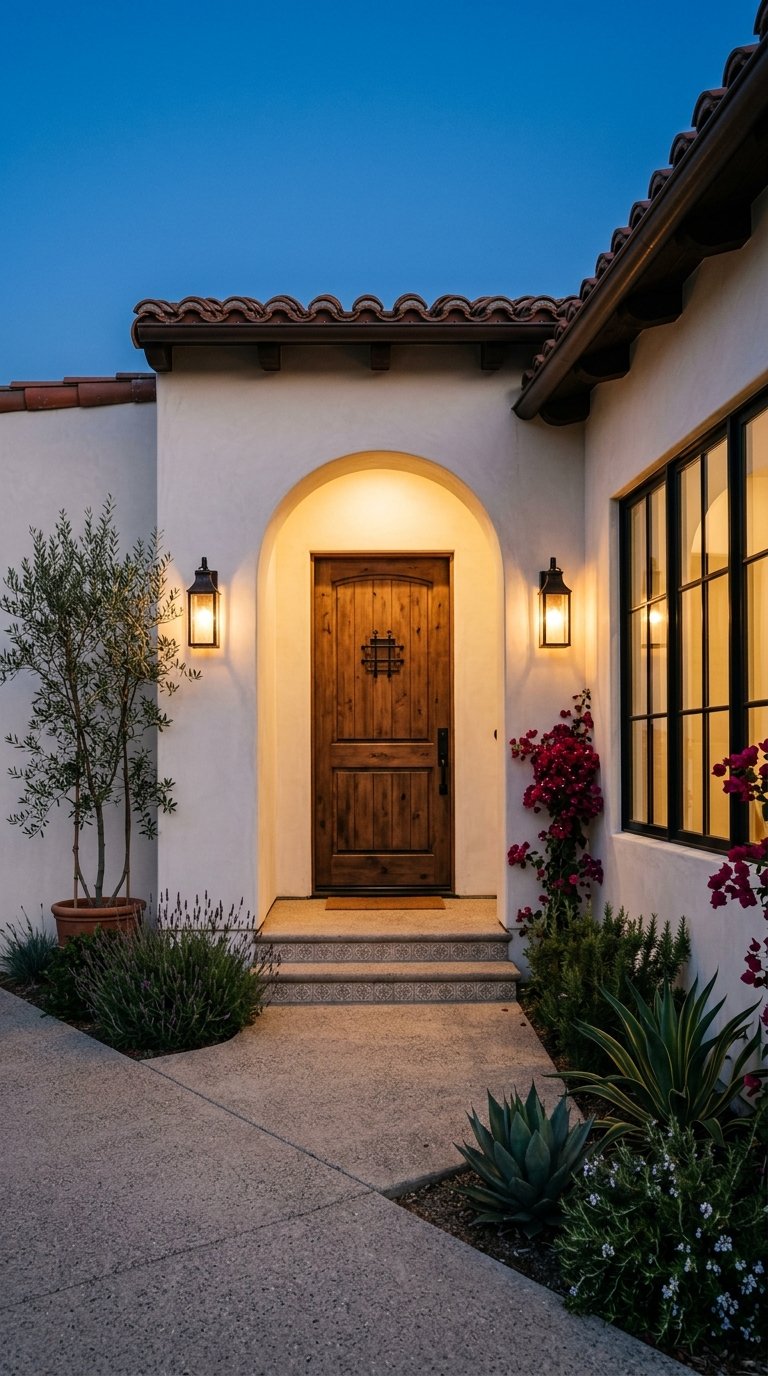
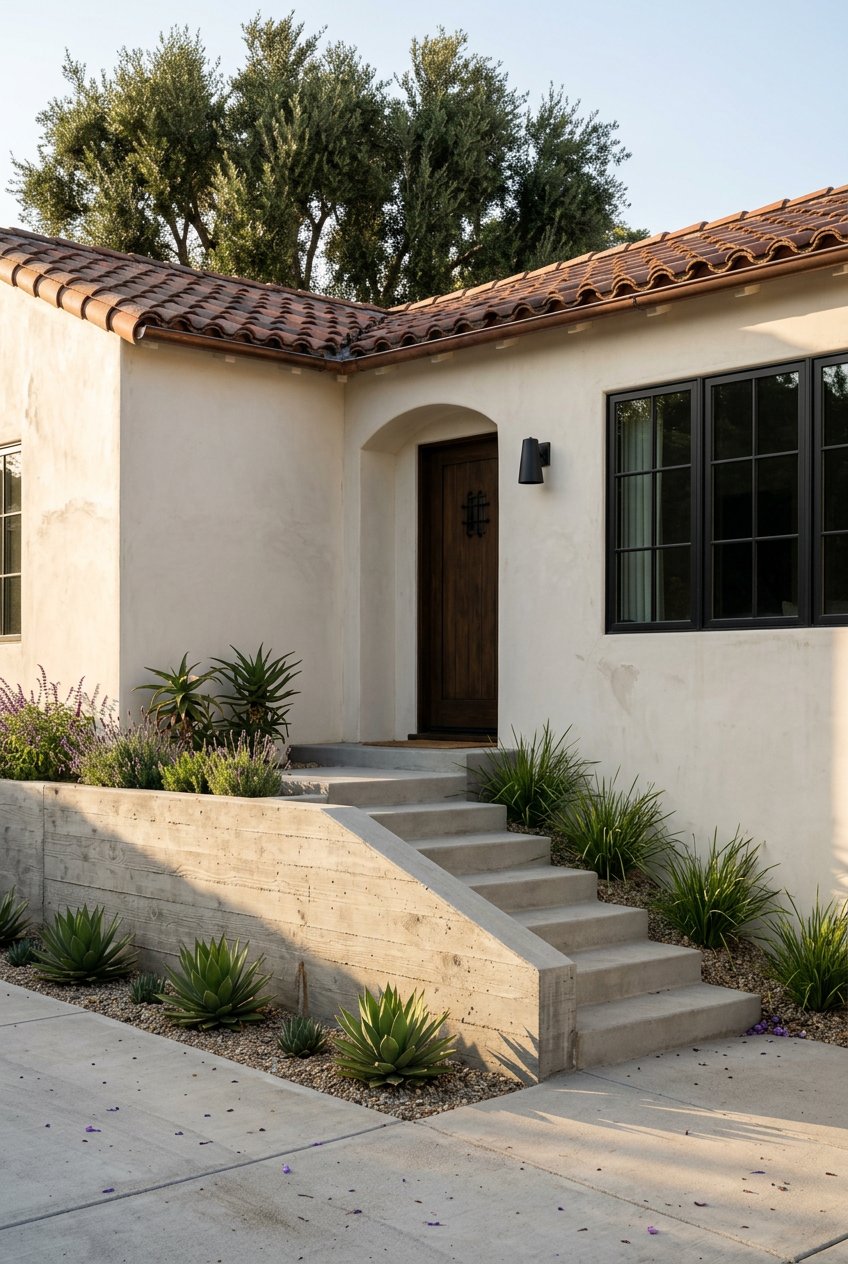
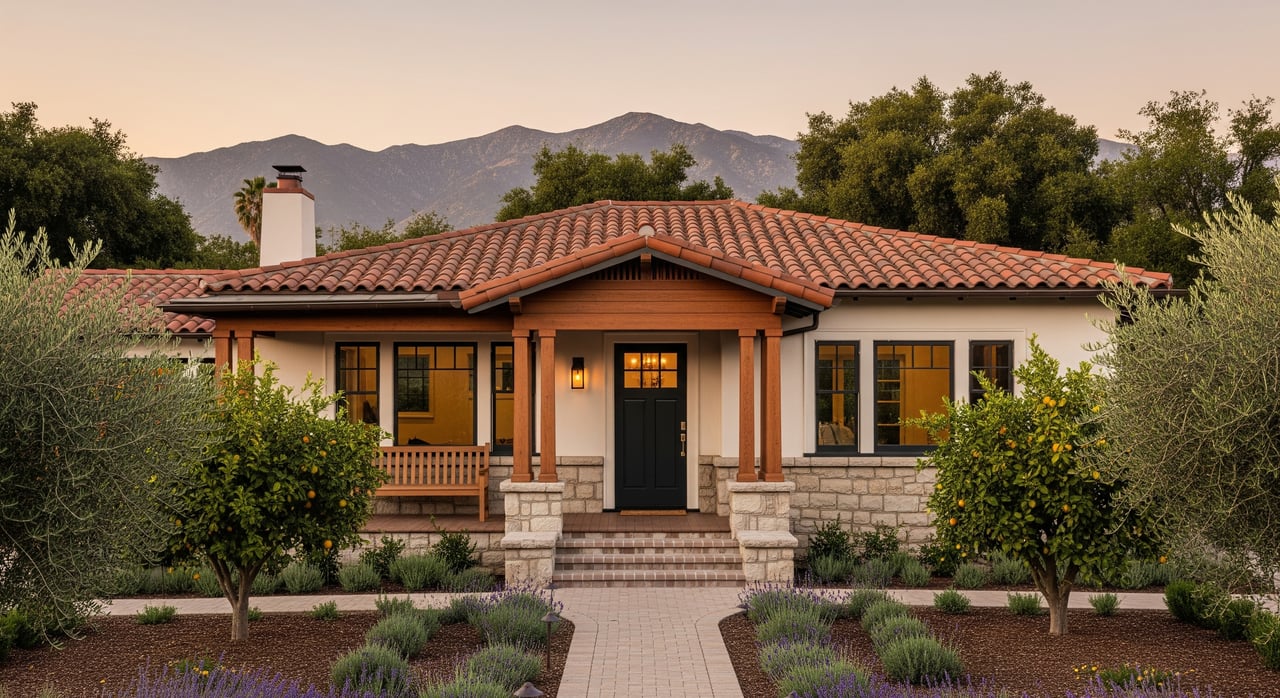
Spanish Revival and Mission influences often show up as stucco walls, red clay tile roofs, decorative ironwork, and arched openings. Facades are typically asymmetrical, sometimes with small courtyards or tiled entries. You may see thicker exterior walls and stucco detailing around windows and doors.
Layout and light
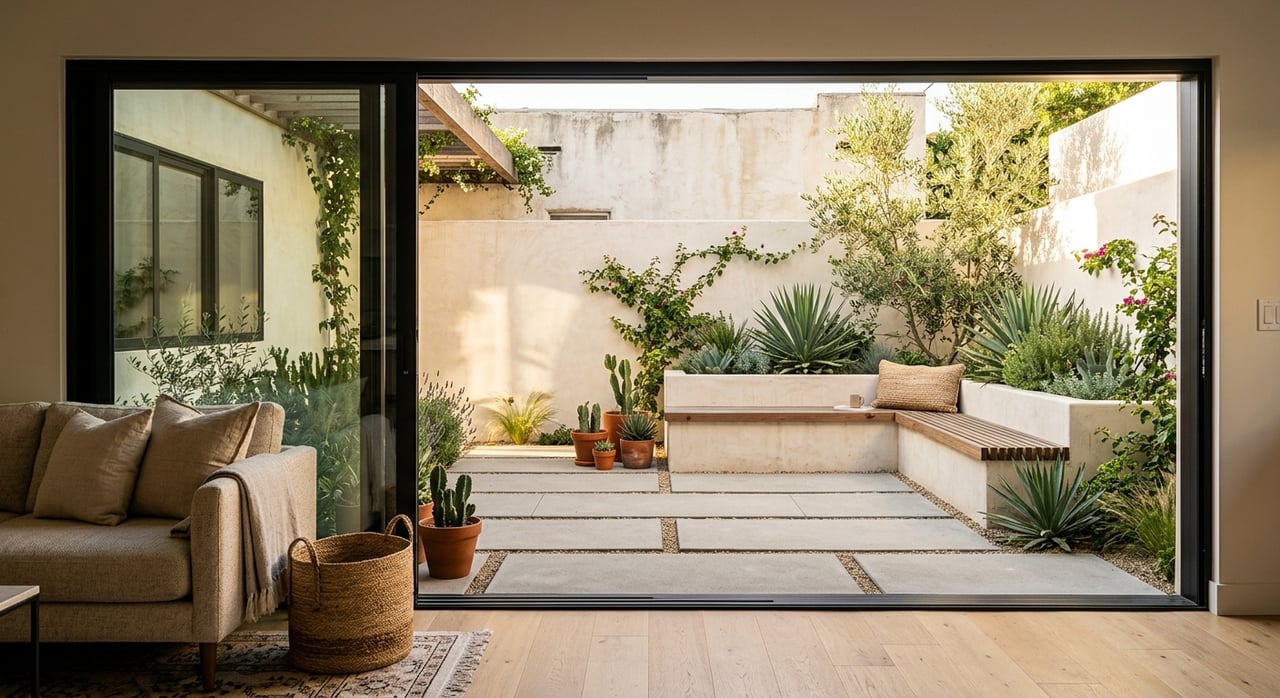
Plans can be irregular with alcoves, a central hall, or interior courtyards. Courtyards deliver bright, protected outdoor space while interior rooms can feel more intimate and subdued. Recessed windows and deep walls help manage sun exposure, which can be a plus in hot months but reduces the top-down daylight some buyers prefer.
Maintenance and upgrades
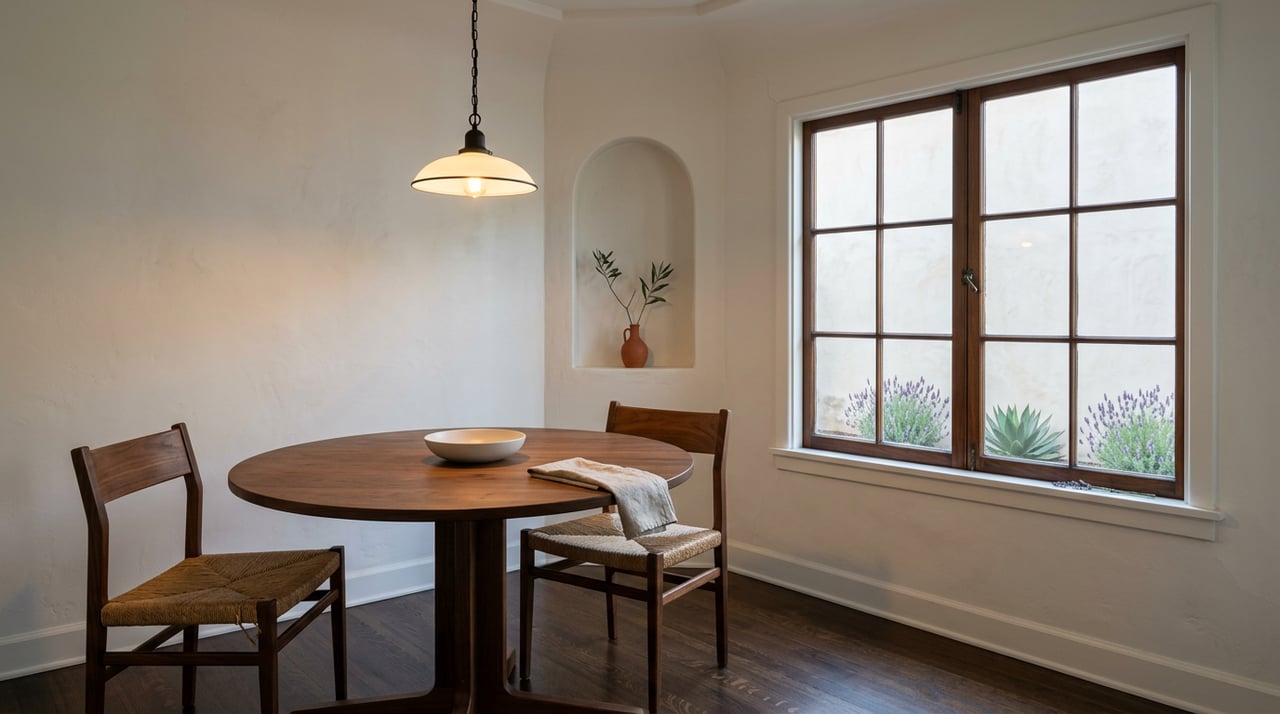
Clay tile roofs are durable but heavy, so the roof structure matters. Over time, underlayment can age out and tiles can break, and flashing around chimneys or vents is a frequent leak source. Stucco requires close attention to hairline cracks and moisture intrusion. Inside, decorative plaster and period tile are prized features worth preserving.
Renovation watch-outs
Adding large wall-length glass can conflict with thick walls and roof shapes. In historic examples, decorative tile and plaster should be treated with care since reproducing materials is costly. If you want better indoor-outdoor flow, consider enhancing courtyard connections rather than forcing a floor-to-ceiling opening on a facade that was not designed for it.
Mid-century and post-war: open and bright
How to spot them
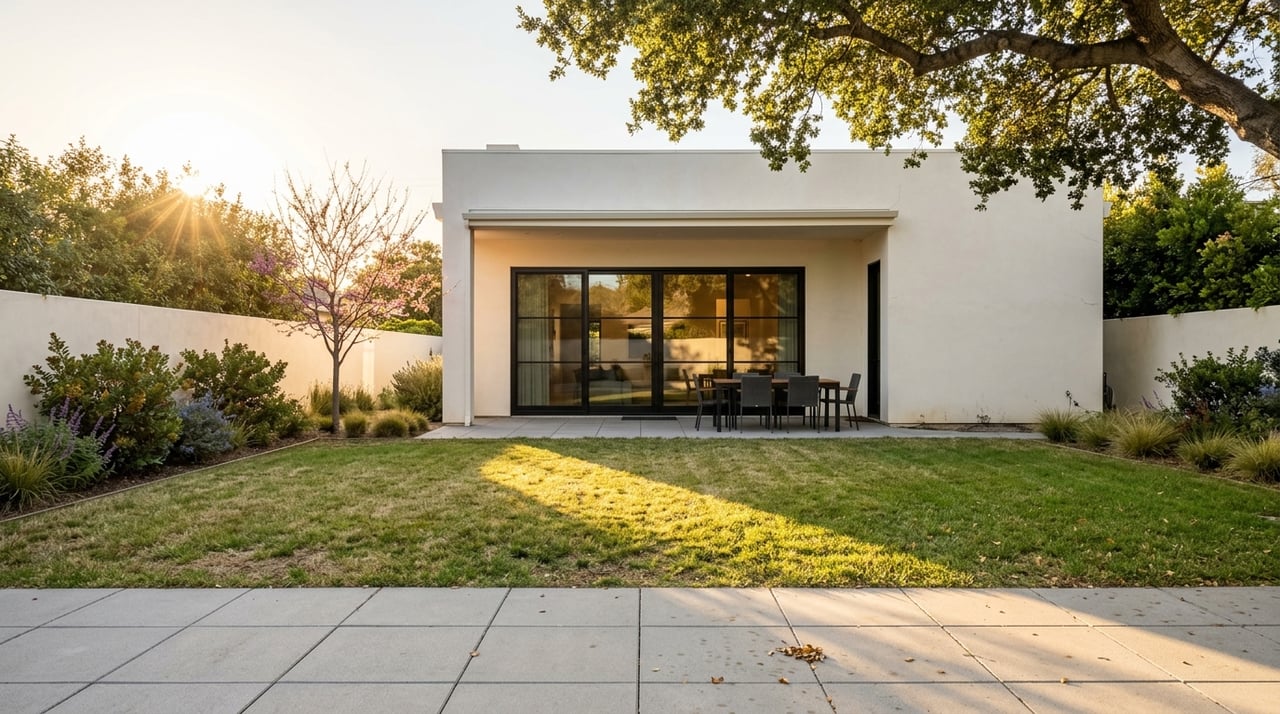
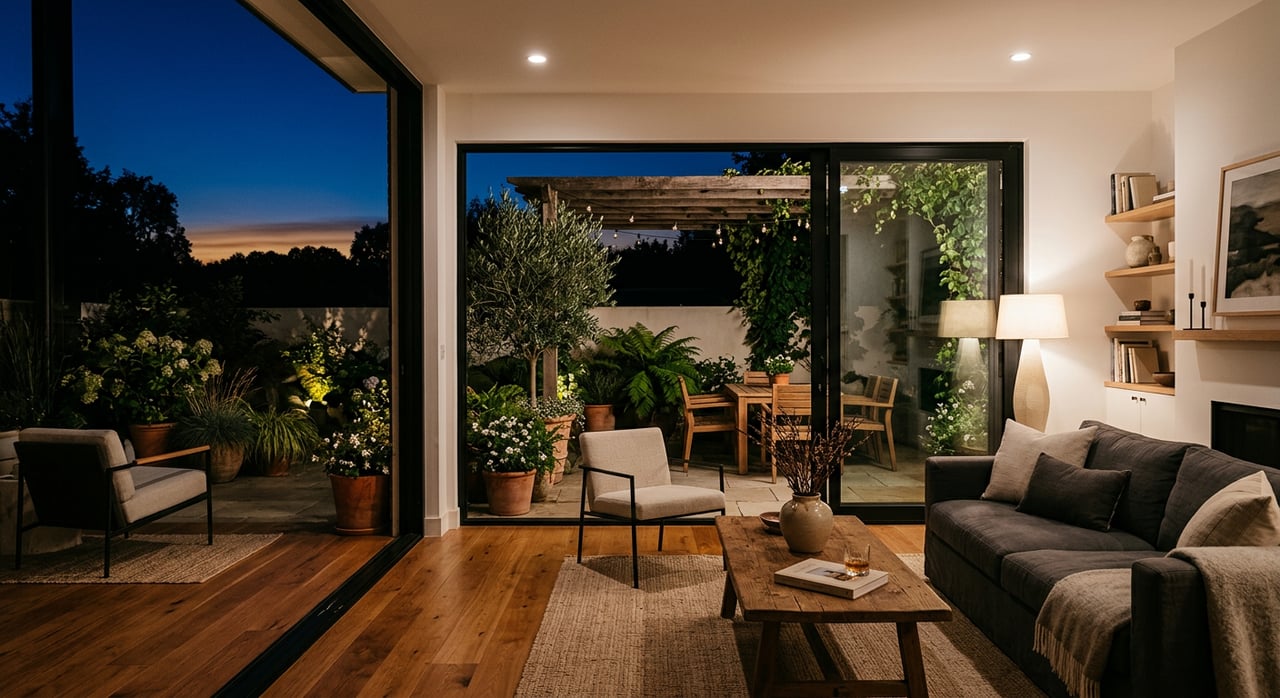
Think horizontal lines, low-pitched or flat roofs, and big panes of glass. You’ll see picture windows, sliding doors to patios, and sometimes clerestory windows. Many include attached garages or carports and single-level ranch or split-level layouts.
Layout and light
Mid-century homes often offer more open plans, better integration between kitchen and entertaining areas, and strong indoor-outdoor flow. Daylighting tends to be generous, which makes spaces feel larger. If you value easy sightlines and fewer walls, this style usually delivers without major structural changes.
Maintenance and upgrades
Original single-pane glazing and minimal insulation are common. Flat or low-slope roofs can have aging membranes. Systems may need modernizing, but reconfiguration for lifestyle changes is usually simpler than in early 20th-century homes because of the more open structure.
Renovation watch-outs
If you plan to upgrade windows, consider energy performance while preserving the home’s signature lines. Insulation, HVAC updates, and targeted roof work can improve comfort without changing the architecture. Keep an eye on drainage and grading near slabs and patios to prevent water intrusion.
Other styles you may see
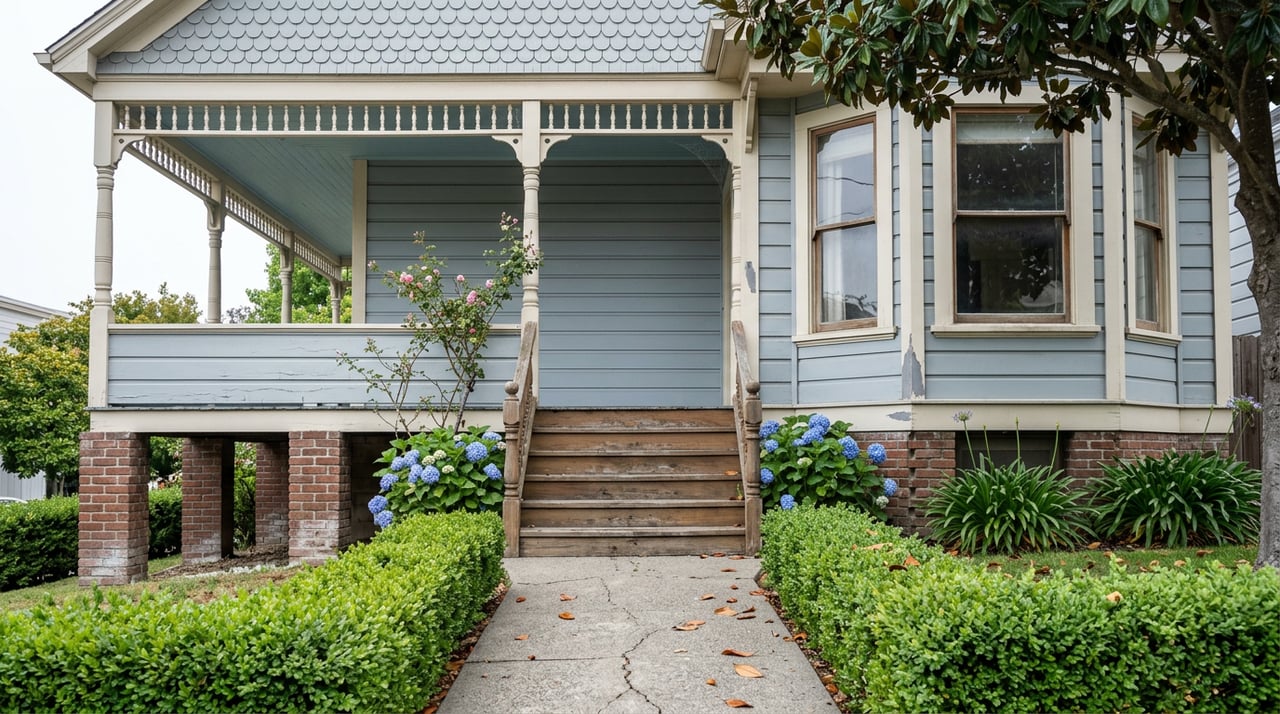
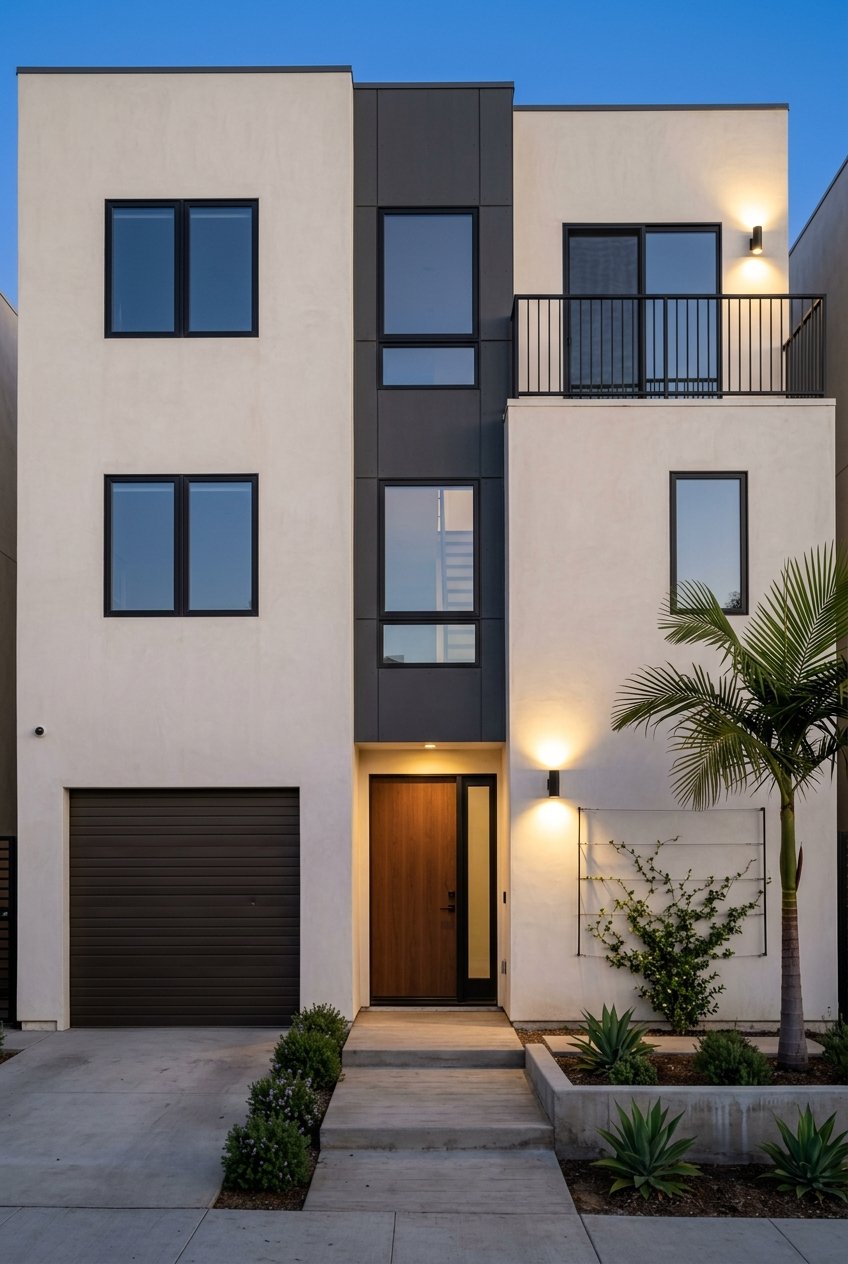
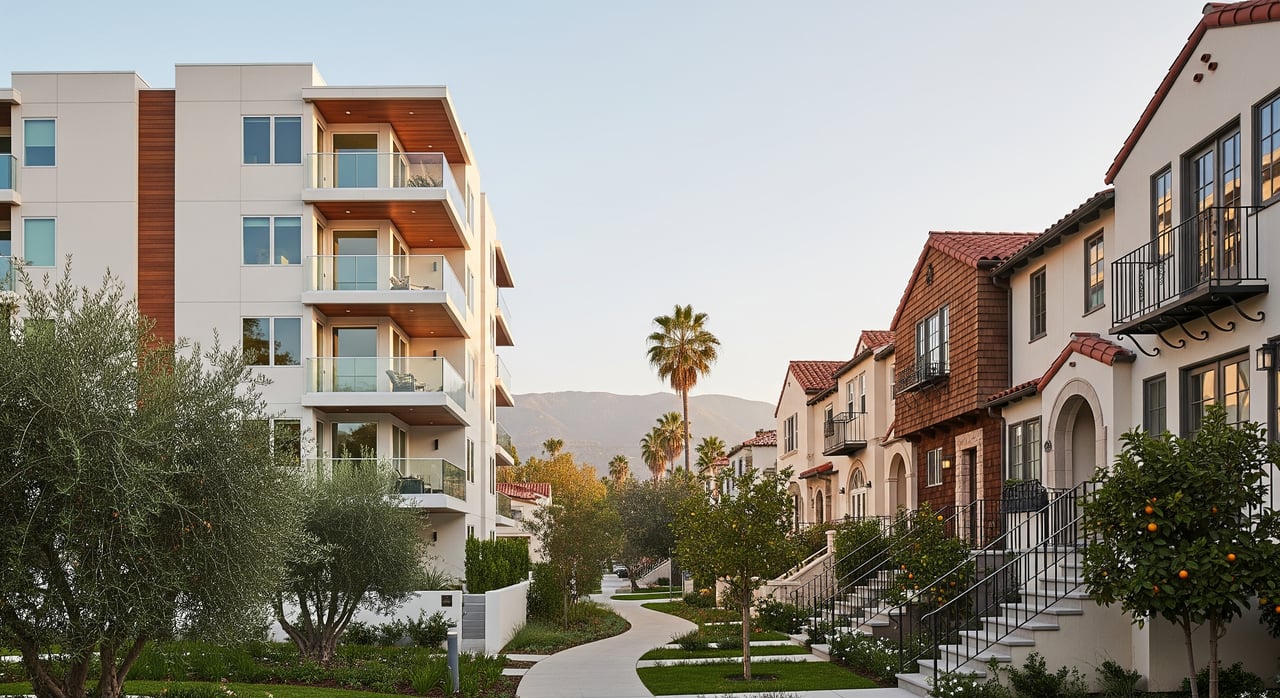
You will encounter Colonial Revival, Tudor Revival, Mediterranean hybrids, and infill contemporary homes. Many properties have additions that layer in contemporary elements. Hybrid houses are common, so focus on how the home lives today rather than chasing a perfect textbook example.
Style vs daily life: fit and function
Layout and circulation
- Craftsman: Clear room definitions with cozy living and dining. Kitchens may be compact and often benefit from a sensitive open-up.
- Spanish Revival: Asymmetrical rooms and alcoves with the potential to center life around a courtyard.
- Mid-century: Open flow that connects kitchen, dining, and living for easy entertaining.
Daylight and orientation
- Craftsman and Spanish Revival eaves reduce harsh summer sun but also limit top-down daylight. Orientation matters a lot.
- Mid-century glazing increases natural light and helps the home feel larger.
Storage and systems
- Older homes often have limited closets and smaller kitchens. Expect to evaluate electrical, plumbing, and insulation.
- Mid-century homes typically add closet space, attached garages, and more room for mechanicals.
Expansion options
- Small lots and historic overlays can limit outward growth. Attic conversions, rear additions, and garage expansions are common solutions. Setbacks, lot coverage, and design review will shape what is feasible.
Street-level clues before you step inside
Streetscape cues
- Uniform porches, similar setbacks, and mature street trees often mark a historic block built in the same era.
- Clay tile roofs, arched entries, and ironwork hint at Spanish or Mediterranean influence.
- Rows of low, horizontal homes with carports and large picture windows suggest mid-century.
Lot and yard cues
- Narrower lots with houses close to the street and deep porches often signal early 20th-century bungalows.
- Courtyards, walled front yards, and smaller front setbacks often pair with Spanish Revival homes.
Garage and driveway placement
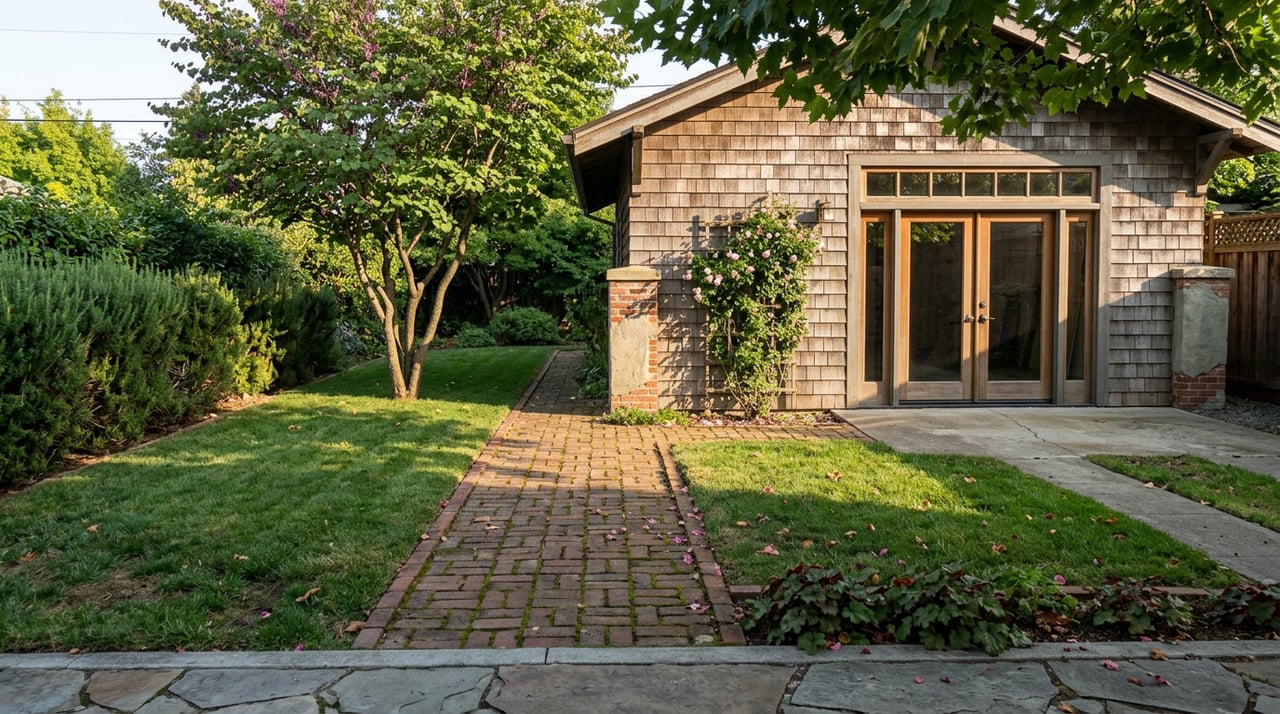
- Detached rear or alley garages are common in older lots.
- Front-facing attached garages are more common in post-war and later homes.
Signs of alteration
- Raised rooflines, infill homes, or replacement windows that diverge from the block can signal significant remodels. These may have fewer historic restrictions but also less original character.
What to look for at showings
Exterior check
- Roof: missing tiles or shingles, sagging, and flashing around chimneys.
- Eaves and porches: rot or insect damage at rafters and columns.
- Stucco: hairline cracks versus structural cracks and areas of patching.
- Foundation: visible cracks, settlement, and yard slope away from the house.
- Windows and doors: smooth operation and whether they are single or double pane.
- Drainage: gutters, downspouts, splash blocks, and signs of standing water.
Interior check
- Floors: noticeable sloping or bounce.
- Walls and ceilings: hairline vs significant cracks, patched areas, and water stains.
- Fireplace: condition of the firebox and chimney.
- Attic and crawl: insulation levels, ventilation, structural conditions, and pests.
- Mechanical systems: age and location of HVAC, water heater, and electrical panel.
Systems and safety
- Electrical: modern breakers vs older fuse boxes or knob-and-tube remnants.
- Plumbing: pipe materials, water pressure, and visible leaks.
- HVAC: ducted central air, wall or ceiling units, or none.
- Seismic: look for sill bolts, braced cripple walls, or foundation retrofit notes.
Smart questions to ask
- When were the roof, HVAC, water heater, electrical panel, and sewer lateral last replaced or serviced?
- Is the home in a historic district or subject to preservation guidelines and design review?
- Has there been termite or dry rot treatment, and are there warranties?
- Were remodels and additions permitted, with final approvals?
- Are there existing reports, such as home inspection, termite, roof, sewer scope, or structural evaluations?
Renovation appetite and budgeting
If you want to preserve original character, plan for higher costs when restoring windows, plaster, built-ins, and period tile. Replacement can be cheaper, but preservation maintains the look and value in historic contexts. A practical starting sequence for older homes is seismic strengthening, electrical upgrades, plumbing replacement, insulation and window improvements, then kitchen and bath updates.
Projects in historic areas may require design review, which can extend timelines and add design fees. Build in contingencies for unknowns, especially with older houses. Cosmetic refreshes are usually less costly, while foundation, seismic, and systems work can add up quickly. Early conversations with a local contractor experienced in older California homes, a structural engineer for seismic or foundation questions, and a preservation planner if needed will set realistic expectations.
Decision guide: match style to you
- Choose Craftsman if you value warm character, built-ins, and a cozy room-by-room feel and you are open to thoughtful kitchen and systems upgrades.
- Choose Spanish Revival if you love stucco, tile, and courtyard living and you are comfortable with thicker walls, intimate interiors, and careful stucco and roof care.
- Choose mid-century if you want bright, open interiors, strong indoor-outdoor flow, and renovations that focus more on systems and energy performance than structural reconfiguration.
- If budget is tight, prioritize inspections that reveal major roof, foundation, or systems issues so you avoid surprises.
Ready to tour smarter in South Pasadena?
You deserve guidance that blends neighborhood knowledge with hands-on home expertise. With a background in construction and decades helping buyers navigate period and mid-century homes, I can help you spot the right style, assess condition quickly, and plan smart upgrades. When you are ready to walk blocks, compare floor plans, and buy with confidence, connect with Joe Kaplan.
FAQs
What are the most common home styles in South Pasadena?
- You will most often see Craftsman bungalows, Spanish or Mission Revival homes, and mid-century or post-war houses, with occasional Colonial Revival, Tudor, and contemporary infill.
How do historic rules affect remodeling in South Pasadena?
- Homes in historic districts or with landmark status may require design review and specific permits for exterior changes, so confirm requirements with the city before planning major work.
What maintenance issues are typical for Craftsman and Spanish homes?
- Craftsman homes need attention to wood eaves, siding, and older systems, while Spanish homes often require clay-tile roof underlayment care, stucco crack monitoring, and moisture control at penetrations.
How does a mid-century home handle daylight and heat?
- Mid-century houses often have large windows and indoor-outdoor flow for abundant light, and you can manage heat with shading, window upgrades, insulation, and HVAC improvements.
What should I inspect first when viewing an older home?
- Start with roof and drainage, foundation lines, eaves and stucco, window operation, and the age of electrical, plumbing, HVAC, and water heater systems.
Are additions possible on small South Pasadena lots?
- Additions are often possible at the rear or over garages, but lot coverage, setbacks, and any historic design review will determine feasibility, so verify before you budget.