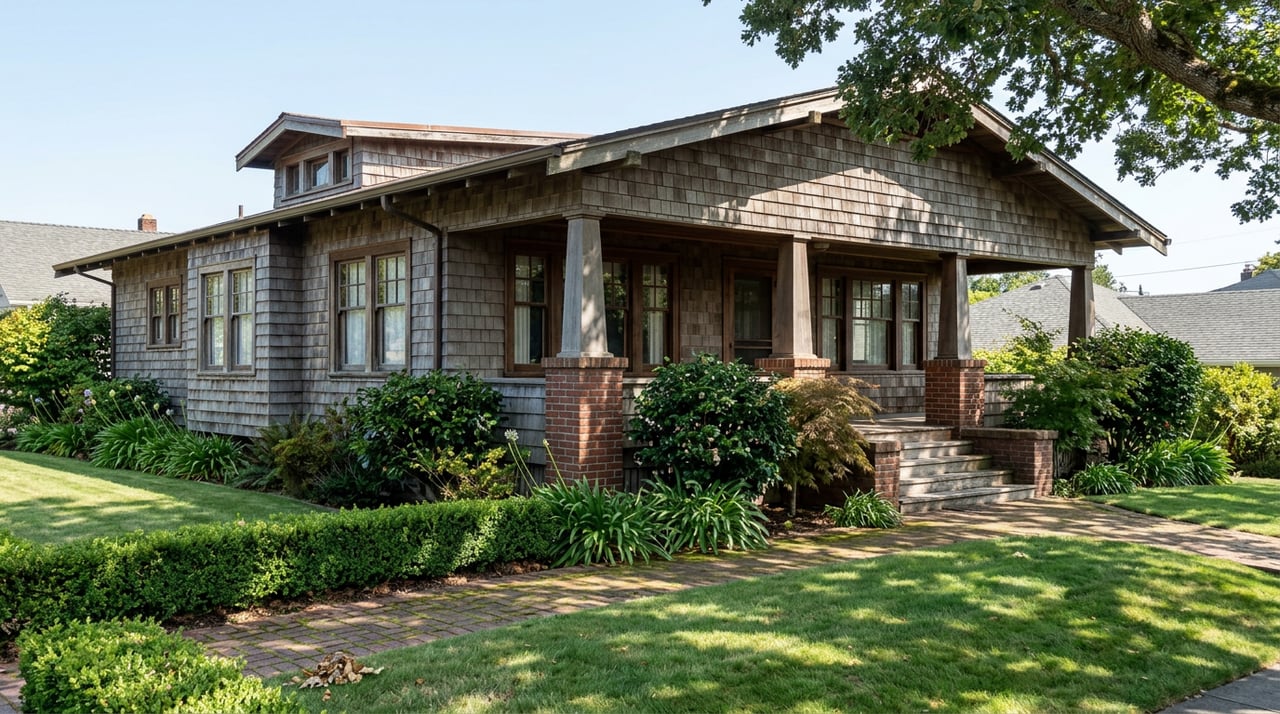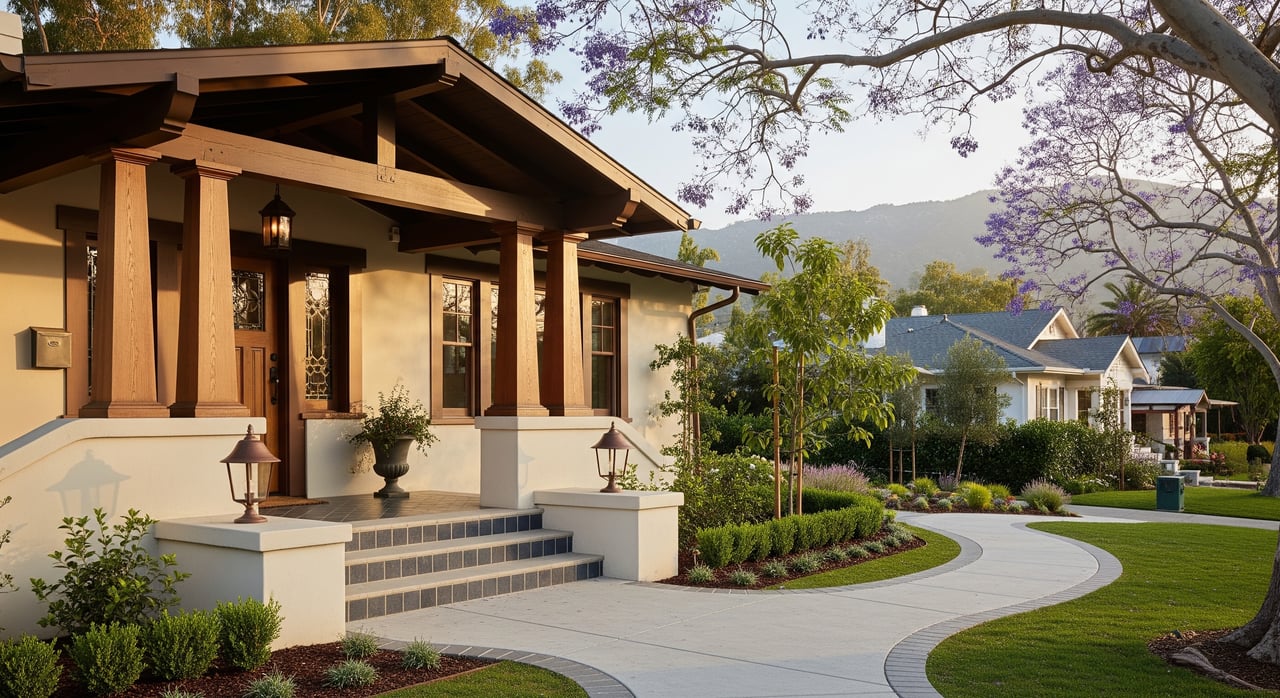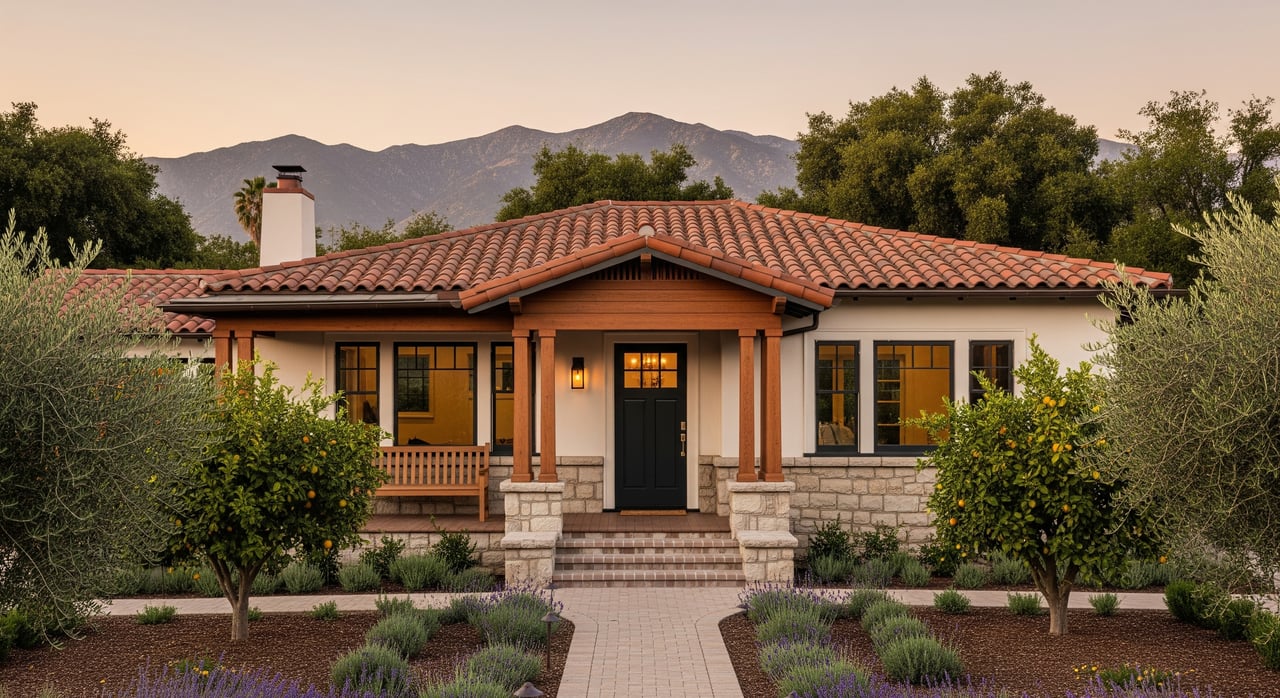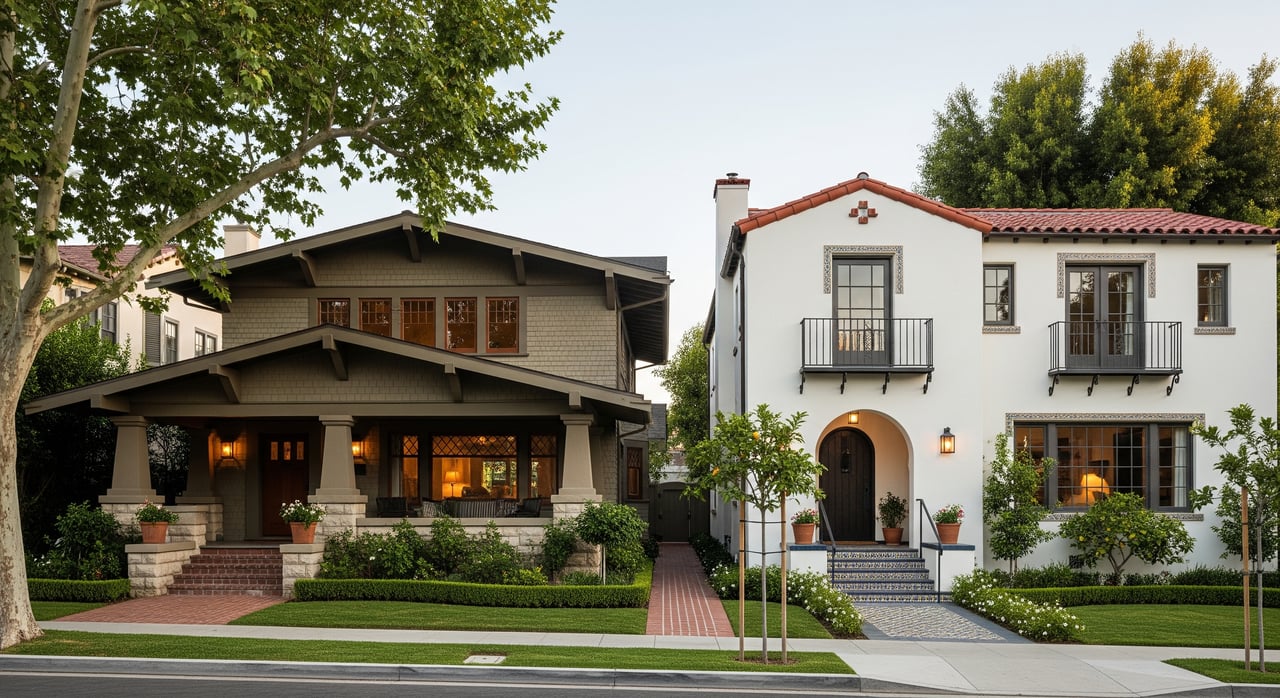
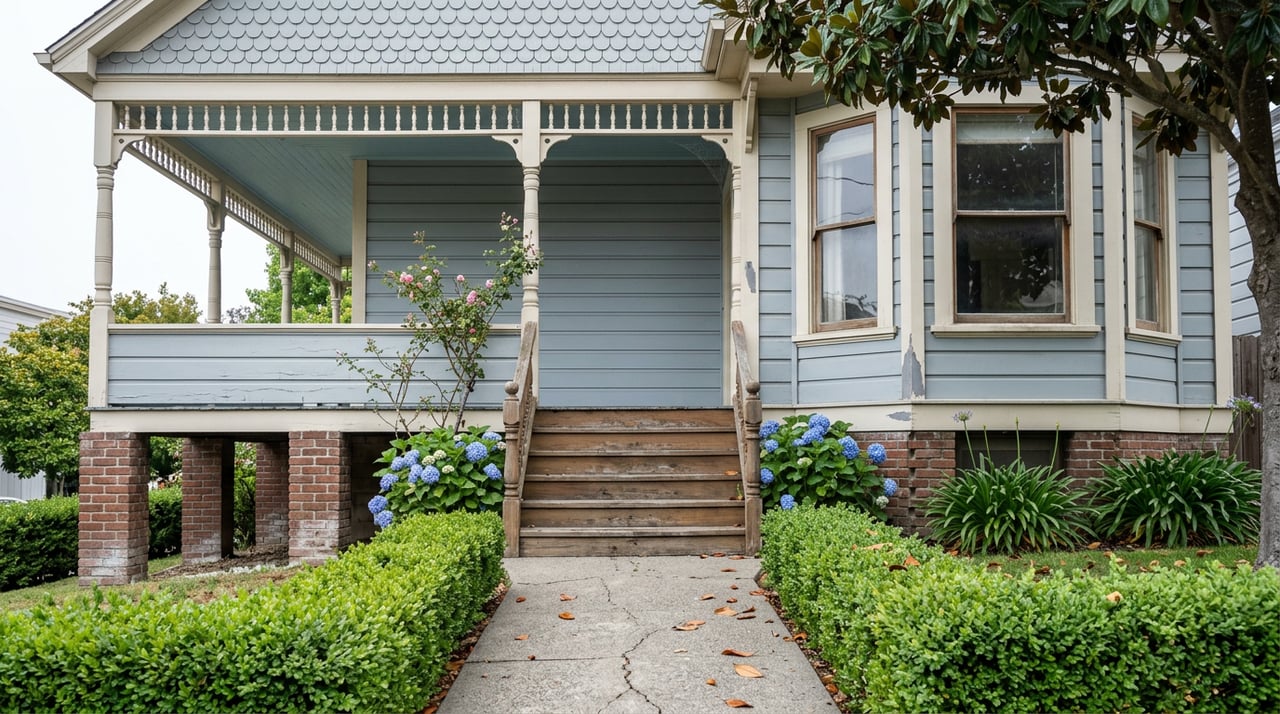
In 1986, a property owner in Angelino Heights began renovating a tired old house, removing the original windows for smaller aluminum replacements and planning to stucco over the exterior. The city identified the address as inside Los Angeles's first Historic Preservation Overlay Zone during the renovation and stopped the project.
That story is four decades old, and it illustrates why buyers in Angelino Heights should understand HPOZ review before planning exterior work.
Most of what gets written about buying in this pocket of Echo Park treats HPOZ status as a single fact to note and move past, something like a flood zone or a school boundary. That undersells what's actually happening. The Angelino Heights HPOZ, adopted in September 1983, doesn't just restrict what you can do to a house. In a meaningful number of cases, it also means the house comes with a private contract between the seller and the City of Los Angeles, one that doesn't expire at closing. It transfers to you. Tax savings and maintenance obligations both.
Most work here never reaches a board
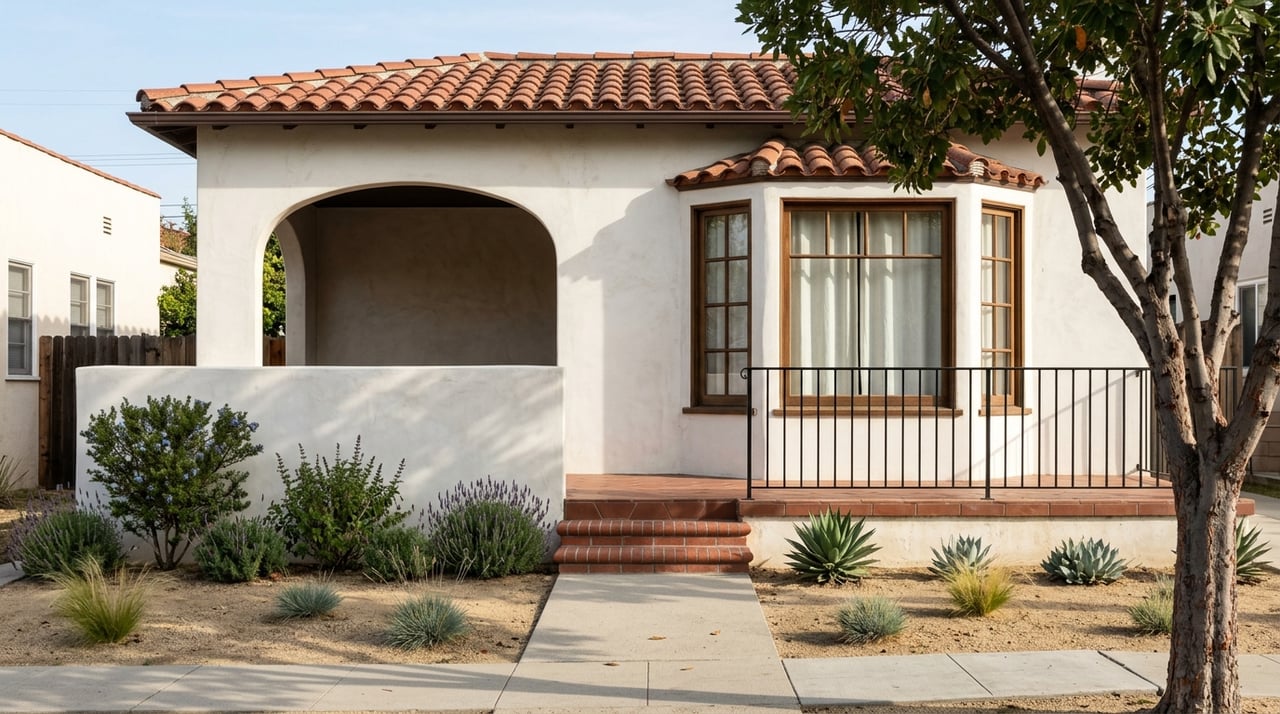
Start with the part buyers overestimate. There are 35 HPOZs across Los Angeles as of 2023, and Angelino Heights, home to the National Register-listed 1300 block of Carroll Avenue and its concentration of Queen Anne and Eastlake Victorians, was the first. That pedigree makes people assume the whole neighborhood is frozen: every trim detail regulated, every project a hearing.
In practice, as Hillstar Construction describes, most routine work clears at the staff level, not the board. A window replaced with one that matches the original profile, a porch repaired with the same materials, paint in an HPOZ-approved color: these typically move through what the city calls Conforming Work review, handled by planning staff without a public hearing. Board review, where you present to a five-member panel and answer questions, gets reserved for the bigger moves: a second story addition, demolition of a contributing structure, a change in roof material, anything that requires interpreting the Preservation Plan rather than simply matching it.
The output either way is a Certificate of Appropriateness. That certificate is the gate: the Department of Building and Safety will not issue a building permit for HPOZ-affected exterior work without one in hand. Interior remodels generally sit outside this process entirely, which is the detail most first-time HPOZ buyers don't realize until they're already asking questions about a kitchen they assumed would need sign-off.
Mills Act contracts and what buyers should confirm
Here's the part that actually determines how a deal goes. Some homes in Angelino Heights carry a Mills Act contract, a state program under California Government Code sections 50280 through 50290 that lets a historic property owner trade a maintenance and preservation commitment for a meaningfully lower property tax bill. The county assessor calculates the reduced value using an income-capitalization formula instead of the standard Prop 13 factored value, and typical savings run 20 to 70 percent, with 30 to 60 percent most common.
Run the math on a hypothetical: a buyer purchases a designated historic bungalow for $950,000. Under a standard Prop 13 calculation at roughly 1.25 percent, the annual tax bill lands around $11,875. Under an active Mills Act contract, the same property might carry a restricted assessed value near $350,000, producing a bill closer to $4,375. That's about $7,500 a year, or roughly $75,000 over a decade, provided the owner keeps up their end of the deal.
That last clause is where it gets interesting for a buyer. The contract runs with the property, not the person who signed it. Buy a home under an existing Mills Act agreement and you inherit both the lower tax bill and the maintenance obligation for whatever years remain on the term, typically renewing automatically. If a prior owner violated the terms, say by swapping original windows for vinyl before you ever toured the house, the city can cancel the contract. You didn't do the work. You still own the consequence.
| Standard Prop 13 | Mills Act contract | |
|---|---|---|
| Purchase price | $950,000 | $950,000 |
| Assessed value basis | Market value | Income-capitalization estimate |
| Illustrative assessed value | $950,000 | ~$350,000 |
| Approximate annual tax | ~$11,875 | ~$4,375 |
| Approximate annual savings | — | ~$7,500 |
Reviewing historic status in the seller's disclosure
California's Transfer Disclosure Statement, required under Civil Code section 1102 for the sale of one to four unit residential property, includes a specific question about whether a property is historically designated or sits within an existing or proposed historic district. A seller has to answer it honestly. Failing to disclose a Mills Act contract or HPOZ status can expose the seller to a rescission claim from the buyer, and in cases of intentional concealment, a fraud claim under Civil Code section 1710. Buyers should review the disclosure alongside title and permit records to understand any obligations associated with the property.
For a buyer, completing that review before signing leaves time to clarify any obligations the records reveal.
What this means walking Carroll Avenue this month
Echo Park's broader housing market gives buyers a little more room to ask these questions than it did a year ago. Over the three months ending May 2026, homes across the neighborhood sold at a median of $1.3 million, up modestly from the same period last year, but taking a median of 46 days to sell compared with 38 days the year before. Those eight extra days aren't a dramatic shift, but it's enough breathing room to have your title company run a specific Mills Act search rather than rushing a contingency-free offer on a Carroll Avenue Victorian or a Kensington Road bungalow.
Before writing an offer on anything inside the HPOZ boundary, three things are worth confirming up front: whether the property carries an active Mills Act contract and what year it was signed, whether any renovation you're planning falls into staff-level or board-level review, and whether the seller's disclosures actually reflect what a full title and permit history search would show. None of that requires a specialist you have to hunt down separately. It's the same kind of walk-through a contractor does before pricing a job, just applied to a house you're about to buy instead of one you're about to remodel.
The history and protections are part of the picture, along with paperwork that may apply to certain houses on certain blocks. Knowing which house you're looking at before you hold the contract can help you understand what comes with the property.
A couple of questions worth asking directly
Does a Mills Act contract automatically transfer to a new owner? Yes. The agreement is tied to the property, not the person who signed it, so buying a home under an active contract means taking on both the reduced tax assessment and the remaining maintenance obligations.
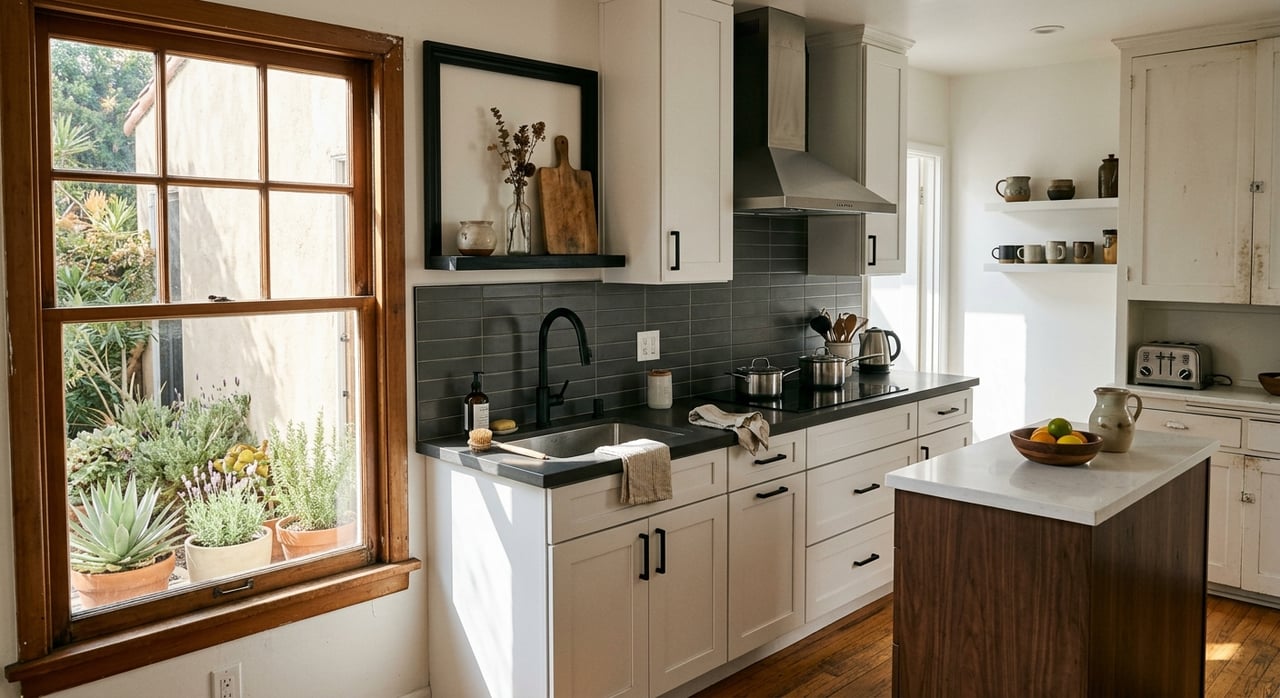
If I only want to renovate a kitchen, do I need HPOZ approval? Generally no. HPOZ review governs exterior, street-visible changes. Interior remodels typically fall outside its jurisdiction entirely.
If you're looking at a place on Carroll Avenue, Kensington Road, or anywhere else inside the Angelino Heights boundary and want a straight read on what you'd actually be taking on, Joe Kaplan has spent years pairing hands-on construction knowledge with Pasadena and Echo Park area transactions. Let's Connect before you write the offer, not after.
This article is general information, not legal, tax or financial advice. Consult a qualified professional about your situation.