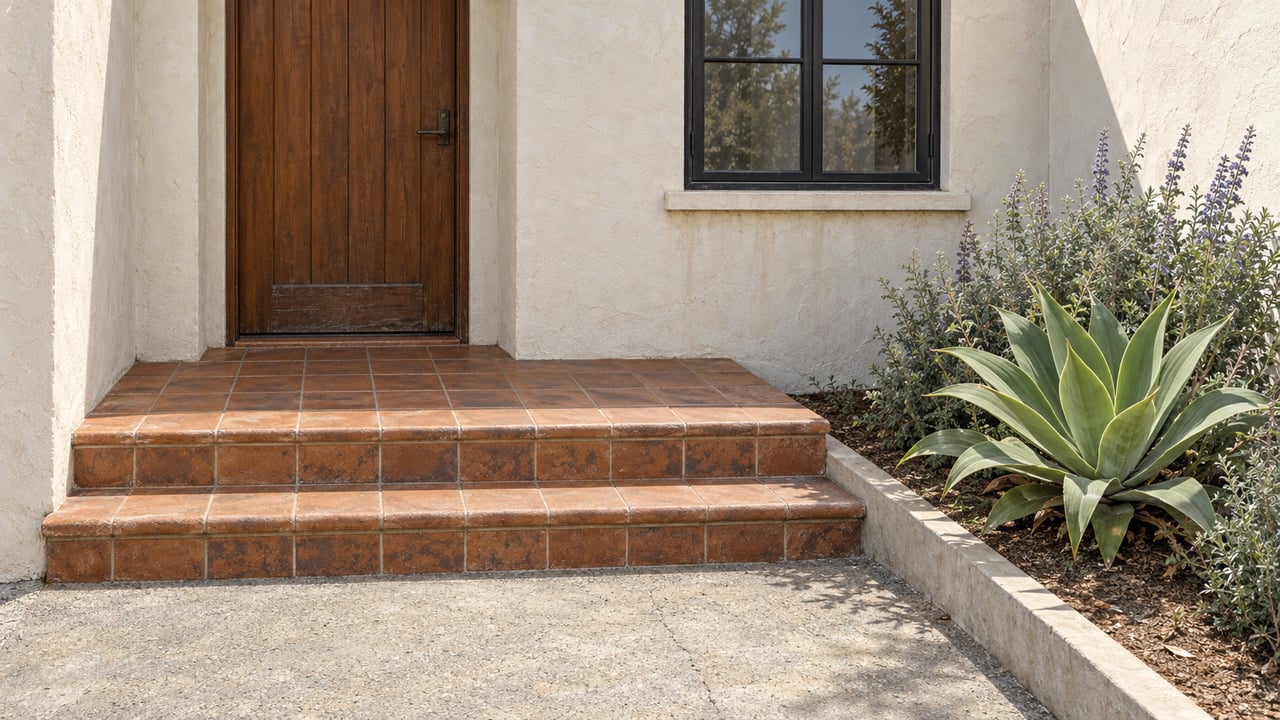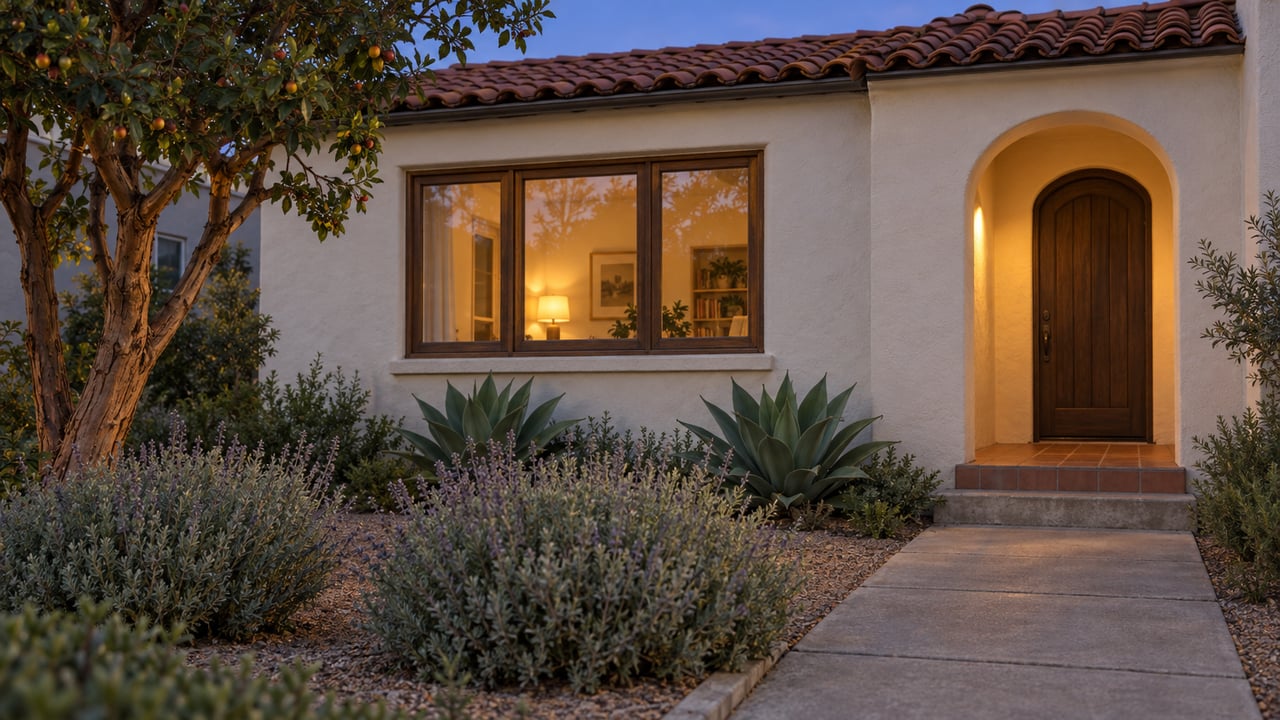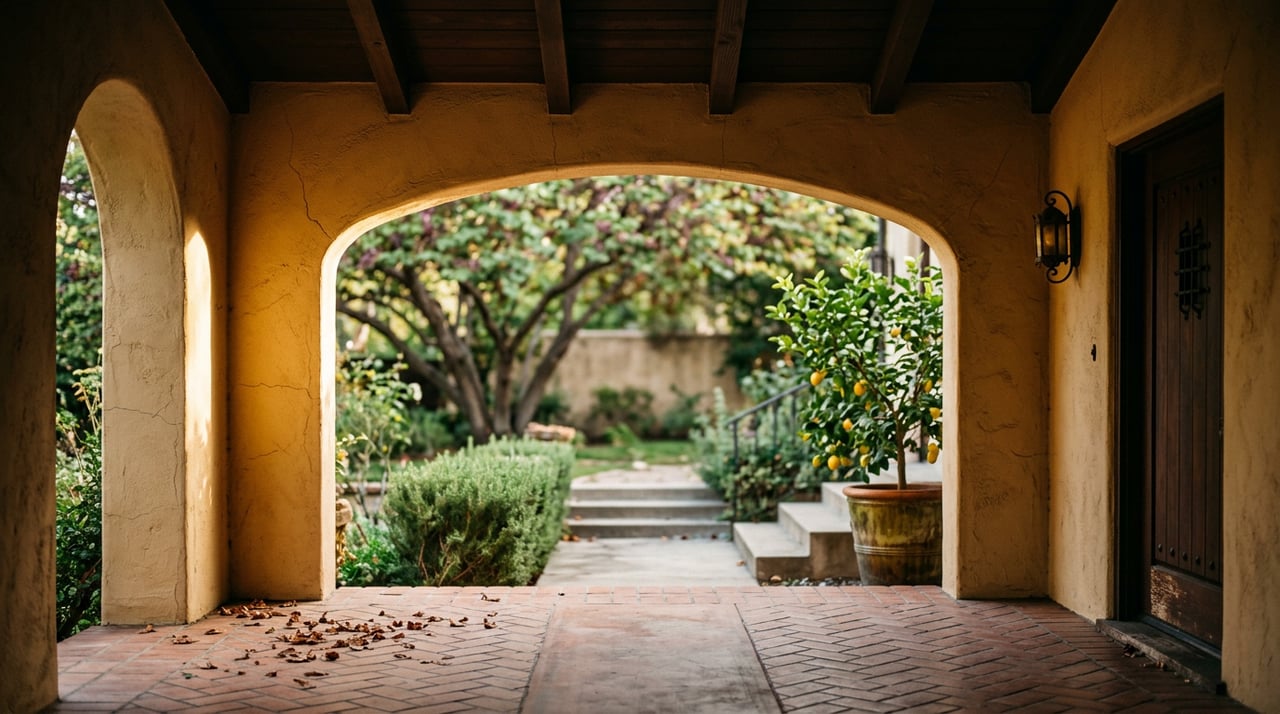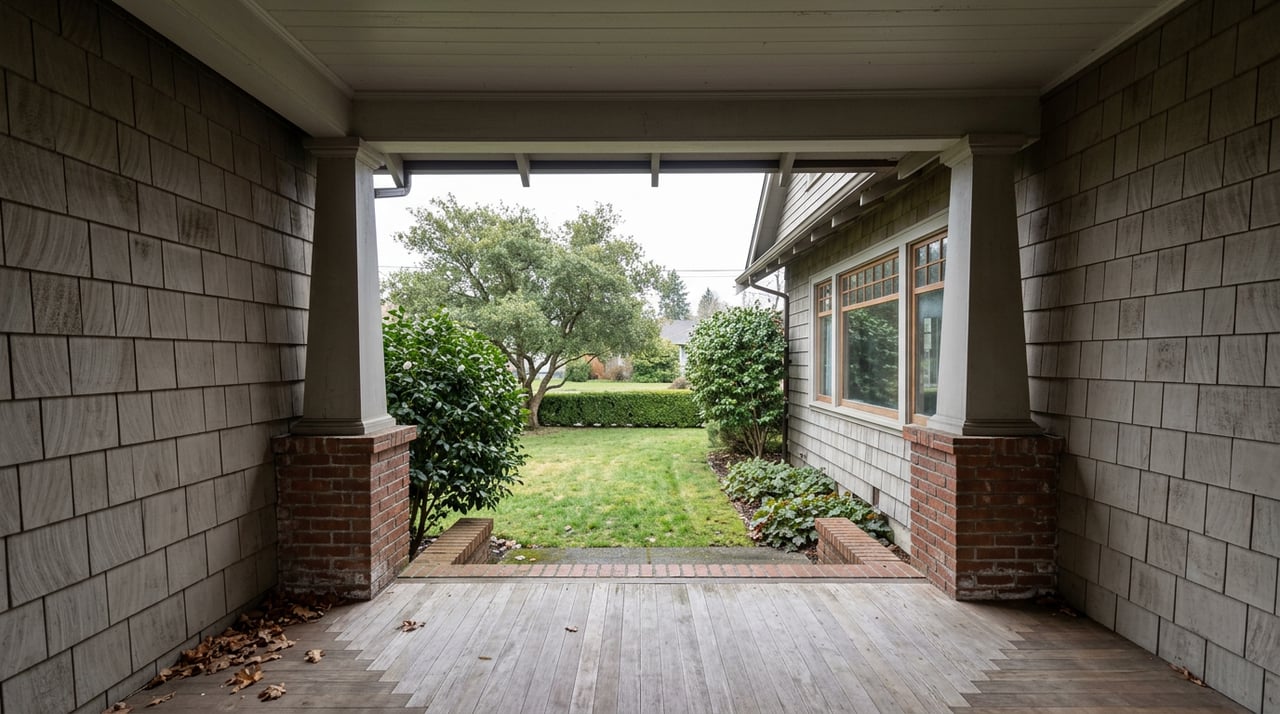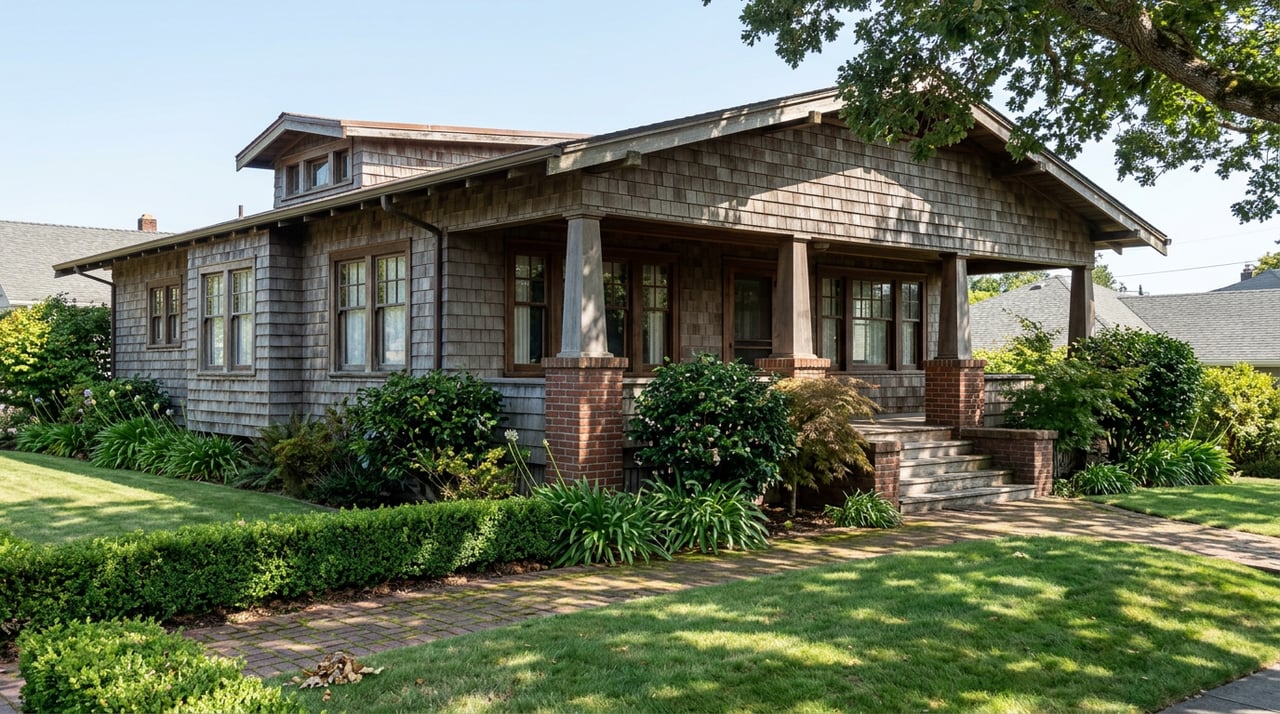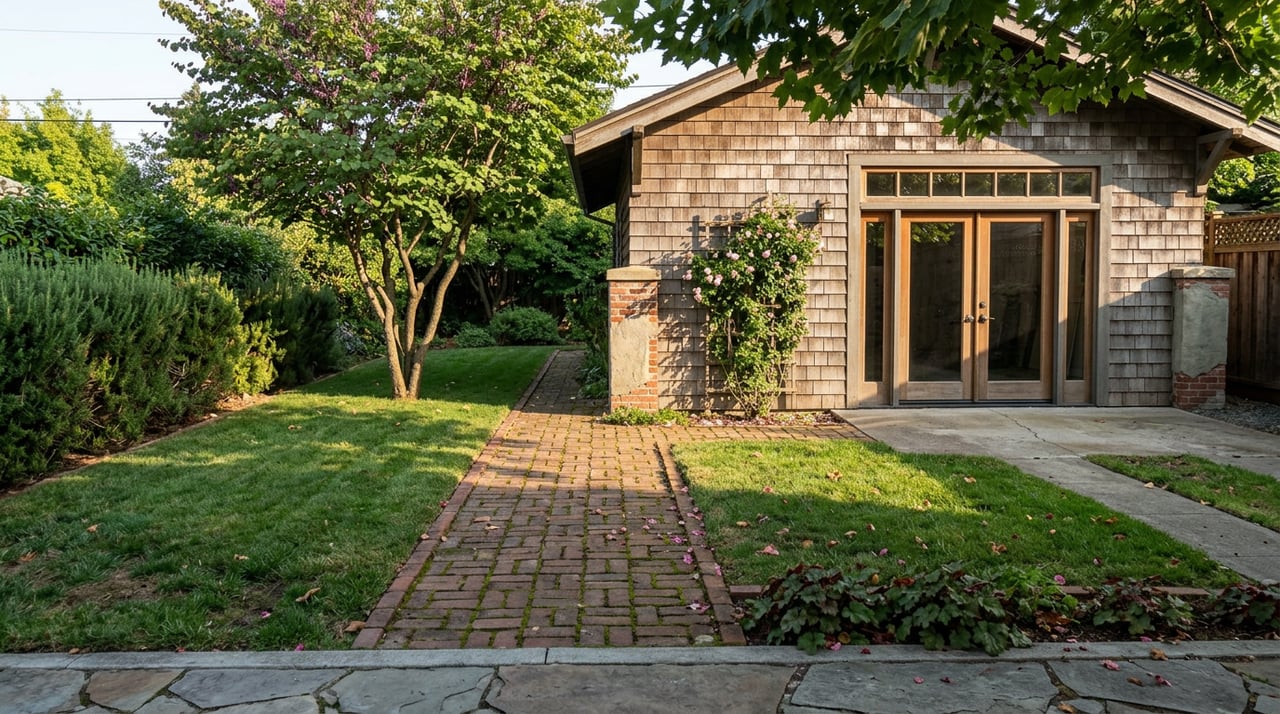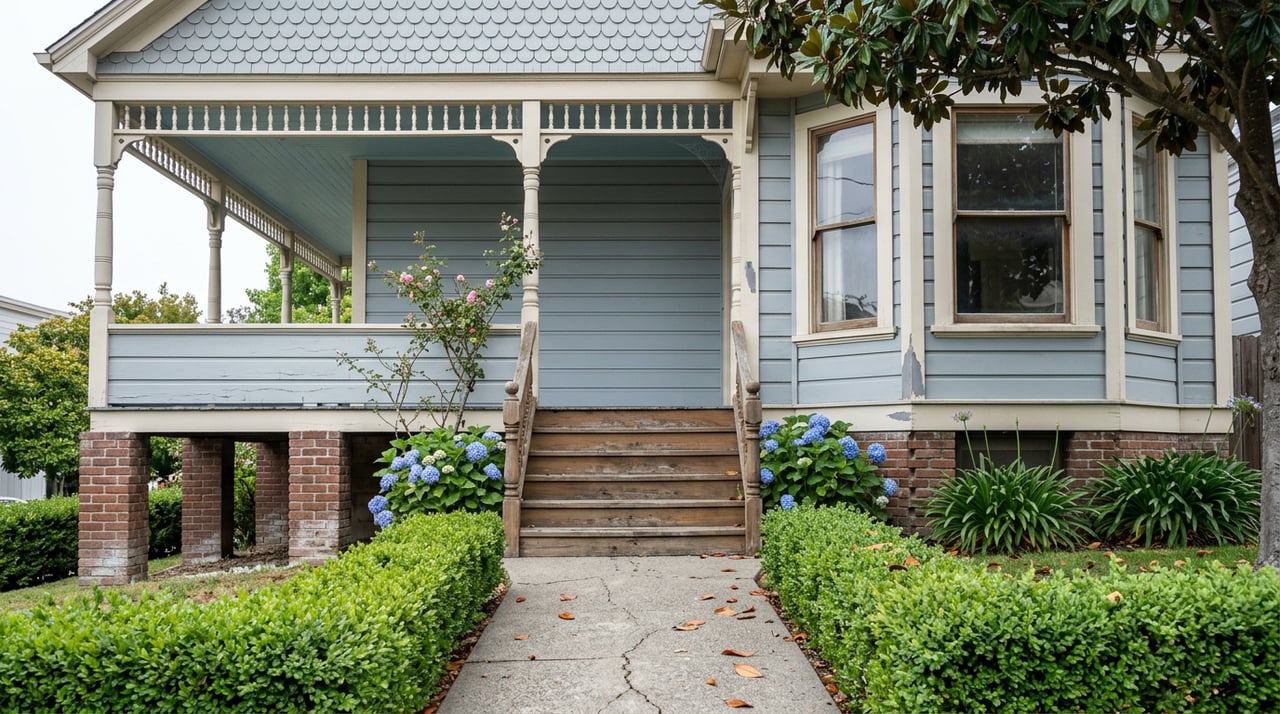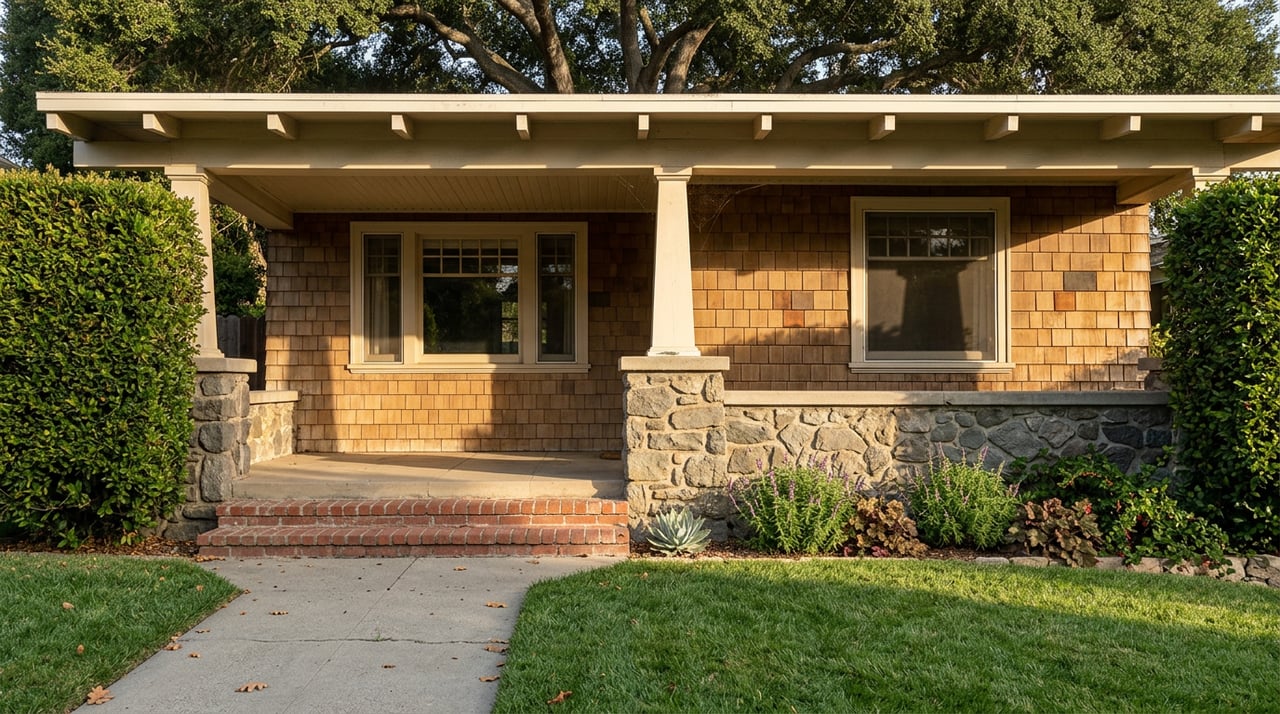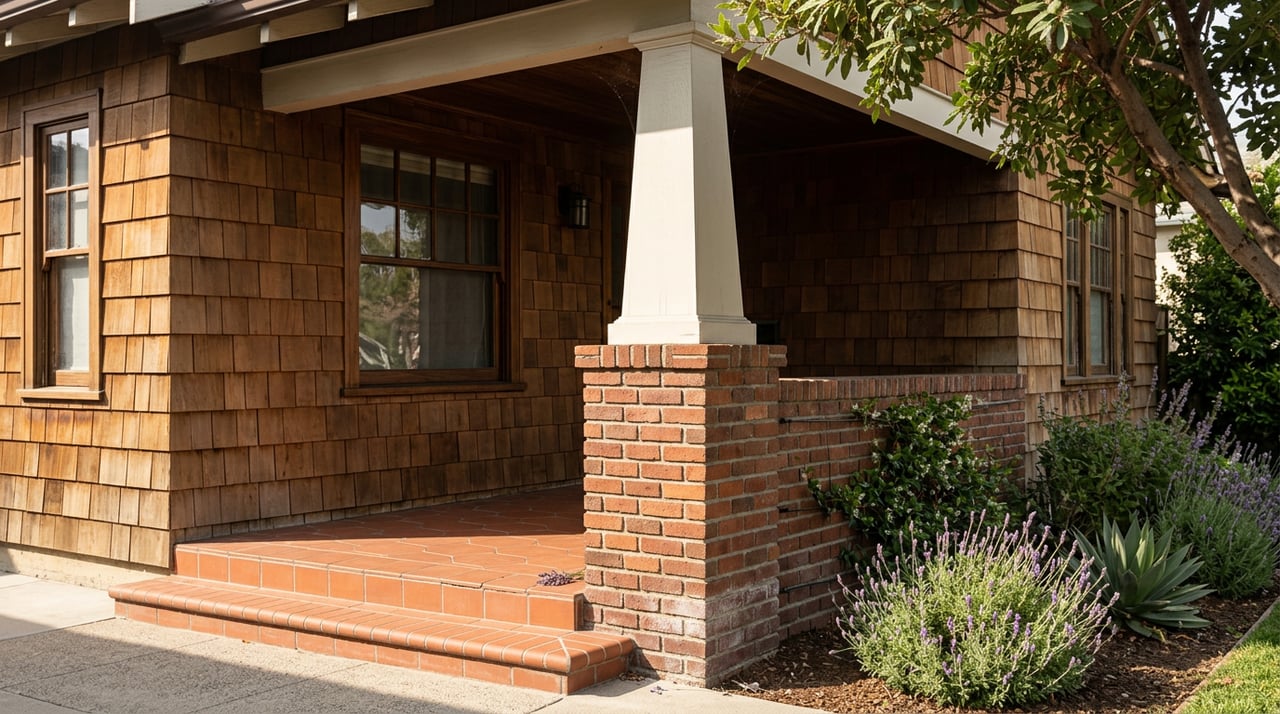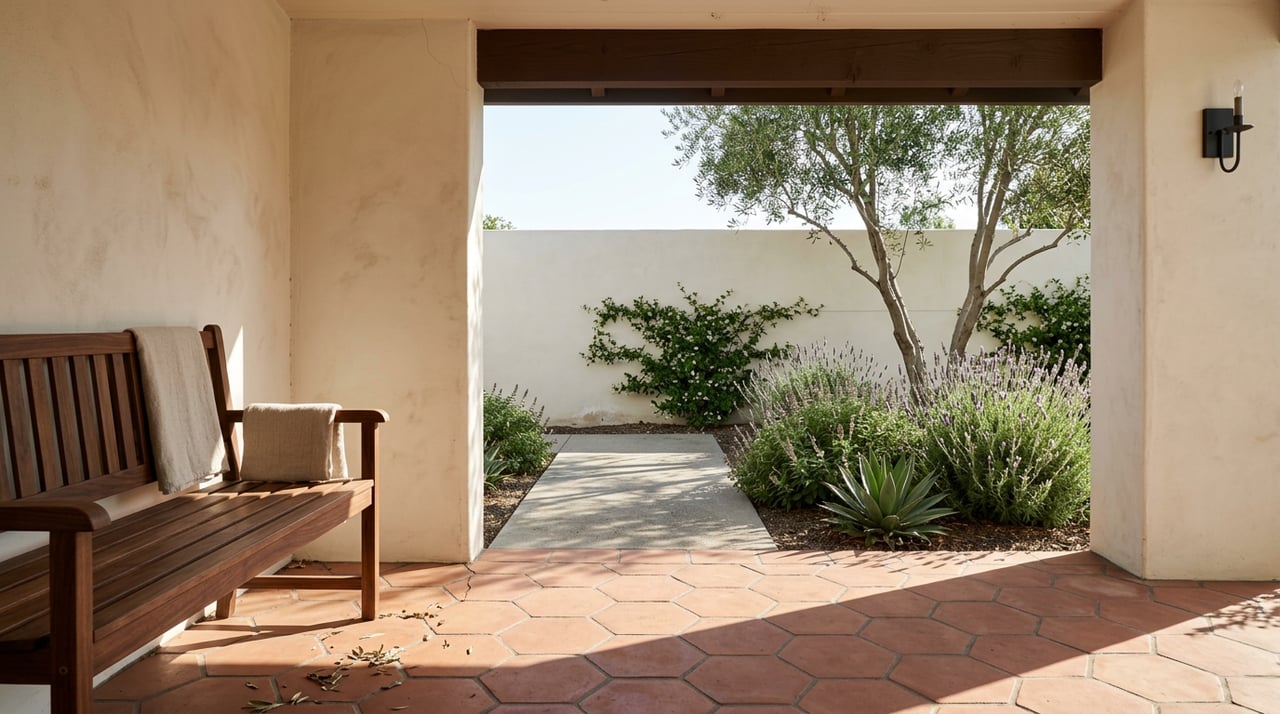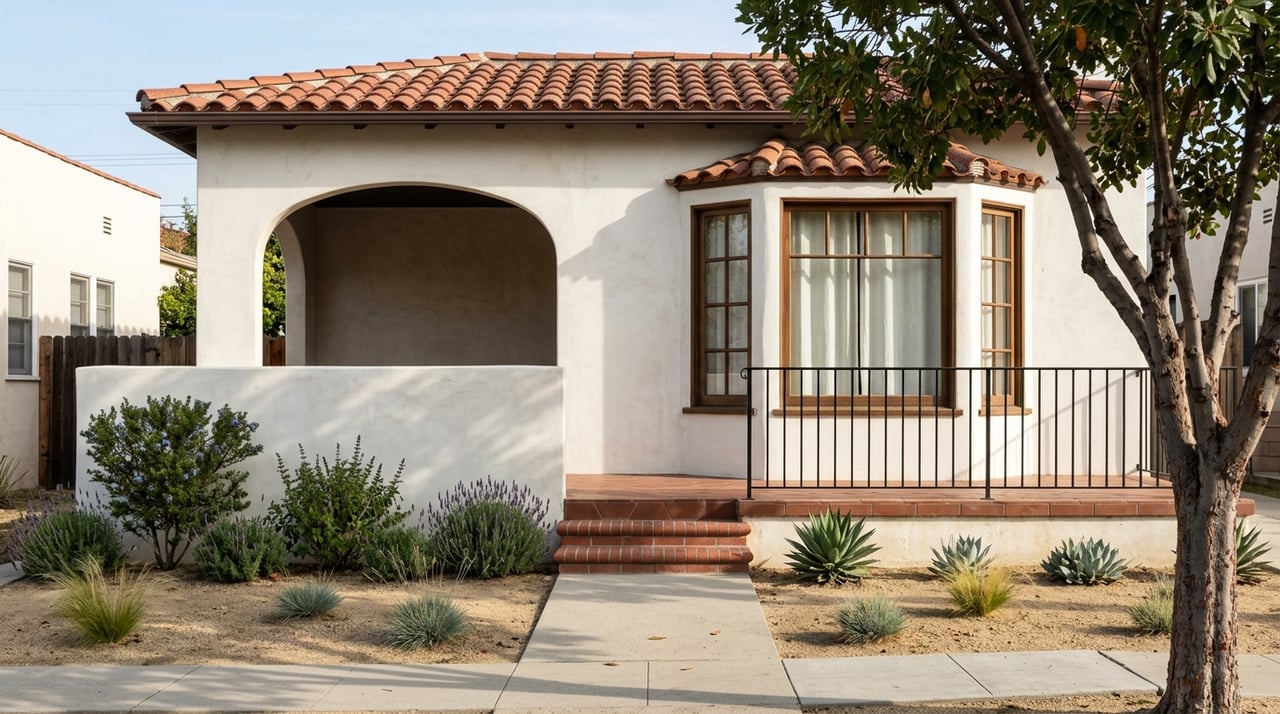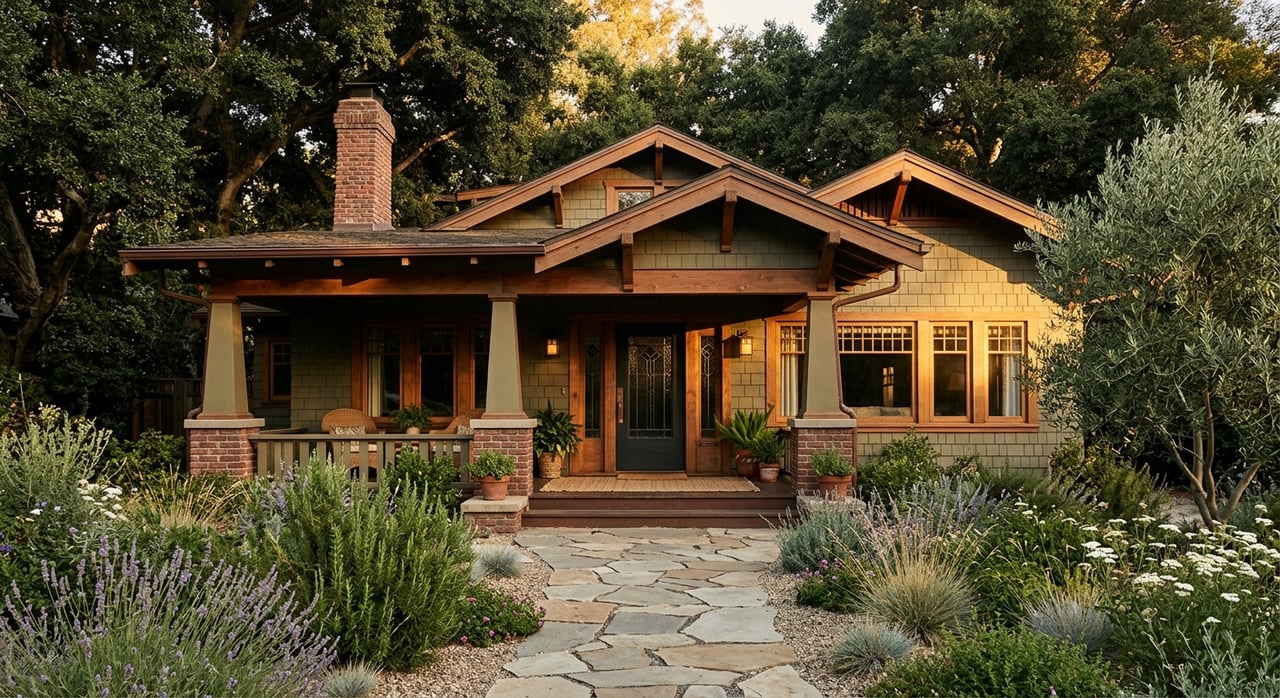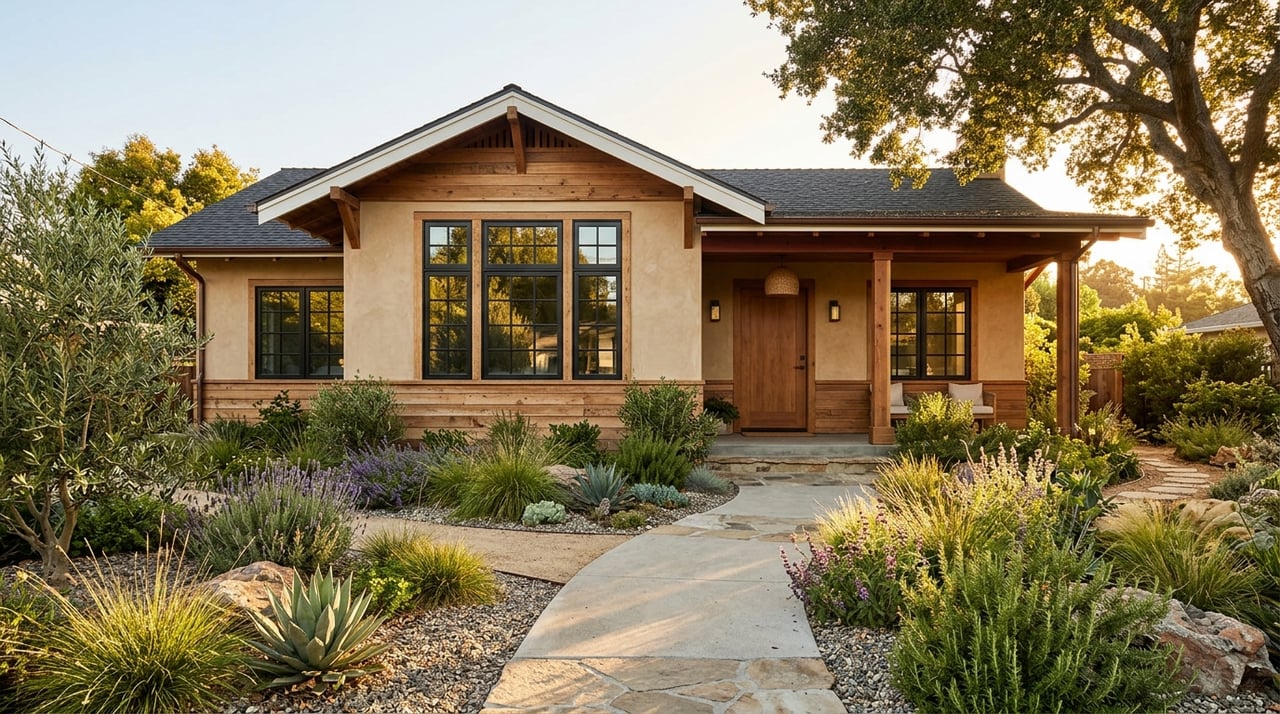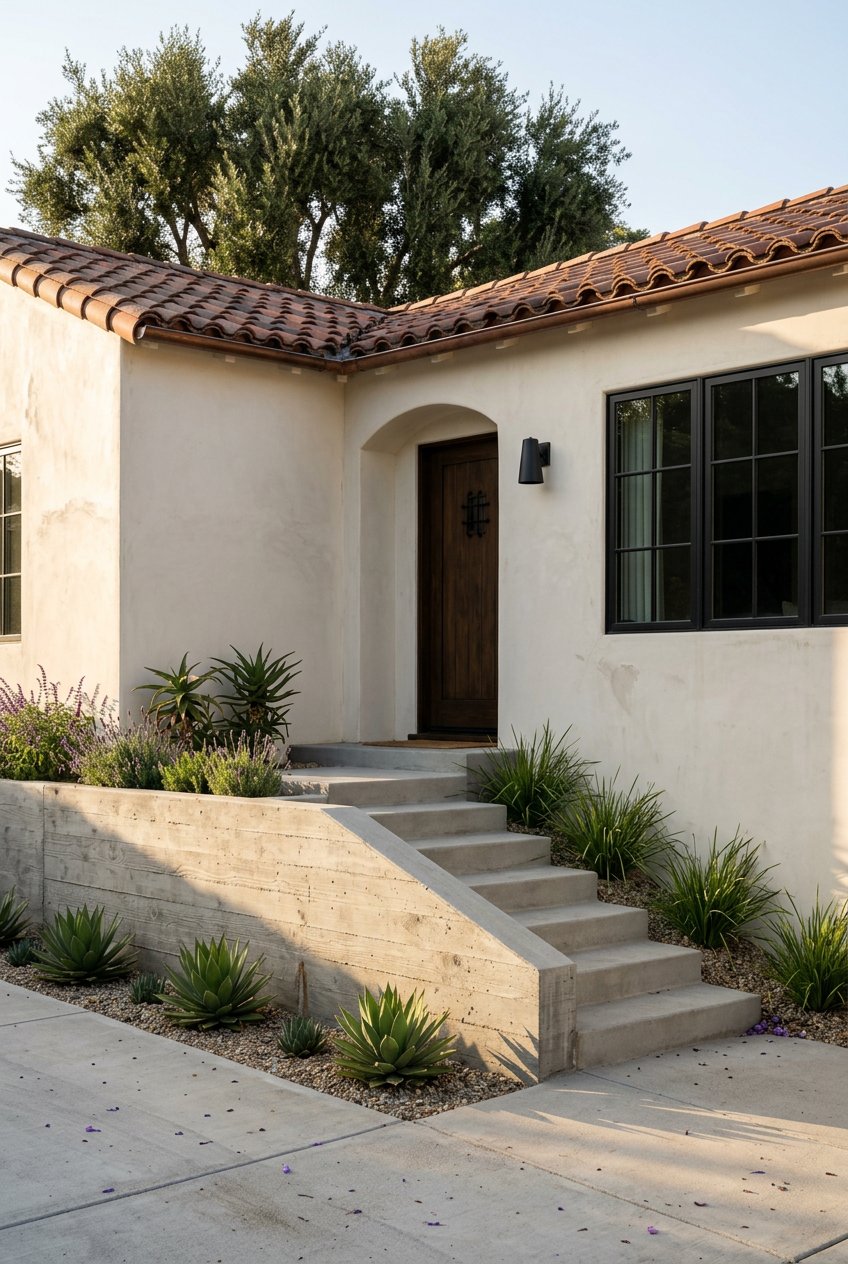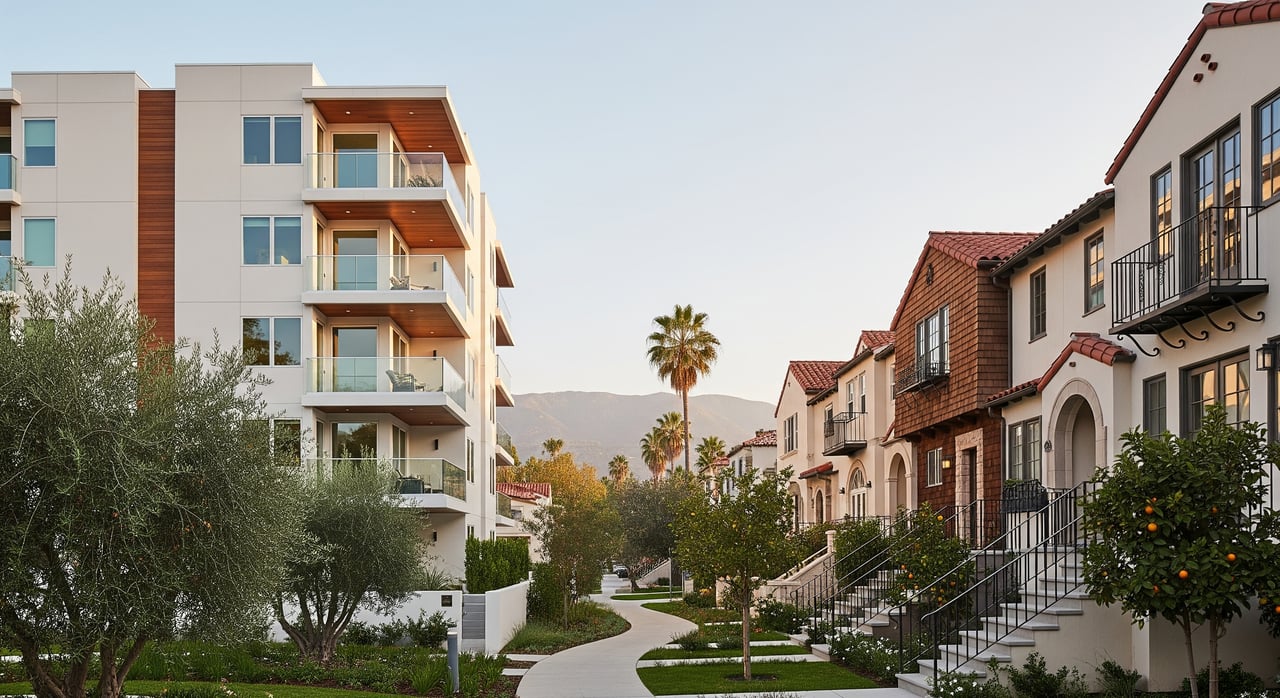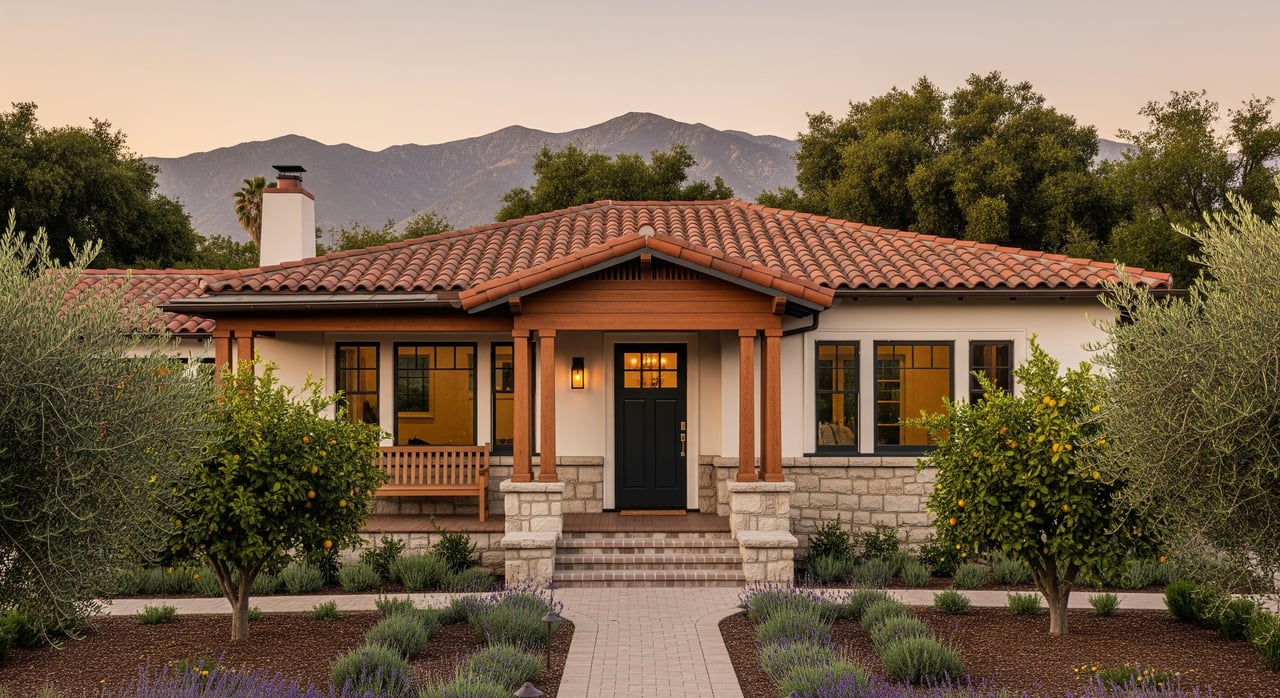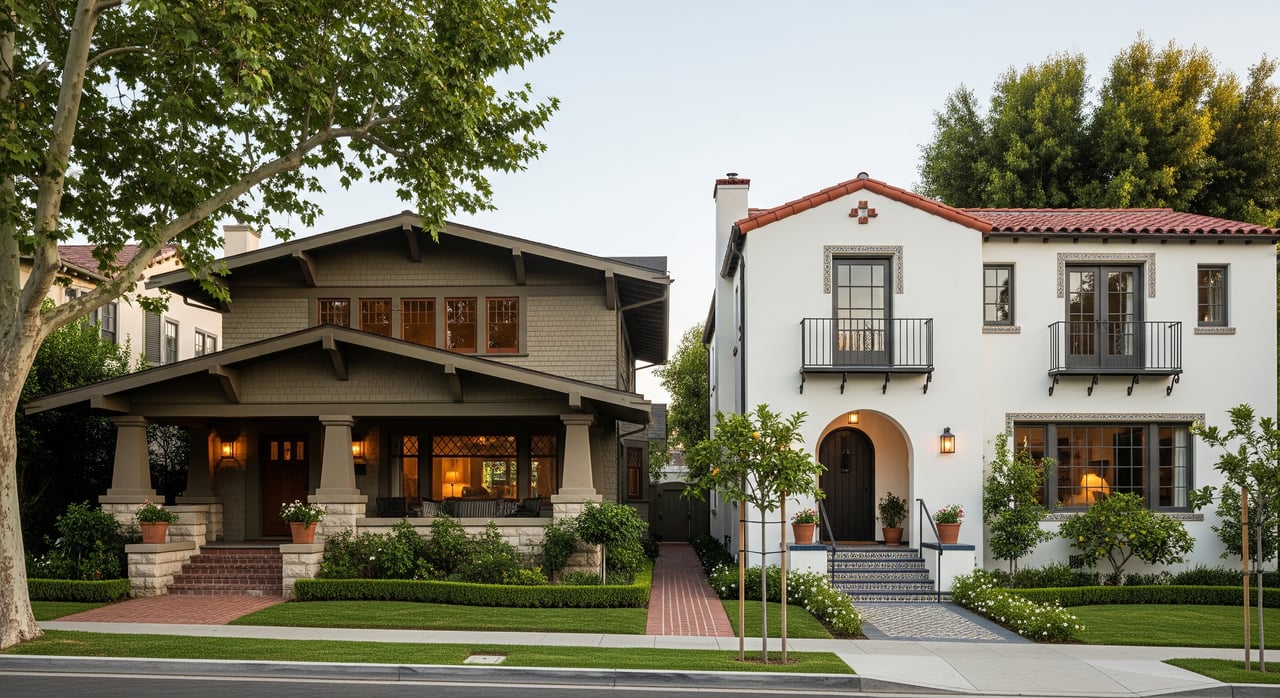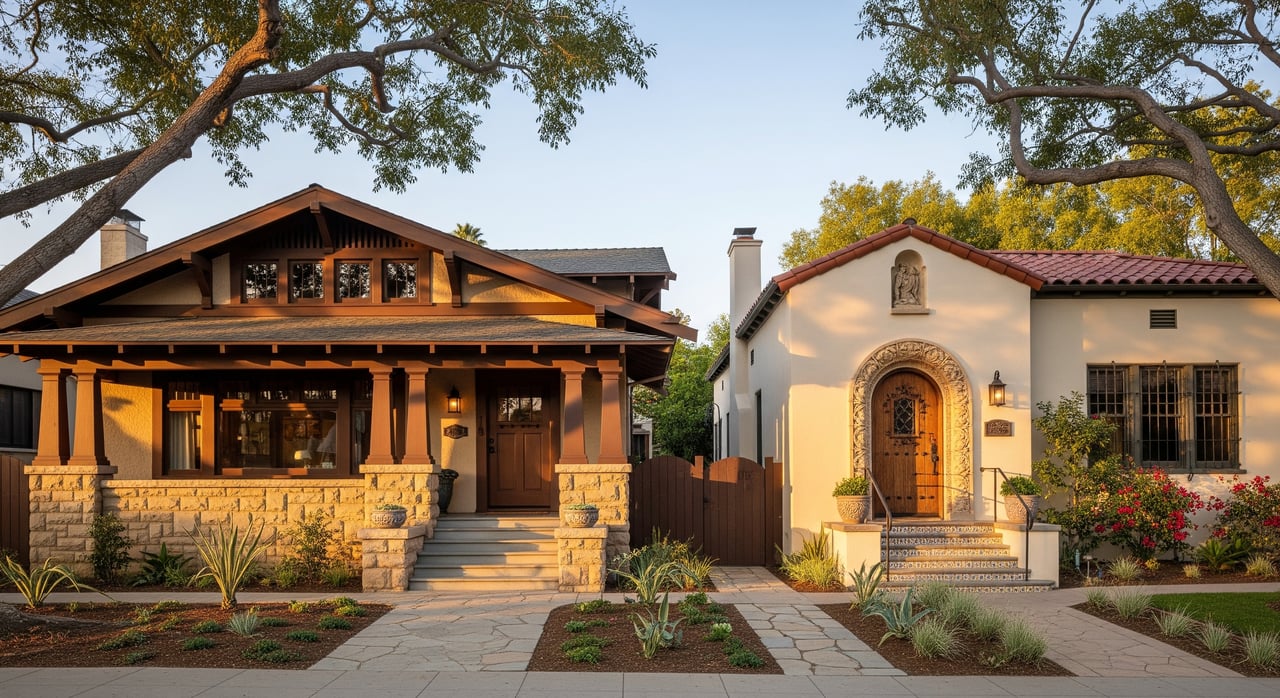
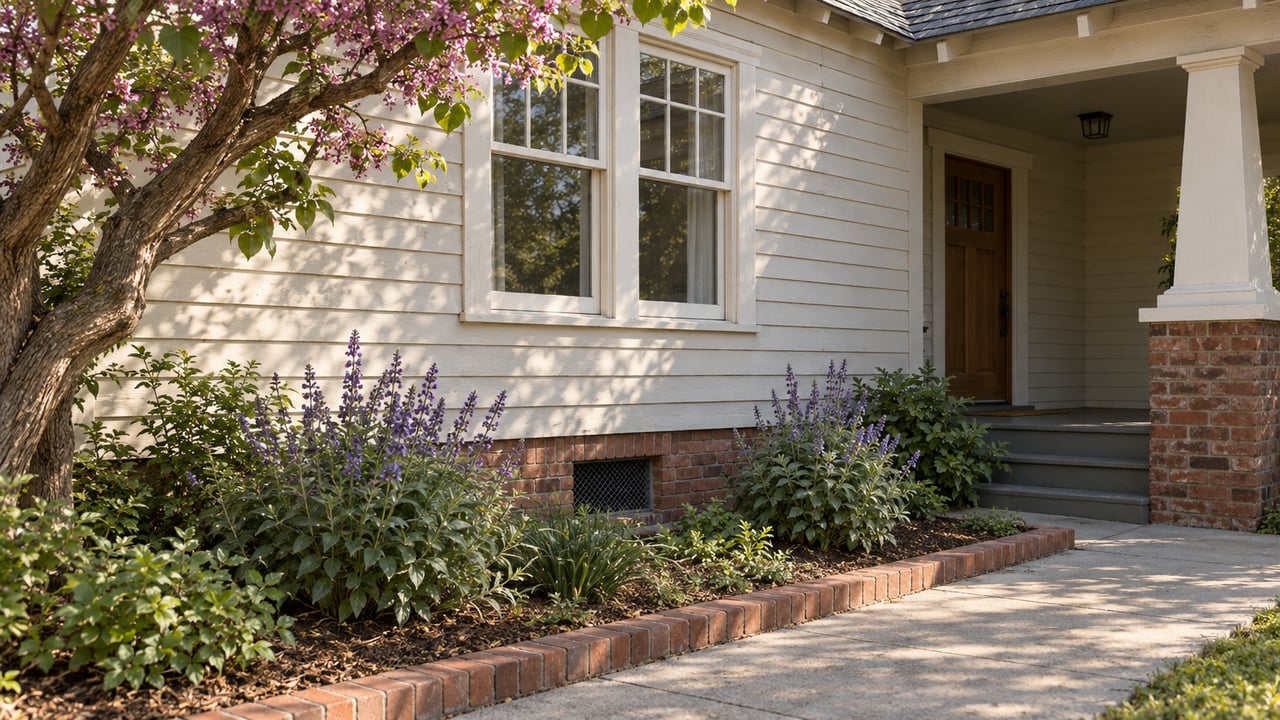
Six blocks by six blocks, with McDonald Park sitting in the middle like a village green, Bungalow Heaven has spent nearly four decades training buyers to expect one kind of friction. The Landmark District was created in 1989, the first of its kind in Pasadena, and in 2008 most of it joined the National Register of Historic Places. The Historic Preservation Overlay Zone, its review board, and the Certificate of Appropriateness are part of the planning picture for buyers here.
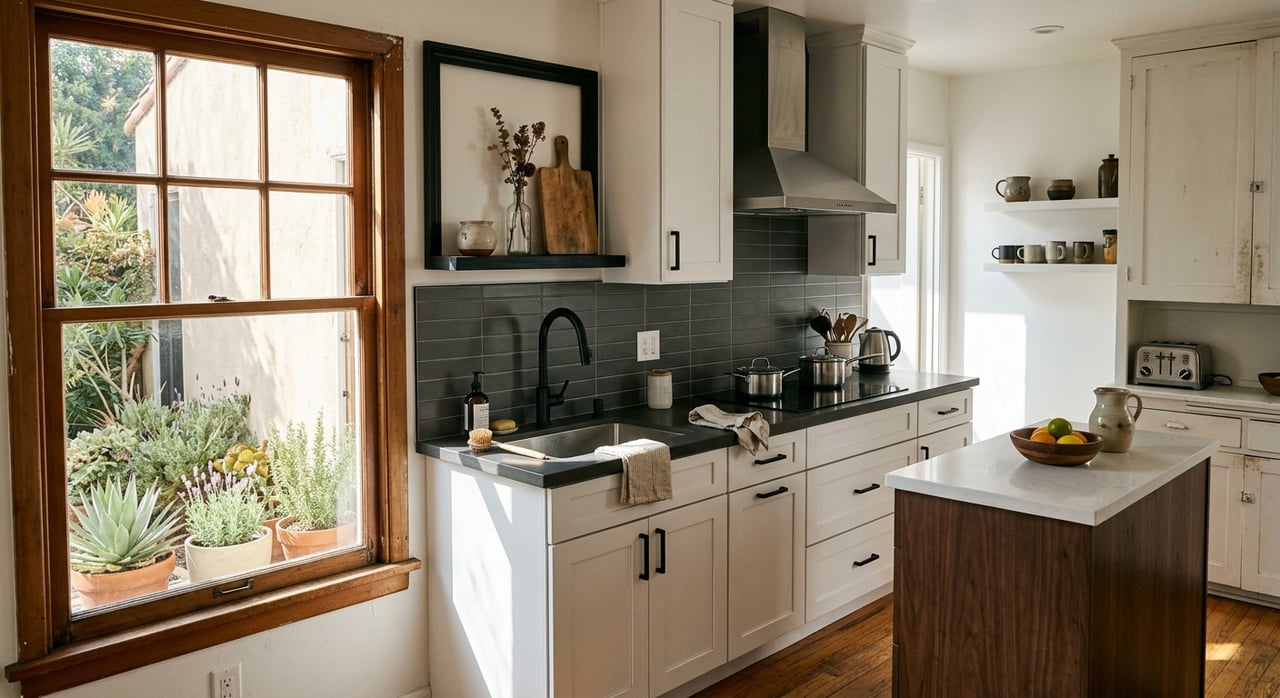
Buyers should also account for the sewer lateral and the district's guidelines for window work.
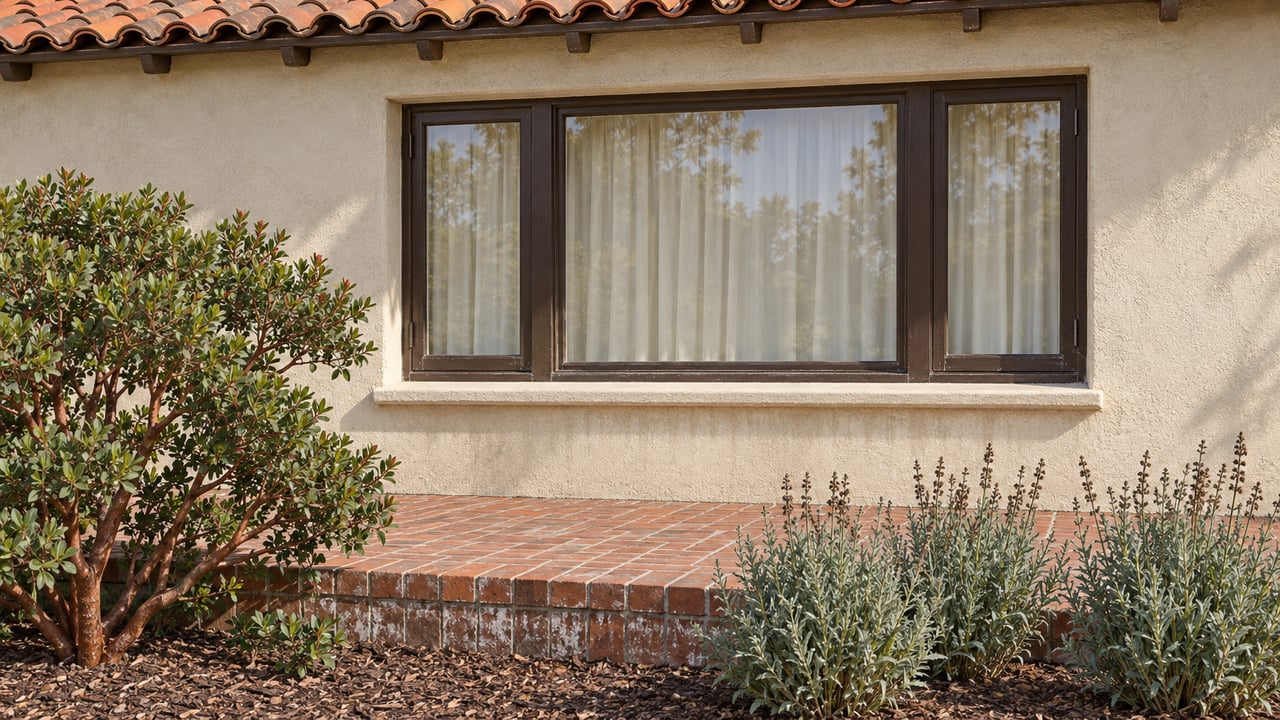
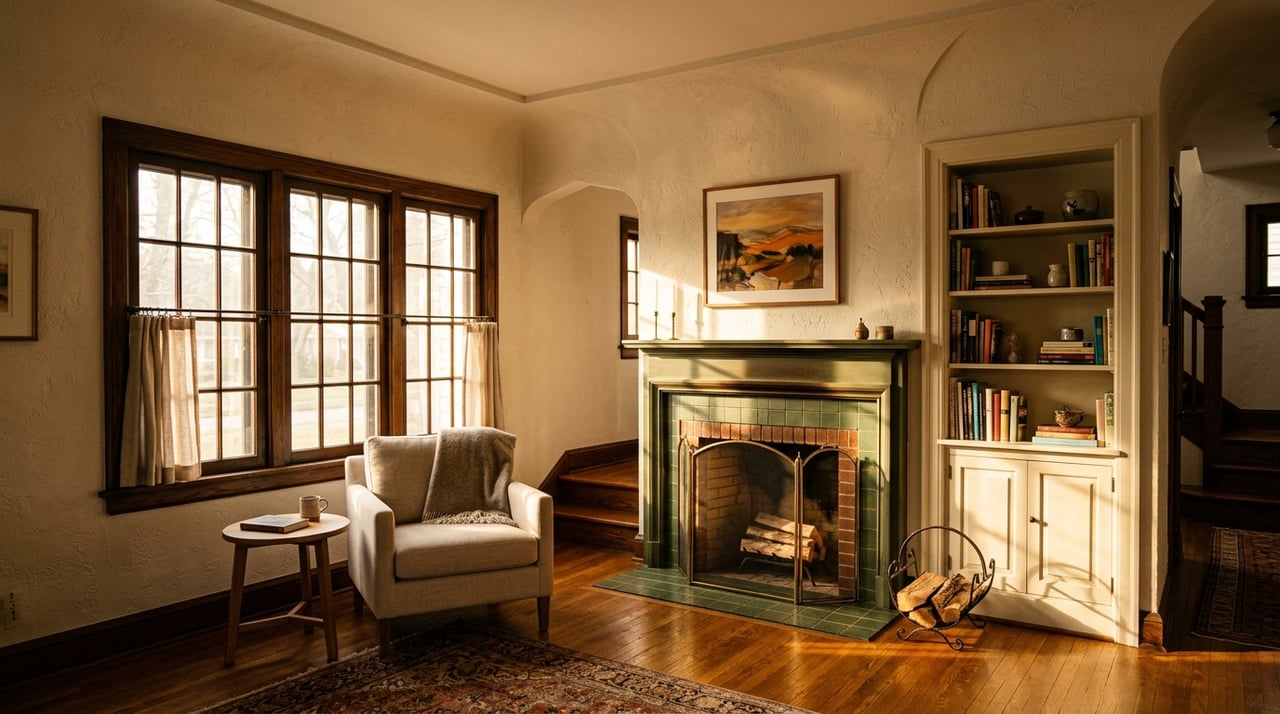
Window condition and renovation planning
The HPOZ does real work here. Exterior changes may require review. Most buyers factor that review into renovation planning and move on.
Window condition matters because it's exactly the kind of project a buyer budgets for in the first year of ownership.
The sewer certificate and the closing timeline
Pasadena requires sellers to obtain a sewer lateral compliance certificate before ownership transfers. This is a city-specific rule under Pasadena's Municipal Code.
The lateral is the pipe connecting a house to the municipal sewer main, and in a district where most homes went up between 1905 and 1920, with the oldest structure dating to 1888, that pipe has had a century or more to develop problems. Root intrusion is the most common one. Mature trees are part of what makes these streets feel the way they do, and tree roots are drawn to the moisture inside old clay and cast-iron sewer lines the same way they're drawn to anything else wet underground.
A compliant lateral means a smoother close. A non-compliant one means a licensed plumber's inspection, a scope of repair, and a clock that's now running against escrow instead of ahead of it. The fix isn't complicated: schedule the inspection before listing, not after an offer is in hand. Sellers who treat it as a pre-listing task control the timeline and the contractor. Sellers who wait for a buyer's inspector to flag it are negotiating repairs under pressure, with a closing date already on the calendar.
The bones underneath both problems
Here's where the district's age works in a buyer's favor instead of against them. Bungalow Heaven's homes are, almost without exception, wood-framed structures on raised foundations built well before 1980, a profile CRMP identifies as part of the EBB house-eligibility criteria. The California Residential Mitigation Program (CRMP) says a qualifying EBB retrofit bolts the house frame to its foundation. Cripple walls in the crawl space are the short wood-framed walls between the foundation and the first floor that tend to fail first when the ground moves. The program also requires the water heater to be properly strapped, since an unsecured one can tip during shaking and create its own gas or water leak on top of the structural damage.
The California Residential Mitigation Program (CRMP) says the standard grant covers up to $3,000 toward that work, and income-eligible households can apply for an additional grant of up to $7,000, bringing total available funding to $10,000.
None of this replaces a structural engineer's assessment, and a retrofit isn't a substitute for a full inspection. But for a buyer weighing the cost of bringing a century-old raised foundation up to a modern seismic standard, a grant program built specifically for this construction type changes the math on the renovation budget in a way that a generic home improvement loan doesn't.
What this looks like end to end
Put the three pieces together and the shape of a Bungalow Heaven transaction looks different from the way most buyers picture it walking in:
- The HPOZ review is part of exterior renovation planning.
- The sewer lateral certificate is a closing requirement, not an optional inspection, and scheduling it early can help sellers manage the timeline.
- The EBB program is the financial lever tied to the specific foundation type nearly every original bungalow here shares.
A buyer who understands all three walks into escrow asking sharper questions: has the lateral been inspected recently, is there a compliance certificate on file, has the house ever been bolted to its foundation, and are the original windows in a condition that repair can address before replacement becomes unavoidable. A seller who understands all three can plan for these issues before listing.
The neighborhood underneath the paperwork
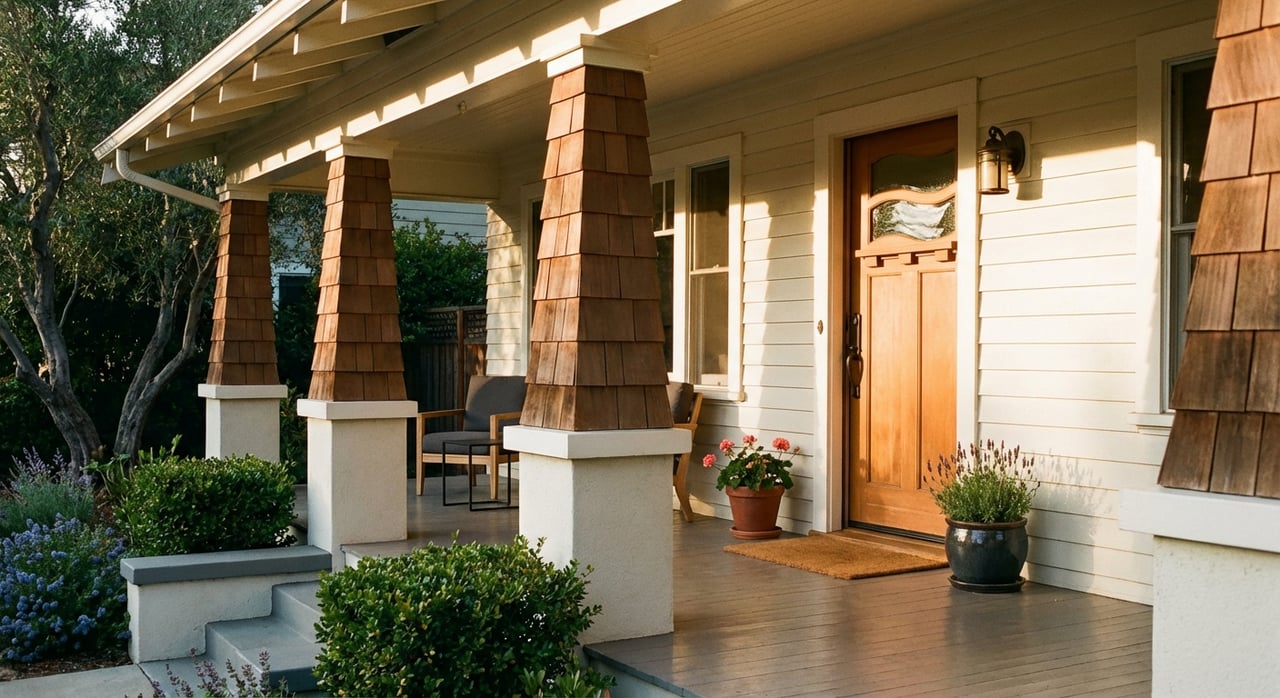
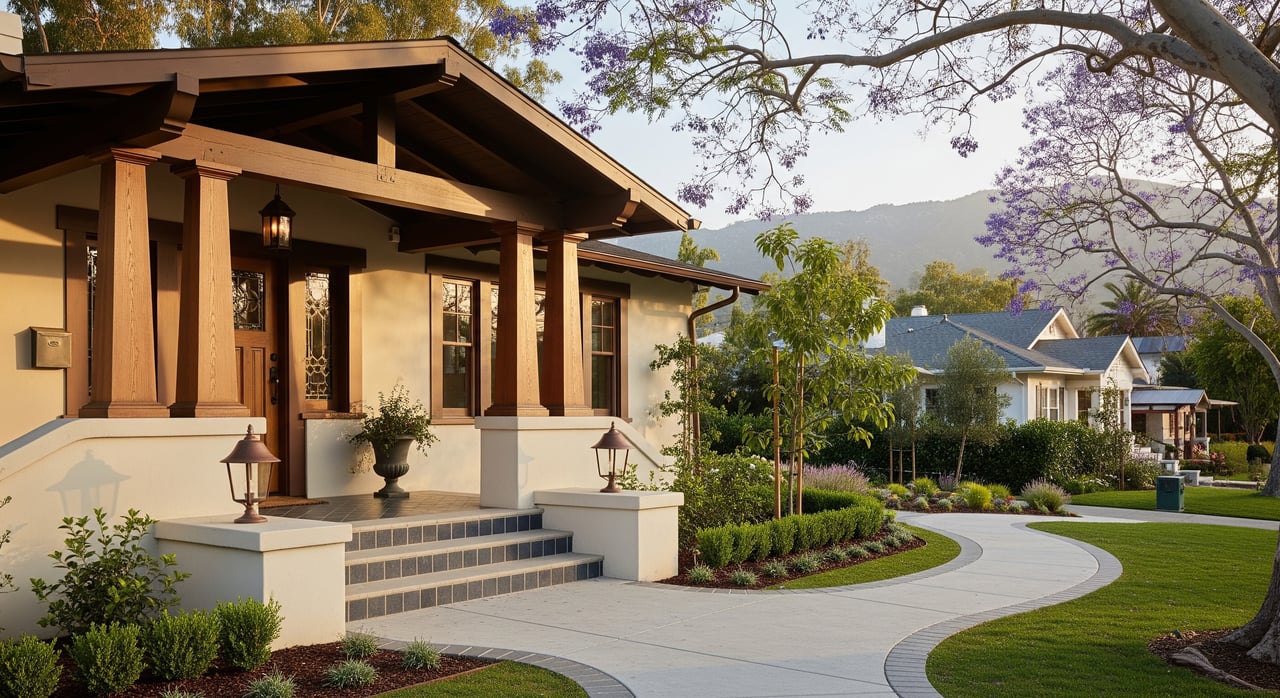
None of this is the reason people fall for these streets. That's still the wide front porches on tapered columns, the six-block walk to McDonald Park, the annual Bungalow Heaven Home Tour every April with its self-guided walk past contributing homes and food trucks parked along the route, and the short stretch of North Lake Avenue where a couple of neighborhood spots, a bar and a restaurant among them, sit within walking distance before Old Pasadena's larger retail and dining strip picks up about two miles south.
The charm is real. So is the century-old infrastructure underneath it, and the district's own design guidelines governing what a new owner can change. Knowing what to check and when can help buyers plan for the inspection, permitting, and closing steps in this district.
If you're weighing a purchase or a listing in Bungalow Heaven, or comparing it against another historic pocket of Pasadena, Joe Kaplan has spent years on the construction and rehab side of exactly these houses, and can walk through what a specific property's foundation, windows, and lateral actually look like before you write an offer or sign a listing agreement.
This article is general information, not legal, tax or financial advice. Consult a qualified professional about your situation.